Table of Contents >> Show >> Hide
- What Is a Rat Tail Cactus?
- The Best Growing Conditions for Rat Tail Cactus
- Soil and Pot Choice
- How to Water Rat Tail Cactus Without Turning It Into Soup
- Feeding and Fertilizer
- How to Encourage Blooms
- Pruning, Grooming, and Propagation
- Repotting: Less Often Is Better
- Common Problems and How to Fix Them
- Indoor vs. Outdoor Growing
- What Growing a Rat Tail Cactus Is Really Like: The Experience Side of It
- Conclusion
If your houseplant wishlist includes something dramatic, low-maintenance, and just weird enough to make guests ask, “What on earth is that?” the rat tail cactus deserves a starring role. This trailing cactus, commonly sold as Aporocactus flagelliformis and also listed as Disocactus flagelliformis, grows long, slender stems that spill over pots like green ropes with attitude. In spring and early summer, it throws in bright tubular flowers for extra flair, because apparently looking like a botanical punk haircut was not enough.
Despite its name, the rat tail cactus is much easier to love than an actual rat in your kitchen. It is a forgiving plant, but it does best when you understand one key fact: this is not the stereotypical “ignore it forever on a blazing windowsill” cactus. It likes bright light, fast drainage, thoughtful watering, and a little seasonal rhythm. Give it that, and it will reward you with cascading stems, better growth, and blooms that look like fireworks in lipstick form.
What Is a Rat Tail Cactus?
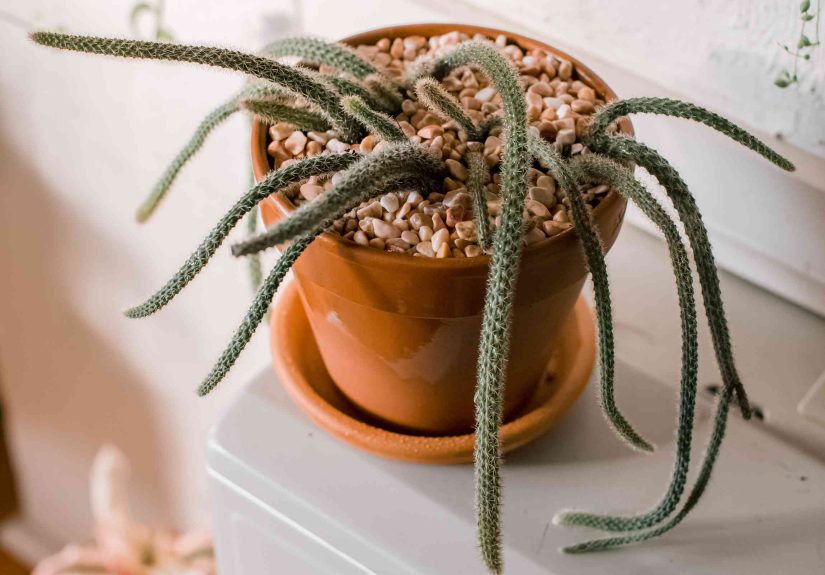
Rat tail cactus is a flowering cactus native to Mexico and prized for its trailing habit. Mature stems can stretch several feet long, which makes the plant ideal for hanging baskets, tall shelves, pedestal planters, or anywhere you want the foliage to drape instead of stand at attention. The stems are cylindrical, green when young, and covered with fine spines that give them a fuzzy look. As the plant ages, the stems may become a little tougher and more beige or corky, which is normal and not a reason to hold a funeral.
Its flowers are the real showstoppers. They are typically pink to reddish-purple, tubular, and appear most often in spring or early summer on mature growth. A happy plant can look absolutely ridiculous in the best possible way: long, rope-like stems tumbling downward, topped with neon blooms as if the cactus suddenly decided to throw a parade.
The Best Growing Conditions for Rat Tail Cactus
Light: Bright, Strong, but Not Brutal
The rat tail cactus loves bright light and usually performs best where it can get several hours of strong sun, especially indoors. A south-facing or east-facing window often works well. Morning sun is especially helpful, while very harsh afternoon sun through hot glass can sometimes stress the plant, especially if it was grown in a greenhouse or low-light room before arriving at your home.
The safest rule is this: give it as much bright light as you can without roasting it. If the stems look thin, stretched, pale, or weak, it probably needs more light. If they look bleached, scorched, or crispy on one side, back it off from the fiercest rays. Think “sunny vacation” rather than “desert survival challenge.”
Temperature and Humidity
This cactus likes warm household temperatures during the growing season and does well in average indoor conditions. Outdoors, it can spend warm months on a porch or patio in bright light, but it should be protected from frost and brought inside before chilly weather arrives. In most of the United States, it is safest grown as a container plant rather than a year-round outdoor cactus unless you live in a frost-free climate.
Average indoor humidity is usually fine. You do not need to mist it, build it a greenhouse, or read it daily affirmations. Good airflow matters more than tropical humidity. A stuffy corner plus soggy soil is a much bigger problem than dry air.
Soil and Pot Choice
If there is one thing rat tail cactus will not negotiate on, it is drainage. Use a cactus or succulent mix that drains quickly. Many growers improve bagged cactus mix by adding extra perlite, pumice, or coarse mineral material. The goal is a loose, airy potting medium that dries reasonably fast and keeps roots from sitting in water.
Always use a container with drainage holes. Always. A decorative pot without drainage is basically a root rot waiting room. Because the stems trail so dramatically, hanging baskets are a natural choice, but standard pots also work well if placed on a shelf or stand where the stems can spill over the edge.
Do not rush to give it a giant pot. Rat tail cactus usually grows better slightly snug than swimming in excess soil. Too much unused potting mix stays wet longer, and wet roots are where your trouble begins.
How to Water Rat Tail Cactus Without Turning It Into Soup
Watering is where many people either become plant heroes or accidental cactus villains. Rat tail cactus likes more regular moisture during active growth than some desert cacti, but it still hates soggy conditions. During spring and summer, water thoroughly, then let the potting mix dry out well before watering again. Do not do tiny polite sips. Give it a deep drink until water runs through the drainage hole, then let the excess drain away completely.
In fall and winter, reduce watering significantly. The plant grows more slowly, uses less moisture, and benefits from a drier rest period. If the mix stays wet too long in cool conditions, rot can develop quickly. A light winter hand usually helps more than a generous one.
Watch the plant as much as the calendar. Slight wrinkling or a less plump look can mean it is thirsty. Mushy stems, blackened tissue, or a sour-smelling pot are red flags for overwatering. When in doubt, wait another day or two. Rat tail cactus is far more forgiving of mild underwatering than chronic wet feet.
Feeding and Fertilizer
This cactus is not a heavy feeder, but it appreciates light feeding during its active growth period. In spring and summer, use a diluted cactus fertilizer or balanced houseplant fertilizer about once a month. Some growers prefer a lower-nitrogen formula to support sturdier growth and better flowering. Whatever you use, dilute it. This is not a tomato plant trying to win a county fair ribbon.
Stop fertilizing in fall and winter. Feeding a resting plant is like handing a to-do list to someone who just got into bed. It will not thank you.
How to Encourage Blooms
People often buy rat tail cactus for the stems and then stay for the flowers. If your plant is not blooming, the usual suspects are simple: not enough light, too much nitrogen, no winter rest, or a plant that is still too young. Mature stems flower better than fresh baby growth.
To encourage blooming, give the plant bright light year-round, feed lightly during the growing season, and cut back water in the cooler months. Keeping it slightly pot-bound can also help. In other words, do not pamper it into laziness. A bit of structure makes it perform.
Also, be patient. Rat tail cactus is one of those plants that likes to make you earn the floral drama. Then one day you notice a bud, then another, and suddenly your dangling green octopus is covered in hot-pink trumpets. It is extremely satisfying and a little smug-making.
Pruning, Grooming, and Propagation
Pruning
You do not need to prune rat tail cactus often, but trimming can help if the plant gets uneven, damaged, or too long for its location. Use clean scissors or pruners and remove any dead, shriveled, or badly damaged stems at the base. If a few stems are making the plant look wild in a “this plant has seen things” sort of way, you can shorten them to improve the shape.
Propagation
This plant is famously easy to propagate from stem cuttings. Take a healthy piece of stem, let the cut end dry and callus for several days, then place it into a fast-draining mix. Keep the cutting in bright light and lightly moist, not wet, until roots form. Once it begins to anchor and show new growth, ease into your normal care routine.
That ease of propagation is one reason rat tail cactus has been passed from grower to grower for generations. One good plant can become several, which is wonderful unless you were trying to maintain self-control.
Repotting: Less Often Is Better
Rat tail cactus does not need frequent repotting. Every two to three years is often enough, or sooner if the potting mix has broken down, drainage has worsened, or the roots are packed too tightly. Repot in spring, just as the growing season begins. Choose a pot only slightly larger than the current one, refresh the soil, and wait a few days before watering so any disturbed roots can settle.
If the plant is blooming beautifully, resist the temptation to repot just because you feel productive. Houseplants do not care about your weekend schedule.
Common Problems and How to Fix Them
Wrinkled Stems
This usually points to thirst. Check the mix. If it is bone dry and the pot feels light, water deeply and let the plant recover.
Soft, Mushy, or Blackened Stems
This is often rot from too much water or poorly draining soil. Remove damaged parts, inspect the roots, repot into fresh dry mix if needed, and water less often.
No Flowers
Lack of blooms usually means the plant needs more light, more maturity, or a better winter rest period. Light is the first thing to fix.
Pests
Spider mites and scale can occasionally bother indoor cacti. Inspect stems regularly, especially if the plant looks dusty, dull, or weak. Early treatment with insecticidal soap, horticultural oil, or a careful wipe-down is much easier than dealing with a full-blown pest convention.
Indoor vs. Outdoor Growing
Indoors, rat tail cactus is usually easier to control. You can manage light, watering, and temperature with fewer surprises. Outdoors, it can grow beautifully during warm months in bright protected spots, especially in hanging baskets where the stems are free to cascade. Just be careful with rain. A summer thunderstorm plus heavy soil is not a cute combination.
If you move it outdoors seasonally, acclimate it gradually. Do not take a plant from a cozy windowsill and toss it straight into blazing sun like you are launching a survival reality show. Start in bright shade, then increase sun exposure over time.
What Growing a Rat Tail Cactus Is Really Like: The Experience Side of It
Growing a rat tail cactus is one of those plant experiences that starts with curiosity and slowly turns into attachment. At first, it looks so unusual that you may treat it like a novelty. The stems are odd, the name is ridiculous, and the whole plant seems like it belongs in a spaghetti western designed by a surrealist. Then it settles into your home, and you begin to notice its rhythm.
One of the first lessons growers often learn is patience. Rat tail cactus does not always explode with growth the minute you bring it home. Sometimes it sits there, quietly judging your watering habits, while you wonder whether it is doing anything at all. Then warmer weather arrives, the light improves, and suddenly those stems start extending with confidence. A plant that seemed static in January can look dramatically fuller by July.
The second lesson is placement. Many people discover that this cactus is less about owning a plant and more about finding the right stage for it. On a short table, it looks awkward. In a hanging basket near a bright window, it looks amazing. On a shelf where the stems can pour downward, it goes from “interesting” to “whoa.” A rat tail cactus teaches you that presentation matters. This plant does not want to sit politely like a fern. It wants to drape, spill, and show off.
Another common experience is learning restraint with water. Because the stems are thinner than those of chunky desert cacti, beginners sometimes assume the plant needs constant moisture. Others go too far the other way and ignore it for months. The sweet spot is in the middle: soak, drain, and let it dry appropriately. Once you figure that out, the plant becomes much easier. It stops being mysterious and starts feeling dependable.
Then there is the bloom moment. Growers who get their first flowers on a rat tail cactus usually remember it. Buds appear almost out of nowhere, and suddenly the plant shifts from quirky trailing cactus to full-on conversation piece. The flowers do not last forever, which somehow makes them more exciting. They feel earned. You look at the plant and think, “So this is what all that patience was about.”
Propagation becomes part of the experience too. A stem breaks, or you trim one back, and instead of tossing it, you root it. Before long, you have a second plant. That second plant might go to a friend, a neighbor, or the person who admired yours and said they kill everything. Rat tail cactus is a good confidence-builder that way. It makes plant care feel less fragile and more generous.
Most of all, growing this cactus is enjoyable because it combines easy care with strong personality. It is not bland. It is not overly fussy. It gives you structure, movement, seasonal blooms, and a little bit of botanical comedy all at once. If many houseplants are background actors, rat tail cactus is definitely a scene-stealer. It hangs there like green fireworks, asking for bright light, decent drainage, and just enough attention to stay happy. Honestly, that is a pretty fair deal.
Conclusion
If you want a houseplant that is equal parts easygoing and theatrical, rat tail cactus is hard to beat. Give it bright light, fast-draining soil, careful watering, and room to trail, and it will reward you with sculptural stems and eye-catching blooms. It is not a difficult plant, but it is a plant that responds well to getting the basics right. Once you understand its rhythm, growing it feels less like work and more like joining a very stylish little cactus fan club.