Table of Contents >> Show >> Hide
- What a Poinsettia Actually Is
- How to Choose a Healthy Poinsettia at the Store
- Indoor Poinsettia Care Basics
- How to Grow Poinsettias After the Holidays
- How to Get a Poinsettia to Turn Red Again
- Common Poinsettia Problems and How to Fix Them
- Are Poinsettias Poisonous?
- Real-World Poinsettia Care Experiences and Lessons
- Conclusion
If poinsettias had a PR team, their slogan would be: “We’re not dramatic, we’re just misunderstood.” Every holiday season, millions of these colorful plants show up in homes, offices, and front entry tables looking fabulous for a few weeksthen many are treated like disposable decorations. That’s a shame, because poinsettias can absolutely thrive for months (and even rebloom next year) with the right care.
This guide breaks down exactly how to grow and care for poinsettias in a real-life, no-nonsense way: how to pick a healthy plant, where to place it, how to water it without turning it into root-rot soup, and how to get those iconic red bracts back for next Christmas. We’ll also cover common mistakes, pet safety, and a practical experience section at the end so you know what poinsettia care looks like in the wildnot just in perfect greenhouse photos.
What a Poinsettia Actually Is
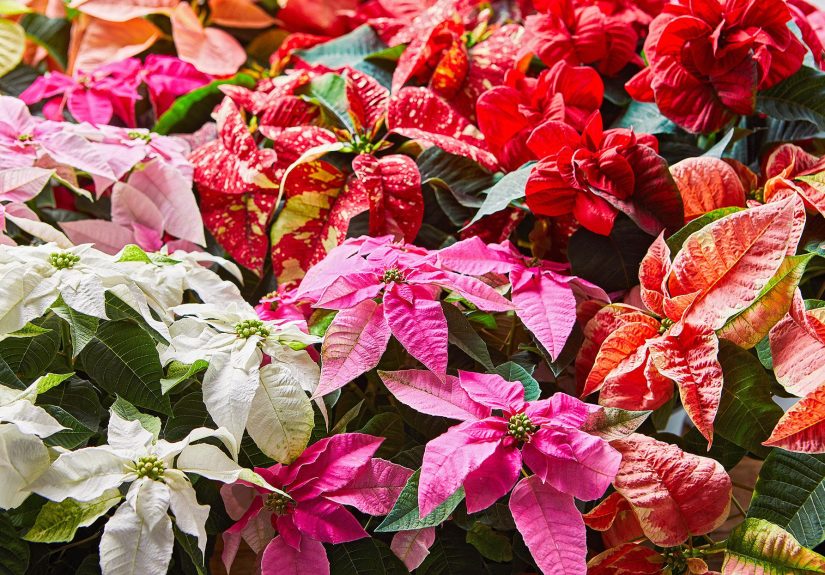
First, a quick plant fact that makes you sound smart at holiday parties: the bright red, pink, white, or marbled “petals” are not flowers. They’re bracts (modified leaves). The actual flowers are the tiny yellow-green centers, called cyathia. So yes, your poinsettia is technically showing off leaves, and honestly, it pulls it off beautifully.
Poinsettias (Euphorbia pulcherrima) are tropical plants native to Mexico. That explains two things: they love warmth, and they absolutely do not enjoy cold drafts. Treat them like a vacation plant, not like a frosty windowsill ornament, and you’re already ahead of the game.
How to Choose a Healthy Poinsettia at the Store
Look for the “fresh” signs
Great poinsettia care starts before you even get home. Choose a plant with:
- Deep green leaves (not pale, curled, or sparse)
- Bright, undamaged bracts
- Tight central flowers (cyathia) with little or no pollen shed yet
- A compact, full shape instead of a tall, leggy silhouette
If the plant already looks tired in the store, it won’t magically become a superstar on your coffee table. Think of it like buying produce: start with the best specimen you can find.
Protect it on the trip home
Poinsettias are surprisingly sensitive to cold exposure. Even a short blast of winter air can damage leaves and bracts, especially if you carry the plant unwrapped through a parking lot. Ask for a sleeve or bag, make the poinsettia your last stop before heading home, and don’t leave it sitting in a cold car while you “just run into one more store.” That’s how holiday heartbreak begins.
Indoor Poinsettia Care Basics
Light: Bright, indirect is the sweet spot
Poinsettias need plenty of light to stay attractive. A bright room is ideal, especially near a sunny window where they can get about 6 hours of strong indirect light each day. Morning sun is usually fine; harsh direct afternoon sun can dry them out too quickly or stress the plant.
A good rule: if the room feels cheerful and naturally bright, your poinsettia will probably approve. If it feels like a cave, the plant will start making complaints in the form of leaf drop.
Temperature: Warm, stable, and draft-free
Poinsettias prefer steady indoor temperatures, generally around 60–70°F, with cooler nights okay as long as they stay above the danger zone. Avoid temperatures below 50–55°F, and keep the plant away from cold windows, exterior doors, heaters, fireplaces, and HVAC vents. Sudden temperature swings are a common cause of leaves dropping.
If you’re comfortable in a long-sleeve shirt, your poinsettia is usually comfortable too. If you’re shivering by the window or roasting next to a vent, move the plant.
Watering: The most common make-or-break issue
Most poinsettia problems are watering problems. The goal is simple: moist, not soggy.
- Check the soil daily with your finger.
- Water when the soil surface feels dry to the touch (or when the pot feels noticeably lighter).
- Water thoroughly until water drains from the bottom.
- Let it drain completely.
- Never let the pot sit in standing water.
One major culprit is decorative foil or a fancy outer pot. They look great, but they trap excess water. Either remove the plant before watering or make sure there are drainage holes so water can escape. Root rot happens fast when poinsettias stay wet.
Humidity and air quality
Poinsettias generally do better with moderate indoor humidity than with bone-dry heated air. If your home gets very dry in winter, keep the plant away from blasting heat and consider placing it near (not on) a pebble tray or grouping it with other houseplants. Good air circulation helps, but drafty air is a problemyes, poinsettias are picky, but in a very reasonable way.
Fertilizer: Skip it while it’s in bloom
During the holiday display phase, poinsettias usually do not need fertilizer. In fact, feeding while the plant is actively showing bracts is unnecessary and can do more harm than good. Save fertilizer for later, when the plant starts growing fresh green leaves in spring.
How to Grow Poinsettias After the Holidays
Here’s the part most people don’t realize: poinsettias can keep going long after the decorations come down. The trick is to switch from “holiday display care” to “houseplant growth care.”
Late winter to spring: Prune and reset
As bracts fade and the plant starts looking less festive, prune the stems back to about 4–6 inches. This feels scary the first time, but it encourages stronger, bushier growth later. If the pot is crowded, repot into a slightly larger container with fresh, well-draining potting mix.
Once new growth appears, move the plant to a bright window and begin regular watering again. This is also when you can start feeding with a diluted balanced fertilizer every 2–4 weeks during active growth.
Late spring to summer: Outdoor vacation mode
After frost danger has passed, many gardeners move poinsettias outdoors. Start by hardening the plant off graduallyplace it in a shaded, protected spot for a few days, then slowly increase light exposure. This prevents shock.
In warm months, poinsettias can grow vigorously. Pinch the tips every few weeks through early to mid-summer if you want a fuller, bushier plant instead of a lanky one. Keep watering consistently and continue light fertilizing while the plant is actively growing.
In warm climates, poinsettias can also be grown in the landscape in a sunny, well-drained location after the holidays. In cooler climates, keeping them in pots is easier because you can move them back indoors before temperatures drop.
How to Get a Poinsettia to Turn Red Again
This is the part that separates casual plant owners from legends.
Poinsettias are short-day plants, which means they need long, uninterrupted nights to trigger color change and blooming. If you want red bracts by the holidays, you need to simulate fall light conditions with discipline. (Yes, this is the plant version of a strict sleep schedule.)
When to start
Start in late September or early October, depending on your climate and your timing goals.
The darkness routine
For about 8–10 weeks, your poinsettia needs roughly 14–15 hours of complete darkness every night. A common schedule is 5:00 p.m. to 8:00 a.m.
- Place the plant in a dark closet or cover it with a light-proof box.
- Make sure there are no light leaks (even small ones can interfere).
- Return the plant to bright light during the day.
- Continue normal watering.
Consistency matters more than perfection. Miss a night here and there, and the plant may delay coloring or stay mostly green. Keep at it, and you’ll usually start seeing bract color develop by November.
Common Poinsettia Problems and How to Fix Them
Yellow leaves
Yellow leaves often point to overwatering, poor drainage, or roots sitting in water. Check the bottom of the pot and remove trapped water immediately. Let the soil surface dry slightly before the next watering.
Leaves dropping
Leaf drop can happen from several causes:
- Cold drafts or cold-window exposure
- Hot, dry air from vents
- Underwatering (soil gets too dry)
- Overwatering and root stress
If the plant was recently purchased and started dropping leaves right away, cold damage during transport is a likely suspect.
Wilting even though the soil is wet
This usually means the roots are stressed from staying too wet. It looks like thirst, but adding more water makes it worse. Let the pot drain fully, improve drainage, and avoid watering again until the soil surface dries.
No red color next holiday season
If your poinsettia grows big and leafy but never colors up, the dark-period routine was probably interrupted. The plant may have gotten light from a lamp, hallway, or even a cracked closet door. Poinsettias are not being difficultthey’re just very committed to the photoperiod rules.
Pests
Poinsettias can attract common houseplant pests like aphids and mealybugs. Catch them early. A strong spray of water, insecticidal soap, or neem-based treatment is often enough for minor infestations. Avoid overwatering and crowding plants, since humid, stagnant conditions can also encourage disease issues.
Are Poinsettias Poisonous?
Poinsettias have a long reputation for being extremely poisonous, but that reputation is exaggerated. They are not considered deadly in normal household situations. That said, they can irritate the mouth, stomach, or skin because of their milky sap.
If a pet chews on a leaf, mild vomiting or drooling may happen. Some people may also get skin irritation from handling broken stems. So the practical advice is simple: keep poinsettias out of reach of curious kids and pets, wear gloves if you’re pruning, and contact a veterinarian if an animal eats a significant amount or seems unwell.
Real-World Poinsettia Care Experiences and Lessons
Here’s where poinsettia care gets more useful: the real-life patterns people run into year after year.
Experience #1: The “I watered it and it still died” mystery. This is probably the most common poinsettia story. What usually happened is not “too little water,” but “too much water trapped in the wrapper.” Many people water correctly from the top, but the decorative foil acts like a tiny bathtub. The roots stay soaked, oxygen drops, and the plant declines. The fix is easy once you know it: remove the wrapper before watering, let the pot drain in a sink, and only then put it back.
Experience #2: The plant looked great in the store and collapsed at home in two days. This often comes down to cold exposure during transport. Poinsettias can be damaged by a brief blast of winter air, especially if they sit in a cart, trunk, or front seat while errands continue. A healthy-looking plant can start dropping leaves after the damage is already done. The lesson: buy it last, wrap it, and get it indoors quickly.
Experience #3: The “perfect” windowsill that wasn’t perfect. Many people place poinsettias in a bright window and assume that’s ideal. Sometimes it is. But if the leaves touch cold glass at night or a heat vent blows across the pot, the plant gets stressed. A small changemoving it a foot or two away from the window or out of the vent linecan dramatically improve leaf retention. Poinsettias like bright light, but they don’t like weather drama.
Experience #4: The rebloom challenge starts strong… then life happens. Plenty of gardeners do everything right in spring and summer: pruning, repotting, pinching, and feeding. Then October arrives, and the darkness routine becomes a daily commitment. Missed evenings, accidental lamp light, or weekend travel can interrupt the process. This is why reblooming poinsettias feels like a gardening achievementit’s not difficult in theory, but it does require consistency. A phone reminder and a dedicated closet usually solve the problem.
Experience #5: The “ugly phase” scares people into giving up. After the holidays, poinsettias stop looking glamorous. Bracts fade, leaves may drop, and the plant enters an awkward stage. That’s normal. Many successful growers keep their poinsettia because they expect this transition. Think of it like a haircut phase, not a death sentence. Once spring growth begins, the plant often rebounds with fresh green leaves and a much better shape after pruning.
Experience #6: The plant gets huge outdoors. In warm weather, a poinsettia moved outdoors can suddenly grow like it has ambition. This is fun, but it can become lanky if left alone. Regular pinching makes a big difference. Gardeners who pinch tips through summer usually get a denser, more decorative plant later. Gardeners who skip pinching often end up with a tall, awkward plant that looks more “holiday shrub experiment” than “living centerpiece.”
Experience #7: People assume every dropped leaf means they failed. Not always. Poinsettias react to changes in environmentlight, temperature, humidity, and watering routine. A few dropped leaves after moving locations is common. The key is to troubleshoot calmly: check drainage, feel the soil, evaluate drafts, and watch the plant for a week before making five changes at once. Poinsettias respond best to steady care, not panic.
The big takeaway from all these experiences? Poinsettias are not impossible, fussy, or disposable. They’re just specific. Once you learn the patternbright light, steady warmth, smart watering, and good timingthey become one of the most satisfying seasonal plants you can keep year-round.
Conclusion
Poinsettias are more than temporary holiday decor. With the right light, stable temperatures, and careful watering, they can stay beautiful for months and even rebloom for the next season. If you want the shortest path to success, focus on the fundamentals: good drainage, no cold drafts, no soggy roots, and patience during the off-season. If you want the full challenge, try the fall darkness routine and bring your plant back to color like a pro. Either way, your poinsettia deserves better than a one-month career.