Table of Contents >> Show >> Hide
- What Is Monstera Standleyana Albo?
- Best Growing Conditions for Monstera Standleyana Albo
- How to Feed, Train, and Prune It
- How to Propagate Monstera Standleyana Albo
- Common Problems and How to Fix Them
- Is Monstera Standleyana Albo Toxic to Pets?
- Real-World Growing Experiences With Monstera Standleyana Albo
- Final Thoughts
- SEO Tags
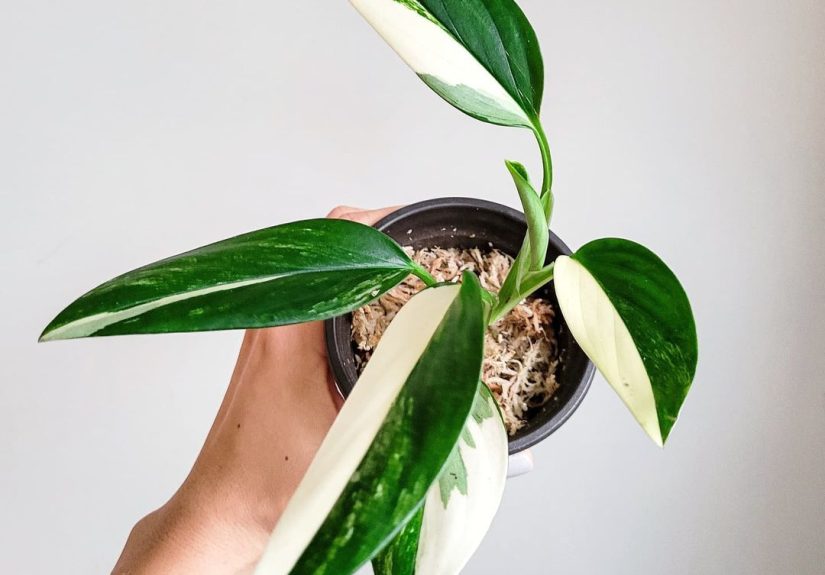
Monstera Standleyana Albo is the kind of houseplant that makes people stop mid-sip and ask, “Wait, what plant is that?” Its glossy green leaves splashed with cream, white, or pale yellow look like someone got artistically reckless with a paintbrushin the best possible way. Even better, this tropical climber is not nearly as dramatic as it looks. Give it the right light, an airy soil mix, and a watering routine that is more thoughtful than enthusiastic, and it can become one of the easiest rare-looking plants in your collection.
Despite being sold under nicknames like cobra philodendron, this plant belongs to the Monstera group, not Philodendron. It also behaves a little differently from the giant, holey monsteras people usually picture. Instead of oversized split leaves, Monstera Standleyana Albo grows narrower, oval foliage with striking variegation and a climbing or trailing habit. In other words, it brings tropical style without demanding a rainforest-sized living room.
What Is Monstera Standleyana Albo?
Monstera Standleyana Albo is a variegated form of Monstera standleyana, a tropical aroid native to Central and South America. Indoors, it is prized for its elegant foliage rather than dramatic fenestrations. The leaves stay relatively smooth and pointed, while the variegation can show up as flecks, streaks, splashes, or bold cream sections. No two leaves look exactly alike, which is part of the appeal and part of the obsession.
This plant can be grown in a hanging basket, but it usually looks better when trained upward. Like many climbing aroids, it tends to produce stronger growth and neater foliage when it has support. A moss pole, plank, or trellis gives it a job to do, and houseplants with a purpose are usually happier houseplants.
Best Growing Conditions for Monstera Standleyana Albo
Light: Bright, Indirect, and Not Negotiable
If there is one care rule you should tape to the pot, it is this: bright indirect light keeps variegated plants beautiful. Monstera Standleyana Albo can survive in lower light, but survival and thriving are not the same thing. In dim conditions, growth slows, spacing between leaves gets wider, and the variegation often becomes less impressive. The plant may stay alive, but it starts acting like it has given up on its dreams.
Place it near an east-facing window, a few feet back from a south- or west-facing window, or anywhere with filtered bright light. Gentle morning sun is usually fine, but harsh afternoon sun can scorch the paler sections of the leaves. White variegation contains less chlorophyll, which means those sections are more vulnerable to sunburn and less efficient at powering growth.
Soil: Chunky, Airy, and Fast-Draining
Monstera Standleyana Albo does best in a light, chunky aroid mix that drains quickly but still holds a bit of moisture. Standard dense potting soil can stay wet too long, which is a fast track to yellow leaves and root rot.
A reliable mix includes:
- High-quality potting soil or coco-based mix
- Orchid bark for airflow
- Perlite or pumice for drainage
- A little compost or worm castings for nutrition
The goal is simple: roots should get moisture, oxygen, and space. If your potting mix feels like wet brownie batter after watering, it is too heavy. Delicious for dessert, terrible for roots.
Water: Let the Soil Dry a Bit First
The biggest mistake with Monstera Standleyana Albo is overwatering. This plant likes evenly moist conditions, but it does not want to sit in soggy soil. A good rule is to water when the top 1 to 2 inches of soil feel dry, or when roughly the upper half of the potting mix has begun to dry out.
When you water, do it thoroughly until excess drains from the bottom of the pot. Then empty the saucer. Letting the plant sit in runoff is like forcing it to wear wet socks forever. It will not thank you.
You will likely water more often in spring and summer, and less in winter when growth slows. Instead of following a strict schedule, check the soil first. Houseplants do not read calendars.
Temperature and Humidity: Think Tropical, Not Toasty or Chilly
Monstera Standleyana Albo prefers typical warm indoor temperatures, ideally around 65 to 80 degrees Fahrenheit. Keep it away from cold drafts, blasting heaters, and air-conditioning vents. Sudden temperature swings can stress the plant and cause drooping or leaf damage.
Average household humidity is often acceptable, but this plant looks better in moderate to higher humidity. If your home is especially dry, aim for around 50 to 60 percent humidity or higher. A humidifier, pebble tray, or grouping it with other plants can help. Higher humidity often supports larger, healthier leaves and reduces crispy edges on variegated sections.
How to Feed, Train, and Prune It
Fertilizer: Enough to Help, Not Enough to Overdo
During spring and summer, feed Monstera Standleyana Albo about once a month with a balanced liquid houseplant fertilizer diluted to half strength. Always fertilize after watering, not on bone-dry soil. Overfertilizing can burn roots and cause brown edges, especially on variegated foliage that is already a little more delicate.
In fall and winter, cut back or stop feeding if the plant is not actively growing. Fertilizer is helpful when a plant is growing, but wasted when it is basically taking a seasonal nap.
Support: This Plant Likes a Ladder
While it can trail beautifully, Monstera Standleyana Albo often performs best when given something to climb. A moss pole, coir pole, small trellis, or wooden plank encourages more upright growth and can improve the plant’s overall structure. Climbing also helps prevent a leggy, stretched look.
If you want fuller growth, you can prune the tips and root the cuttings back into the same pot. That creates a bushier, more lush plant instead of a few long wandering vines trying to explore your bookshelf.
Pruning and Repotting
Prune away dead, damaged, or all-brown leaves with clean scissors. If a vine gets too long or sparse, trim just above a node to encourage branching. Spring and early summer are the best times for major pruning.
Repot only when necessary, usually when roots are circling the pot heavily or watering becomes difficult because the mix dries too fast. Choose a container only one size larger. Going too big can leave the roots in too much wet soil for too long.
How to Propagate Monstera Standleyana Albo
Propagation is one of the best things about this plant. If you have a healthy vine with nodes, you have the beginning of more plants.
Water Propagation
- Cut a healthy stem just below a node.
- Make sure the cutting has at least one node and one or two leaves.
- Place the node in water while keeping the leaves above the waterline.
- Set the jar in bright, indirect light.
- Refresh the water regularly.
- Once roots are about 1 to 2 inches long, pot the cutting into a chunky soil mix.
Soil Propagation
You can also place the cutting directly into a lightly moist aroid mix. Keep humidity a bit higher while it roots, and avoid drenching the soil. New growth is your sign that the cutting has settled in and started building a future.
One important note: variegated cuttings can be slower to root and grow than all-green plants. That is normal. Pretty plants often make you wait a little longer. It is part of their brand.
Common Problems and How to Fix Them
Yellow Leaves
The most common cause is overwatering. Check whether the mix is staying wet for too long, whether the pot has drainage, and whether the roots smell mushy or rotten. One older leaf yellowing occasionally is normal. Several yellow leaves at once is your plant sending a strongly worded complaint.
Brown Tips or Crispy Edges
Dry air, inconsistent watering, salt buildup from fertilizer, or too much direct sun can all cause brown edges. Variegated sections tend to brown faster because they are less robust than green tissue.
Faded Variegation
Low light is usually the culprit. Move the plant to a brighter location with indirect light. Do not expect a miracle overnight, but newer leaves may show stronger variegation over time.
Drooping Leaves
Drooping can mean the plant is too dry, too wet, too cold, or not getting enough light. Check the soil first, then review the growing conditions. Houseplants are subtle until they are suddenly very not subtle.
Pests
Watch for spider mites, mealybugs, scale, and aphids. Inspect the undersides of leaves and the nodes along the stems. If pests show up, isolate the plant and treat it with insecticidal soap or neem-based products. Wiping leaves regularly and checking new plants before bringing them home helps prevent infestations.
Is Monstera Standleyana Albo Toxic to Pets?
Yes. Like other monsteras and many aroids, Monstera Standleyana Albo should be kept away from curious cats, dogs, and small children who chew first and ask questions never. If ingested, it can cause irritation because of insoluble calcium oxalate crystals. Keep the plant out of reach, especially if your pet has a talent for sampling greenery like a tiny uninvited botanist.
Real-World Growing Experiences With Monstera Standleyana Albo
One of the most interesting things about growing Monstera Standleyana Albo is how different it can look from home to home. In a bright apartment with steady humidity, it often grows with tighter spacing, cleaner variegation, and a more polished shape. In a darker room, the same plant can become stretched, looser, and noticeably greener over time. That contrast teaches growers a useful lesson very quickly: this is not a plant you can hide in a corner and hope for the best.
Many people also notice that the plant rewards consistency more than perfection. It does not need luxury treatment, but it does appreciate a routine. When the light stays steady, the watering is based on soil dryness instead of panic, and the potting mix remains airy, the plant tends to behave beautifully. New leaves emerge with glossy texture, interesting marbling, and just enough drama to make you feel like a gardening genius.
Another common experience is the surprise of how much better the plant looks once it is given support. Growers often start with a trailing vine and later move it onto a moss pole or trellis. The improvement can be dramatic. The stems look more intentional, the foliage appears more organized, and the plant suddenly shifts from “cute cutting in a pot” to “centerpiece with opinions.” That climbing habit is not just aesthetic. It helps the plant grow the way it naturally wants to grow.
There is also the variegation lesson, which every owner eventually learns. A heavily variegated leaf is gorgeous, but it is not always the longest-lasting leaf in the room. White sections can brown more quickly, especially when humidity is low or watering is erratic. New growers often panic when a mostly white patch gets crispy, but experienced plant keepers know this is fairly common. The trick is not to chase perfection. Instead, focus on healthy overall growth, because a healthy plant will keep producing new leaves with fresh variegation.
Propagation becomes part of the experience too. Once the plant starts vining, many growers trim a cutting almost reluctantly, then discover that it roots well and gives them a second plant. That first successful propagation often changes the relationship completely. The plant stops feeling rare and fragile and starts feeling manageable, generous, even fun. Suddenly there is a rooted cutting on the windowsill, a fuller mother plant in the original pot, and a dangerous new confidence around expensive aroids.
Perhaps the biggest shared experience, though, is learning restraint. New plant owners tend to overwater, overfertilize, or overreact. Monstera Standleyana Albo teaches patience. It asks you to wait before watering, to give roots air, to let the plant settle after repotting, and to judge progress by new growth instead of hourly leaf inspections. Once that lesson sinks in, the plant becomes much easier to grow.
In the end, growers often describe this species as one of the most satisfying variegated houseplants to own. It has the visual punch of a collector plant, but with care that is far more approachable than its fancy foliage suggests. When it is happy, it does not just sit there looking pretty. It climbs, unfurls, and keeps surprising you leaf after leaf.
Final Thoughts
If you want a tropical houseplant that looks rare without requiring a daily emotional support team, Monstera Standleyana Albo is an excellent choice. Give it bright indirect light, a chunky well-draining mix, moderate humidity, and a careful watering routine. Add a moss pole, keep an eye out for pests, and resist the urge to love it with gallons of water. That combination usually leads to the kind of glossy, variegated growth that makes this plant such a favorite among collectors and casual plant lovers alike.
In other words, treat it like a stylish climber with a slight fear of wet feet and a strong preference for good lighting, and it will reward you with foliage that looks impressively expensiveeven on ordinary weekdays.