Table of Contents >> Show >> Hide
- Why Safe Weight Gain Matters
- Step 1: Figure Out Why You Need to Gain Weight
- Step 2: Aim for a Modest, Consistent Calorie Surplus
- Step 3: Choose Foods That Pack Nutrients and Calories
- Step 4: Eat More Often, Not Just More at Once
- Step 5: Lift Something Heavier Than Your Water Bottle
- Step 6: Make Meals Work Harder
- A Sample Day of Healthy Weight Gain
- What Not to Do
- When to Get Extra Help
- Common Experiences People Have While Trying to Gain Weight Safely
- Final Thoughts
For years, the internet has treated weight gain advice like a dare: eat everything that isn’t nailed down, chase milkshakes with peanut butter, and call it “bulking.” That approach may add pounds, but it does not always add health. Safe weight gain is different. It focuses on building strength, supporting recovery, improving energy, and helping your body get the nutrients it actually needs.
This guide is for people who are underweight, recovering from illness, losing weight without meaning to, struggling with a naturally low appetite, or trying to add body mass in a balanced, sensible way. It is not a pep talk for chasing unrealistic body ideals. The goal is better health, not a random number on the scale that makes your jeans panic.
If you have been losing weight without trying, feel full after a few bites, have stomach pain, diarrhea, fatigue, fever, or other symptoms, do not start with a “mass-gainer” powder and a prayer. Start with a healthcare professional. Sometimes the issue is not that you are “bad at eating.” Sometimes there is a medical reason that needs attention first.
Why Safe Weight Gain Matters
Healthy weight gain is about more than body size. It can help support immune function, energy levels, workout recovery, bone and muscle health, and day-to-day stamina. For some people, gaining weight is part of bouncing back after surgery or a hospital stay. For older adults, it may help preserve strength and independence. For athletes, it can support performance when the added weight comes mostly from muscle, not from a steady stream of ultra-processed snacks.
That distinction matters. Gaining weight by loading up on soda, candy, chips, and fast food may increase body fat quickly, especially around the abdomen, without giving your body the protein, vitamins, minerals, and fiber it needs. In other words, yes, donuts have calories. No, they are not a personality trait or a complete nutrition strategy.
Step 1: Figure Out Why You Need to Gain Weight
Before changing your diet, get clear on the reason behind your goal. Safe weight gain usually falls into one of a few buckets:
- You are medically underweight.
- You have had unintentional weight loss.
- You are recovering from illness, surgery, or intense physical stress.
- You are highly active and not eating enough to support training.
- You have a low appetite and struggle to eat enough during the day.
That reason should shape the plan. Someone recovering from illness may need soft foods, smoothies, and smaller meals. An athlete may need more carbohydrates around training plus enough protein across the day. A teen who seems too thin should involve a parent, pediatrician, or dietitian instead of trying to self-prescribe a “bulk.” Context matters.
Red flags that deserve a medical check
See a clinician sooner rather than later if you have lost weight without trying, especially if it is a noticeable amount over a few months, or if you also have low appetite, nausea, vomiting, chronic diarrhea, pain, trouble swallowing, unusual fatigue, or mood changes. Weight loss is sometimes the body’s smoke alarm. It is better to check the kitchen than assume the toaster is just being dramatic.
Step 2: Aim for a Modest, Consistent Calorie Surplus
The safest way to gain weight is usually the least exciting way: slowly. Instead of force-feeding yourself giant meals that leave you feeling miserable, create a modest calorie surplus and repeat it consistently. In plain English, eat a little more than your body burns, day after day, week after week.
For many adults, adding a few hundred calories per day can support gradual weight gain. That may come from one fortified smoothie, an extra snack, or adding calorie-dense ingredients to meals you already eat. Slow gain is often easier on digestion, easier to sustain, and more likely to support lean mass when paired with strength training.
If you have a small appetite, volume can be the enemy. A giant salad may look virtuous, but it may also fill you up before you get enough energy in. This is where nutrient-dense foods earn their paycheck.
Step 3: Choose Foods That Pack Nutrients and Calories
The secret is not to eat everything. The secret is to eat smartly more. That means foods that provide calories plus useful nutrition.
Protein: the builder
Protein supports muscle repair, growth, and recovery. Include a protein source at each meal and snack when possible. Good options include eggs, Greek yogurt, cottage cheese, milk, soy foods, chicken, turkey, fish, beans, lentils, tofu, tempeh, nuts, seeds, and nut butters.
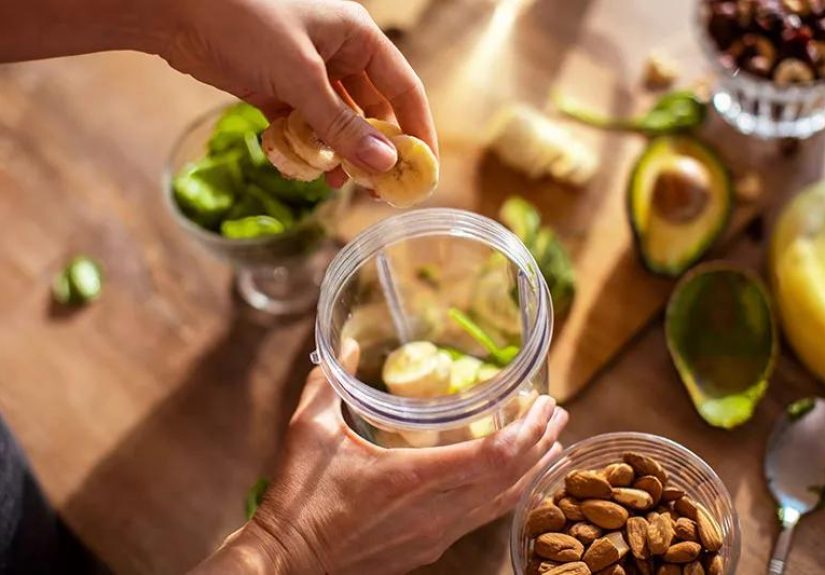
Protein shakes can be helpful when appetite is low, but they should support your food intake, not replace real meals forever. A homemade smoothie with milk or fortified soy milk, yogurt, fruit, oats, nut butter, and a scoop of protein powder can work well because it is easier to drink calories than chew them when you are not hungry.
Carbohydrates: the fuel
Carbs are not the villain in this story. They help fuel workouts, replenish energy, and make it easier to eat enough overall. Focus on useful, satisfying choices such as oats, rice, potatoes, sweet potatoes, whole-grain bread, pasta, beans, fruit, granola, and cereal.
A common mistake is trying to gain weight with protein alone. That usually leads to expensive groceries and underwhelming results. Protein builds, but carbs help power the whole operation.
Healthy fats: the calorie booster
Fat is the easiest way to add calories without making meals enormous. Good options include olive oil, avocado, nuts, seeds, nut butters, tahini, pesto, cheese, and full-fat yogurt if it works for your needs and preferences.
Easy add-ins make a big difference:
- Olive oil on vegetables, pasta, rice, or soups
- Peanut or almond butter on toast, oatmeal, apples, or smoothies
- Avocado on sandwiches, eggs, grain bowls, or tacos
- Cheese added to eggs, potatoes, chili, or casseroles
- Nuts and seeds mixed into yogurt, cereal, or trail mix
Step 4: Eat More Often, Not Just More at Once
If large meals feel impossible, stop treating three meals a day like a sacred law of nature. Five or six eating opportunities may work better. Many people gain weight more successfully with this rhythm:
- Breakfast
- Midmorning snack
- Lunch
- Afternoon snack
- Dinner
- Evening snack
This strategy is especially useful for people who get full quickly. Smaller, regular meals can feel less overwhelming than trying to eat one heroic lunch that leaves you staring into the middle distance.
Helpful appetite tricks
- Drink fluids after meals instead of right before them if drinks kill your appetite.
- Keep ready-to-eat snacks visible and convenient.
- Use reminders if you forget to eat when busy.
- Choose soft, easy foods during stressful or low-appetite days.
- Add calories to foods you already enjoy instead of forcing unfamiliar “health foods.”
Step 5: Lift Something Heavier Than Your Water Bottle
If your goal is to gain weight safely, resistance training matters. It helps direct some of that extra energy toward muscle instead of only body fat. You do not need to become a powerlifter overnight, but you do need a reason for your body to build tissue.
A beginner-friendly routine can include two to four weekly sessions built around basic movement patterns: squats, hinges, pushes, pulls, and carries. Bodyweight exercises, resistance bands, dumbbells, and machines all count. Progress gradually. The point is consistent challenge, not dramatic suffering for social media content.
Keep some aerobic activity in your week for heart health, mood, and endurance, but do not pile on endless cardio if you are already struggling to stay in a calorie surplus. Balance is the name of the game.
Step 6: Make Meals Work Harder
You do not always need bigger meals. Sometimes you just need better engineering.
Simple ways to fortify meals
- Cook oatmeal with milk instead of water.
- Add dried fruit, nuts, honey, or nut butter to cereal and yogurt.
- Stir powdered milk into soups, mashed potatoes, and casseroles.
- Add avocado, cheese, hummus, or olive oil to sandwiches and wraps.
- Choose full-fat or traditional versions instead of “light” versions when appropriate.
- Blend smoothies with milk, yogurt, oats, fruit, and nut butter.
These small upgrades are sneaky in the best possible way. You are not doubling your food volume, just making each bite count more.
A Sample Day of Healthy Weight Gain
Here is what a practical day might look like:
- Breakfast: Oatmeal made with milk, topped with banana, walnuts, peanut butter, and cinnamon
- Snack: Greek yogurt with granola and berries
- Lunch: Turkey and avocado sandwich on whole-grain bread, plus fruit and a glass of milk
- Snack: Trail mix and a smoothie with yogurt, oats, and frozen fruit
- Dinner: Salmon, rice, roasted vegetables drizzled with olive oil, and a side salad with seeds
- Evening snack: Cottage cheese with fruit, or toast with almond butter
This is not the only way to do it. Vegetarian, dairy-free, halal, kosher, budget-friendly, and culturally specific versions can work just as well. The pattern matters more than the exact menu: regular eating, protein throughout the day, energy-dense additions, and foods you can actually stick with.
What Not to Do
- Do not rely on junk food as your main strategy.
- Do not ignore unexplained weight loss or digestive symptoms.
- Do not use sketchy weight-gain supplements that promise miracles.
- Do not chase rapid changes just because the scale moved slowly for one week.
- Do not compare your body to someone else’s frame, genetics, or metabolism.
Body type is real. Genetics, appetite, digestion, medications, sleep, stress, and activity level all shape how fast someone gains. Two people can follow similar plans and get different results. That is biology, not moral failure.
When to Get Extra Help
If you are trying consistently and still not gaining weight, a registered dietitian can help identify the bottleneck. Maybe your meals are not as calorie-dense as you think. Maybe your protein is low. Maybe your training is too random. Maybe a medical condition, medication side effect, or digestive issue is getting in the way.
Professional support is especially useful for teens, athletes, older adults, and anyone recovering from illness. A personalized plan beats guessing, especially when your health is involved.
Common Experiences People Have While Trying to Gain Weight Safely
One common experience is surprise at how much consistency matters. Many people assume they need a dramatic diet overhaul, but progress often comes from boringly reliable habits: breakfast every day, a snack before bed, and a smoothie that shows up like clockwork. The plan does not feel “hardcore,” yet the scale finally starts inching upward because the body responds to repetition more than enthusiasm.
Another frequent experience is realizing that appetite is wildly unpredictable. Some days, eating feels easy. Other days, even lunch seems like a negotiation. This is why flexible structure helps. People who do well usually stop waiting to feel perfectly hungry and start working with routines instead. They keep easy foods around, eat at roughly regular times, and use liquid calories when chewing sounds like a part-time job.
Many people also discover that strength training changes the entire process. Before lifting, gaining weight can feel soft, sluggish, or random. After adding resistance work, the goal often feels more purposeful. Hunger improves, meals feel more “earned,” and changes in posture, strength, and energy show up before dramatic scale changes do. That can be encouraging, especially for anyone who gets discouraged by small weekly fluctuations.
There is also an emotional side that people do not talk about enough. Someone who has been told their whole life, “You’re so skinny, you’re lucky,” may feel oddly dismissed when they say they are struggling. But being unable to maintain weight, running low on energy, or feeling weak is not a joke. Safe weight gain is real health work. It deserves the same respect as other nutrition goals.
Some people notice digestion becomes part of the learning curve. Suddenly adding huge portions can lead to bloating, reflux, or just feeling stuffed all the time. That usually teaches an important lesson: more food is not always better; better-distributed food is better. Smaller meals, calorie-dense ingredients, and gentler pacing often feel much more sustainable than trying to bulldoze through oversized plates.
Another common experience is learning that “healthy” and “higher-calorie” can absolutely live in the same kitchen. People start by assuming they must choose between salads and progress, or between nutrition and calories. Then they discover olive oil, nuts, avocado, dairy or fortified alternatives, hearty grains, beans, eggs, and smoothies. Suddenly the plan feels less like punishment and more like smart assembly.
Perhaps the biggest experience of all is patience. Safe weight gain rarely delivers movie-montage speed. It is more like gardening than fireworks. You prepare the soil, water consistently, and trust the process before you see much above ground. That can feel frustrating, but it is often the very thing that makes results healthier and easier to maintain.
Final Thoughts
If you need to gain weight, do it in a way your future self will thank you for. Focus on regular meals, nutrient-dense foods, enough protein, calorie-rich add-ins, and strength training. Be cautious of shortcuts, miracle powders, and all-or-nothing thinking. Most of all, pay attention to why your body is underweight or losing weight in the first place.
Safe weight gain is not about eating recklessly. It is about eating strategically. The smartest plan is usually the one that helps you feel stronger, more energetic, and better nourished without turning food into chaos.