Table of Contents >> Show >> Hide
- What Is Cultured Marble, Exactly?
- Why Cultured Marble Gets Dingy So Fast
- What You Need to Clean Cultured Marble Safely
- Daily and Weekly Cleaning Routine
- How to Remove Soap Scum from Cultured Marble
- How to Clean Hard Water Spots
- How to Remove Everyday Stains
- What Not to Use on Cultured Marble
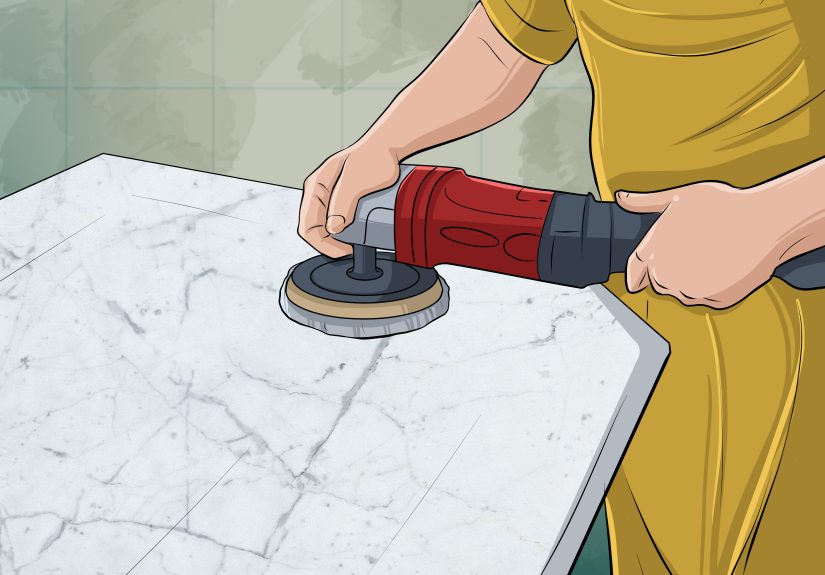
- How to Restore Shine to Cultured Marble
- Cleaning Cultured Marble in Different Areas of the Home
- Simple Habits That Keep Cultured Marble Cleaner Longer
- When DIY Cleaning Is Not Enough
- Experiences and Lessons From Real-World Cultured Marble Cleaning
- Final Thoughts
If your bathroom vanity, sink, or shower surround has that glossy, polished look that says, “I am fancy,” there is a good chance you are looking at cultured marble. The good news is that cultured marble can be easier to care for than many people think. The bad news is that a lot of people clean it like tile, stone, or a science experiment gone wrong. That is when trouble starts.
Learning how to clean cultured marble the right way is less about brute force and more about strategy. This surface usually has a protective gel-coat finish. That finish is what gives cultured marble its shine, and it is also what you are trying not to ruin with harsh cleaners, gritty scrubbers, and wild DIY recipes mixed in an old spray bottle that should have retired years ago.
This guide breaks down exactly how to clean cultured marble, what products to use, what mistakes to avoid, and how to deal with soap scum, water spots, dullness, and everyday bathroom grime without turning a beautiful surface into a sad, cloudy memory.
What Is Cultured Marble, Exactly?
Before you clean it, it helps to know what it is. Cultured marble is a manufactured surface made from crushed stone or mineral fillers mixed with resin, then finished with a glossy protective topcoat. That means it is not cared for exactly like natural marble. The surface may look similar, but the cleaning goal is different.
With natural marble, you worry about a porous stone surface and sealing. With cultured marble, you are mainly protecting the outer finish. That is why aggressive scrubbing, strong acids, and abrasive powders can do real damage. You are not just removing grime. You may also be removing the shine that makes the material look new.
In plain English: clean the mess, not the finish.
Why Cultured Marble Gets Dingy So Fast
Cultured marble usually lives in hardworking places like bathrooms, tub surrounds, shower walls, and vanity tops. In other words, it spends its days being attacked by soap, shampoo, shaving cream, toothpaste, hair products, makeup, hard water, and the mysterious sticky ring left by a bottle that leaks only when no one is watching.
Over time, that buildup can leave the surface looking dull, streaky, or yellowed. Most of the time, the issue is not permanent damage. It is residue. Soap scum, mineral deposits, and cleaner buildup can all collect on the finish and make the surface lose its gloss. The trick is removing that layer gently.
What You Need to Clean Cultured Marble Safely
You do not need a cart full of specialty products to clean cultured marble well. In fact, that is often how people get into trouble. Keep it simple.
Basic Supplies
- Warm water
- Mild dish soap or a gentle non-abrasive liquid cleaner
- A pH-neutral cleaner labeled safe for cultured marble, marble, or solid surfaces
- Soft microfiber cloths
- A non-abrasive sponge
- A dry towel for buffing
- A spray bottle for diluted cleaner
Optional Supplies for Stubborn Buildup
- A soft toothbrush for seams and around fixtures
- A plastic scraper for thick residue
- A manufacturer-approved polish or refinishing product if the shine has faded
Notice what is missing from the list: steel wool, scouring powder, rough scrub pads, strong acidic bathroom sprays, and “miracle” hacks that promise to dissolve everything except your regrets.
Daily and Weekly Cleaning Routine
If you want cultured marble to stay glossy, the best cleaning method is boring in the most useful way possible. Gentle, consistent care wins every time.
Step 1: Remove Loose Dirt and Surface Gunk
Wipe the surface with a dry or slightly damp microfiber cloth to pick up dust, hair, powder, and loose debris. This matters more than people realize. If you skip this step and go straight to scrubbing, you are basically rubbing grit across a shiny finish. That is not cleaning. That is slow-motion sabotage.
Step 2: Apply a Mild Cleaner
Mix a small amount of mild dish soap with warm water, or use a pH-neutral cleaner made for delicate bathroom surfaces. Spray it lightly onto the cultured marble or onto your cloth rather than flooding the surface.
Step 3: Wipe Gently
Use a soft microfiber cloth or non-abrasive sponge to wipe the surface in smooth, even motions. Pay attention to corners, faucet bases, and the area around the sink where toothpaste tends to stage a daily rebellion.
Step 4: Rinse Away Residue
Use a clean damp cloth to remove any cleaner left behind. This step is easy to skip and easy to regret. Leftover soap can create dull streaks and attract more grime.
Step 5: Dry and Buff
Dry the surface completely with a clean towel or dry microfiber cloth. This helps prevent water spots and brings back the shine. For vanity tops and sink surrounds, a quick buff at the end makes a visible difference.
For light-use bathrooms, once a week is often enough. In busy bathrooms or shared family spaces, a quick wipe every day or two will keep buildup from becoming a major project.
How to Remove Soap Scum from Cultured Marble
Soap scum is one of the biggest reasons cultured marble showers and tub surrounds start looking cloudy. The surface is still there. It is just hiding under a chalky film.
To clean soap scum from cultured marble, start with warm water and a mild liquid cleaner. Let the cleaner sit for a minute or two so it can loosen residue. Then wipe gently with a soft cloth or non-abrasive sponge. For thicker buildup, repeat instead of scrubbing harder.
If residue is stuck near seams, corners, or around fixtures, use a soft toothbrush. If there is a thick layer of old buildup, a plastic scraper can lift it without scratching like a metal blade might.
The key is patience. Soap scum usually comes off better with repeated gentle cleaning than with one aggressive attack.
How to Clean Hard Water Spots
Hard water is rude. It leaves crusty white spots around faucets, sink rims, and shower walls, then pretends it did nothing. On cultured marble, hard water stains should be treated carefully because many classic mineral-removal products are too harsh.
Start with warm water and a pH-neutral cleaner. Let the cloth rest on the spotted area for a few minutes to soften the buildup. Then wipe and buff dry. For light mineral film, this is often enough.
If the spots are stubborn, avoid the temptation to reach for strong acidic removers. Instead, use a cleaner specifically labeled safe for cultured marble or delicate stone-look finishes. Always test in a hidden area first. A ring around the faucet is annoying. A dull etched patch is worse.
How to Remove Everyday Stains
Not every mark on cultured marble is a true stain. Many are just product residue sitting on top of the finish.
Makeup and Toothpaste
These usually respond well to a soft cloth and gentle soapy water. Clean them sooner rather than later, especially on light-colored vanity tops.
Hair Spray and Styling Products
Hair products can leave sticky films that make the surface look dull. Wipe them with mild cleaner, rinse well, and dry thoroughly. Repeat if needed.
Soap Dye or Shampoo Rings
These often build up slowly. Use a non-abrasive liquid cleaner and a soft sponge, then rinse and buff. It may take more than one pass.
Mystery Spots
If you have a stain and do not know what caused it, start with the gentlest method first. Do not jump straight to harsh spot treatments. If the mark is deep, yellowed, or appears to be beneath the finish, the problem may be wear in the topcoat rather than surface dirt.
What Not to Use on Cultured Marble
This section saves a lot of surfaces.
Avoid These Cleaners and Tools
- Abrasive scrub pads
- Scouring powders
- Steel wool
- Strong acidic cleaners
- Vinegar or lemon-based DIY sprays
- Harsh bathroom cleaners not labeled safe for delicate surfaces
- Razor blades or metal scrapers
These can scratch, dull, haze, or weaken the protective finish. Even if the surface looks cleaner at first, the damage often shows up later as lost shine, cloudy areas, or faster staining.
Also avoid making strong homemade cleaner combinations unless you know they are safe for cultured marble. Bathrooms are already dramatic enough without accidental chemistry experiments.
How to Restore Shine to Cultured Marble
If your cultured marble looks dull after cleaning, the first question is simple: is it dirty, or is the finish worn? Many surfaces look faded because of residue, not permanent damage. After a thorough gentle cleaning and complete drying, buff the area with a clean microfiber cloth. That alone may restore more shine than you expect.
If the finish still looks tired, use a polish or refinishing product only if it is designed for cultured marble or approved by the manufacturer. Do not guess. Some polishing products are too aggressive for gel-coated surfaces.
If you see fine scratches, cloudy patches, or worn-through areas that do not improve after cleaning, the surface may need refinishing instead of more scrubbing. At that point, professional repair may be the smarter move.
Cleaning Cultured Marble in Different Areas of the Home
Vanity Tops
Vanity tops collect toothpaste, makeup, hand soap, and water rings. Wipe them often with a mild cleaner and dry them after use. Keep cosmetic spills from sitting overnight. Foundation has a way of becoming part of the decor if you let it.
Sinks
Rinse the sink basin regularly so soap and toothpaste do not dry on the surface. Dry around the drain and faucet base where hard water likes to gather.
Shower Walls and Tub Surrounds
These areas benefit from frequent light cleaning. A quick wipe after showers reduces soap scum and water spotting. If you wait until the surface looks cloudy, the cleanup job gets bigger and grumpier.
Simple Habits That Keep Cultured Marble Cleaner Longer
- Wipe down shower walls after use
- Dry vanity tops around faucets
- Clean spills quickly
- Use gentle cleaners only
- Keep rough scrubbers out of the bathroom cabinet
- Ventilate the room to reduce moisture and residue buildup
Small habits are the secret weapon. Most cultured marble disasters start when grime sits too long, then someone tries to fix months of buildup in one afternoon with the cleaning equivalent of a flamethrower.
When DIY Cleaning Is Not Enough
Sometimes the issue is not dirt. It is damage. If your cultured marble has deep scratches, cracks, yellowing beneath the surface, a permanently dull finish, or chips around the sink or countertop edge, cleaning will not solve it.
That is when refinishing or repair may be necessary. A pro can often polish, patch, or recoat the surface depending on the condition. If the topcoat is badly worn, more scrubbing usually makes the problem worse, not better.
Think of it this way: when the shine is gone because of buildup, clean it. When the shine is gone because the finish is damaged, repair it.
Experiences and Lessons From Real-World Cultured Marble Cleaning
One of the most common experiences people have with cultured marble is believing the surface is ruined when it is really just coated in years of residue. A homeowner might move into an older house, look at the vanity, and assume the cloudy finish means replacement is the only option. Then they clean one small area properly with mild soap, warm water, a microfiber cloth, and a little patience. Suddenly there is a glossy patch shining back like, “Surprise, I was here the whole time.” That kind of test spot teaches an important lesson: always start gentle before assuming the worst.
Another common situation happens in family bathrooms. Cultured marble looks beautiful, but it also becomes a magnet for toothpaste dots, hand soap drips, hair gel, and makeup powder. In homes with kids, the countertop can collect enough random streaks to qualify as abstract art. The people who have the best results are usually not using stronger products. They are cleaning more consistently. A two-minute wipe every evening often works better than a giant weekend deep-clean with harsh products.
Shower surrounds tell a similar story. Many people notice the walls losing shine and immediately blame age. In reality, the dullness is often soap scum plus hard water. When they switch to frequent light cleaning and dry the walls after showers, the surface stays brighter. The experience here is simple but useful: cultured marble rewards routines. It is not high-maintenance, but it definitely notices neglect.
Then there is the classic hard-water battle around faucets. People scrub and scrub, but the ring keeps coming back. What usually helps most is not scrubbing harder. It is drying the area after use and cleaning buildup before it becomes crusty. In other words, prevention is not glamorous, but it is effective. Bathroom cleaning rarely becomes a dramatic success story because someone bought a louder sponge.
Some homeowners also learn the hard way that the wrong cleaner can do more damage than the grime. They try vinegar, a strong bathroom spray, or a rough pad because it worked on tile somewhere else. The result is a surface that feels less slick, looks hazy, or loses part of its gloss. Once that finish is dulled, the only easy way back may be polishing or refinishing. That experience is frustrating, but it drives home the biggest rule of cultured marble care: if a cleaner seems aggressive enough to remove your fingerprints from existence, it is probably too aggressive for the vanity top.
The most encouraging real-world lesson is that cultured marble usually responds well to sensible care. It does not need constant babying. It just needs the right habits. Gentle cleaner, soft cloth, a full rinse, and a dry buff can solve a surprising number of problems. People who stick with that routine often find their vanity tops and shower walls hold their shine for years. So yes, cultured marble can absolutely stay beautiful. It just prefers calm competence over cleaning chaos.
Final Thoughts
Knowing how to clean cultured marble comes down to one big principle: protect the finish while you remove the mess. Use mild cleaners, soft cloths, and consistent care. Avoid abrasive tools, acidic products, and panic-fueled scrubbing sessions. Clean residue early, dry the surface well, and treat lost shine as a clue to investigate rather than a challenge to attack.
Do that, and cultured marble can keep its glossy, polished look without turning your bathroom into a full-time restoration project. Your vanity stays bright, your shower looks cleaner, and your cleaning routine gets a lot less dramatic. Honestly, that is a pretty good deal.