Table of Contents >> Show >> Hide
- What Hermit Crabs Really Need to Thrive
- How to Set Up the Best Hermit Crab Habitat
- Hermit Crab Supplies Checklist
- What to Feed Hermit Crabs
- Molting, Cleaning, and Daily Care
- Common Hermit Crab Care Mistakes to Avoid
- Are Hermit Crabs Good Pets?
- Conclusion
- Real-World Hermit Crab Care Experiences and Lessons
- SEO Tags
Hermit crabs have one of the biggest image problems in the pet world. They are often sold like tiny beach souvenirs, handed over in a plastic box with a painted shell and a wildly inaccurate promise: easy pet, low effort, no problem. That is a spectacular sales pitch and a terrible care plan.
In reality, land hermit crabs are social, sensitive, tropical animals with very specific needs. They need warmth. They need humidity. They need room to dig, climb, hide, and molt in peace. They need fresh water, salt water, extra shells, proper food, and a caretaker willing to think more like a habitat manager than a casual pet owner. The good news is that once you understand the basics, hermit crab care becomes much less mysterious and much more rewarding.
This guide walks through everything you need to know about hermit crab care, from building the right habitat to choosing supplies, feeding a varied diet, handling molting safely, and avoiding the classic beginner mistakes that turn a “cute little crabitat” into an expensive crustacean disaster. If you want your hermit crabs to do more than merely survive, you are in the right place.
What Hermit Crabs Really Need to Thrive
The first thing to understand is that land hermit crabs are not decorative desk pets. They are active scavengers and climbers that depend on stable environmental conditions to breathe properly. Their modified gills need moisture, which is why dry air is such a serious problem. A crab in a dry, chilly tank is not “just hanging out.” It is often stressed, struggling, or slowly declining.
They are also social animals. A single hermit crab may stay alive for a while, but that does not mean it is living well. In captivity, they generally do best in pairs or small groups, provided the habitat is large enough and stocked with enough shells, food, hiding spots, and molting space. Think of them less like ornaments and more like tiny roommates who need climate control and a real lease agreement.
How to Set Up the Best Hermit Crab Habitat
Choose a Real Tank, Not a Tiny Plastic Kit
A glass tank with a secure lid is one of the best homes for hermit crabs because it holds heat and humidity far better than flimsy plastic carriers or open wire cages. Many starter kits sold for hermit crabs are simply too small for long-term care. A practical beginner setup is a glass tank with enough floor space for at least two crabs, and bigger is always better.
For small crabs, many keepers begin with a 10-gallon enclosure, but a 20-gallon tank is often a smarter long-term starting point because it gives you more room for deep substrate, climbing structures, water pools, and shell options. If you plan to keep several crabs, size up early. Hermit crabs may be little, but they are ambitious little weirdos who treat every branch, ledge, and hide like a jungle gym.
Maintain Warm Temperatures
Hermit crabs need a warm enclosure, not random room temperature and a prayer. Aim for a tropical range, with the cool end in the mid-70s Fahrenheit and the warm end around 80 degrees, while avoiding dangerous overheating. A gentle heat source such as an under-tank heater mounted properly on the back or side of the tank can help create a warm zone without cooking the substrate.
Use a reliable thermometer, and ideally monitor both the warm and cool sides. Heat rocks are a bad idea because they can become too hot and injure crabs. In other words, do not give your hermit crab a surprise lava floor and call it enrichment.
Keep Humidity High
Humidity is not optional. It is life support. Most successful hermit crab setups keep humidity consistently above 70%, with many keepers aiming for a stable tropical range around 75% to 85%. A secure lid helps trap moisture, and a digital hygrometer helps you monitor the level instead of just squinting at the tank and declaring it “kind of damp.”
If humidity drops too low, hermit crabs can have trouble breathing and molting. You can help maintain proper moisture with a covered tank, appropriate substrate, moist moss in safe areas, and dechlorinated water where needed. The goal is humid, not swampy. If the enclosure looks like a fog machine exploded in there, dial it back.
Use Deep, Safe Substrate
Substrate is one of the most important parts of a hermit crab habitat because it supports digging, burrowing, and molting. A common, effective mix is play sand combined with coconut fiber. The texture should hold tunnels and feel like damp sandcastle material, not bone dry dust and not muddy soup.
Depth matters. A good rule is at least 6 inches for many setups, or at least three to four times the height of your largest crab, whichever is deeper. Bigger crabs need more. This gives them a safe place to bury and molt without collapsing tunnels or being exposed. Avoid cedar and pine shavings, which can irritate them, and skip decorative gravel unless your goal is apparently to confuse a crab into asking where the beach went.
Add Fresh Water and Salt Water
Hermit crabs need two separate shallow water dishes: one with fresh, dechlorinated water and one with marine-grade salt water. Not table salt. Not kitchen improvisation. Use a proper marine salt mix made for aquarium use. Both dishes should be easy to access, and many keepers add safe ways to climb in and out, such as natural sponges or textured ramps, so smaller crabs do not struggle.
The bowls should be large enough for the crabs to drink and soak, but still safe for their size. Water must stay clean, and the dishes should be cleaned regularly. Good water access is one of those behind-the-scenes details that makes a huge difference in hydration, molting, and overall health.
Provide Hiding Places, Climbing Décor, and Shells
A bare tank is a boring tank. Hermit crabs benefit from climbing branches, cork bark, driftwood, rock structures, plants, huts, and hideaways. These additions encourage natural behavior and reduce stress. Rearranging décor once in a while can also add variety, which is basically the hermit crab version of redecorating the apartment without asking permission.
Then there are shells, which are not accessories in the fashion sense. They are essential housing. Hermit crabs need multiple natural, unpainted spare shells in appropriate sizes. A helpful rule is to offer at least three to five shells per crab, with openings suited to the species and sizes slightly larger than the shells they currently wear. Painted shells may look cute to humans, but they are not a smart choice for crab health.
Hermit Crab Supplies Checklist
Before bringing hermit crabs home, gather the core supplies first. A rushed, incomplete setup creates stress for the animals and headaches for you.
- Glass tank with secure lid
- Play sand and coconut fiber substrate
- Digital thermometer and hygrometer
- Proper heat source
- Freshwater dish and marine saltwater dish
- Water conditioner for dechlorination
- Marine salt mix
- Natural unpainted spare shells
- Climbing branches, hides, and décor
- Food dishes made from safe nonmetal materials
- Hermit crab food and fresh food options
- Calcium source such as cuttlebone or a crab-safe supplement
If you buy the crabs first and try to “figure it out later,” the crabs will be the ones paying for your optimism.
What to Feed Hermit Crabs
Hermit crabs are omnivorous scavengers, which means they do best on a varied diet. A quality commercial hermit crab food can be part of the routine, but it should not be the only thing on the menu forever. Variety matters.
Good rotation foods can include vegetables, some fruits, unsalted nuts in moderation, seaweed, shrimp, fish, egg, and other safe protein sources. Calcium is especially important because hermit crabs depend on a healthy exoskeleton and need support during growth and molting. Cuttlebone and other crab-safe calcium sources are often useful additions.
Feed at night when they are naturally more active. Remove uneaten fresh food before it spoils, especially in a warm humid environment where mold would absolutely love to move in rent-free. Fresh food should look like dinner, not like a science fair project by morning.
Molting, Cleaning, and Daily Care
Never Dig Up a Molting Crab
This is one of the most important hermit crab care rules. Hermit crabs molt to grow, and during that process they often bury themselves under the substrate for days, weeks, or even longer depending on size and conditions. A buried crab is not automatically dead, missing, or staging a dramatic retirement. It may simply be molting.
Do not dig up a buried crab unless you have an extraordinary emergency and know exactly what you are doing. Disturbing a molting crab can seriously injure or kill it. Deep substrate, stable humidity, and peace are what the crab needs most during this stage.
Clean Smart, Not Constantly
Spot-clean daily by removing waste, old food, and obvious mess. Refresh water and check that the bowls stay clean. Wipe down dirty surfaces as needed. A deeper cleaning routine is helpful, but avoid unnecessary full-tank upheaval, especially if a crab is buried.
Clean sponges and dishes regularly to reduce bacterial and fungal growth. If you use any cleaning solution on décor or the tank itself, rinse thoroughly and let everything dry as directed before returning it to the enclosure. Clean does not mean sterile plastic emptiness. Clean means safe, fresh, and functional.
Handle Gently and Rarely
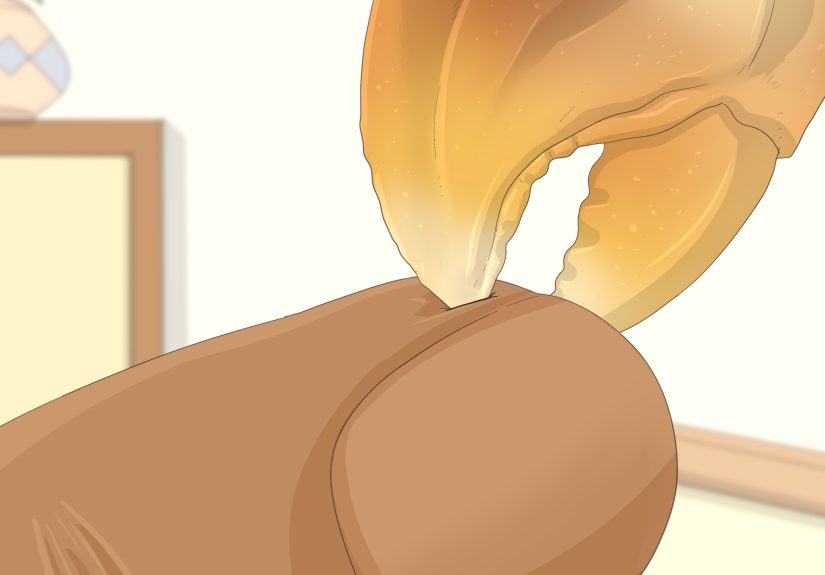
Hermit crabs are best observed more than handled. They may pinch if startled, and falls can injure them badly. When handling is necessary, be gentle, support the shell from behind, and keep them over a soft surface. They are not cuddly pets, and honestly, they did not sign up for a meet-and-greet every afternoon.
Common Hermit Crab Care Mistakes to Avoid
- Keeping one crab alone in a tiny enclosure
- Using gravel instead of deep substrate
- Letting humidity fall too low
- Using untreated tap water
- Offering only one water source
- Providing painted shells only
- Overhandling stressed crabs
- Digging up buried crabs during a molt
- Trusting the tiny beach-shop starter kit more than actual husbandry advice
Most hermit crab problems trace back to husbandry, not bad luck. When the tank is too dry, too shallow, too cramped, or too bare, the crabs are the first to let you know, even if they do it quietly.
Are Hermit Crabs Good Pets?
They can be, but they are not ideal for someone who wants a pet that requires almost no setup. Hermit crabs are best for people who enjoy building and maintaining a micro-habitat and who do not mind pets that are more fun to watch than to hold. They can be fascinating, funny, busy little scavengers with surprising personality, especially at night when the tank comes alive.
They are a poor match for impulse buyers and a much better match for curious keepers who like learning husbandry. In short, hermit crabs are excellent pets for the right person and a terrible purchase for the wrong impulse.
Conclusion
Learning how to care for hermit crabs means understanding that these animals need much more than a cute shell and a pinch of food. A healthy hermit crab habitat includes a real tank, warm temperatures, high humidity, deep substrate, fresh and salt water, safe décor, plenty of extra shells, and a varied diet. Daily care is mostly about consistency: monitor the environment, refresh food and water, clean wisely, and leave molting crabs alone.
Once the setup is correct, hermit crabs become much easier to care for because the habitat starts working with you instead of against you. Get the environment right, and your crabs can spend their time doing what they do best: climbing everything, rearranging shells like picky tenants, and pretending they are tiny tropical adventurers with zero respect for your sleep schedule.
Real-World Hermit Crab Care Experiences and Lessons
Many new hermit crab owners go through the same emotional arc. First comes delight: the crabs are adorable, the shells are charming, and the setup looks simple. Then comes confusion: why are the crabs hiding all day, why is the humidity all over the place, and why does the internet suddenly think you are running a tropical weather station from your living room? After that comes the important part: the realization that good hermit crab care is really about learning systems, not just buying supplies.
One common experience is upgrading the tank almost immediately. A lot of keepers start with a tiny enclosure because that is what was marketed to them, then realize within days that there is no room for proper substrate depth, water pools, shell options, and climbing décor. Once they move the crabs into a larger glass tank with a secure lid, everything gets easier. Humidity stabilizes. The crabs explore more. The whole setup suddenly feels less like a souvenir display and more like an actual habitat.
Another frequent lesson involves humidity. Beginners often assume a quick mist here and there is enough, but stable humidity usually depends on the full setup working together: lid, substrate, water dishes, tank size, room conditions, and airflow. Many owners discover that buying a decent hygrometer changes everything because it replaces guesswork with real numbers. The same thing happens with temperature. Once you can see what is happening, you stop making random corrections and start making smart ones.
Molting teaches patience fast. Few moments in hermit crab keeping are more stressful than when a crab disappears underground for the first time. New owners worry that something has gone wrong, and the temptation to dig is strong. But experienced keepers learn that restraint is part of good care. Often the best thing you can do is maintain the habitat, refresh food and water, and wait. Then one night the crab reappears, slightly larger, looking as if it just returned from a very secret mission.
Shell preferences surprise people too. Owners may buy shells they think look perfect, only to find their crabs completely ignore them. Then one odd shell with the right shape and opening suddenly becomes prime real estate. Over time, many keepers realize shell shopping is less about human taste and more about offering variety. The crab decides what feels right, and the crab does not care whether your favorite shell matches the décor.
Perhaps the biggest shared experience is that hermit crabs become more interesting the better their care gets. In a poor setup, they hide, stall, and seem dull. In a proper habitat, they climb at night, inspect new foods, change shells, dig like professionals, and show real routines and preferences. That shift changes how people feel about them. They stop being “easy little pets” and start becoming complex animals worth understanding. And honestly, that is when hermit crab keeping gets fun.