Table of Contents >> Show >> Hide
- First: Make Sure It’s Not an Emergency
- How to Care for a Sick Puppy: The 15 Steps
- Step 1: Call your vet early (don’t “wait and see” all day)
- Step 2: Set up a calm “sick bay” (quiet, warm, easy to clean)
- Step 3: Isolate your puppy from other pets (especially if parvo is a possibility)
- Step 4: Start a simple symptom log (because your vet will ask)
- Step 5: Check hydration (puppies can dry out fast)
- Step 6: Offer water in small, frequent sips (not a “chug challenge”)
- Step 7: Feed a vet-approved bland diet (and don’t fast young puppies without guidance)
- Step 8: Avoid the classic well-meaning mistakes
- Step 9: Take your puppy’s temperature if your vet suggests it (and do it safely)
- Step 10: Keep food and water bowls clean (and simplify what’s offered)
- Step 11: Handle vomiting/diarrhea like a pro: protect hydration and call for patterns
- Step 12: Give medications exactly as prescribed (no DIY dosing)
- Step 13: Keep your puppy clean and dry (skin irritation gets ugly fast)
- Step 14: Sanitize the environment (especially for suspected contagious illness)
- Step 15: Plan the follow-up and prevention game (because round two is overrated)
- What a Vet Visit Might Look Like (So You’re Not Surprised)
- Quick “Don’t Panic, But Don’t Delay” Checklist
- Conclusion
- Experiences: Real-World Lessons Puppy Parents Commonly Share (About )
Puppies are basically tiny, fuzzy chaos machines. One minute they’re sprinting like a caffeinated squirrel,
the next they’re giving you a dramatic “I am but a fragile flower” stare from the corner of the room.
When your puppy seems sick, your job is part nurse, part detective, and part bouncer (because yes, they will
try to lick something gross again).
This guide walks you through 15 practical steps for sick puppy carewhat you can safely do at home, what you
should absolutely not do, and how to recognize the “nope, we’re going to the vet now” moments.
It’s educational, not a substitute for veterinary careespecially because puppies can go downhill faster than
a toddler who skipped a nap.
First: Make Sure It’s Not an Emergency
If you see any of the red flags below, call your veterinarian or an emergency clinic immediately. If you suspect
poisoning (human meds, chocolate, xylitol, cleaners, pest bait, certain plants), don’t waitcall your vet and/or
ASPCA Poison Control right away.
- Trouble breathing, blue/pale gums, or repeated coughing/choking
- Collapse, extreme weakness, unresponsiveness, or seizures
- Uncontrolled bleeding, severe pain, distended/bloated abdomen
- Repeated vomiting/diarrhea, vomiting blood, or black/tarry stool
- Can’t keep water down, signs of dehydration (dry/tacky gums, sunken eyes)
- Very young puppy, unvaccinated puppy, or suspected parvovirus exposure
- Possible toxin ingestion (including xylitol-containing products)
- Temperature that’s very high or unusually low
How to Care for a Sick Puppy: The 15 Steps
Step 1: Call your vet early (don’t “wait and see” all day)
Start with a phone call. Tell them your puppy’s age, breed/size, vaccination status, and the symptoms you’re seeing
(vomiting, diarrhea, coughing, lethargy, not eating, limping, itching, etc.). Puppies are more vulnerable to
dehydration and contagious disease, so “it’s probably fine” is not a great medical strategy.
Ask what you should do right now, whether your pup needs a same-day exam, and what warning signs mean you should
head to urgent care. If your puppy might have eaten something toxic (like xylitol), treat that as time-sensitive.
Step 2: Set up a calm “sick bay” (quiet, warm, easy to clean)
Choose a small area (crate, playpen, bathroom) with soft bedding and low foot traffic. Keep it comfortably warm,
not sweltering. Sick puppies need rest, and they also need you to stop them from sprinting into trouble.
Use washable blankets or disposable pads/newspaper if there’s vomiting or diarrhea. Your future self will thank you.
Step 3: Isolate your puppy from other pets (especially if parvo is a possibility)
If your puppy has diarrhea, vomiting, or a feverand is not fully vaccinatedassume contagion is possible until your
vet says otherwise. Parvovirus and other GI bugs can spread through feces and contaminated surfaces.
Keep your puppy away from other dogs, shared yards, dog parks, grooming salons, and pet store floors. Use separate
bowls and wash your hands after handling stool, vomit, or bedding.
Step 4: Start a simple symptom log (because your vet will ask)
Track the essentials:
- When symptoms started
- Meals eaten (what/when/how much), water intake
- Vomiting episodes (how many, when, any blood/foreign material)
- Diarrhea frequency and appearance (watery, mucus, blood)
- Energy level (normal, tired, “sad potato”)
- Any known exposures (trash, new treats, dead critter, houseplants, toxins)
If it’s safe and not too gross, a photo of stool/vomit can be surprisingly helpful for your veterinarian.
Step 5: Check hydration (puppies can dry out fast)
Dehydration is a big reason mild tummy issues become emergencies. Watch for tacky/dry gums, sunken eyes, weakness,
and reduced urination. You can gently lift skin over the shoulder blades; if it doesn’t quickly return to normal,
that can suggest dehydration (but it’s not perfect in all breeds).
Offer fresh water often. If your puppy gulps and immediately vomits, or refuses water, call your vet.
Step 6: Offer water in small, frequent sips (not a “chug challenge”)
For mild stomach upset, tiny amounts of water more frequently can be easier than a full bowl. Try:
- Ice cubes to lick
- A tablespoon or two of water every 15–30 minutes (as tolerated)
- Water in a wide, shallow dish (some puppies prefer it)
Don’t force water down a struggling puppy. If they aspirate (inhale fluid), you’ve created a new problem.
If your vet recommends an oral electrolyte solution, follow their instructions exactly.
Step 7: Feed a vet-approved bland diet (and don’t fast young puppies without guidance)
Adult dogs sometimes skip a meal when their stomach is upset, but growing puppies are different. For many puppies,
vets may recommend a temporary bland diet in small, frequent meals. Common options include boiled chicken with rice
or a veterinary gastrointestinal dietyour vet can tell you what’s appropriate for your puppy’s age and condition.
Keep portions small. Think “snack mode,” not “Thanksgiving buffet.” If symptoms worsen or your puppy won’t eat,
call your veterinarian.
Step 8: Avoid the classic well-meaning mistakes
- No human medication (ibuprofen, acetaminophen, cold meds, etc.) unless your vet specifically instructs you.
- No fatty foods (bacon, greasy leftovers) for an upset stomach.
- No milk “because it’s a baby”many dogs don’t tolerate lactose well.
- No essential oils or “detox” products on or around a sick puppy.
- No random supplements unless cleared by your veterinary team.
Step 9: Take your puppy’s temperature if your vet suggests it (and do it safely)
A rectal temperature is the most accurate at home. Use a digital thermometer, lubricant, and gentle handling.
Normal varies, but dogs commonly run warmer than humans. If your puppy’s temperature is very high or unusually low,
that’s a veterinary situationnot a “let’s Google it for three hours” situation.
If you’re not comfortable taking a temperature, tell your vet. They’d rather you skip it than wrestle your puppy
into a stress spiral.
Step 10: Keep food and water bowls clean (and simplify what’s offered)
Wash bowls with hot, soapy water after each use. If vomiting/diarrhea is happening, switch to plain water and the
vet-approved diet onlyno treats, chews, table scraps, or “just one bite” experiments.
If your puppy is picky, ask your vet before adding broths or toppers. Some additives can worsen diarrhea or add
too much sodium.
Step 11: Handle vomiting/diarrhea like a pro: protect hydration and call for patterns
One isolated vomit can happen. Repeated vomiting is differentespecially if there’s lethargy, fever, blood, or your
puppy can’t keep water down. Diarrhea plus vomiting is a dehydration fast-track.
Use your symptom log to spot patterns: “three vomits in two hours” or “watery diarrhea every hour” is useful
information for your veterinarian and may change how urgently you’re seen.
Step 12: Give medications exactly as prescribed (no DIY dosing)
If your vet prescribes anti-nausea meds, dewormers, antibiotics, or pain relief, follow the label instructions and
finish the course unless your vet tells you otherwise. Set phone alarms if you need tobeing consistent matters.
Never double-dose because you “think you missed one.” Call the clinic and ask what to do.
Step 13: Keep your puppy clean and dry (skin irritation gets ugly fast)
Diarrhea can cause painful irritation around the rear. Use warm water and soft cloths to gently clean the area and
pat dry. Avoid harsh soaps or scented wipes. If your puppy is constantly licking or the skin looks red/raw, call
your vetthere may be a safer topical option.
Step 14: Sanitize the environment (especially for suspected contagious illness)
Pick up stool immediately, bag it, and dispose of it securely. Wash bedding on hot. Disinfect hard surfaces.
If your vet suspects something like parvovirus, ask what disinfectant and contact time they recommendparvo is
notoriously tough and requires proper cleaning methods.
Also: wash your hands like you just chopped jalapeños and forgot you wear contact lenses.
Step 15: Plan the follow-up and prevention game (because round two is overrated)
Once your puppy is improving, talk with your vet about:
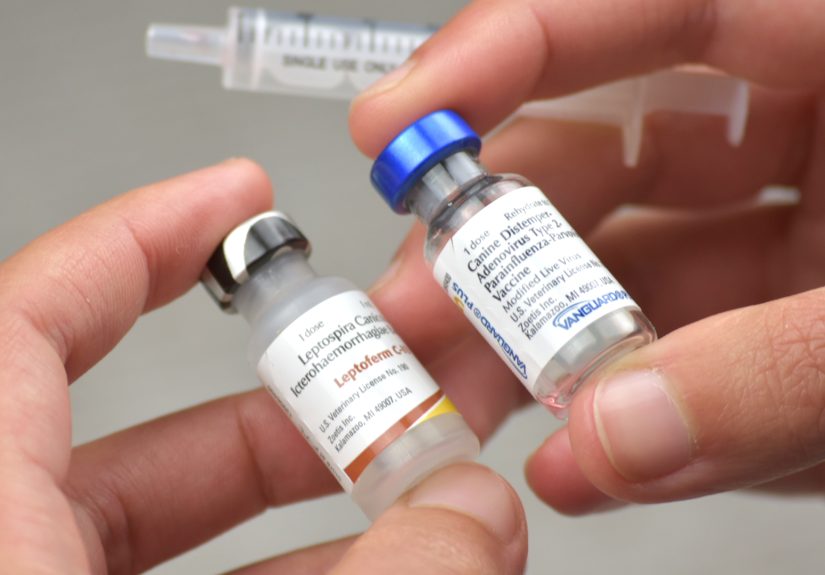
- Vaccination schedule and safe socialization timing
- Fecal testing and parasite prevention (giardia, coccidia, worms)
- Nutrition and feeding routine that supports steady growth
- When it’s safe to return to training classes, daycare, or public places
Prevention isn’t glamorous, but neither is cleaning diarrhea off the rug at 2 a.m.
What a Vet Visit Might Look Like (So You’re Not Surprised)
Depending on symptoms, your veterinarian may do a physical exam, check temperature and hydration, and recommend tests
such as a fecal test (parasites), parvo testing for at-risk puppies, or bloodwork if dehydration or infection is
suspected. Treatment often focuses on supportive carefluids, anti-nausea medication, diet changes, and targeted meds
when a cause is identified.
The goal is simple: stop fluid loss, protect energy and blood sugar, control nausea/pain, and treat the underlying issue.
Quick “Don’t Panic, But Don’t Delay” Checklist
- Call your vet today if your puppy is lethargic, not eating, or symptoms persist beyond a day.
- Go urgent if there’s blood, repeated vomiting/diarrhea, suspected toxin ingestion, collapse, or breathing trouble.
- Assume dehydration risk when vomiting/diarrhea is frequentespecially in small or very young puppies.
Conclusion
Caring for a sick puppy is equal parts comfort, observation, and smart decision-making. Focus on the basics:
reduce stress, protect hydration, feed safely, keep things clean, and involve your veterinarian early.
Most importantly, trust your gutif your puppy looks worse, acts unusually weak, can’t keep water down, or you suspect
poisoning, don’t wait for a “maybe tomorrow.” Puppies are resilient, but they also need timely help.
Experiences: Real-World Lessons Puppy Parents Commonly Share (About )
Puppy illness rarely starts with a dramatic movie moment. It’s usually subtle: a skipped meal, a quieter nap, a single
weird poop that makes you stare at it like it’s modern art. One of the most common “I wish I’d known” lessons puppy
parents share is that patterns matter more than single events. A one-off soft stool after a new treat might be a
minor upset. But soft stool that turns watery, repeats through the day, and comes with low energy? That’s a different
storyand it’s why a simple symptom log can feel like a superpower at the vet.
Another frequent experience: the “helpful snack mistake.” Many people want to cheer up a sick puppy with something
tastybecause love language, obviously. But rich food can backfire. Puppy parents often describe how a greasy bite of
leftover meat turned a mildly upset stomach into a vomiting marathon. The takeaway isn’t “never share joy,” it’s
“sick days are bland-diet days.” When puppies are already irritated in the gut, simplicity is kindness.
Then there’s the hydration wake-up call. Plenty of owners report being surprised by how quickly a puppy can dehydrate.
A small pup can go from “meh” to “please carry me like royalty” within hours if vomiting and diarrhea stack up.
That’s why many people learn to offer water in tiny sips, use ice cubes as a low-effort option, and call the vet
sooner when water won’t stay down. A common turning point is realizing that “they drank a little” isn’t the same as
“they’re hydrated,” especially if the water keeps coming right back up.
A fourth theme is the contagious-disease scareparticularly for puppies that aren’t fully vaccinated. Puppy parents
often describe the stress of hearing “parvo” mentioned, then immediately wishing they had avoided risky public places
sooner. Even when it isn’t parvo, the experience tends to change behavior: fewer high-traffic dog areas until vaccines
are complete, more cleaning of paws after outdoor potty breaks, and greater caution about shared water bowls.
Finally, many people talk about the emotional side: feeling guilty for not noticing sooner, or feeling silly for calling
the vet “over nothing.” The truth is, calling early is rarely a mistake. Puppy parents often say their biggest regret
wasn’t being overly cautiousit was waiting because they didn’t want to overreact. If there’s one practical, experience-based
lesson to keep: when your puppy is sick, you’re allowed to be the responsible adult in the relationship. Your puppy will
still love you. Possibly more, because you’re the one with the blankets.