Table of Contents >> Show >> Hide
- Why Traffic Light Safety Matters
- 13 Steps to Be Safe at Traffic Lights
- 1. Slow Down as You Approach the Intersection
- 2. Stop Fully at Red Lights
- 3. Treat Yellow Lights as a Warning, Not a Challenge
- 4. Look Left, Right, and Left Again Before Moving
- 5. Never Assume Drivers See You
- 6. Follow Pedestrian Signals Correctly
- 7. Be Extra Careful With Right Turns on Red
- 8. Watch for Left-Turning Vehicles
- 9. Stay Out of Blind Spots
- 10. Put Away the Phone
- 11. Make Yourself Visible
- 12. Do Not Block the Box
- 13. Report Broken or Confusing Signals
- Traffic Light Safety Tips for Different Road Users
- Common Mistakes People Make at Traffic Lights
- Real-Life Experiences and Practical Lessons About Traffic Light Safety
- Conclusion: Safety at Traffic Lights Starts With Attention
- SEO Tags
Traffic lights look simple: red means stop, green means go, yellow means “please do not audition for a car chase.” But intersections are some of the busiest, most unpredictable places on the road. Drivers are turning, pedestrians are crossing, cyclists are balancing speed with visibility, and someone in a hurry is almost always trying to “make the light.”
Learning how to be safe at traffic lights is not just about memorizing colors. It is about reading the whole intersection, expecting mistakes, obeying signals, staying visible, and leaving yourself enough time to react. Whether you drive, walk, bike, ride a scooter, or occasionally sprint across the street holding coffee like an Olympic torch, these 13 practical steps can help you move through signalized intersections with more confidence and fewer close calls.
Why Traffic Light Safety Matters
Traffic lights are designed to organize movement, but they do not magically remove risk. A green light gives permission to proceed only when the intersection is clear. A walk signal helps pedestrians cross, but turning drivers may still create conflict. A red light should stop traffic, yet red-light running remains a serious cause of crashes in the United States.
The safest road users treat every traffic light as a decision point, not a decoration. They slow their thinking down before the intersection, scan carefully, and avoid assumptions. In other words, they drive, walk, and ride like everyone else might do something weirdbecause eventually, someone will.
13 Steps to Be Safe at Traffic Lights
1. Slow Down as You Approach the Intersection
Safety at traffic lights begins before you reach the stop line. As you approach, ease off the accelerator, check your mirrors, and look ahead for signal changes, brake lights, pedestrians, and turning vehicles. This gives you time to stop smoothly if the light changes.
Do not treat a green light as a guarantee. A vehicle may still be clearing the intersection, a pedestrian may still be in the crosswalk, or an emergency vehicle may be approaching. Slowing your mental pace is just as important as slowing your vehicle.
2. Stop Fully at Red Lights
A rolling stop is not a stop. At a red light, come to a complete stop before the stop line, crosswalk, or intersection. Stopping too far forward can block pedestrians and force them into a dangerous path. Stopping too late can put your vehicle where cross traffic expects open space.
For pedestrians and cyclists, the same idea applies: do not enter the intersection against a red signal or steady “Don’t Walk” symbol. Even when the road looks clear, a vehicle can appear quickly, especially on wide urban roads or multi-lane intersections.
3. Treat Yellow Lights as a Warning, Not a Challenge
A yellow light means the signal is about to turn red. If you can stop safely, stop. Do not accelerate to “beat” the light. That tiny time savings is not worth the risk of entering the intersection late and meeting cross traffic that has just received a green.
Of course, slamming on the brakes can create a rear-end crash if another vehicle is too close behind you. The goal is judgment: if you are close enough that stopping would be unsafe, proceed carefully. If you have room to stop, stop. Yellow is a warning, not a dare.
4. Look Left, Right, and Left Again Before Moving
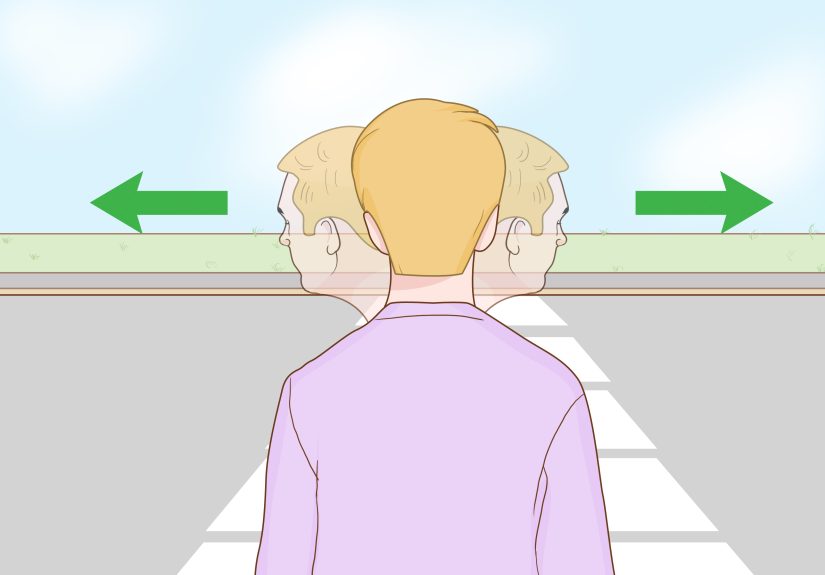
When the light turns green, pause for a breath and scan. Look left, right, then left again before entering. This is especially important during the first few seconds of a green light because that is when red-light runners are most likely to enter from the side.
This quick scan can also help you spot pedestrians still finishing a crossing, cyclists entering the lane, or vehicles turning unexpectedly. It may feel like a small habit, but small habits are the seat belts of decision-making.
5. Never Assume Drivers See You
Pedestrians and cyclists should never assume that a driver has made eye contact or understood their movement. Large vehicles, sun glare, rain, nighttime lighting, blind spots, and phone distraction can all reduce a driver’s awareness.
If you are walking, make yourself visible and predictable. Stand back from the curb while waiting. Cross at marked crosswalks when available. Watch turning vehicles carefully, especially trucks and buses that need more room and may swing wide around corners.
6. Follow Pedestrian Signals Correctly
A steady “Walk” symbol means pedestrians may begin crossing, but they should still look for turning vehicles. A flashing hand or countdown usually means you should not start crossing if you have not already begun. If you are already in the crosswalk, continue to the other side or a safe median.
Countdown timers are helpful, but they are not invitations to play “beat the clock.” If the countdown is already low and you have not started crossing, wait for the next cycle. Your appointment can survive one more red light. Your body may not enjoy arguing with a bumper.
7. Be Extra Careful With Right Turns on Red
In many U.S. locations, drivers may turn right on red after stopping unless a sign prohibits it. But “allowed” does not mean “automatic.” You must stop fully, check for signs, yield to pedestrians, yield to cyclists, and wait for a safe gap in traffic.
The most common mistake is looking left for cars while forgetting to look right for pedestrians or cyclists crossing from the sidewalk. Before turning, scan both directions and check the crosswalk directly in front of you. If visibility is poor, wait.
8. Watch for Left-Turning Vehicles
Left turns at traffic lights are a major conflict point. A driver turning left may be watching oncoming vehicles and may not notice a pedestrian in the crosswalk. If you are driving, yield to pedestrians and oncoming traffic before turning. If you are walking, keep an eye on vehicles that are angled toward your path.
Protected green arrows reduce conflict, but they do not eliminate the need to scan. A green arrow means you may turn in the indicated direction, but you still need to watch for unexpected road users, emergency vehicles, and people finishing a crossing.
9. Stay Out of Blind Spots
Blind spots are especially dangerous at traffic lights because vehicles are often bunched together. Trucks, buses, delivery vans, and large SUVs can hide pedestrians, cyclists, and smaller vehicles from view.
If you are walking or biking, avoid waiting directly beside a large vehicle at the corner. If you cannot see the driver’s mirrors, the driver may not see you. If you are driving, take extra care before turning near large vehicles because someone may be hidden behind them.
10. Put Away the Phone
Distracted driving, walking, and biking all increase risk at traffic lights. A phone steals visual attention, manual control, and mental focus. That is a terrible trade at an intersection where conditions change every second.
Drivers should put the phone away before reaching the intersection. Pedestrians should pause music, look up, and listen before crossing. Cyclists should keep both hands ready and avoid texting while rolling. Your message can wait; the crosswalk cannot pause.
11. Make Yourself Visible
Visibility matters during the day and becomes critical at night, in rain, fog, snow, or heavy traffic. Pedestrians can wear bright or reflective clothing and carry a small light after dark. Cyclists should use front and rear lights, reflectors, and predictable lane positioning.
Drivers can help by turning on headlights in low visibility and keeping windshields, mirrors, and lights clean. A dirty windshield at sunset can turn a normal intersection into a glowing video game nobody wanted to play.
12. Do Not Block the Box
Only enter an intersection when you have enough room to clear it. If traffic is backed up on the other side, wait behind the line even if your light is green. Blocking the intersection traps cross traffic, frustrates pedestrians, and can create a messy chain reaction.
This rule is especially important in downtown areas, near schools, and around railroad crossings. A green light is not permission to park in the middle of everyone else’s problem.
13. Report Broken or Confusing Signals
If a traffic light is dark, flashing unexpectedly, blocked by tree branches, turned the wrong direction, or missing a pedestrian signal, report it to the local transportation department, city service line, or police non-emergency number. A small signal problem can become a major safety hazard.
When a signal is not working, treat the intersection according to local law. In many places, a dark signal is treated like an all-way stop, but rules can vary. Slow down, communicate with other road users, and proceed only when safe.
Traffic Light Safety Tips for Different Road Users
For Drivers
Drivers should approach every signalized intersection with patience. Scan crosswalks, check mirrors, watch for cyclists, and avoid aggressive acceleration. If another driver honks because you are waiting for a pedestrian, let them honk. A horn is loud, but it is not legal advice.
For Pedestrians
Pedestrians should cross at intersections and marked crosswalks whenever possible. Wait for the walk signal, make sure traffic is stopping, and continue watching as you cross. Avoid stepping into the road from behind parked cars, buses, or signs that block visibility.
For Cyclists
Cyclists should obey traffic signals, ride with the flow of traffic, and be predictable. At red lights, stop where drivers can see you, not hidden along the curb beside a turning truck. Use hand signals when turning and make eye contact when possible, but do not depend on it.
For Parents and Caregivers
Children learn traffic behavior by watching adults. Use traffic lights as teaching moments: stop at the curb, look all ways, wait for the walk signal, and explain why you are waiting. The goal is not to scare children but to build automatic safety habits early.
Common Mistakes People Make at Traffic Lights
One common mistake is assuming that “green” means “safe.” Green means you may go when the intersection is clear. Another mistake is starting across the street during the final seconds of a countdown timer. It may feel efficient, but it leaves little margin for slow walking, turning cars, or unexpected obstacles.
Drivers often make the mistake of focusing only on other vehicles. At modern intersections, safety means watching for everyone: pedestrians, cyclists, scooter riders, wheelchair users, runners, delivery workers, and people with strollers. The road is not a private driveway with better lighting.
Another mistake is impatience. Many risky intersection decisions come from trying to save a few seconds: rushing a yellow, rolling through a right turn, blocking the box, or stepping off the curb too early. Traffic lights reward patience. They may not reward it with applause, but they often reward it with everyone arriving in one piece.
Real-Life Experiences and Practical Lessons About Traffic Light Safety
Most people do not learn traffic light safety from a textbook. They learn it from moments that make the heart jump into the throat. One common experience happens when a driver is first in line at a red light. The light turns green, the driver starts forward immediately, and suddenly another car shoots through the intersection from the left. Maybe that driver was distracted. Maybe they misjudged the yellow. Maybe they believed the laws of physics were negotiable. Whatever the reason, the lesson is unforgettable: wait half a second and scan before moving.
Pedestrians have their own version of this story. Imagine standing at a corner, getting the walk signal, and stepping forward just as a vehicle turns right on red. The driver may be looking left for traffic and never glance right until the last second. This is why experienced walkers often pause, look at the turning vehicle’s front wheels, and make sure it is truly stopping before entering the crosswalk. The walk signal gives you the right to cross, but your eyes provide the backup system.
Cyclists often learn traffic light safety at intersections with large vehicles. A bike rider may pull up beside a bus or truck at a red light, assuming the driver knows they are there. When the light changes, the larger vehicle turns right, creating a dangerous squeeze. The safer habit is to avoid lingering in blind spots, take a visible lane position when appropriate, and never assume a driver of a large vehicle can see a cyclist beside the curb.
Parents often become more careful at traffic lights after walking with children. A child may see the walk symbol and rush forward without noticing a turning car. That moment teaches adults to use simple routines: stop at the curb, hold hands, look left-right-left, watch for turning vehicles, and cross without running. Children copy what they see, so adults who jaywalk, stare at phones, or rush countdown signals are accidentally teaching risky lessons.
Drivers also gain experience from bad weather. Rain can blur lane markings, headlights can reflect on wet pavement, and pedestrians in dark clothing may become difficult to see. In those conditions, a careful driver slows earlier, increases following distance, and checks crosswalks twice. A careful pedestrian waits for a clear stop from approaching traffic rather than trusting that every driver can see through glare and windshield streaks.
Another practical lesson comes from downtown traffic. During rush hour, a green light may appear, but the far side of the intersection is already jammed. Impatient drivers enter anyway and end up blocking cross traffic when the light changes. Everyone gets stuck, horns perform their angry little concert, and pedestrians weave between cars. The better choice is simple: do not enter unless there is room to exit. It feels slower for five seconds and smarter for the next five minutes.
These experiences all point to the same truth: traffic light safety is not about being timid. It is about being aware. The safest people at intersections are not necessarily the slowest; they are the ones who leave space for human error. They understand that signals control traffic, but attention prevents crashes. A little patience, a full stop, a second look, and a phone kept away can turn an ordinary intersection into a much safer place.
Conclusion: Safety at Traffic Lights Starts With Attention
Traffic lights are one of the most familiar parts of daily travel, which is exactly why people underestimate them. The routine can make us careless. But every red, yellow, green, walk symbol, countdown, and turn arrow is a chance to make a safer choice.
To be safe at traffic lights, slow down, stop fully, scan before moving, obey pedestrian signals, watch for turning vehicles, avoid distractions, and stay visible. Whether you are behind the wheel, on a bike, or crossing on foot, the best safety tool is not the signal itself. It is your attention.
In traffic, being right is good. Being seen, patient, and alive is better.