Table of Contents >> Show >> Hide
- The Short Answer: What Most Neighbors Consider Reasonable
- Why There Is No Single National Rule
- The Two Timelines That Matter
- What Actually Annoys Neighbors
- How to Keep the Peace and Still Enjoy the Lights
- Safety Matters More Than Aesthetics
- Special Cases: When the Rules Change a Little
- The Best Rule of All: Leave People Smiling, Not Sighing
- Real-World Experiences: What This Looks Like on Actual Streets
- Conclusion
Outdoor Christmas lights are one of the few things that can make a dark December street feel downright magical. A little sparkle on the porch? Charming. A tasteful roofline glow? Lovely. A full-blown laser show at 1:17 a.m. on a Tuesday while someone’s inflatable Santa wheezes in the yard? That is how neighborhood legends begin, and not in the flattering way.
So how long can you keep outdoor Christmas lights on without annoying neighbors? The most honest answer is this: long enough to spread cheer, but not so long that your display starts interfering with sleep, routines, or common sense. In practical terms, that usually means turning them off around 10 p.m. on weeknights, stretching to about 11 p.m. on weekends or holiday gatherings, and wrapping up the season sometime between New Year’s Day and early January. Leave them up forever if you want, but know that there is a point where “festive” quietly changes into “sir, it is almost Valentine’s Day.”
The Short Answer: What Most Neighbors Consider Reasonable
If you want a simple rule you can actually use, here it is: keep your outdoor Christmas lights on after sunset until about 10 p.m. most nights. If it is Friday, Saturday, or you are hosting people, 11 p.m. is usually still within the bounds of civilized holiday joy. Midnight is your outer edge unless your neighborhood is already the kind of place where everyone treats December like a friendly light festival.
Seasonally, the safest social window is from the day after Thanksgiving through New Year’s Day or January 6. If you leave lights up for a week or two after New Year’s, most people will not bat an eye. If the display is still blazing deep into late January, people may not complain to your face, but they may begin discussing you while bringing in the recycling bin. And that is rarely the holiday legacy anyone wants.
Why There Is No Single National Rule
Here is the tricky part: there is no universal American law that says, “Thou shalt unplug the reindeer at exactly 10:03 p.m.” What exists instead is a patchwork of local expectations, HOA rules, nuisance standards, and plain old neighbor tolerance. In some communities, a soft white display that stays on all night barely registers. In others, flashing lights, loud music, or displays that pull traffic onto the block can trigger complaints fast.
That is why the smartest approach is not asking, “What can I get away with?” but rather, “What feels considerate where I live?” Holiday decorating is one of those areas where emotional intelligence beats technical compliance every time. You can be legally allowed to do something and still be one group text away from becoming “that house.”
The Two Timelines That Matter
1. The Nightly Timeline
The nightly question matters more than the calendar question. Most neighbors do not care that much if your lights are up through the first week of January. They care very much if the display blinks into their bedroom window until dawn.
A good rhythm looks like this:
- 5 p.m. to 10 p.m.: Almost always fine in December.
- 10 p.m. to 11 p.m.: Usually acceptable, especially on weekends.
- After 11 p.m.: Best reserved for subtle displays, not flashing, color-changing, or musical ones.
- Overnight: Fine only if the lighting is very soft, shielded, and unlikely to spill into nearby homes.
If your display includes synchronized music, animated inflatables, projection effects, or enough brightness to help astronauts locate your driveway, shut it down earlier. The fancier the setup, the shorter the socially acceptable operating window.
2. The Seasonal Timeline
Most Americans still think of outdoor Christmas lights as a “holiday season” decoration, not a year-round personality trait. That means the usual neighborhood-friendly window begins around Thanksgiving weekend, peaks in December, and fades in early January.
There is some flexibility here. Plenty of people start early because decorating is work, weekends are limited, and no one wants to freeze on a ladder the week before Christmas. Plenty of people also leave lights up past New Year’s because taking everything down while eating leftover cookies feels like emotional overachievement.
Still, there is a difference between a graceful exit and a long goodbye. Here is a good standard:
- Best etiquette window: Thanksgiving weekend through New Year’s Day
- Still normal: Through the first week of January
- Usually tolerated: One to two weeks after New Year’s if the display is not over-the-top
- Starting to test the neighborhood: Late January and beyond
If you love winter lights and do not want the sparkle to end, there is a compromise: remove obviously Christmas-specific decor like Santas, candy canes, and giant ornaments, then keep simple warm white lights for the rest of the season. That reads less “Christmas in perpetuity” and more “cozy winter ambiance.” Huge difference. Same extension cord.
What Actually Annoys Neighbors
It is rarely the existence of lights alone. It is the way they are used. Most neighbor complaints come from one of five things.
Brightness and Glare
Lights become annoying when they cross from your property into someone else’s experience. If they shine into a bedroom, reflect off a neighbor’s window, or create a constant glow across the street, you are no longer decorating. You are exporting your enthusiasm.
Warm, lower-level lighting is generally easier on the eyes than icy blue-white bulbs or high-output flood-style setups. Think “twinkle and glow,” not “airport runway.”
Flashing Effects
Steady lights are usually easier to live with. Fast blinking, chasing sequences, and constantly changing colors can feel fun for the first 90 seconds and exhausting by the third hour. If your display moves like a casino sign, shorten the schedule.
Music
Nothing says “holiday conflict” like an outdoor speaker blasting carols into the cul-de-sac. If your display includes music, use a low-impact setup or a tune-in radio option instead of broadcasting to the whole block. Not everyone wants to hear “Jingle Bell Rock” while they are trying to get a toddler back to sleep.
Traffic and Noise
A famous display can create a surprising amount of chaos. Cars slow down. People park in front of neighboring driveways. Kids shout. Dogs bark. Suddenly your cheerful wreath has a crowd-control problem. If your setup attracts visitors, you need to think beyond your own yard and consider how it affects the whole street.
Ignoring the Neighborhood Vibe
Every block has its own style. Some are delightfully theatrical. Others lean quiet and tasteful. Going wildly bigger than everyone else is not automatically wrong, but it does increase the odds that your display will feel intrusive rather than charming. Read the room. Or, in this case, read the cul-de-sac.
How to Keep the Peace and Still Enjoy the Lights
Use Timers Like a Responsible Festive Adult
Timers are the easiest fix in the world. Set your lights to come on at dusk and shut off at a predictable hour. This prevents the classic “Oops, the lights are still on at 2 a.m.” problem and makes your display feel intentional rather than chaotic.
Choose Warm LEDs
LED lights are easier on your electric bill, hold up well outdoors, and perform well in cold weather. Warm white LEDs are especially useful when you want a display that feels inviting instead of aggressive. This is one of those rare home choices that is good for your budget, your curb appeal, and your chances of staying off the neighborhood Facebook page.
Aim Lights at Your House, Not the Entire Zip Code
If you use spotlights, projectors, or pathway lighting, keep beams directed where they belong. Avoid spilling light across property lines. “Light trespass” sounds dramatic, but the concept is simple: if your holiday glow is landing where it is not wanted, it is a problem.
Ask Before You Go Big
If you are planning a large setup, especially one with music or heavy traffic, give immediate neighbors a heads-up. This tiny act of communication solves a shocking number of problems. People are much more patient when they feel respected.
Adjust for Real-Life Neighbors
Do you live next to a family with a newborn? An older neighbor who goes to bed early? Someone who works overnight shifts and sleeps during odd hours? Holiday spirit is not reduced by being observant. In fact, that is what makes it neighborly.
Safety Matters More Than Aesthetics
There is another reason not to leave outdoor Christmas lights running endlessly: safety. Outdoor lights should be rated for outdoor use, cords should be in good shape, connections should stay dry, and outlets should be protected properly. If you are using extension cords, they also need to be suitable for the setting. Frayed wires, overloaded circuits, and sloppy setups are not just messy. They can be dangerous.
You should also turn lights off when you go to bed or leave the house. Yes, it is less romantic than imagining your home twinkling heroically through the night. It is also a lot smarter. A timer helps here too, because memory is unreliable in December, especially after cookies, travel, gift wrapping, and pretending your shopping is “basically done.”
Special Cases: When the Rules Change a Little
If You Live in an HOA
Check the rules before you hang a single strand. Some HOAs care about dates. Some care about color, placement, sound, or brightness. Some are relaxed. Some operate like a cheerful branch of the Ministry of Seasonal Compliance. Either way, reading the rules now is easier than arguing later.
If You Live in an Apartment or Townhouse
Shared walls and tighter spacing mean courtesy matters even more. Keep balcony and window lights subtle, avoid dangling cords, and be extra careful with flashing displays. In dense housing, a little goes a long way.
If You Want Lights All Winter
You can usually get away with it if you simplify the look. White string lights on shrubs in January can feel elegant and seasonal. A giant inflatable sleigh in February feels like something has gone very wrong.
The Best Rule of All: Leave People Smiling, Not Sighing
If your display makes passersby grin, children point excitedly, and neighbors still sleep well, you have nailed it. That is the sweet spot. Outdoor Christmas lights do not need to disappear the second the wrapping paper hits the curb, but they should not overstay their welcome either.
The goal is not to win a battle over how long is technically acceptable. The goal is to make your home look joyful while still being a good neighbor. That usually means lights on in the evening, off before they become disruptive, and packed away by early January unless you have transitioned to simple winter lighting.
In other words: be festive, not relentless.
Real-World Experiences: What This Looks Like on Actual Streets
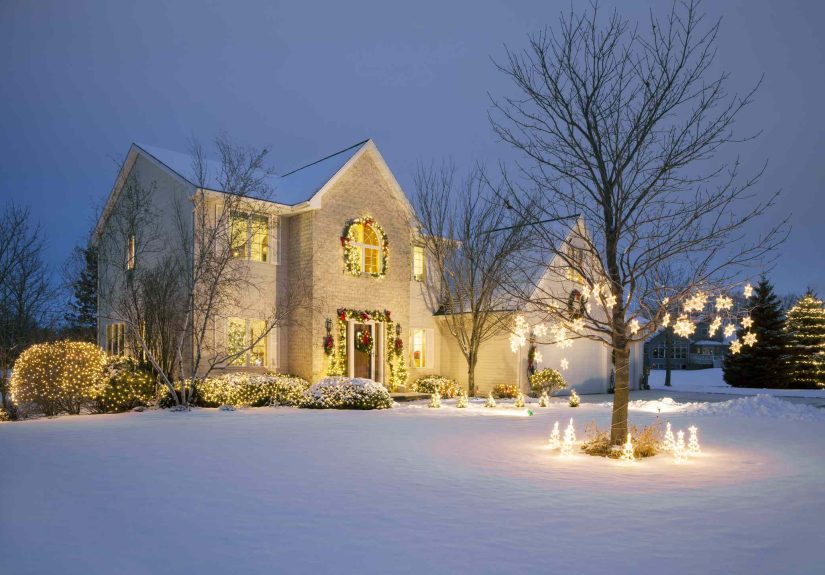
Talk to enough homeowners and the same themes come up over and over again. One family puts up a clean, classic display every year: warm white lights on the roofline, a wreath on the door, and a timer that shuts everything off at 10 p.m. sharp. Nobody complains. In fact, neighbors mention how much they look forward to it. Why? Because it is predictable, pretty, and easy to live with. It adds charm without demanding attention.
Now compare that with the house a few blocks over that goes full holiday spectacular. There are color-changing lights, projection snowflakes, music, and a front yard that looks like Santa opened a theme park franchise. During the first week, everybody loves it. Kids beg their parents to drive by. Grandparents take pictures. Then the second week arrives, followed by the third, and the lights are still flashing past 11:30 p.m. on school nights. Suddenly the mood changes. The display itself did not become worse. It just kept going long past the point where delight turned into fatigue.
Another common story comes from neighborhoods with young families. Parents often do not mind decorated houses at all. What they mind is bright, blinking bedroom-facing lights that make bedtime harder. A homeowner may think, “It is only a few strands,” while the neighbor across the way is thinking, “My child has now asked if Santa lives in your maple tree.” That is why subtle aiming and early shutoff matter more than people realize.
Then there is the January problem. Plenty of people are busy after the holidays. Travel, work, school starting again, bad weather, and general post-December exhaustion can delay takedown. Most neighbors understand that. A display staying up through the first week of January usually reads as normal life. Even the second week often gets a pass. But once the decorations still look fully Christmas-specific later in the month, the story people tell themselves changes. Instead of “They have not had time yet,” it becomes “Are they just… keeping it?”
The most successful long-running setups usually adapt. Homeowners who love winter sparkle often remove the obviously Christmas pieces right after New Year’s and leave only soft white lights on trees or shrubs. That shift works beautifully because it stops feeling like a holiday display and starts feeling like seasonal outdoor lighting. Same glow, fewer side-eyes.
One of the smartest experiences homeowners share is also the simplest: talking to neighbors first. People who mention, “Hey, we are doing a bigger light setup this year, but it will shut off at 10:30,” tend to get far more goodwill than people who surprise the whole street with a blinking holiday opera. Communication turns potential irritation into cooperation. It also gives neighbors a chance to mention practical issues, like a bedroom window that catches glare or a driveway that gets blocked when visitors stop.
The lesson from all these experiences is wonderfully unglamorous. The houses that keep their holiday magic without annoying anyone are not always the smallest displays or the fanciest ones. They are the displays run by people who remember they live in a neighborhood, not on a movie set.
Conclusion
So, how long can you keep outdoor Christmas lights on without annoying neighbors? Long enough to celebrate the season, short enough to respect the people around you. That usually means lights off around 10 p.m. on most nights, maybe 11 p.m. on weekends, and the full display packed away by early January. If you want to stretch the sparkle, transition to simple winter lights and retire the obviously Christmas-specific decor.
Holiday lights are supposed to create warmth, joy, and a little wonder in the dark part of the year. The easiest way to preserve that magic is surprisingly simple: keep the glow, lose the glare, and remember that the best decoration on any street is still basic consideration.