Table of Contents >> Show >> Hide
- Why Winterizing an Apartment Matters
- Start With Your Lease and a Quick Apartment Inspection
- Seal Drafts Without Risking Your Security Deposit
- Use Your Heating System More Effectively
- Protect Pipes, Water Lines, and Wet Areas
- Prepare for Power Outages and Winter Storms
- Stay Safe With Heaters, Cooking, and Carbon Monoxide
- Small Comfort Upgrades That Make Winter Easier
- A Renter-Friendly Winterizing Checklist
- Real Renter Experiences and Lessons From Winter Apartment Living
- Final Thoughts
- SEO Tags
Winter has a funny way of finding every weak spot in an apartment. One drafty window becomes a personal vendetta. A tile floor turns into an ice rink for your socks. And somehow your heating bill starts behaving like it has bigger dreams than you do. The good news is that winterizing a rental does not require a toolbox the size of a pickup truck or a landlord who texts back in under two minutes.
If you rent, you can still make your apartment warmer, safer, and cheaper to heat using smart, low-risk changes that are easy to reverse when your lease ends. The trick is knowing which fixes are renter-friendly, which problems belong to maintenance, and which winter habits can save you from frozen pipes, power-outage chaos, and that classic seasonal mood known as “Why is my living room colder than the hallway?”
This guide walks through practical apartment winterization for renters, from sealing drafts and managing heat to protecting plumbing and preparing for storms. You will also find real-world examples and renter experiences at the end, so this is not just theory wrapped in cozy language. It is a full winter survival plan for people with leases, security deposits, and zero interest in losing either.
Why Winterizing an Apartment Matters
Winterizing your apartment is about more than comfort. Yes, it helps you stop shivering while making coffee, but it also supports energy efficiency, lowers heating costs, reduces strain on your heating system, and helps prevent cold-weather emergencies. Even in buildings with central heat, drafty windows, unsealed doors, and poorly insulated rooms can make one side of the apartment feel tropical while the bedroom feels like a light punishment.
For renters, the challenge is balancing comfort with lease rules. You probably cannot replace old windows, re-insulate walls, or install a new thermostat without permission. What you can do is focus on temporary window insulation, weatherstripping, heavy curtains, thick rugs, draft stoppers, smart furniture placement, and communication with management before small issues become winter disasters.
In other words, the renter’s version of winter prep is less “renovation project” and more “strategic cozy engineering.”
Start With Your Lease and a Quick Apartment Inspection
Before you buy anything, inspect your apartment like a detective with a blanket. Walk around on a cold morning and check for drafts near windows, balcony doors, exterior walls, electrical outlets, and baseboards. If one corner of the room feels suspiciously like the outdoors, it probably needs attention.
Look for These Common Winter Problems
- Cold air coming through window edges or sliding doors
- Condensation collecting on glass or windowsills
- Rooms that never seem to warm up
- Whistling or air movement under doors
- Radiators, vents, or baseboard heaters blocked by furniture
- Pipes near exterior walls, under sinks, or in laundry closets
- Smoke detector or carbon monoxide detector batteries that need replacing
Check What the Lease Says
Your lease may spell out who handles filters, snow-related issues, emergency maintenance, or damage prevention. Some buildings are responsible for HVAC service and weather-related repairs, while tenants are expected to report drafts, leaks, or heating problems promptly. That last part matters. If you wait until a pipe freezes or the heater stops on the coldest night of the year, you are no longer “monitoring the situation.” You are starring in it.
Make a short written list of anything that seems structural, such as cracked window seals, broken locks, loose door sweeps, malfunctioning heat, water intrusion, or visible gaps in frames. Send it to maintenance early. Winter is easier when you are proactive instead of dramatically wrapped in two comforters emailing photos at midnight.
Seal Drafts Without Risking Your Security Deposit
If your apartment leaks air like a gossip leaks secrets, draft control is your first priority. Small gaps make a surprisingly big difference in comfort, especially around windows and doors.
Use Temporary Window Insulation
Window insulation film is one of the best renter-friendly winter upgrades. It creates a clear barrier that traps air between the film and the window, which helps reduce heat loss and cut down on noticeable drafts. It is especially helpful in older apartments with single-pane windows or those charming historic buildings that come with “character,” which is real estate language for “you may hear the wind having opinions.”
Choose a kit designed for temporary indoor use. Apply it cleanly to the window frame, not the glass itself if the product instructions say otherwise, and test a small area first if you are worried about delicate paint. When installed properly, the film is barely noticeable and can make a real difference in comfort.
Add Thermal Curtains
Heavy, floor-length curtains help block drafts and hold warm air inside, especially at night. During sunny winter days, open them to let natural light and warmth in. Close them in the evening to create another barrier between your heated room and the cold glass. It is a simple habit, but it works.
Stop Air Under Doors
A draft stopper under your front door or balcony door is cheap, easy, and satisfying. Some slide under the door, while others sit against the threshold like a loyal fabric sausage with a purpose. Either way, they reduce cold air infiltration and help rooms stay warmer.
Try Removable Weatherstripping
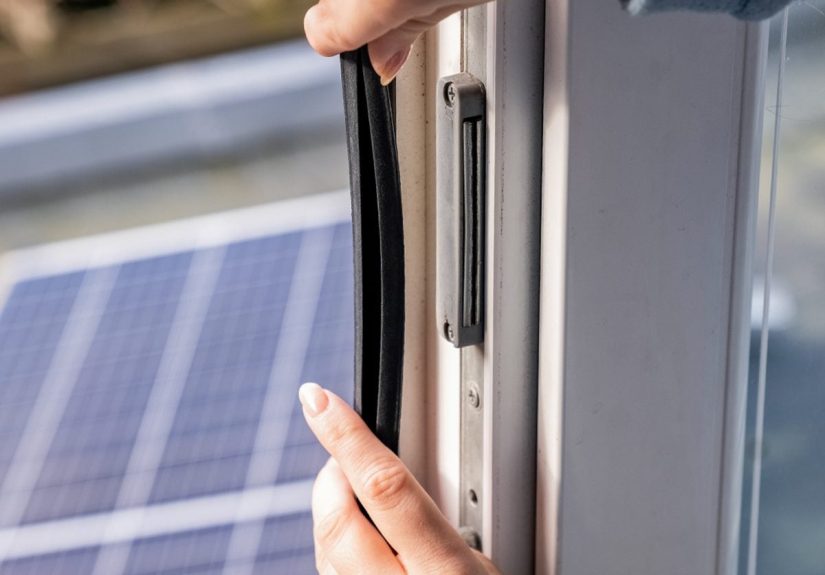
For windows or doors with movable gaps, removable weatherstripping can help seal leaks. Pick renter-safe options that are meant to come off cleanly. Avoid permanent adhesives unless your landlord approves them. A tiny strip of foam can do more for your apartment than an inspirational mug and three candles combined.
Warm the Floor and Exterior Walls
Thick area rugs help reduce the chilly feel of hardwood, laminate, or tile floors. In especially cold rooms, placing bookshelves, fabric wall hangings, or larger furniture on exterior-facing walls can slightly improve comfort by creating another layer between you and the cold surface. It is not magic, but it is practical.
Use Your Heating System More Effectively
Winterizing is not just about keeping cold air out. It is also about making your heating system work smarter.
Do Not Block Heat Sources
Move sofas, curtains, storage bins, and beds away from radiators, vents, and baseboard heaters. When heat gets trapped behind furniture, your apartment warms unevenly and the system works harder than it should. If you have a radiator, give it room to do its job instead of treating it like an accidental side table.
Ask About Filter Changes
If your unit has a furnace or HVAC closet, find out whether you or the landlord is responsible for changing filters. Dirty filters can reduce airflow and efficiency. In some buildings, maintenance handles this automatically. In others, tenants are expected to report it or replace the filter on schedule.
Use the Thermostat Strategically
If you control your thermostat, resist the urge to swing it wildly between extremes. A steady, reasonable temperature is often better for comfort and for avoiding plumbing problems. If you are leaving town during freezing weather, do not shut the heat off completely. Keeping the apartment safely heated can help prevent frozen pipes, especially in older buildings or units with plumbing on exterior walls.
Reverse Ceiling Fans if You Have Them
Some ceiling fans have a reverse setting that pushes warm air down. In winter, that can make rooms feel more comfortable without cranking the thermostat higher. It is one of those tiny switches people ignore for years and then act shocked when it turns out to be useful.
Protect Pipes, Water Lines, and Wet Areas
Frozen pipes are one of the biggest cold-weather risks in rental housing. Even if you live in an apartment rather than a detached home, pipes can still freeze in exterior walls, under sinks, in laundry closets, near poorly insulated windows, or in units that lose heat during a storm.
Open Sink Cabinets on Very Cold Nights
If the plumbing under your kitchen or bathroom sink sits against an exterior wall, opening the cabinet doors can help warm room air circulate around the pipes. This is especially helpful when temperatures drop sharply.
Let Faucets Drip if Management Recommends It
In some severe cold snaps, building management may advise residents to let faucets drip slightly to reduce pressure in the pipes. Follow building instructions rather than improvising. If your landlord sends a winter weather memo, actually read it. This is one of the rare times a property email may improve your life.
Know Where to Report Problems Fast
Keep the maintenance number handy. If pipes freeze, water pressure drops suddenly, or you spot moisture, act immediately. Water damage moves fast, and so does regret. If a pipe bursts, knowing whether the building has an emergency line can save you from a truly miserable cleanup.
Prevent Bathroom Moisture Issues
Winter can increase condensation on windows, walls, and tile surfaces, especially in smaller apartments. Run the bathroom fan during showers and for a while afterward if possible. Wipe up standing moisture on windowsills or around frames. Mold does not care that your apartment is cute.
Prepare for Power Outages and Winter Storms
You do not need a bunker. You do need a plan. Winter storms can knock out power, affect heat, delay maintenance, and make it harder to leave the building for supplies. A small apartment emergency kit is one of the smartest renter winter tips because it helps you stay safe without overbuying things you will never use.
Build a Simple Winter Apartment Kit
- Flashlights or battery-powered lanterns
- Extra batteries and a charged power bank
- Bottled water
- Nonperishable foods and a manual can opener
- Prescription medications and basic first aid supplies
- Warm layers, socks, gloves, and extra blankets
- A small list of emergency contacts and building numbers
Think About Food Safety
If the power goes out, avoid opening the refrigerator and freezer repeatedly. The less you open them, the longer food stays cold. It is also smart to keep a few shelf-stable meals on hand that do not require cooking. Winter preparedness gets a lot less glamorous when your dinner plan depends on electricity and optimism.
Know Your Building’s Rules
Ask whether your property has backup power for hallways, elevators, entry systems, or common areas. If your building uses electronic access, know what happens if the power fails. If you live in a high-rise, keep shoes, a coat, and essentials somewhere easy to grab, especially if elevators stop during an outage.
Stay Safe With Heaters, Cooking, and Carbon Monoxide
Warmth is good. Unplanned fires and carbon monoxide exposure are not. Every winter, people try creative ways to heat living spaces, and creativity is not always your friend here.
Use Space Heaters Carefully
If your lease and building rules allow electric space heaters, use them cautiously. Keep them on a flat, stable surface and away from curtains, bedding, upholstered furniture, paper, and anything else that can burn. Never drape clothing over them to dry. Your sweater deserves better than a fire hazard storyline.
Plug Them In Safely
Plug a space heater directly into a wall outlet. Do not use extension cords or power strips unless the manufacturer explicitly says it is safe and your building allows it. Turn the heater off when leaving the room or going to sleep.
Never Use the Oven to Heat the Apartment
This deserves its own spotlight because people still do it. Do not use your oven or stovetop as a heat source. It is unsafe, inefficient, and can contribute to dangerous indoor air problems.
Check Smoke and Carbon Monoxide Detectors
Test your smoke alarms and carbon monoxide detectors before deep winter sets in. If a detector chirps at 2:13 a.m., the battery will not magically improve with positive thinking. Replace batteries or request maintenance right away.
Do Not Use Outdoor Equipment Indoors
Generators, grills, camp stoves, and charcoal devices do not belong inside an apartment, on enclosed balconies, or in garages attached to residential buildings. They can create deadly carbon monoxide. In a winter outage, “just for a minute” is still a terrible plan.
Small Comfort Upgrades That Make Winter Easier
Not every winter upgrade is about safety or energy savings. Some are about preserving morale.
- Switch to flannel or warmer bedding for better sleep
- Keep slippers by the bed so cold floors do not attack at dawn
- Layer throws in living areas instead of overheating the entire apartment
- Use warm lighting in darker months to make the space feel more inviting
- Create one “cozy zone” where you spend most evenings, so you can stay comfortable without heating every inch of the apartment like a hotel lobby
This is still part of winterizing. Comfort helps you use energy more intentionally, and that matters when heating bills rise.
A Renter-Friendly Winterizing Checklist
- Inspect windows, doors, vents, and exterior walls for drafts
- Report structural issues to management early
- Install temporary window film where needed
- Hang thermal curtains and add draft stoppers
- Lay down rugs in cold-floor areas
- Move furniture away from radiators, vents, and baseboards
- Confirm who handles HVAC filters and winter maintenance
- Test smoke and carbon monoxide detectors
- Open sink cabinets on extreme cold nights if pipes are on exterior walls
- Stock flashlights, water, nonperishable food, batteries, and blankets
- Review building emergency numbers and outage procedures
- Keep the thermostat at a safe temperature if traveling
Real Renter Experiences and Lessons From Winter Apartment Living
One renter in Chicago learned the hard way that “old windows with charm” really meant “a constant breeze with a view.” Her living room looked beautiful, but every evening the sofa area felt ten degrees colder than the kitchen. Instead of begging the radiator to try harder, she added clear window insulation film, thermal curtains, and a thick rug over the wood floor. None of those changes were dramatic on their own, but together they made the room noticeably warmer. Her biggest takeaway was simple: winter comfort usually comes from stacking small fixes, not waiting for one giant solution.
Another renter in Boston said the biggest mistake he made was ignoring an email from management about frozen-pipe prevention. He assumed it was generic winter advice and did nothing. Then a cold snap hit, the pipe under his kitchen sink partially froze, and he ended up spending the morning on the phone with emergency maintenance while trying to understand why the faucet had decided to become decorative. After that, he kept cabinet doors open on the coldest nights and paid much closer attention to building notices. His lesson was that renters should treat winter emails like weather alerts, not background noise.
A family renting a two-bedroom apartment in Minneapolis discovered that their heating bill kept rising because they were trying to warm every room equally, even spaces they barely used. Once they rearranged the furniture, opened blocked vents, used draft stoppers, and focused their evenings in the warmest room, the apartment felt more comfortable without constant thermostat battles. They also started opening curtains during sunny afternoons and closing them before sunset. It sounded almost too basic to matter, but it helped. Sometimes winterizing is less about buying gear and more about paying attention to how heat actually moves through your space.
A renter in Denver shared a space-heater story that ended well only because she caught the problem early. She had plugged the heater into a power strip hidden behind a chair because the wall outlet was awkwardly placed. After a while, she noticed the strip felt hot and realized she was one bad decision away from a very exciting insurance conversation. She switched to a safer setup, kept the heater clear of blankets, and made a rule to turn it off whenever she left the room. Her advice was blunt and useful: convenience is never worth gambling with winter fire safety.
One of the best renter experiences came from a tenant in Portland who built a tiny winter storm kit after a bad outage the previous year. It lived in one kitchen cabinet and included flashlights, batteries, water, soup, instant oatmeal, medication, phone chargers, and extra gloves. When another storm caused a longer outage, the apartment was still cold and annoying, but it was manageable. No frantic late-night store run. No dead phone. No eating random condiments and calling it dinner. The lesson there was not that outages are fun. It was that preparedness lowers stress in a big way.
Across all these experiences, the pattern is clear. The renters who have the easiest winters are not necessarily the ones in the newest buildings or the warmest cities. They are the ones who notice problems early, use renter-safe solutions, communicate with management, and prepare before the first serious cold snap. Winterizing your apartment is really an act of self-respect with weatherstripping. It says you prefer comfort over chaos, lower bills over heat loss, and peaceful evenings over emergency maintenance drama. Honestly, that is a pretty good seasonal strategy.
Final Thoughts
Winterizing your apartment as a renter is not about pretending you own the building. It is about controlling what you can, reporting what you cannot, and making your home feel safe and livable when temperatures drop. Start with drafts, heat flow, plumbing awareness, and emergency basics. Add comfort where it counts. Respect your lease, but do not underestimate how much difference a few smart renter-friendly changes can make.
A warmer apartment, lower heating bill, fewer winter surprises, and a better night’s sleep are all very reasonable goals. And unlike some winter dreams, these do not require a cabin, a fireplace, or a wealthy relative. Just a little planning, a few practical tools, and the willingness to stop cold air at the door like the uninvited guest it is.