Table of Contents >> Show >> Hide
- What Is the Alvar Aalto 710 Daybed?
- The Design Story: Why 1933 Still Looks Fresh
- Materials: Birch, Slats, and Honest Construction
- Why the 710 Daybed Works in Modern Homes
- Style Analysis: Minimal, Warm, and Architectural
- How to Style the Alvar Aalto 710 Daybed
- Who Was Alvar Aalto?
- Artek and the Culture of Modern Living
- Buying Considerations: Is the 710 Daybed Right for You?
- Care and Longevity
- Experience Notes: Living With the Furniture: Alvar Aalto 710 Daybed
- Conclusion
Some furniture quietly enters a room. The Alvar Aalto 710 Daybed does the opposite: it arrives with the calm confidence of a design professor who brought snacks. Simple, low, light, and beautifully made, this classic daybed proves that furniture does not need to shout, sparkle, or perform interpretive dance to become unforgettable.
Designed by Finnish architect and designer Alvar Aalto in 1933, the 710 Daybed belongs to the legendary world of Scandinavian modern furniture: honest materials, clean proportions, flexible function, and craftsmanship that looks effortless only because a lot of smart people worked very hard to make it that way. At first glance, it may seem like a minimalist sofa bed. Look again, and you will see a compact lesson in modern design, woodworking innovation, and everyday comfort.
Today, the Artek Day Bed 710 remains a sought-after piece for living rooms, guest rooms, offices, studios, reading corners, and design-loving homes where “temporary nap station” sounds more refined when called a daybed. It is furniture with manners: useful, handsome, durable, and never desperate for attention.
What Is the Alvar Aalto 710 Daybed?
The Alvar Aalto 710 Daybed is a low birch daybed designed for both sitting and reclining. It features a solid birch frame, a slatted base, and Aalto’s famous bentwood L-leg construction. The frame can be used with a mattress, back cushions, and removable textile covers, depending on how the owner wants it to function.
In plain American homeowner language: it can be a sofa, a lounge, a guest bed, a reading platform, a studio nap zone, or the most elegant place in the house to pretend you are “thinking” while actually dozing off. Its approximate frame dimensions are around 80 inches long and 36 inches wide, with European specifications commonly listed near 203 x 92 x 35 centimeters. A typical mattress option measures about 200 x 90 x 12 centimeters, making the piece close to a compact single bed.
The Design Story: Why 1933 Still Looks Fresh
The year 1933 matters. This was the period when Aalto’s experiments with bent wood moved from interesting idea to design breakthrough. Working with Finnish wood and industrial production methods, Aalto developed furniture components that were strong, repeatable, and visually warm. Instead of copying the cold, tubular-steel look associated with some early modernist furniture, Aalto brought modern design back to wood.
That decision changed the emotional temperature of modern furniture. Many modernist pieces from the early twentieth century can look as if they were designed by someone who had never owned a blanket. Aalto’s furniture, by contrast, feels human. The 710 Daybed has straight lines, yes, but it does not feel severe. It is practical without becoming stiff. It has structure without acting bossy.
The Famous L-Leg
The key detail is the L-leg, one of Aalto’s most important furniture inventions. The idea sounds simple: bend a wooden leg into an L shape so it can support a surface directly. The execution, however, is clever. The end of the birch leg is slit, thin veneer strips are inserted and glued, and the wood is bent to create a strong curved joint. The result is a leg that looks minimal but carries real engineering intelligence.
Aalto used this L-leg principle across many designs, including stools, tables, chairs, and the 710 Daybed. It allowed furniture to be lighter, easier to produce, and visually consistent. The 710 Daybed is not just a bed with pretty legs; it is part of a larger design language that helped define modern Scandinavian furniture.
Materials: Birch, Slats, and Honest Construction
The 710 Daybed is made primarily from solid birch, a material deeply associated with Finnish design. Birch is pale, strong, flexible, and visually soft. It reflects light beautifully, which helps explain why Aalto furniture works so well in interiors that value brightness, air, and calm.
The slatted base gives the piece practical support while keeping the structure visually light. This is one of the daybed’s best tricks: it feels sturdy but does not look heavy. In smaller apartments or narrow rooms, that matters. A bulky sofa can make a space feel like it has swallowed a piano. The Aalto 710 Daybed, on the other hand, gives you function without visual clutter.
Textiles and Cushions
The frame can be paired with a mattress and back cushions, often available with removable covers in different fabrics and colors. This flexibility is important because the daybed’s personality changes dramatically with textiles. Natural linen makes it relaxed. Wool gives it warmth. A bold pattern turns it into a design statement. A quiet neutral cover lets the birch frame do the talking.
Aalto believed interiors should feel human, and textiles were part of that belief. The 710 Daybed supports that idea beautifully. It gives you a clean architectural base, then lets fabric soften the experience. Basically, it is the furniture version of wearing a great blazer with comfortable sneakers.
Why the 710 Daybed Works in Modern Homes
The modern home has changed. Rooms often need to do more than one job. A living room might also be a guest room. A home office might become a reading room. A studio apartment might need every square foot to negotiate a peace treaty between storage, comfort, and style. This is where the Alvar Aalto 710 Daybed shines.
It is a multifunctional furniture piece without looking like a compromise. Many sofa beds announce their usefulness with all the subtlety of a folding metal chair at a family reunion. The 710 Daybed does not. It looks intentional, elegant, and permanent, even when it is secretly preparing to host an overnight guest.
As a Sofa
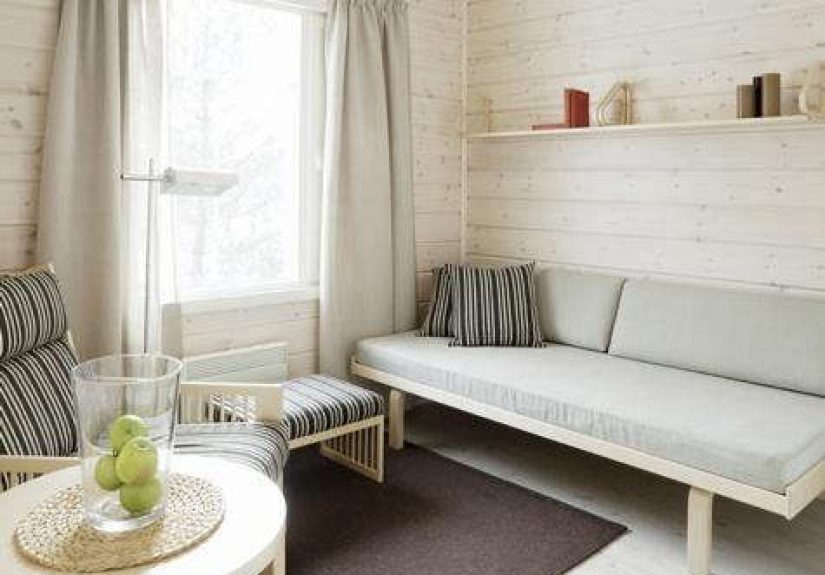
With back cushions, the 710 Daybed becomes a low, relaxed sofa. It works especially well in rooms with a calm, open layout. Because the frame is visually light, it can sit against a wall, under a window, or even float in a room without creating a bulky barrier.
As a Guest Bed
As a guest bed, it offers a practical sleeping surface for one person. It is ideal for occasional guests, compact apartments, vacation homes, or offices that double as spare rooms. It does not unfold, clank, or require a wrestling match with hidden metal parts. You add bedding, and the job is done. Furniture should not need a user manual thicker than a sandwich.
As a Reading Nook
Place the daybed near a window, add a wool throw, a small side table, and a lamp, and suddenly you have a reading nook that looks as if it belongs in a quiet design magazine spread. The low profile encourages lounging without making the room feel sleepy all day.
Style Analysis: Minimal, Warm, and Architectural
The design of the Aalto 710 Daybed is often described as minimalist, but it is not the cold kind of minimalism that makes you afraid to own a coffee mug. Its minimalism comes from clarity: a rectangular frame, low legs, honest materials, and visible function.
The daybed fits easily into Scandinavian interiors, Japandi spaces, mid-century modern rooms, minimalist apartments, and warm contemporary homes. It also pairs well with natural materials such as wool, leather, linen, stone, ceramic, and woven rugs. The birch frame has enough character to avoid looking generic, but it is quiet enough to work with many design styles.
Best Room Pairings
In a living room, the 710 Daybed looks best with a low coffee table, a soft rug, and layered cushions. In a home office, it offers a refined place to read, take calls, or recover from emails written entirely in corporate fog. In a guest room, it allows the space to remain useful even when nobody is visiting. In a studio apartment, it can serve as the main seating and sleeping-adjacent lounge zone without overwhelming the floor plan.
How to Style the Alvar Aalto 710 Daybed
Styling the 710 Daybed is mostly about balance. Because the frame is simple, textiles matter. Too few cushions can make it look a little formal. Too many cushions can make it look like the bed lost a pillow fight. Aim for comfort, but let the frame remain visible.
Use a Neutral Base
A natural, beige, gray, cream, or muted olive mattress cover keeps the daybed timeless. This approach highlights the birch and creates a calm foundation. It is especially effective in small rooms because pale tones help maintain visual openness.
Add One Strong Accent
A striped pillow, patterned throw, or deep-colored cushion can add personality without turning the daybed into a fabric carnival. Aalto’s furniture handles color well because the structure itself is so disciplined.
Keep Nearby Furniture Light
Pair the daybed with slender side tables, compact lamps, and open shelving. Heavy furniture nearby can fight with the daybed’s airy character. Let it breathe. This is Scandinavian furniture, not a storage bunker.
Who Was Alvar Aalto?
Alvar Aalto was one of the most influential architects and designers of the twentieth century. Born in Finland in 1898, he worked across architecture, interiors, furniture, lighting, glassware, and urban planning. His career moved from Nordic classicism into modernism, but his version of modernism stayed unusually warm and human-centered.
Aalto’s work includes major architectural projects such as the Paimio Sanatorium, Viipuri Library, Villa Mairea, Säynätsalo Town Hall, and Finlandia Hall. Yet his furniture remains equally important because it brought his architectural thinking into everyday life. A chair, stool, table, or daybed could carry the same design philosophy as a building: clarity, comfort, material intelligence, and respect for human use.
Artek and the Culture of Modern Living
Artek was founded in Helsinki in 1935 by Alvar Aalto, Aino Aalto, Maire Gullichsen, and Nils-Gustav Hahl. The company’s mission was not simply to sell furniture. It aimed to promote a modern culture of living through design, art, exhibitions, and education.
That mission helps explain why the 710 Daybed still feels relevant. It was not created as a trendy object. It was created as part of a broader belief that good design should improve daily life. The daybed is beautiful, but it is also useful. It belongs to a design tradition where function is not the enemy of elegance; it is the reason elegance exists.
Buying Considerations: Is the 710 Daybed Right for You?
The Alvar Aalto 710 Daybed is a premium design piece, so it is not the choice for someone looking for the cheapest guest bed possible. It is best for people who care about authentic design, natural materials, craftsmanship, and long-term value. This is furniture you buy because you want it to age with your home, not because it is temporarily trending on a mood board.
Choose It If You Want
Choose the 710 Daybed if you want a flexible piece that can serve multiple roles while maintaining a refined appearance. It is especially strong for compact homes, design-conscious apartments, guest rooms, and interiors with a Scandinavian or modernist influence.
Think Twice If You Need
Think twice if you need a plush, deep, sink-in sofa for movie marathons involving three people, two dogs, and a bowl of popcorn the size of a laundry basket. The 710 Daybed is comfortable, but its personality is structured and architectural. It is more “elegant lounge” than “giant marshmallow couch.”
Care and Longevity
One of the strengths of the 710 Daybed is its straightforward construction. A solid birch frame and removable textile covers make it easier to maintain than many upholstered sofa beds. Dust the wood with a soft cloth, avoid harsh cleaners, and keep the frame away from excessive moisture or direct heat. For fabrics, follow the care instructions for the specific cover.
Over time, birch develops character. Small signs of use are not necessarily flaws; they are part of the story. Aalto furniture often looks better when it is lived with, not sealed away like a museum object afraid of fingerprints.
Experience Notes: Living With the Furniture: Alvar Aalto 710 Daybed
Living with the Furniture: Alvar Aalto 710 Daybed is different from owning a regular sofa bed. A typical sofa bed often feels like a compromise: not quite a great sofa, not quite a great bed, and somehow always heavier than expected. The 710 Daybed feels more intentional. It does not hide what it is. It is openly a platform for sitting, reclining, reading, resting, and hosting. That honesty makes it easier to use every day.
In a living room, the first thing you notice is how much visual space it saves. Because the frame is low and the birch is light in color, the daybed does not dominate the room. It leaves the wall, floor, and surrounding furniture room to breathe. This is especially helpful in apartments where every piece of furniture has to earn its rent. The 710 Daybed can sit under artwork, beside bookshelves, or near a window without making the area feel crowded.
The second experience is flexibility. During the day, it works as a casual sofa. Add two back cushions, a long bolster, and a folded throw, and it becomes a civilized place to drink coffee, read design books, or scroll through your phone while pretending the design books are the main activity. In the evening, remove a few cushions and it becomes a comfortable resting surface. When guests arrive, it can quickly become a sleeping spot without mechanical drama.
The third experience is tactile. The birch frame feels warm compared with metal or plastic furniture. It has a quiet natural presence that makes a room feel calmer. The slatted structure also gives the piece a handcrafted honesty. You can understand how it works just by looking at it. There are no fake panels, no decorative tricks, and no unnecessary bulk. It is furniture with nothing to hide, which is refreshing in a world where even toasters now seem to have secret software updates.
Styling the daybed over time is also enjoyable. In summer, a linen cover and light cotton pillows make it feel breezy and relaxed. In fall, wool throws and deeper colors make it cozy. In winter, it becomes the perfect place for a blanket, a lamp, and the noble indoor sport of “just resting my eyes.” Unlike trend-heavy furniture, the 710 Daybed adapts to seasonal changes without losing its identity.
The best part is that the daybed encourages slower living. It invites you to sit down without fully committing to a nap, then gently negotiates you into one. It works for reading, sketching, listening to music, or hosting a friend for tea. The Alvar Aalto 710 Daybed is not just a beautiful object; it changes how a room is used. It gives a home a pause button, and honestly, most homes could use one.
Conclusion
The Alvar Aalto 710 Daybed remains a design classic because it solves a real problem with unusual grace. It offers seating, lounging, and guest sleeping in one elegant form. It uses solid birch honestly. It carries the innovation of Aalto’s L-leg construction. It fits modern interiors without looking like it is trying to impress anyone at brunch.
More than ninety years after its original design period, the 710 Daybed still feels current because it was never built around fashion. It was built around proportion, material, comfort, and usefulness. That is the quiet magic of great furniture: it does not get old; it simply keeps becoming relevant in new rooms.