Table of Contents >> Show >> Hide
- What We’re Ranking (And Why It’s So Messy in the Best Way)
- Ranking the Franchise’s Core Strengths (The Stuff That Makes It Stick)
- Character Rankings: Who Usually Lands in the Top Tier (And Why)
- Villain & Homunculus Rankings: The Ones That Actually Haunt the Story
- Arc Rankings: The Story Sections That Win the Most “Peak FMA” Votes
- Fight Rankings: The Battles People Rewatch on Purpose
- Emotional Moment Rankings: The Scenes That Live Rent-Free in Everyone’s Brain
- 1) The Nina and Tucker Tragedy
- 2) The Hughes Turning Point
- 3) Winry Confronting the Reality of Violence
- 4) Scar’s Shift From Vengeance to Purpose
- 5) The Brothers’ Quiet Promises (Identity, Body, and What’s “Real”)
- 6) Hohenheim’s Humanity (Late-Story Context)
- 7) The Moment the Story Says “No” to Easy Power
- Hot Takes That Start Friendly Debates (Until Someone Types in All Caps)
- How to Build Your Own Fullmetal Alchemist Rankings (Without Accidentally Starting a War)
- Reader Experience Add-On: How Fullmetal Alchemist Hits Different Depending on How You Watch It (Approx. )
- Conclusion: The “Best” Fullmetal Alchemist Ranking Is the One You Can Explain
If you’ve ever said, “My top three Fullmetal Alchemist characters are objectively correct,” congratulations: you are now legally required to argue
in a comment section until the sun burns out. But here’s the thingFullmetal Alchemist rankings are fun precisely because they’re not math.
They’re vibes with evidence. They’re “this moment made me stare at the credits like I’d been personally attacked,” followed by “therefore, it’s top tier.”
This guide pulls together the most common fan and critic patternswho gets ranked highest, which arcs hit hardest, what fights people replay, and why certain
opinions start polite debates that instantly turn into “okay but hear me out” essays. Expect analysis, specific examples, and a gentle spoiler warning.
Spoiler note: This article discusses major characters, arcs, and turning points from the manga and both anime adaptations.
What We’re Ranking (And Why It’s So Messy in the Best Way)
“Fullmetal Alchemist” isn’t a single, tidy package. It’s a franchise with a beloved manga (Hiromu Arakawa’s original), a 2003 anime adaptation that
diverges into its own story, and Fullmetal Alchemist: Brotherhood (2009), which follows the manga much more closely. That means when people
say “the best arc,” they might be talking about different versions of the same eventor a moment that exists in one adaptation and not the other.
Manga vs. 2003 vs. Brotherhood: The Quick Personality Test
- The manga: Usually praised for balanced pacing, consistent themes, and the most complete version of Arakawa’s character arcs.
- The 2003 anime: Often credited for a heavier, moodier atmosphere early on and more time spent on certain introductions and tragedies.
- Brotherhood: Typically ranked highest overall for scope, payoff, and how cleanly it lands big thematic swings (especially later arcs).
So, instead of pretending there’s one “correct” list, this article focuses on what rankings usually reward: character growth, thematic punch,
rewatch value, and the “I can’t believe they made philosophy feel like an action scene” factor.
Ranking the Franchise’s Core Strengths (The Stuff That Makes It Stick)
Before we rank characters and arcs, it helps to rank the franchise’s “ingredients.” These are the elements that most people citedirectly or indirectly
when they explain why Fullmetal Alchemist still feels special years later.
-
1) Consequences That Actually Matter
The story is built around a rule that feels simple and terrifying: you don’t get something for nothing. That “equivalent exchange” idea doesn’t just
power the magic systemit powers the morality. Characters make choices, and the narrative keeps receipts. -
2) A Cast Where Even Side Characters Have Rent to Pay Emotionally
A lot of shonen series have a huge cast. FMA has a huge cast that feels like it has a life outside the camera. Even characters who show up briefly
can leave lasting impact because their motivations are clear and their consequences ripple outward. -
3) Worldbuilding That Serves the Themes (Not Just the Map)
The politics, war history, religion, science, and class dynamics aren’t just lore flavor. They’re the pressure cooker that produces the story’s
questions: What is a life worth? Who benefits from violence? When does “duty” become an excuse? -
4) Action That Doubles as Character Writing
Fights aren’t only “who hits harder.” They’re about restraint, sacrifice, rage, fear, ingenuity, and the moment someone realizes their worldview
doesn’t survive contact with reality. -
5) Humor That Doesn’t Break the Story’s Spine
Yes, the franchise can go from goofy to brutal fast. But when it works, it feels intentional: comedy makes the characters human, which makes the
tragedy sharper. It’s emotional judo. -
6) Payoff You Can Feel in Your Bones
The best Fullmetal Alchemist rankings often elevate arcs that “close loops.” The series plants questions earlyabout identity, guilt, revenge,
and the cost of powerand then actually answers them.
Character Rankings: Who Usually Lands in the Top Tier (And Why)
Let’s be honest: most “best character” arguments are really “which character’s internal struggle do you personally want framed and hung in a museum.”
Still, certain names show up near the top again and again in Fullmetal Alchemist opinions, because they combine strong writing with unforgettable moments.
Tier S: The Characters That Carry Entire Themes
-
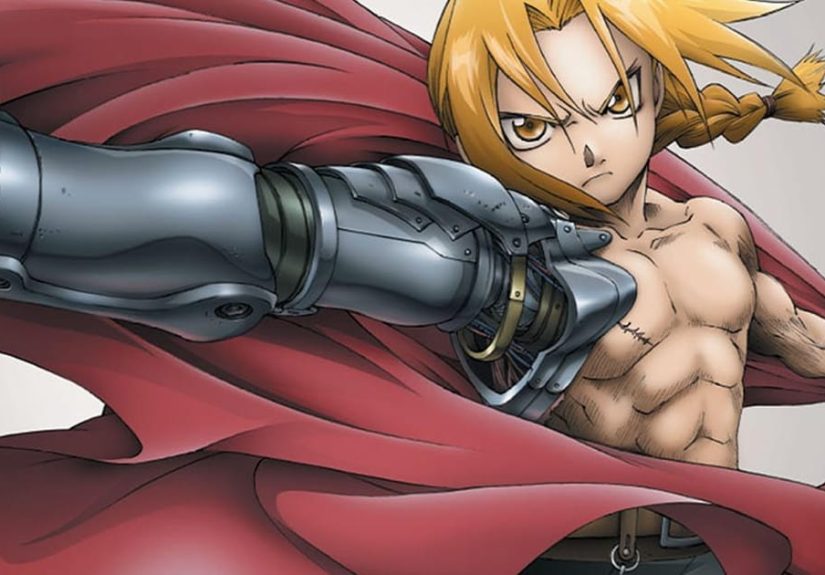
Edward Elric
Ed ranks high because he changes without losing his core. He starts with arrogance and desperation, but he grows into someone who understands that
power isn’t just abilityit’s responsibility. Also, he wins fights with creativity, not cheat codes. That’s catnip for rewatchers. -
Alphonse Elric
Al is the franchise’s moral north star, but he’s not a saint statue. His gentleness comes with steel. The more the story questions identity and
“what makes a person,” the more Al becomes quietly essential. -
Roy Mustang
Mustang consistently ranks near the top because his ambition has weight. He’s competent, charismatic, and dangerously angrybut he also carries guilt
that the story refuses to let him ignore. He’s “cool” with consequences, which is rare. -
Scar
Scar’s journey is one of the clearest examples of “revenge vs. justice” done with patience. He begins as a terrifying force of retribution and becomes
something harder: a person rebuilding purpose after devastation. Rankings love transformation with meaning, and Scar delivers.
Tier A: The Scene-Stealers With Real Depth
- Riza Hawkeye Loyalty, discipline, and a moral line that gets tested, not praised. Her strength isn’t loud, which makes it hit harder.
-
Winry Rockbell Not “the girl in the story,” but a person with agency and anger. Her role forces the series to confront what violence
does to families, not just soldiers. -
Olivier Mira Armstrong A living steel door with eyebrows sharp enough to cut glass. She’s compelling because her ruthlessness is also
strategic: she understands power structures and refuses to be romantic about them. -
Ling Yao / Greed One of the franchise’s best “two characters in one body” dynamics. Their push-pull turns into mutual respect in a way
that feels earned, not convenient. -
Maes Hughes Ranked high not for screen time, but for impact. He embodies warmth and normalcy in a story full of conspiracies, which
makes his turning points land like a meteor.
Tier B: The Fan Favorites You Miss When They’re Gone
This tier changes wildly depending on taste, but characters like Izumi Curtis, Alex Louis Armstrong, May Chang,
and Hohenheim often land here because they enrich the world and deepen the theme palette. If your personal list includes “the entire Briggs
squad,” you are not alone.
Villain & Homunculus Rankings: The Ones That Actually Haunt the Story
Fullmetal Alchemist villains work best when they aren’t just obstacles. They’re arguments. Each major antagonist pressures a different weakness in the
heroes’ philosophypride, revenge, despair, temptation, the hunger for control.
-
1) Father
As a central villain, Father ranks high because he’s not merely “strong.” He’s an ideology: the desire to escape humanity while still exploiting it.
His presence turns the final arcs into a debate about what it means to be human, with the loudest answers delivered by people who hurt. -
2) Wrath (King Bradley)
Bradley is terrifying because he’s efficient. No monologues required. His fights feel like reality itself has decided to become a sword.
Rankings tend to reward villains who force heroes to adapt fastand Bradley is basically a masterclass in “panic, but make it tactical.” -
3) Pride
Pride scores high for unsettling presence. He’s not just dangerous; he’s patient. He turns the environment into a weapon and uses psychological
leverage as naturally as breathing. -
4) Envy
Envy is ranked high because the character is personal. Envy’s cruelty isn’t abstract; it targets relationships, identity, and grief. The story uses
Envy to ask an ugly question: what does jealousy do when it’s given power? -
5) Greed
Greed is often the “most liked” homunculus because he’s the most human in the most inconvenient way. His desire isn’t just consumptionit’s belonging.
When rankings include “favorite villain,” Greed frequently hijacks the whole list like a charming thief. -
6) Lust (Manga/Brotherhood version)
Lust often ranks mid-to-high because she’s clean, lethal, and purposeful. She’s a reminder that the conspiracy isn’t sloppy. It’s organized.
(Also: the word “ruthless” was invented for characters like this.) -
7) Sloth & Gluttony
Sloth and Gluttony tend to rank lower as personalities, but they still matter as embodimentssloth as brute inevitability, gluttony as empty hunger.
They’re less “character essays” and more “theme hammers.”
Arc Rankings: The Story Sections That Win the Most “Peak FMA” Votes
Ask ten fans to rank arcs and you’ll get twelve lists, plus one person insisting the correct answer is “the part where the brothers breathe oxygen.”
Still, patterns emerge. These arcs get ranked highly because they combine momentum, character payoffs, and world-scale stakes without losing emotional clarity.
-
1) The Promised Day (Final Arc)
This arc is often ranked #1 because it’s payoff city. Alliances collide, mysteries resolve, and everyone’s choices come due. It’s also one of those
finales that rewards long-term attention: small character threads from early episodes come back as essential tools. -
2) Briggs
Briggs ranks high for introducing a new environment that instantly changes the rules. Survival is harsher, leadership is sharper, and the story gets
to explore military power without romantic filters. Plus, the cast expansion here is genuinely fun. -
3) The Ishvalan War Reveal
This section is often cited as one of the franchise’s strongest because it reframes what you thought you knew. It forces major characters to confront
guilt, obedience, and complicity. Many rankings elevate this arc because it makes the moral stakes unavoidable. -
4) The Scar-Focused Stretch (From Threat to Turning Point)
Scar’s presence transforms the narrative. Early on, he’s an existential threat. Later, he becomes a complicated mirror for the heroes:
“What happens when you’re shaped by loss?” Arc rankings often reward that kind of evolving function. -
5) Laboratory 5 and the Conspiracy Deepens
Lab 5 tends to rank high because it’s where the story’s horror and mystery lock together. It’s not just “bad guys exist.” It’s “the system has rot,
and it’s organized.” This is where many viewers realize: oh, we’re in that kind of story. -
6) Dublith (The Teacher Arc)
Dublith is a fan favorite because it expands the emotional backstory without feeling like homework. It also reinforces the franchise’s best habit:
teaching you about power by showing you what it costs. -
7) The Early Journey (Liore / Mining Town / “We’re Still Learning the Rules”)
Early arcs rank lower for some people because the plot isn’t fully roaring yet, but they rank high for others because they establish tone:
the brothers’ compassion, the consequences of belief, and the way FMA treats “helping” as complicated, not heroic wallpaper.
Fight Rankings: The Battles People Rewatch on Purpose
The best Fullmetal Alchemist fights aren’t just animated wellthey feel like character decisions happening at high speed. Here are matchups that repeatedly
land near the top of “best fights” lists, with the spoiler-safe reasons they’re so effective.
-
1) Father vs. Everyone
When a finale fight becomes a collaboration across the entire cast, it’s either chaos or genius. Here, it’s genius: every participant brings a distinct
kind of strengthstrategy, endurance, sacrifice, stubborn hopeand it feels like the series’ thesis turning into choreography. -
2) Wrath vs. (Basically) Everyone
Bradley fights like the story is trying to run away and he’s politely disagreeing with gravity. The tension comes from watching skilled fighters
realize skill might not be enough. -
3) Roy Mustang vs. Lust
This fight ranks high because it’s concise and terrifying. It’s also one of the clearest examples of how “power” in FMA can be both impressive and
morally complicatedespecially when rage is in the driver’s seat. -
4) Roy Mustang & Riza Hawkeye vs. Envy
High rankings here aren’t just about spectacle; they’re about emotional stakes. This conflict pushes characters toward a line they may not come back
fromand the story makes you feel that pressure. -
5) Greed vs. Wrath
This one gets rewatched because it’s a clash of philosophies as much as combat styles. It’s the difference between adaptability and precision, between
wanting everything and settling for nothing. -
6) Scar vs. Wrath
Scar’s fights are often ranked highly because they’re never just physical. They’re the collision of history, guilt, and survival. Against Bradley, that
tension hits maximum volume. -
7) The Armstrongs (and allies) vs. Sloth
Sloth isn’t cleverhe’s relentless. That forces the heroes into a different kind of battle: endurance and teamwork. Plus, the Armstrong family doing
anything is automatically entertaining. It’s science. -
8) Alphonse vs. Pride / Kimblee (Strategic Survival)
Al’s best fights tend to highlight problem-solving under impossible constraints. When the threats are overwhelming, the question becomes:
“What can I do with what I have?” And that’s classic Fullmetal Alchemist.
Emotional Moment Rankings: The Scenes That Live Rent-Free in Everyone’s Brain
Fullmetal Alchemist is famous for leaving emotional dents. These moments are frequently ranked among the most impactfulnot because they’re shocking for
shock’s sake, but because they sharpen the story’s themes about loss, love, and moral choice.
-
1) The Nina and Tucker Tragedy
This moment is iconic because it weaponizes innocence. It’s the point where many viewers realize the story’s consequences can be horrifyingand that
“knowledge” without ethics isn’t impressive, it’s monstrous. -
2) The Hughes Turning Point
Fans rank this highly because it changes the temperature of the entire story. It’s not just sadit’s a warning: the conspiracy has teeth, and it will
bite the people you least want it to. -
3) Winry Confronting the Reality of Violence
When Winry is forced to face what revenge feels like up close, the story pulls the camera away from “hero vs. villain” and points it at the human
cost of hatred. It’s uncomfortableand that’s why it’s great. -
4) Scar’s Shift From Vengeance to Purpose
Scar’s emotional peak isn’t a single tearful speech. It’s a gradual reorientation: moving from destruction as identity to rebuilding as responsibility.
Rankings often reward that slow-burn growth. -
5) The Brothers’ Quiet Promises (Identity, Body, and What’s “Real”)
Scenes where Ed and Al confront what they’ve lostand what they still owe each otherhit hard because they’re intimate. Big plot, small room.
That contrast is Fullmetal Alchemist at its best. -
6) Hohenheim’s Humanity (Late-Story Context)
Hohenheim often starts as a mystery and ends as a heartbreak. When the story finally reveals what he carries, it complicates the easy labels and turns
him into a reminder that survival can look like abandonment from the outside. -
7) The Moment the Story Says “No” to Easy Power
Without spoiling the exact mechanics: the franchise’s most satisfying emotional beats often come when characters reject shortcuts. The story keeps
asking, “What are you willing to pay?” and the best answers aren’t flashythey’re ethical.
Hot Takes That Start Friendly Debates (Until Someone Types in All Caps)
No Fullmetal Alchemist opinions article is complete without a few spicy, discussion-ready takes. Think of these as conversation starters, not commandments.
-
“Brotherhood’s beginning is too fast.”
Many viewers feel Brotherhood assumes you already know the basics and accelerates early material, while the 2003 anime lingers longer on introductions.
Whether that’s “rushed” or “efficient” depends on how much you value slow emotional setup. -
“The 2003 version is emotionally brutal in a different way.”
Even fans who rank Brotherhood as the best overall will admit the 2003 adaptation has its own strengthsespecially in atmosphere and certain early arcs.
-
“Scar is the best-written character.”
This opinion pops up constantly because Scar’s arc is a complete argument: what trauma does to identity, how revenge narrows the soul, and what it takes
to choose a future anyway. -
“Roy Mustang is iconic, but the story refuses to let him be a power fantasy.”
Mustang is cool. The story knows he’s cool. Then it asks, “Okay, what did you do with your power when it mattered?” That’s why people keep ranking him high.
-
“The comedy is essential, not a tonal mistake.”
The humor can be loud, but it keeps the cast human. It also makes the dark moments darkerbecause you remember what joy looked like.
How to Build Your Own Fullmetal Alchemist Rankings (Without Accidentally Starting a War)
Want to make your own rankings and have them feel thoughtful instead of random? Here’s a simple framework that works whether you’re ranking characters,
arcs, fights, or even openings.
Step 1: Choose Your Criteria (Pick 3–5 and Stick to Them)
- Character growth (Did the person change in a believable way?)
- Thematic impact (Did the moment deepen the story’s moral questions?)
- Rewatch value (Does it get better when you know what it sets up?)
- Emotional resonance (Did it hit you where it hurts?)
- Craft (Pacing, direction, dialogue, fight choreography, tension)
Step 2: Separate “Favorite” From “Best” (Or Don’tJust Label It)
“Favorite” is allowed to be biased. “Best” usually tries to justify itself. Both are valid, but your comment section will be 40% calmer if you say which
one you’re doing up front.
Step 3: Compare Like With Like
Ranking a quiet character moment against a giant finale battle is like comparing a chef’s knife to a fire extinguisher. They’re both important, but only
one of them is meant for onions. If you want a clean list, rank within categories (best fights, best emotional scenes, best arcs) before making an overall pick.
Reader Experience Add-On: How Fullmetal Alchemist Hits Different Depending on How You Watch It (Approx. )
Your experience with Fullmetal Alchemist rankings often starts the same way: you finish the series, you feel something powerful, and then you immediately
wonder why everyone else’s list is “wrong.” (Respectfully. Mostly.) That’s because FMA is one of those stories where the order, the context, and the mood
you bring into it can change what you rank highest.
If you start with Brotherhood, you’re likely to come away impressed by how big the story becomesand how cleanly it ties together politics,
philosophy, and character arcs. Many first-time viewers rank the final stretch and the major “truth revealed” episodes at the top because the momentum feels
unstoppable. Your ranking list might look like a mountain: early episodes lower, late arcs towering.
If you start with the 2003 anime, your rankings might tilt toward atmosphere and slow emotional pressure. Viewers who love this version often
rank early tragedies and character introductions higher because they feel more lingering and intimate. In that viewing path, the story feels less like a puzzle
snapping into place and more like a long moral acheso your “best moments” might be quieter, darker, and more personal.
And if you read the manga after watching, your rankings can shift again. Suddenly, you notice pacing decisions that felt invisible on screen.
You catch character beats that land differently in print. You may even find your “best arc” changing because the manga’s structure makes certain transitions
feel smootheror makes specific motivations clearer. A common fan experience is re-ranking after the manga and realizing you’re not contradicting your old list;
you’re just seeing the same story through a sharper lens.
Group viewing also changes everything. Watching alone, you might rank the most devastating episodes highest because they’re the ones you felt most strongly.
Watching with friends, you might rank the funniest character dynamics or the most hype fights higher because the shared reactions amplify the fun. The “best”
fight becomes the one that made everyone stand up and yell. The “best arc” becomes the one that dominated your group chat for a week.
Then there’s the rewatch. On a first watch, the big twists are oxygen-stealers. On a rewatch, you start ranking the episodes that quietly set up those twists.
You notice foreshadowing, small choices, and lines that suddenly mean something else. Many fans end up ranking “setup” arcs higher the second time because
they realize how deliberately the series builds its emotional and thematic payoffs.
The most rewarding way to approach Fullmetal Alchemist opinions is to treat rankings like a living document. Your list isn’t a verdict; it’s a snapshot of
what mattered to you at that moment. And if your top character changes over time, that doesn’t mean you were wrong beforeit means the story had enough depth
to meet you differently as you changed. That’s not a flaw. That’s the point.
Conclusion: The “Best” Fullmetal Alchemist Ranking Is the One You Can Explain
Fullmetal Alchemist rankings get intense because the series gives people real reasons to care: characters who evolve, arcs that challenge easy morality,
and payoffs that feel earned. Whether you rank Brotherhood highest for its scope, the 2003 anime for its tone, or the manga for its balance, the franchise
invites you to argue thoughtfullybecause it’s built on ideas, not just spectacle.
If you want a final takeaway: rank what moves you, then defend it with what the story actually does. That’s the sweet spot where Fullmetal Alchemist
opinions stop being hot air and start being genuine fandommessy, passionate, and surprisingly philosophical for a conversation that began with “who would win.”