Table of Contents >> Show >> Hide
- What Makes the Dux Safari Chair So Appealing?
- The Design History Behind the Look
- Why This Chair Works in Modern Interiors
- Comfort: Is It Actually Good to Sit In?
- Buying Guide: What to Look for in a Vintage DUX Safari Chair
- Is the DUX Safari Chair Worth It?
- Extended Experience: Living With a Dux Safari Canvas & Leather Lounge Chair
- Conclusion
Some chairs politely ask for attention. The Dux Safari Canvas & Leather Lounge Chair strolls into the room like it already knows it belongs there. It has that rare midcentury magic: part Scandinavian restraint, part campaign-chair swagger, part “I look expensive even when I’m pretending to be relaxed.” If your living room has ever felt a little too safe, too padded, or too eager to please, this chair is the antidote.
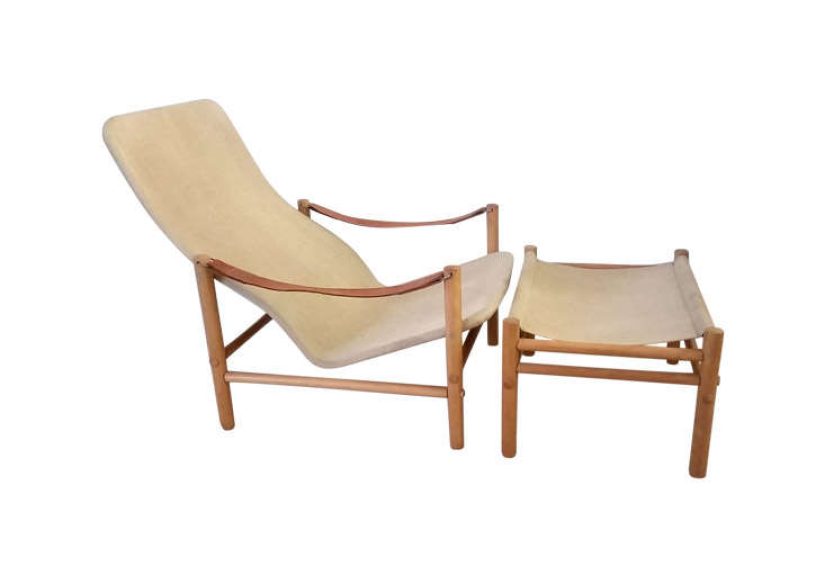
At its best, the DUX safari lounge chair is a lesson in how a few honest materials can do a lot of heavy lifting. Wood gives it structure. Canvas softens the look. Leather adds soul, age, and the sort of patina people suddenly call “character” once they’ve paid enough for it. Vintage examples linked to DUX are typically associated with the 1960s and are often attributed in the market to Boije, which makes the chair feel like a true survivor from the golden era of Scandinavian modern design rather than a trend-chasing copycat in a cute neutral outfit.
What Makes the Dux Safari Chair So Appealing?
The short answer is this: it looks effortlessly cool without trying to cosplay as a museum piece. The longer answer is more interesting. A safari lounge chair works because it combines portability-inspired design language with genuine comfort. The shape comes from a family of chairs that evolved from practical camp furniture, but Scandinavian designers refined the idea into something lighter, smarter, and much more livable. That is why this chair feels disciplined rather than bulky, and inviting rather than precious.
The DUX version captures that tension beautifully. It has a visual looseness that makes a room feel less stiff, but it still reads as a serious design object. That balance matters. A lot of statement chairs scream for attention like a toddler with a tambourine. This one earns attention through proportion, materials, and posture. It sits low enough to feel casual, but not so low that getting out of it becomes a prayer request.
Canvas, Leather, and Wood: The Holy Trinity of Good Taste
There is a reason designers and collectors keep returning to this material mix. Canvas brings a clean, breathable, almost architectural quality. Leather gives the chair warmth and depth. Wood, especially pale beech or similarly light-toned frames seen on vintage examples, keeps everything grounded. Together, they create a chair that feels both rustic and refined, which is a difficult trick to pull off without looking like a themed restaurant.
Canvas is especially important here because it stops the chair from becoming visually heavy. A full leather lounge chair can be gorgeous, but it can also dominate a room like an overconfident uncle at Thanksgiving. Canvas introduces air. It lets the frame breathe. It also highlights the chair’s sling-like roots, which is a huge part of the safari-chair charm.
Leather, meanwhile, does what leather does best: it gets better-looking as it ages, provided somebody in the house remembers that conditioner exists. On vintage DUX safari chairs, the leather arms and details often show the most visible patina. Instead of ruining the chair, that wear usually makes it more interesting. This is not damage so much as autobiography.
The Design History Behind the Look
To understand why the Dux Safari Canvas & Leather Lounge Chair still resonates, it helps to understand the broader safari chair history. The safari chair most people know today is closely tied to the tradition of portable campaign and camp furniture, later elevated by Scandinavian designers into a modern design icon. Kaare Klint’s famous 1933 Safari Chair helped define the archetype: easy to assemble, materially honest, and elegant without over-decoration.
That heritage matters because the DUX chair is not just a random “boho leather accent chair” that wandered onto the internet with a flattering filter. It belongs to a design conversation about mobility, craftsmanship, and structure. DUX itself also has real historical weight in the world of Swedish design. The company is often associated with quality construction and with the broader innovation of knock-down furniture, an idea that helped make shipping and assembly more efficient long before flat-pack furniture became a global household sport.
That said, it is also worth acknowledging that safari and campaign furniture come with a more complicated historical backdrop. The portable, expedition-ready aesthetic is intertwined with colonial-era travel and occupation. A smart modern approach is to appreciate the craftsmanship and design evolution without romanticizing the politics that helped shape the original typology. Good design writing should be able to admire a chair and keep its brain switched on at the same time.
Why This Chair Works in Modern Interiors
One of the best things about the DUX safari lounge chair is that it does not need a perfectly curated midcentury house to succeed. In fact, it often looks better when it has something to push against. Put it in a minimal room and it adds texture. Put it in a traditional room and it loosens the mood. Put it in a contemporary apartment and it says, “Yes, I know what particleboard is, and I refuse.”
Best Rooms for a Dux Safari Canvas & Leather Lounge Chair
Living rooms are the obvious choice. The chair shines as an accent piece beside a sofa, especially one with a softer silhouette. Its open frame keeps the room from feeling overcrowded. It is also ideal in a reading corner, where the low, loungy stance encourages long sittings with a book, a magazine, or an enthusiastic avoidance of emails.
In a bedroom, it works as a sculptural resting point for throw blankets, books, and that one cardigan you insist is not becoming a permanent furniture accessory. In a home office, it can soften the space and create a secondary seating zone that feels less corporate and more human. Basically, wherever you need one piece to make the room feel more collected and less assembled from panic purchases, this chair is a strong candidate.
Colors and Decor That Pair Well
Because the chair usually leans on neutral materials, it pairs beautifully with earthy palettes: ivory, camel, olive, charcoal, rust, walnut, and black. Linen drapery, wool rugs, ceramic lamps, and aged brass all complement its mood. It also plays nicely with harder materials such as stone, concrete, and glass, because the leather and canvas keep the overall atmosphere from becoming cold.
If you want the room to feel especially polished, echo the leather somewhere else with a belt-edged pillow, a stitched ottoman, or a warm tobacco-toned accessory. Just do not overdo the “safari” theme. One elegant sling chair is chic. A room full of faux explorer energy is how you accidentally design a lobby for an imaginary colonial fan club. Restraint is your friend.
Comfort: Is It Actually Good to Sit In?
Here is the delightful surprise: many vintage safari chairs look stricter than they feel. The best ones rely on pitch, sling support, and ergonomic angles rather than oversized cushioning. In other words, they do not hug you like a marshmallow cloud, but they also do not punish your spine for being born. The DUX versions commonly described in vintage listings suggest exactly that kind of comfort: supportive, relaxed, and more inviting than their disciplined silhouettes might imply.
This makes the chair particularly appealing for people who want modern lounge chair comfort without the overstuffed recliner aesthetic. You are lounging, yes, but with dignity. You can still read, talk, sip coffee, or pretend to ponder architecture. That is a big win.
Buying Guide: What to Look for in a Vintage DUX Safari Chair
Because the Dux Safari Canvas & Leather Lounge Chair lives mostly in the vintage market, shopping for one requires a little patience and a little skepticism. Midcentury listings can be a carnival of confidence, and not all confidence is earned.
Check the Frame
Look for solid joinery, an even stance, and no alarming wobble. Minor surface wear is normal and often desirable. Structural instability is not “charming”; it is a future expense wearing a nostalgic hat.
Inspect the Canvas
Original canvas can be a huge plus, but it should still be strong, reasonably clean, and free of major tears. Slight discoloration is common in vintage examples and does not necessarily hurt value, especially if the rest of the chair is in good shape.
Study the Leather
Leather arms and supports will often show the most age. That is fine. Beautiful, even patina can be a selling point. What you want to avoid is cracking so severe it threatens function, or dry leather that feels one strong opinion away from splitting.
Ask About Attribution
Vintage DUX safari chairs are commonly tied to Boije in marketplace listings, but attribution language can vary. Ask for labels, tags, provenance, or retailer history when available. That extra layer of detail can make a big difference if you are buying for collection value and not just for your deeply admirable taste.
Is the DUX Safari Chair Worth It?
If you care about authentic Scandinavian lounge chair design, tactile materials, and furniture that can outlast trends, yes, it is worth serious consideration. This chair offers more than a pretty silhouette. It offers design lineage, practical elegance, and the sort of lived-in beauty that fast furniture can imitate only in mood-board fantasy.
It is also a strong choice for anyone who wants a room to feel layered rather than staged. A DUX safari chair does not just fill a corner. It changes the temperature of the space. It introduces craft, history, and just enough attitude to keep a room from becoming forgettable.
Extended Experience: Living With a Dux Safari Canvas & Leather Lounge Chair
Living with a chair like this is a little different from living with a generic accent chair you bought because it was on sale and came in a box the size of a disappointing coffee table. The DUX safari chair has presence. Not loud, diva, center-stage presence, but the kind that quietly improves the room every single day. The first thing most people notice is how open it looks. Even in a modest apartment, it does not visually clog the space. You can see through parts of it, around it, and beyond it, which sounds like a small thing until you realize how many bulky lounge chairs behave like they were hired to block every sightline in the house.
Then there is the texture experience. In the morning, the canvas feels crisp and cool, especially in a room with natural light. By evening, the leather details seem richer, warmer, and more mellow. It is the kind of chair that changes personality throughout the day without becoming dramatic about it. You start to appreciate the frame, the straps, the angles, and the way the materials age together. The leather softens visually. The canvas relaxes. The wood gains a little more depth as the light shifts. Suddenly you are the kind of person who casually says things like, “I love the honesty of the materials,” which is either wonderfully sophisticated or a sign that you have become deeply invested in furniture. Possibly both.
In real use, the chair tends to become a magnet for routines. It is where you sit for coffee on Saturday morning. It is where guests drift when the sofa is full. It is where the dog would absolutely like to sit if the dog had any respect for boundaries. A good safari-style lounge chair has that effect: it turns into the unofficial “best seat,” even when no one announces it. The comfort is subtle, not squishy. You settle in because the angles support you, not because you vanish into a foam crater. That makes it surprisingly versatile for reading, conversation, or simply staring into space while pretending you are thinking profound design thoughts.
There is also a practical pleasure in owning a chair that does not demand fussy styling. Throw a wool blanket over one arm and it looks intentional. Place it next to a ceramic lamp and a side table and the corner feels complete. Leave it alone and it still carries itself just fine. It is one of those rare pieces that makes you look better at decorating than you might actually be. Honestly, furniture that improves your reputation while you do almost nothing is furniture with excellent manners.
Over time, the chair’s imperfections become part of the appeal. A little creasing in the leather, slight softening in the canvas, tiny evidence of age in the woodthese things make the piece feel inhabited rather than showroom-perfect. And that is the real joy of the Dux Safari Canvas & Leather Lounge Chair: it does not merely survive daily life. It absorbs it gracefully. In a world full of disposable furniture and trend-chasing silhouettes, that feels less like a purchase and more like an upgrade to the way a room lives.
Conclusion
The Dux Safari Canvas & Leather Lounge Chair is not just another vintage seat with a pretty profile. It is a layered piece of design: rooted in safari-chair history, sharpened by Scandinavian modern sensibility, and made memorable by the tactile chemistry of canvas, leather, and wood. It fits beautifully into contemporary interiors because it carries character without carrying visual weight. It feels collected, not forced. Cool, not cold. Historic, not dusty.
If you find one in solid condition, consider it a rare design win. It offers the kind of understated luxury people spend years trying to fake with algorithm-approved shopping carts. This chair got there first, and it did it with better posture.