Table of Contents >> Show >> Hide
- Why compassion matters in a public health crisis
- The pandemic did not invent loneliness, but it sure gave it a microphone
- What compassion looked like in real life
- How to make compassion go viral at home, at work, and online
- Small acts, big ripple effects
- When compassion gets hard
- Compassion is not soft. It is strong.
- Pandemic experiences that proved compassion matters
- Conclusion
During a pandemic, people learn two things very quickly: how to wash their hands for 20 seconds, and how badly they need one another. A public health crisis may start with a virus, but it does not stop there. It moves into kitchens, classrooms, hospital hallways, grocery aisles, group chats, and the quiet corners of the mind where fear likes to throw house parties. In moments like these, compassion stops being a fluffy greeting-card word and becomes a survival skill.
That may sound dramatic, but let’s be honest: pandemics are dramatic. They interrupt routines, isolate families, strain health systems, and put everyone on edge. Even strong people start feeling stretched like old sweatpants. In that kind of pressure cooker, compassion matters because it helps people stay connected, feel seen, and keep going. It supports mental health, strengthens relationships, and reminds communities that safety is not only about medicine. It is also about how we treat each other.
If the pandemic taught us anything, it is this: kindness is not a side dish. It is part of the main course. Compassion does not replace science, masks, vaccines, treatment, or clear public health guidance. It makes those things easier to live with. It makes cooperation more possible. It lowers the temperature in overheated conversations. And sometimes, it is the difference between someone spiraling alone and someone making it through one more difficult day.
Why compassion matters in a public health crisis
Compassion is not just “being nice.” Real compassion means noticing suffering, caring about it, and doing something helpful if you can. That action might be practical, emotional, or both. It can look like dropping off groceries, checking on a neighbor, listening without trying to fix everything, sharing accurate health information, giving people space to grieve, or simply deciding not to become an online gremlin before breakfast.
In a pandemic, people often deal with overlapping burdens. One person may be worried about infection, another about rent, another about an elderly parent, and another about a child who suddenly thinks the kitchen table is a classroom. Many are carrying several of those worries at once. Compassion helps reduce the emotional load by replacing judgment with understanding. Instead of saying, “Why are they acting like that?” compassion asks, “What might they be going through?” That one mental shift can change entire conversations.
It also helps communities function better. When people feel respected and supported, they are more likely to cooperate, seek help, share concerns, and participate in solutions. Public health does not work especially well in a social climate filled with shame, contempt, and finger-pointing. Fear may get attention, but compassion builds trust. And trust is what gets people through long emergencies.
The pandemic did not invent loneliness, but it sure gave it a microphone
Long before COVID-19, experts were warning that loneliness and social isolation were serious health concerns. The pandemic intensified that problem by reducing face-to-face contact, disrupting routines, and making ordinary human closeness feel risky. Suddenly, birthdays became video calls, hospital visits were restricted, and many people found themselves living inside a loop of worry, screens, and leftover snacks.
That isolation took a toll. Some people felt sad. Others felt numb, irritable, anxious, exhausted, or strangely detached. Many who had never thought much about their mental health suddenly discovered that the mind does not enjoy uncertainty, grief, and cabin fever as a lifestyle brand. That is exactly why compassion became so important. A caring message, a regular phone call, a meal left at the door, or a simple “How are you really doing?” could interrupt that sense of emotional abandonment.
Compassion also helped people remember that asking for help was not weakness. It was wisdom. That lesson matters because resilience is often misunderstood. Resilience is not pretending everything is fine while emotionally buffering in the corner. Resilience is adapting, recovering, and reaching out when support is needed. During a pandemic, compassionate communities make that possible.
What compassion looked like in real life
1. Protecting others in ordinary ways
One of the clearest forms of compassion during a pandemic is also one of the least glamorous: doing the inconvenient thing because it helps someone else. Staying home when sick. Wearing a mask in high-risk settings. Rescheduling plans instead of pushing through symptoms. Testing before visiting a vulnerable relative. Washing hands like you mean it. These actions may not feel heroic, but they are deeply compassionate because they put other people’s well-being on the checklist.
2. Supporting health care workers without treating them like robots
Health care workers were praised as heroes, and many truly were heroic. But hero language can sometimes hide the fact that doctors, nurses, aides, therapists, cleaners, and support staff are human beings, not rechargeable medical appliances. They faced burnout, grief, long hours, and moral stress. Compassion for them meant more than applause. It meant better support, more patience, mental health care, practical resources, and a cultural willingness to see their exhaustion instead of expecting endless stamina wrapped in scrubs.
3. Helping the people hit hardest
Pandemics are unfair. They hit low-income households, older adults, disabled people, caregivers, essential workers, and already vulnerable communities especially hard. Compassion means noticing those unequal burdens and responding accordingly. It asks who has child care, who has paid sick leave, who can work from home, who has internet access, who is choosing between medicine and groceries, and who may be silently slipping through the cracks.
4. Practicing self-compassion
This one gets overlooked because people tend to think compassion is only outward-facing. Not true. During a pandemic, self-compassion matters because stress makes people harsher with themselves. They feel guilty for being tired, for not doing enough, for losing focus, for gaining weight, for struggling, for needing help, or for not becoming a bread-baking philosopher-warrior in lockdown. Self-compassion says: you are living through something hard; speak to yourself like someone worth caring for. Revolutionary, I know.
How to make compassion go viral at home, at work, and online
At home
Compassion at home starts with lowering expectations without lowering care. Families under stress do not need perfection; they need grace. Share chores more fairly. Admit when you are overwhelmed. Let children express fear and disappointment without instantly correcting every emotion. Check in with older relatives. Build small rituals that create steadiness, such as a daily walk, a nightly call, or one meal eaten without doomscrolling.
At work
Whether work happens in a hospital, classroom, warehouse, office, or living room wedged between a laundry basket and existential dread, compassion improves it. Managers can communicate clearly, respect boundaries, and acknowledge that employees are people first. Coworkers can stop treating burnout like a personality trait. A little flexibility, honest communication, and practical support go a long way in preserving morale when everyone is tired and the Wi-Fi is once again making mysterious life choices.
Online
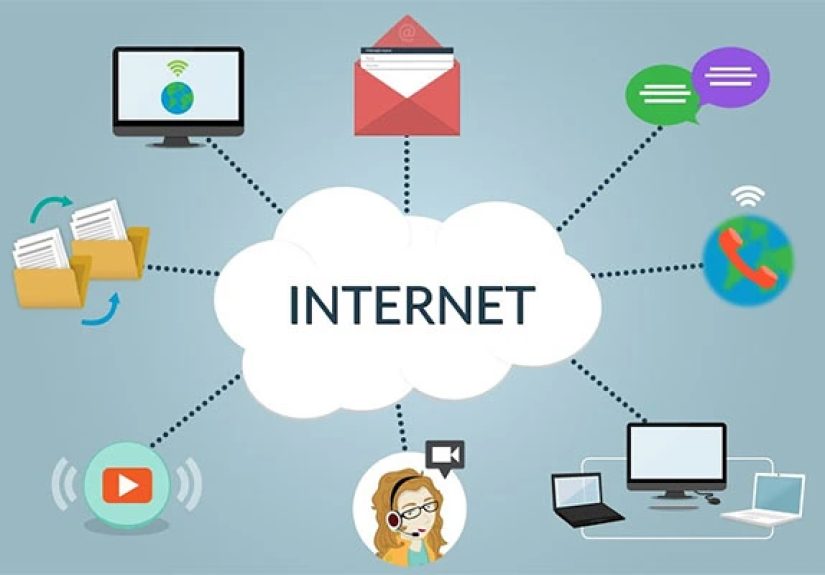
The internet was both a lifeline and a circus during the pandemic. It helped people stay connected, learn, organize, and laugh. It also became a place where fear, misinformation, and performative outrage spread faster than common sense. Compassion online means sharing responsibly, correcting gently, resisting mockery, and remembering there is a nervous system on the other side of the screen. You can disagree without dehumanizing. That is not weakness. That is digital maturity.
Small acts, big ripple effects
One reason compassion matters so much is that it spreads. People who feel supported are often more able to support others. A teacher who gets encouragement may show more patience to students. A caregiver who receives help may have more energy to care well. A lonely person who gets a sincere call may reach out to someone else the next day. Goodness is contagious in its own quiet way.
That ripple effect is especially powerful in uncertain times because not everyone can solve giant problems. Most people cannot rewrite policy, end a virus, or magically stabilize the economy before lunch. But they can do small, meaningful things. They can donate, volunteer, check in, offer rides, deliver food, send a note, tip generously, support local health efforts, share accurate information, and create moments of calm in otherwise chaotic weeks. Compassion gives ordinary people useful jobs in extraordinary times.
When compassion gets hard
Of course, compassion is not always easy. People get tired. They experience grief, stress, anger, and what many came to call compassion fatigue. After months of bad news, some people become emotionally worn down and less able to respond with warmth. That does not make them monsters. It makes them human.
The answer is not to shame people into caring harder. The answer is to pair compassion with boundaries and recovery. Rest matters. So does sleep, nutrition, movement, therapy, community, spiritual practice, and time away from the 24-hour panic carousel. You cannot pour from an empty cup, and you definitely cannot pour from a cup that has become a decorative plant holder. Sustainable compassion depends on replenishment.
It also depends on honesty. Sometimes the most compassionate thing you can say is, “I want to help, but I need a moment,” or “I can listen, but I am not the right person to solve this alone.” Healthy compassion is not martyrdom. It is care with wisdom attached.
Compassion is not soft. It is strong.
There is a strange myth that compassion is weak, sentimental, or impractical. Pandemics expose that myth for the nonsense it is. It takes strength to stay patient when everyone is stressed. It takes discipline to act for the common good. It takes courage to listen to grief, to admit fear, to support neighbors, to protect vulnerable people, and to stay humane when the world feels sharp-edged.
Compassion is not denial. It does not pretend everything is fine. It looks straight at hardship and says, “We are going to respond like human beings anyway.” That response matters in hospitals and homes, in public policy and private conversations, in schools, businesses, faith communities, and family text threads where one uncle still thinks forwarding suspicious rumors counts as research.
During a terrible pandemic, making compassion go viral may sound like a slogan. But it is really a strategy. It helps people cope, connect, cooperate, and heal. It encourages practical help instead of empty noise. It softens isolation without dismissing danger. And perhaps most importantly, it reminds us that even when a virus spreads from body to body, kindness can spread from person to person too.
Pandemic experiences that proved compassion matters
If you lived through the pandemic years, you probably remember the strange details. The taped arrows on store floors. The muffled voices behind masks. The birthday cakes eaten over video calls. The awkward wave through windows. The way every cough suddenly sounded like a plot twist. But mixed in with the anxiety were moments of compassion so ordinary and so meaningful that they still linger.
There was the neighbor who started texting older residents before every grocery run: “Need milk? Bread? Medicine?” Nothing fancy. Just a message. But for someone afraid to leave home, that text felt like a hand on the shoulder. There was the teacher who understood that a student with their camera off was not necessarily lazy. Maybe that student was embarrassed by a crowded apartment, a shaky internet connection, or the fact that a toddler sibling had become an unpaid co-star in algebra class. Compassion changed discipline into understanding.
There were also families learning that stress makes everyone a little weird. Parents became teachers, children became restless, and kitchens became multipurpose command centers for eating, working, arguing, and pretending not to argue. In those homes, compassion looked like lowered voices, easier standards, and the decision to laugh when possible. Maybe dinner was cereal. Maybe the laundry developed political independence. Maybe no one mastered sourdough. But if people felt safe with one another, that counted as success.
For health care workers, compassion often came in fragments: a thank-you note taped to a break-room wall, a donated meal, a counselor available after a brutal shift, a coworker who said, “I’ve got this patient, go take five minutes.” Those gestures did not erase trauma, but they pushed back against the numbness. They said: you are not invisible. You are not a machine. You are carrying a lot, and it matters that someone sees it.
Online, compassion sometimes appeared where you least expected it. In mutual-aid groups, strangers shared resources, translated health information, helped book vaccine appointments, and offered rides. In neighborhood chats, people swapped supplies and advice. Yes, the internet also hosted an Olympic-level amount of nonsense. But it also allowed generosity to travel quickly. Someone needed diapers, a thermometer, a meal train, or a pharmacy pickup, and suddenly people who had never met were helping each other like old friends.
Perhaps the most personal pandemic experience, though, was learning self-compassion the hard way. Many people discovered that they could not shame themselves into perfect coping. They needed rest. They needed to grieve canceled plans, lost income, changed bodies, strained relationships, and loved ones who never came home. The healthiest moments were often the least glamorous: taking a walk, calling a friend, asking for therapy, turning off the news, admitting “I am not okay today,” and letting that be true without apology.
Those experiences matter because they reveal what compassion really is. It is not dramatic speeches or saintly perfection. It is practical mercy. It is remembering that everybody is carrying something. It is offering steadiness when life feels unstable. And in a pandemic, that kind of compassion does not just make people feel better. It helps them keep going.
Conclusion
During this terrible pandemic, compassion may have seemed small compared with infection rates, hospital capacity, and economic shock. But small is not the same as weak. Compassion helped people endure isolation, support exhausted caregivers, protect vulnerable neighbors, and treat themselves with more grace in a season of relentless uncertainty. It turned fear into action, loneliness into connection, and survival into something a little more human. If we carry one lesson forward, let it be this: when crisis spreads, compassion should spread faster.