Table of Contents >> Show >> Hide
- What “dry eye” really means (and why tears are more complicated than they look)
- Symptoms: how dry eye shows up in real life
- Causes: the two big buckets (plus the sneaky contributors)
- Diagnosis: how eye care professionals figure out what kind of dry eye you have
- Treatment: a practical ladder (start simple, escalate smart)
- Step 1: Lifestyle and environment fixes that actually matter
- Step 2: Over-the-counter lubrication (choose wisely)
- Step 3: Treat the eyelids (because the problem is often in the “oil department”)
- Step 4: Prescription treatments (when lubrication isn’t enough)
- Step 5: Keep tears on the eye longer (tear conservation and protection)
- Step 6: In-office procedures (especially for MGD)
- When to see a doctor sooner rather than later
- Long-term management: what “winning” looks like with dry eye
- Experiences: what dry eye feels like day-to-day (and what people say helps) 500+ words
- Conclusion
Dry eye sounds like the kind of problem you can fix with “just blink more,” right? If only.
Dry eye disease (also called dry eye syndrome) is what happens when your eyes don’t make
enough tears, your tears evaporate too quickly, or the tear “recipe” is offso the surface of your
eye ends up feeling like it’s been lightly dusted with sand. The good news: dry eye is common,
usually manageable, and you have more options than everranging from simple at-home changes
to prescription meds and in-office treatments.
In this guide, we’ll break down what dry eye actually is, why it happens, what symptoms to watch for,
how clinicians diagnose it, and the treatment ladder that typically works best (spoiler: it’s not always just eye drops).
What “dry eye” really means (and why tears are more complicated than they look)
Tears aren’t just salty water with a dramatic backstory. A healthy tear film is a layered system that
keeps your vision clear, protects the cornea, and makes blinking feel effortless. In broad strokes,
your tear film includes:
- An oily layer (from meibomian glands in your eyelids) that slows evaporation
- A watery layer (from lacrimal glands) that provides moisture and nutrients
- A mucous layer that helps tears spread evenly over the eye’s surface
Dry eye happens when one or more parts of this system failleading to surface irritation and
sometimes inflammation. And yes, you can have watery eyes and still have dry eye.
(Your eyes can “panic water” in response to dryness, like a leaky faucet triggered by a smoke alarm.)
Symptoms: how dry eye shows up in real life
Dry eye symptoms can be mild and occasional or persistent and disruptive. Many people notice symptoms
in specific situationsairplanes, windy days, contact lens wear, long screen sessions, or rooms with blasting AC.
Common dry eye symptoms
- Burning, stinging, or a scratchy sensation
- A gritty “something’s in my eye” feeling
- Redness or irritation that comes and goes
- Watery eyes (reflex tearing)
- Blurred or fluctuating visionespecially after reading or screen time
- Light sensitivity
- Eye fatigue or “heavy eyelids” late in the day
- Contact lenses feeling suddenly intolerable
If symptoms stick around, worsen, or start affecting your vision or daily comfort, it’s worth getting evaluated.
Persistent dryness can irritate the ocular surface and, in more severe cases, lead to damage that needs medical care.
Causes: the two big buckets (plus the sneaky contributors)
Clinicians often group dry eye into two main types, though many people have a mix of both:
aqueous-deficient dry eye (not enough watery tear production) and
evaporative dry eye (tears evaporate too quickly). Then there are “co-conspirators”
like inflammation, eyelid disease, contact lenses, medications, and autoimmune conditions.
1) Not making enough tears (aqueous-deficient dry eye)
In this type, the lacrimal glands don’t produce enough watery tears to keep the eye comfortable.
Causes can include aging, certain systemic conditions, and autoimmune disorders (notably Sjögren’s syndrome).
Sometimes, the body’s “tear factory” is underpowered; other times, it’s being disrupted by inflammation.
Example: A person who feels fine most of the day but gets increasingly dry and blurry by afternoon
may have reduced baseline tear production that can’t keep up with daily demands (screens, climate control, blinking less).
2) Tears evaporating too fast (evaporative dry eye)
This is extremely common and is often driven by meibomian gland dysfunction (MGD).
The meibomian glands produce the oil layer that helps keep tears from evaporating too quickly.
When these glands get blocked, inflamed, or stop producing healthy oil, the tear film becomes unstable.
MGD is one reason people can say, “My eyes feel dry… but they also water.” The surface dries out, the eye gets irritated,
and reflex tearing kicks inyet those extra tears may not have the right oil balance to stick around.
3) Tear film quality problems and ocular surface inflammation
Dry eye isn’t always just a plumbing issue; it can be an inflammation loop.
An unstable tear film can irritate the surface, which drives inflammation, which then further disrupts tear production and quality.
That’s why treatment sometimes includes anti-inflammatory prescription drops, not just lubricants.
4) Triggers and risk factors (aka: why your eyes are mad at modern life)
Dry eye risk tends to rise with age and is often more common in women, especially after menopause. Other common drivers include:
- Screen time and reduced blinking: staring at a monitor can lower blink rate and increase evaporation
- Environment: wind, smoke, low humidity, heating/AC, ceiling fans
- Contact lenses: can disrupt tear film and irritate the surface
- Eyelid inflammation: blepharitis, rosacea, eyelid margin disease
- Medications: some antihistamines, decongestants, antidepressants, and blood pressure meds can worsen dryness
- Medical conditions: Sjögren’s syndrome, rheumatoid arthritis, lupus, thyroid eye disease, diabetes
- Eye surgery: dryness can occur after procedures like LASIK (sometimes temporary, sometimes longer)
Diagnosis: how eye care professionals figure out what kind of dry eye you have
A good dry eye evaluation is part detective work, part measuring, part staring at your eyelids in a way that feels
uncomfortably personal (but helpful). The goal is to identify what’s driving your dryness so treatment targets the cause.
What a clinician may do
- History: symptom pattern, triggers, medications, autoimmune symptoms (dry mouth, joint pain), contact lens habits
- Ocular surface exam: checking cornea and conjunctiva for irritation
- Eyelid and meibomian gland exam: looking for clogged glands, inflammation, blepharitis
- Tear production tests: sometimes a Schirmer test (measures tear volume)
- Tear stability tests: tear break-up time (how fast the tear film “breaks” after a blink)
- Staining tests: special dyes can highlight dry or damaged areas
- Sometimes: tear osmolarity or inflammatory markers, depending on clinic and severity
If dry eye is severe, sudden, or accompanied by broader symptoms (like dry mouth or joint pain),
your clinician may coordinate with primary care or rheumatology to evaluate for systemic contributors.
Treatment: a practical ladder (start simple, escalate smart)
Dry eye treatment works best when it matches your dry eye type and severity. Most clinicians use a stepwise approach:
start with foundational habits and lubrication, then add targeted therapies for inflammation, eyelid disease (MGD),
or tear drainagemoving up to procedures when appropriate.
Step 1: Lifestyle and environment fixes that actually matter
- Control airflow: avoid direct vents and fans; use wraparound glasses outdoors on windy days
- Humidify: a humidifier can help in dry climates or winter heating season
- Screen strategy: take breaks, lower your monitor slightly, and blink on purpose (yes, really)
- Smoke avoidance: smoke and second-hand smoke irritate the tear film
- Hydration and sleep: basic, unglamorous, and oddly effective for some people
- Contact lens breaks: consider reducing wear time or switching lens type if lenses worsen symptoms
A quick habit that helps many: the “blink reset.” Every 20 minutes, look away from the screen, blink slowly 10 times,
and let your eyes fully close on a few blinks. It’s low-tech, free, and mildly awkwardlike most effective health habits.
Step 2: Over-the-counter lubrication (choose wisely)
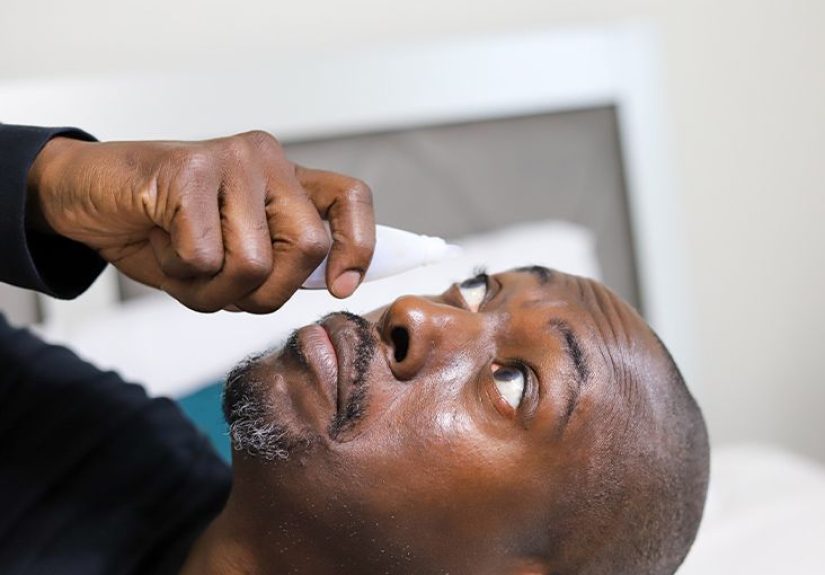
Artificial tears are often first-line for mild to moderate dry eye. Options include drops, gels, and ointments:
- Drops: great for daytime use; different formulations can target evaporation or surface irritation
- Gels: thicker and longer-lasting; may blur vision a bit
- Ointments: best at bedtime; can be very blurry but very soothing overnight
If you’re using drops more than a few times per day, ask about preservative-free options.
Preservatives can irritate the ocular surface when used frequently, especially in chronic dry eye.
Step 3: Treat the eyelids (because the problem is often in the “oil department”)
If you have evaporative dry eye or MGD, eyelid care can be a game-changer. Common recommendations include:
- Warm compresses: help soften thickened oils and improve gland flow
- Lid hygiene: gentle eyelid cleansing to reduce inflammation and debris along the lash line
- Eyelid massage (as instructed): sometimes recommended after warm compresses
This is also where patience matters. Eyelid-focused routines often help over weeks, not minutes.
Think “toothbrushing for your eyelids,” not “one miraculous spa day.”
Step 4: Prescription treatments (when lubrication isn’t enough)
For moderate to severe dry eye, clinicians may prescribe therapies that address inflammation or stimulate tear production.
Options can include:
- Anti-inflammatory prescription eye drops: such as cyclosporine or lifitegrast
- Short-term steroid drops: sometimes used briefly to calm significant inflammation (requires monitoring)
- Nasal spray therapy: varenicline solution nasal spray is approved to treat signs and symptoms of dry eye disease by stimulating natural tear production
Prescription therapies may take time to show benefit. It’s common for clinicians to pair short-term symptom relief
(like lubricants or a brief anti-inflammatory bridge) with longer-term disease control strategies.
Step 5: Keep tears on the eye longer (tear conservation and protection)
If your eyes make tears but they drain away too quickly, or if you need more surface protection, your clinician may suggest:
- Punctal plugs: tiny devices placed in tear drainage ducts to reduce tear loss
- Moisture chamber glasses: reduce evaporation, especially in windy/dry environments
- Scleral lenses: specialty lenses that can trap moisture against the ocular surface (often for more severe cases)
- Advanced drops: some patients with severe disease use compounded or biologic options like autologous serum tears (specialist-directed)
Step 6: In-office procedures (especially for MGD)
When MGD is a major driver, in-office treatments may help unclog and rehabilitate glands, often alongside at-home care.
Depending on your clinic and needs, options may include:
- Thermal therapies/heat with expression: designed to warm and clear blocked meibomian glands
- Intense pulsed light (IPL): used in some cases (often when inflammation/rosacea contributes)
These aren’t “one-and-done” cures, but they can reduce symptoms and improve tear stability in the right patientespecially
when paired with consistent eyelid care and appropriate drops.
When to see a doctor sooner rather than later
Dry eye is common, but not every irritated eye is “just dry eye.” Get prompt evaluation if you have:
- Significant eye pain, worsening redness, or light sensitivity
- Sudden vision changes or persistent blurred vision
- Thick discharge or suspicion of infection
- One eye much worse than the other (especially if it’s new)
- Severe symptoms plus dry mouth, joint pain, or systemic symptoms (possible autoimmune involvement)
Also, if you’re using redness-relief drops frequently, talk to a cliniciansome “get the red out” drops can worsen irritation
over time and don’t treat the underlying dryness.
Long-term management: what “winning” looks like with dry eye
Dry eye is often a chronic condition, which means success usually looks like consistent control, not a dramatic one-time fix.
Most people do best with a personalized routine that may include:
- Trigger control (airflow, humidity, screen habits)
- Regular lubrication (the right kind, at the right frequency)
- Eyelid care if MGD is present
- Prescription therapy when inflammation is part of the problem
- Periodic check-ins to adjust treatment as seasons, schedules, and health change
The most practical mindset shift: stop asking “What’s the one drop that fixes everything?” and start asking
“What combination keeps my eyes stable?” Dry eye is often a recipe, not a single ingredient.
Experiences: what dry eye feels like day-to-day (and what people say helps) 500+ words
Ask ten people with dry eye what it feels like, and you’ll get at least twelve descriptionsbecause dry eye is oddly creative.
Some say it’s “sandpaper under the lids.” Others describe a persistent burn, like you’ve been chopping onions in a wind tunnel.
Many people notice it most when they’re doing something visually demanding: working on spreadsheets, gaming, reading,
driving at night, or scrolling on a phone until their blink rate drops to “hibernating lizard.”
A common storyline goes like this: symptoms are mild in the morning, then build through the day. By late afternoon,
the eyes feel tired, vision may fluctuate, and contact lenses start to feel like they’ve quietly turned into potato chips.
People often report that certain environments “flip the switch”airplanes, dry hotel rooms, strong HVAC vents,
or long meetings in over-air-conditioned conference rooms where blinking feels optional (until it very much isn’t).
One of the most confusing experiences is the watery-eye paradox. Someone will say, “My eyes are constantly tearing,
so how can they be dry?” What they’re often experiencing is reflex tearing: the ocular surface gets irritated,
the body responds by flooding the system, but those tears may not have enough oil to stay put.
The result: eyes that water while still feeling uncomfortable, especially in wind or cold air.
When it comes to what helps, people frequently describe the biggest wins as surprisingly unglamorous. A small desktop humidifier,
moving a fan so it’s not aimed at the face, and switching to preservative-free drops when using them often can make a real difference.
Many also notice that “eye comfort” is tied to work habits: taking short breaks, lowering a monitor slightly,
and doing intentional slow blinks can reduce that end-of-day sting. (Yes, intentional blinking feels silly.
It’s also the rare wellness tip that doesn’t require a subscription.)
For those with MGD, warm compresses and eyelid hygiene are a frequent “I didn’t think this would matter, but wow” momentthough
it can take a few weeks to feel consistent improvement. Some people like structured routines: warm compress while listening to a podcast,
then lid cleaning, then drops. Building it into something you already do (coffee brewing, skincare, bedtime) improves consistency.
On the treatment-escalation side, many people report that prescription anti-inflammatory drops are less like a quick fix
and more like rebuilding a healthier baseline. It can take time, and there’s often a “bridge” period where you still need lubricants
while the long-term therapy kicks in. Others do best when tear drainage is addressed (for example, with punctal plugs),
especially if they produce some tears but can’t keep them on the eye. And for people with severe diseaseparticularly with autoimmune
involvementspecialty care (scleral lenses, biologic tear options, or targeted systemic evaluation) can be the turning point.
The most consistent theme from real-world experience: dry eye improves fastest when you stop treating it like a single symptom
and start treating it like a system. The right routine is the one you can actually stick withand the one that targets your “why,”
whether that’s evaporation from MGD, low tear production, inflammation, environmental triggers, or a combination of the above.
Conclusion
Dry eye can be annoying, distracting, and sometimes surprisingly disruptivebut it’s also one of those conditions where small,
smart changes can add up to big relief. Start by identifying your triggers, optimize your environment and screen habits,
choose lubrication thoughtfully, and address eyelid health if MGD is involved. If symptoms persist, prescription therapies,
tear-conservation strategies, and in-office treatments can help you regain comfort and protect the ocular surface.
If in doubt (or if symptoms escalate), an eye care professional can pinpoint the type of dry eye you have and tailor treatment
to what your eyes actually neednot what a random shelf of eye drops hopes you’ll buy.