Table of Contents >> Show >> Hide
- What a Good Doormat Actually Does (Beyond Saying “Hi”)
- The Main Doormat Types (And Who They’re For)
- 1) Coir Doormats: The Classic Scraper (Great… With One Big Caveat)
- 2) Rubber Doormats: The Low-Drama Workhorse
- 3) Polypropylene / Recycled PET: The All-Weather, Colorfast Choice
- 4) Microfiber / Fabric Indoor Mats: The Moisture Catchers
- 5) Jute/Sisal & Decorative Wovens: Beautiful, But Choose Carefully
- Size and Placement: Small Details, Big Difference
- Climate-Based Picks: Match the Mat to Your Weather Reality
- Safety and Accessibility: Keep It Cute, Keep It Flat
- Cleaning and Maintenance: The Unsexy Secret to a Mat That Works
- Doormat Style: Yes, Function Can Be Pretty
- The Quick “Doormat Roundup” Cheat Sheet
- Common Doormat Mistakes (So You Don’t Have to Learn the Hard Way)
- How to Shop Smarter (A Simple Checklist)
- Real-Life Doormat Experiences (Because the Entryway Is Where Life Happens)
A doormat is the bouncer of your home. It decides what gets in (guests, deliveries, your neighbor’s famous banana bread) and what stays out (grit, pollen, mystery sidewalk sludge, and that one leaf that somehow weighs 40 pounds when it’s wet). But here’s the twist: not all “welcome mats” are actually welcoming to dirt. Some are basically decorative napkins.
This doormat roundup is a practical (and slightly sassy) guide to choosing the right mat for your entrywaybased on real, tested advice from trusted home and cleaning authorities. We’ll break down materials, placement, climate needs, cleaning, and the classic mistakes that turn a doormat into a doormat-shaped disappointment.
What a Good Doormat Actually Does (Beyond Saying “Hi”)
The best doormats do two jobs: scrape and soak. Scraping removes grit and mud from shoe treads. Soaking (or wiping) catches moisture and fine dust that would otherwise hitchhike onto your floors. If your household deals with rain, snow, kids, pets, or “I just walked through the yard for one second,” you’ll get the best results with a two-mat system: a tougher scraper mat outside + an absorbent wiper mat inside.
Think of it like a skincare routine for shoes: exfoliate outdoors, blot indoors. One mat can help, but two mats can make a noticeable difference in how often you vacuum and mopespecially in high-traffic homes.
The Main Doormat Types (And Who They’re For)
1) Coir Doormats: The Classic Scraper (Great… With One Big Caveat)
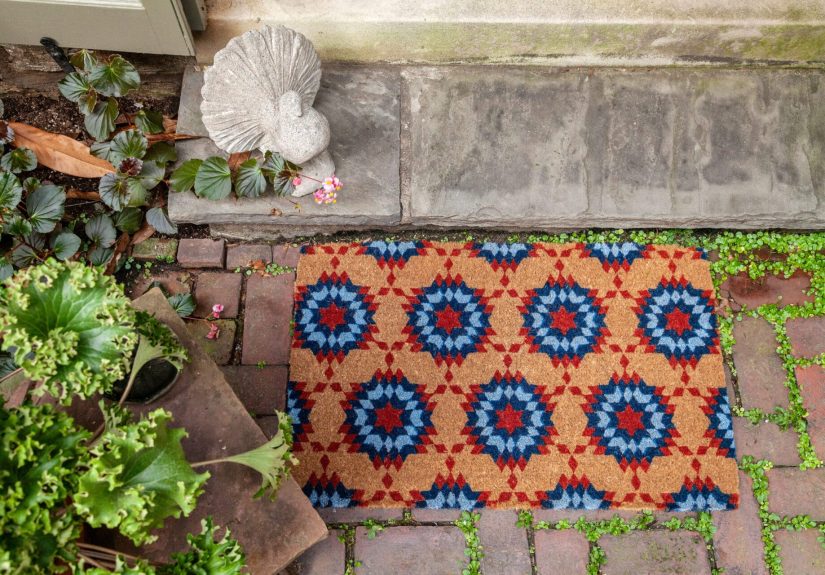
Coir mats are made from coconut husk fibers, which are naturally stiff and abrasiveperfect for scraping dirt off soles. They look timeless, fit almost any porch aesthetic, and give your entry that “we have our life together” vibe, even if the inside of your home is currently a laundry-based science experiment.
The caveat: coir doesn’t love being soaked. In very wet climates or fully exposed porches, a coir mat can stay damp too long, leading to faster breakdown (and sometimes mildew). Coir also sheds at first. If you want coir, it’s best on a covered entry or paired with a drainage-friendly setup.
2) Rubber Doormats: The Low-Drama Workhorse
Rubber mats are the “hose it off and move on” option. They’re tough, grippy, and great for rain-prone areas because they don’t absorb water the way natural fibers do. Many designs include raised patterns that help scrape off mud. If your forecast regularly includes the words “showers” or “slush,” rubber is a smart pick.
Bonus: rubber tends to stay put. If you’ve ever watched a lightweight mat scoot away like it owes your shoes money, you’ll appreciate a heavier, non-slip base.
3) Polypropylene / Recycled PET: The All-Weather, Colorfast Choice
Synthetic woven mats (often polypropylene or recycled PET) are great for uncovered areas. They’re typically UV-treated to resist fading and designed to dry quickly. If you want something that looks more “rug-like” but can handle outdoor use, this category is your sweet spot.
These also shine near patios and side doors where you want function without a bristly texture. They’re usually easier on bare feet than coir, which matters if you’re the type to grab the mail in socks and optimism.
4) Microfiber / Fabric Indoor Mats: The Moisture Catchers
Indoor mats made with microfiber or absorbent fabric are excellent at trapping fine dust and soaking up water from damp shoes. Many are machine-washable, making them ideal for families, pet households, and anyone who considers “mud season” a personality trait.
Use these inside the doorespecially if you have hardwood, LVP, or tile that shows every footprint like a crime scene.
5) Jute/Sisal & Decorative Wovens: Beautiful, But Choose Carefully
Natural woven fibers like jute and sisal look gorgeous and bring texture to an entry. They’re best indoors or on a covered porch. In wet conditions, they can stain or wear faster. If you love this look, consider using it as the indoor “style mat” and keep a more rugged scraper outside.
Size and Placement: Small Details, Big Difference
Most people buy a doormat that’s too small. A mat should be wide enough to comfortably stand on while unlocking the door and long enough to take at least one solid step (two steps is even better for moisture control). A common go-to size is 18″ x 30″, but many entryways do better with 24″ x 36″especially if you have a wider door, frequent guests, or a household that comes home wearing half the outdoors.
Also: mind the door swing. Thick mats can catch under doors and become annoying (or a trip hazard). If your door clearance is tight, look for “low-profile” mats. If you want extra safetyespecially in high-traffic pathsfavor mats with a firm backing and edges that lie flat.
Climate-Based Picks: Match the Mat to Your Weather Reality
Rainy Regions
Prioritize rubber or quick-dry synthetics outside, plus an absorbent wiper mat inside. The outside mat should scrape and shed water easily; the inside mat should catch what’s left. If you love coir, place it only where it’s protected from constant soaking.
Snow, Slush, and Salt
Snowy-season entryways do best with a rugged scraper outside and a larger inside mat that can handle repeated wet shoes. Consider a mat with a textured surface to break up slush and a backing that won’t slide on smooth floors. During heavy winter months, it’s normal to clean mats more oftensalt and grit build up quickly.
Hot Sun / High UV
If your entry gets intense sunlight, synthetics with UV resistance generally hold up better than many natural fibers. Fading isn’t just a style issue: some materials break down faster in harsh exposure.
Beach and Sand
Sand is sneaky. It’s fine enough to bypass weak textures, but gritty enough to scratch floors. Choose a mat with a more aggressive texture outside (rubber patterns or sturdy coir in a covered spot) and a dust-trapping indoor runner if the beach is basically your second address.
Safety and Accessibility: Keep It Cute, Keep It Flat
A doormat shouldn’t become a barrier. In public and commercial settings, accessibility standards often focus on stable, secure surfaces and limiting thick, cushiony, or loose pile. While your home doesn’t operate like an airport terminal, the principle is still helpful: choose mats that lie flat, don’t buckle, and won’t slide.
If you have older adults at home, kids who sprint indoors like they’re being timed, or anyone using mobility aids, look for low-profile mats, non-slip backing, and edges designed to reduce tripping. “Stylish” is great, but “doesn’t send anyone flying” is greater.
Cleaning and Maintenance: The Unsexy Secret to a Mat That Works
Here’s the thing: a doormat that’s packed with dirt eventually starts sharing dirt. Regular cleaning keeps it effective and helps cut down on indoor dust and allergens.
Easy Weekly Routine (5 minutes)
- Shake it out outdoors (or smack it against a railing like you’re exorcising dust demons).
- Vacuum both sides if possible, especially for coir and fabric mats.
- Spot-check edges for curling or slippingfix it before it becomes a trip hazard.
Deeper Cleaning (Monthly or Every Other Month)
- Coir: shake, vacuum, and brush when dry. Avoid soaking. Let it dry fully if it gets damp.
- Rubber: scrub with soapy water and rinse with a hose; air dry in sunlight if you can.
- Washable fabric mats: follow label directions; air dry if backing could degrade in high heat.
If your mat smells “earthy” in a way that feels suspicious rather than charming, it’s time for a cleaning (or a swap). Mats don’t last forever, and replacing a worn-out one can be cheaper than refinishing scratched floors.
Doormat Style: Yes, Function Can Be Pretty
A doormat is basically the handshake of your house. You can keep it classic (simple stripe, natural coir), go bold (graphic patterns, bright color), or lean seasonal (hello, autumn porch). The trick is picking style that doesn’t sabotage performance.
- For minimalists: solid rubber or subtle woven synthetics that hide dirt.
- For farmhouse/coastal vibes: coir (covered porch) or rope-like textures that feel casual and warm.
- For busy households: darker tones, patterns that camouflage grime, and washable indoor mats.
- For pet homes: easy-clean surfaces outside + absorbent, machine-washable mats inside.
The Quick “Doormat Roundup” Cheat Sheet
Best for scraping mud
Coir (covered) or textured rubber (exposed).
Best for soaking wet shoes
Microfiber/fabric indoor mats (washable if possible).
Best for uncovered porches
Rubber or UV-resistant synthetic (polypropylene/PET).
Best for tight door clearance
Low-profile mats with firm backing and edges that stay flat.
Best for low maintenance
Rubber: rinse, scrub, dry. Minimal drama.
Common Doormat Mistakes (So You Don’t Have to Learn the Hard Way)
- Buying a mat that’s too small: dirt simply walks around it.
- Choosing the wrong material for your exposure: coir in constant rain is a fast track to regret.
- Skipping the indoor mat: outside scraping helps, but moisture needs a second line of defense.
- Ignoring slip and curl: if the mat moves, it’s not doing its job (and it’s a hazard).
- Never cleaning it: a filthy mat eventually becomes a dirt distributor.
How to Shop Smarter (A Simple Checklist)
- Measure your space: door width, available depth, and door clearance.
- Decide placement: outside, inside, or both (best).
- Match material to weather: wet = rubber/synthetic; covered = coir works well.
- Look for safety: non-slip backing, edges that lie flat, no buckling.
- Plan for cleaning: choose a mat you’ll realistically maintain.
Real-Life Doormat Experiences (Because the Entryway Is Where Life Happens)
The funny thing about doormats is that you don’t notice a great onebecause it quietly prevents chaos. But you absolutely notice a bad one. And if you’ve ever hosted people during a rainy week, you already know the entryway can become the unofficial “mud museum” of your home.
One common scenario: the “it barely rained” rainstorm. Someone comes home, wipes their shoes once (a symbolic gesture), and steps inside with wet soles. If the only mat you have is outside, the moisture travelsonto tile, then onto socks, then into every room like it pays rent. Homeowners who fix this usually do one simple thing: add an absorbent indoor mat or runner right inside the door. Suddenly, those first two steps capture most of the mess, and the rest of the house stays calmer.
Another real-world classic is the pet household entry. Dogs don’t “wipe,” they arrive. After a walk, paws bring in fine dirt, dampness, and whatever your dog found fascinating in the grass. People often try to solve this with a thicker, fluffier mat, but thick doesn’t always mean better. A better approach is a grippy, easy-clean scraper outside (rubber is a hero here) and a washable wiper mat inside that can handle frequent cleaning. The goal isn’t to create a spa for pawsit’s to create a controlled zone where the mess stops.
If you live somewhere snowy, the doormat problem becomes a winter sport. Slush, salt, and gravel don’t just make floors dirty; they can wear down finishes and scratch surfaces. In these homes, bigger mats win. A small mat is like bringing a paper towel to a flood. Many households end up using a durable outside mat plus a larger inside mat (or even a runner) that allows multiple steps. The best setups also include a quick habit shift: shoes come off in the entry, and the mat is treated as the “transition zone,” not just decoration.
Apartment dwellers have their own twist: limited space and strict door clearance. A thick mat that catches under the door becomes instantly annoying (and will be blamed for everything, including bad vibes). Low-profile mats are the secret here. You still want scraping texture and non-slip backing, but with a slimmer build that keeps the door moving freely. In small spaces, a good mat does double duty: it keeps dirt down and visually defines the entry, making the whole place feel more organized.
And then there’s the “beach sand problem,” which deserves its own warning label. Sand is tiny, sharp, and determined. It clings to feet and falls off lateroften far from the door. People who win against sand usually rely on texture outside and dust-trapping fibers inside. It’s less about one perfect mat and more about creating a short “sand checkpoint” that catches grit before it spreads.
The takeaway from all these experiences is surprisingly consistent: the best doormat isn’t just a product, it’s a system. Choose the right material for your weather, size it generously, keep it flat and stable, and clean it often enough that it can keep doing its job. Your floors will look better, your cleaning time will shrink, and your entryway will stop feeling like the opening scene of a disaster movie.