Table of Contents >> Show >> Hide
- What Is Dip Tobacco?
- How Dip Affects Your Gums
- Dip Gum Disease and Tooth Loss: What Is the Connection?
- Other Oral Effects of Dip
- Effects Beyond the Mouth
- Warning Signs You Should Not Ignore
- How Dentists Diagnose Dip-Related Damage
- Can Quitting Dip Improve Gum Health?
- Practical Steps to Protect Your Mouth
- Common Myths About Dip and Dental Health
- Experience-Based Section: What People Often Notice When Dip Starts Affecting Their Mouth
- Conclusion
Note: This article is for educational purposes only and does not replace advice from a dentist, physician, periodontist, or tobacco-cessation specialist.
Dip tobacco may not come with smoke clouds, ashtrays, or the dramatic movie-villain cough, but that does not make it harmless. Smokeless tobaccooften called dip, chew, snuff, or spit tobaccosits directly against the gums, teeth, cheeks, and lips. In other words, it does not need a chimney to cause trouble. It delivers nicotine through the lining of the mouth while bathing oral tissues in irritants, sugars, abrasives, and cancer-causing chemicals.
The result can be a slow-moving dental disaster: gum recession, gum disease, tooth decay, stained teeth, bad breath, loose teeth, tooth loss, and a higher risk of oral cancer. The tricky part is that damage may develop quietly. A person may not notice much beyond a little rough patch, a receding gumline, or a tooth that suddenly feels “different.” By the time pain shows up waving a tiny red flag, the gums and bone may already be in trouble.
This guide explains how dip affects gum health, why tooth loss can happen, which warning signs deserve attention, and what quitting can do for your mouth and overall health.
What Is Dip Tobacco?
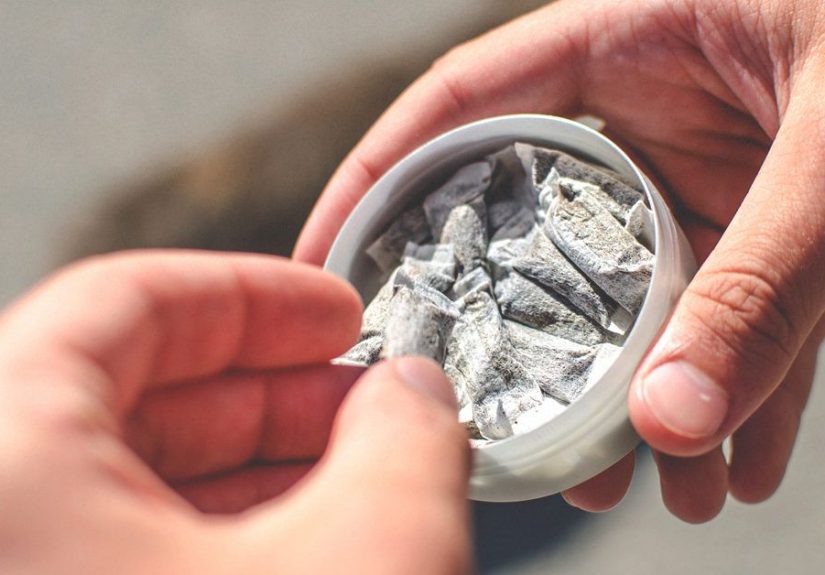
Dip is a type of smokeless tobacco typically placed between the lower lip or cheek and the gums. Users may keep it in place for several minutes or longer, allowing nicotine to absorb through the oral tissues. Some products are loose, while others come in pouches. Related products include chewing tobacco, moist snuff, dry snuff, and snus.
Because there is no burning, some people assume dip is a safer choice than cigarettes. That assumption is where the plot takes a bad turn. Smokeless tobacco still contains nicotine, which is addictive, and many products contain tobacco-specific nitrosamines and other harmful substances. The mouth is not just “near” the product; it is the product’s parking lot.
How Dip Affects Your Gums
Healthy gums are supposed to hug the teeth like a supportive friend. Dip can irritate that relationship. When tobacco rests against the same area again and again, it can inflame and damage gum tissue. Over time, the gums may pull away from the teeth, creating recession and exposing sensitive root surfaces.
Gum Recession
Gum recession is one of the most visible effects of dip use. The gumline moves downward or upward, depending on the tooth location, making teeth look longer. Exposed roots are more sensitive than enamel-covered crowns, so cold drinks, sweet foods, brushing, or even air can start to feel unpleasant.
Receded gums do not simply grow back on command. Once tissue is lost, treatment may require professional care, such as deep cleaning, periodontal therapy, or in some cases gum grafting. That is why catching early changes matters.
Gingivitis and Periodontitis
Gingivitis is early gum inflammation. It can cause redness, swelling, tenderness, and bleeding while brushing or flossing. If untreated, it can progress to periodontitis, a more serious form of gum disease that damages the tissues and bone supporting the teeth.
Periodontitis is not just “angry gums.” It is a structural problem. As the bone and ligaments around teeth break down, pockets form between teeth and gums. These pockets collect bacteria and tartar, making the disease harder to control. Eventually, teeth can loosen. When the foundation fails, even a good-looking tooth can become unstable.
Dip Gum Disease and Tooth Loss: What Is the Connection?
Tooth loss usually does not happen overnight. It is often the final chapter in a story that began with irritation, plaque, gum pockets, bone loss, and untreated infection. Dip can contribute to several parts of that process.
First, tobacco exposure can irritate gum tissue and make the mouth more vulnerable to periodontal problems. Second, sugars in some smokeless tobacco products can contribute to cavities, especially on exposed roots. Third, tobacco use can interfere with healing, making gum treatment less predictable. Finally, nicotine can reduce blood flow in oral tissues, which may mask bleeding and make gum disease seem less obvious than it really is.
That last point is sneaky. Some people think, “My gums do not bleed, so I’m fine.” Not necessarily. Tobacco can make gums bleed less even when disease is present. It is like turning down the fire alarm instead of putting out the fire.
Other Oral Effects of Dip
Tooth Decay and Root Cavities
Dip can increase the risk of tooth decay, especially when gums recede and tooth roots become exposed. Root surfaces are softer than enamel and more vulnerable to cavities. If a dip product contains sugar or is used frequently throughout the day, the mouth may spend more time in an acid-friendly environment where bacteria can damage teeth.
Stained Teeth and Bad Breath
Smokeless tobacco can stain teeth brown or yellow, and the effect can be stubborn. It may also cause persistent bad breath. Mints may cover the smell for a few minutes, but they cannot fix irritated tissue, dry mouth, or bacteria buildup. That is like spraying air freshener in a gym bag and calling it laundry.
White or Gray Patches in the Mouth
Dip can cause white or gray patches called leukoplakia, often in the place where tobacco is held. These patches may be harmless in some cases, but they can also be precancerous. Any patch, sore, lump, or rough area that does not heal should be checked by a dentist or doctor.
Oral Cancer Risk
Smokeless tobacco is linked to cancers of the mouth, throat, esophagus, and pancreas. Oral cancer may begin as a sore that does not heal, a lump, a red or white patch, numbness, pain, or difficulty chewing or swallowing. Because early oral cancer can be subtle, regular dental visits are important, especially for anyone who uses tobacco.
Changes in Taste and Eating
Dip can dull taste and make the mouth feel dry or irritated. When chewing becomes uncomfortable because of gum sensitivity, loose teeth, sores, or decay, eating habits may shift. People may avoid crunchy vegetables, nuts, apples, steak, or other foods that require strong teeth. Over time, oral health can affect nutrition, confidence, and quality of life.
Effects Beyond the Mouth
Dip is placed in the mouth, but nicotine does not politely stay there. It enters the bloodstream and can affect the heart and blood vessels. Smokeless tobacco use is associated with increased risks involving heart disease and stroke. Nicotine can raise heart rate and blood pressure, and long-term use can keep the body in a stressed state.
For pregnant people, smokeless tobacco is especially concerning because nicotine can affect fetal development, and tobacco exposure is linked with serious pregnancy risks. Children are also at risk if they accidentally ingest smokeless tobacco products, which can cause nicotine poisoning.
Warning Signs You Should Not Ignore
Some dip-related problems are easy to brush off until they become expensive, painful, or permanent. Pay attention to these warning signs:
- Gums pulling away from teeth
- Teeth that look longer than before
- Loose teeth or changes in your bite
- Bleeding, swollen, or tender gums
- Bad breath that does not improve
- Tooth sensitivity to cold, heat, or sweets
- White, gray, or red patches in the mouth
- Sores that do not heal within two weeks
- Pain when chewing
- A lump in the cheek, lip, mouth, or neck
If any of these appear, schedule a dental or medical exam. Waiting for symptoms to “prove themselves” is not a great strategy. Teeth are not like phone chargers; once the original set is gone, replacement gets complicated.
How Dentists Diagnose Dip-Related Damage
A dentist or periodontist may check gum pocket depth, gum recession, tooth mobility, plaque and tartar levels, cavities, bite changes, and signs of oral lesions. Dental X-rays can show whether bone has been lost around the teeth. During an oral cancer screening, the provider may examine the lips, cheeks, tongue, floor of the mouth, palate, throat area, and neck.
If a patch or sore looks suspicious, a biopsy or referral may be recommended. That does not automatically mean cancer. It means the provider wants answers instead of guesswork, which is exactly what you want when your mouth starts acting mysterious.
Can Quitting Dip Improve Gum Health?
Yes. Quitting dip can reduce ongoing irritation, lower exposure to harmful chemicals, improve breath, help protect remaining gum and bone, and reduce future risk. Some damage, such as gum recession or bone loss, may not reverse on its own, but stopping tobacco gives your mouth a better chance to stabilize.
Quitting also helps dental treatment work better. Periodontal cleanings, gum therapy, fillings, implants, and oral surgery generally depend on healing. Tobacco makes healing harder. Removing it from the equation is like asking the body to repair a roof after the hailstorm stops.
Practical Steps to Protect Your Mouth
1. Set a Quit Date
Pick a realistic quit date and prepare for it. Many people do better when the date is close enough to feel urgent but far enough away to plan. Clear out cans, pouches, spit bottles, and backup stashes.
2. Know Your Triggers
Common triggers include driving, gaming, working outside, drinking coffee, stress, boredom, sports, and being around other users. Replace the ritual with something less destructive: sugar-free gum, toothpicks, sunflower seeds, water, walking, deep breathing, or a quick text to someone who knows you are quitting.
3. Talk to a Professional
A dentist, physician, or quitline counselor can help build a quitting plan. Nicotine replacement therapy or prescription medications may be appropriate for some people. The goal is not to win a willpower contest; the goal is to quit successfully.
4. Schedule a Dental Exam
If you use or recently quit dip, a dental exam is a smart move. Ask for a gum evaluation and oral cancer screening. If gum disease is present, treatment may include professional cleaning, scaling and root planing, improved home care, antibacterial therapy, or referral to a periodontist.
5. Upgrade Daily Oral Care
Brush twice daily with fluoride toothpaste, floss or clean between teeth once daily, and use any dentist-recommended rinses or tools. Do not scrub receded gums aggressively; hard brushing can worsen abrasion and recession. Use a soft-bristled toothbrush and gentle technique.
Common Myths About Dip and Dental Health
Myth: “Dip is safer because there is no smoke.”
No smoke does not mean no risk. Dip exposes the mouth directly to nicotine, irritants, and cancer-causing chemicals. The lungs may not be the main target, but the gums, teeth, cheeks, lips, and throat are still in the line of fire.
Myth: “I only put it in one spot, so the rest of my mouth is fine.”
The placement area may show the most obvious damage, but nicotine and other chemicals can affect the entire mouth and body. Also, one damaged area is still a serious problem if it includes gum recession, bone loss, or a suspicious patch.
Myth: “My teeth do not hurt, so I do not have gum disease.”
Gum disease can be painless for a long time. Pain is not a reliable early-warning system. Regular dental exams are better than waiting for a tooth to send an angry resignation letter.
Experience-Based Section: What People Often Notice When Dip Starts Affecting Their Mouth
Many people who use dip describe the early stage as “not a big deal.” The habit often fits into a routine: a pinch while driving, a pouch during work, a dip after meals, or a can shared during hunting, fishing, sports, or long shifts. At first, the mouth may seem to tolerate it. There may be a little tingling, a familiar burn, or some dryness. Because nothing dramatic happens immediately, the habit feels manageable.
Then small signs begin to stack up. One person may notice that the gumline near the lower front teeth looks lower than before. Another may feel sensitivity when drinking iced tea. Someone else may see a white patch inside the lip where the dip usually sits. Bad breath becomes harder to hide. A dental hygienist may mention deeper pockets or more tartar. The user may joke it off, because humor is easier than flossing and existential dread.
A common experience is surprise. People often expect tobacco damage to look dramatic, but gum recession can be quiet and gradual. The mirror may not reveal much until the gums have already pulled back. A tooth may begin to feel slightly loose, or food may get trapped in new spaces near the gumline. The person may start chewing on the other side without realizing it. Avoiding discomfort becomes automatic.
Dental visits can become emotional at this point. Hearing words like “bone loss,” “periodontal pockets,” or “possible biopsy” can be frightening. It is also common to feel embarrassed. But dentists have seen tobacco-related damage many times. Their job is not to shame; it is to diagnose, treat, and help prevent worse outcomes. The earlier a person goes in, the more options usually remain.
Quitting dip also comes with real experiences that deserve honesty. Cravings can hit during the exact moments when dip used to feel automatic: after coffee, during stress, while driving, or after a meal. The mouth may feel restless. Some people miss the hand-to-mouth ritual more than they expected. Others feel irritable, distracted, or hungry. This does not mean quitting is failing. It means nicotine addiction is loud, annoying, and very bad at accepting eviction notices.
People who stay quit often build replacement routines. They keep water nearby, use sugar-free gum, take short walks, brush after meals, or text a friend when cravings peak. Some use nicotine replacement therapy under professional guidance. Others lean on quitlines, apps, dental teams, or family support. The best plan is usually the one that survives real life, not the one that looks heroic on paper.
Over time, many former users notice practical wins. Breath improves. The mouth feels cleaner. Dental cleanings may become less uncomfortable. The anxiety of hiding a can, finding a place to spit, or worrying about mouth sores begins to fade. The gums may not magically return to their original position, but stopping dip can help protect what remains. That is a meaningful victory.
The biggest lesson from real-world experience is simple: do not wait until a tooth is loose to take dip seriously. Gum disease is easier to manage early. Suspicious patches are safer when checked early. Quitting is easier with support. Your mouth does a lot for youtalking, eating, smiling, laughing, and occasionally stopping you from saying exactly what you are thinking in a meeting. It deserves better than being treated like a tobacco storage unit.
Conclusion
Dip tobacco can damage the mouth in several ways, including gum disease, gum recession, tooth decay, stained teeth, bad breath, oral lesions, tooth loss, and increased cancer risk. The danger is not only in what dip contains, but also in how it is used: pressed directly against delicate oral tissues for repeated nicotine delivery.
The good news is that quitting can make a real difference. It can reduce ongoing irritation, support better healing, lower future risk, and help protect your remaining teeth and gums. If you currently use dip, schedule a dental exam, ask for an oral cancer screening, and consider professional help for quitting. Your gums may be quiet, but they are not invincibleand they have been doing unpaid support work for your teeth for years.