Table of Contents >> Show >> Hide
Getting diagnosed with chronic obstructive pulmonary disease (COPD) can feel like someone just handed you a lifelong to-do list you didn’t ask for. The good news? COPD is treatable. While there’s no cure yet, the right mix of medicines, therapies, surgeries (for a select few), and everyday lifestyle changes can slow the disease down, reduce flare-ups, and help you breathe easierliterally.
Think of COPD treatment as a team effort: your lungs, your healthcare providers, your medications, and your daily habits all working together. In this guide, we’ll break down the main treatment optionsfrom inhalers and oxygen therapy to lung surgery and real-world lifestyle tweaksso you can better understand what’s possible and what questions to bring to your doctor.
What Are the Goals of COPD Treatment?
COPD treatment isn’t just about opening your airways in the moment. Long-term care aims to:
- Relieve symptoms like shortness of breath and chronic cough
- Improve your ability to stay active and do everyday tasks
- Reduce the number and severity of exacerbations (flare-ups)
- Slow the decline of lung function over time
- Improve overall quality of lifeand ideally, length of life
To get there, most people with COPD use a combination of medications, therapies, and lifestyle changes, with surgery reserved for severe, carefully selected cases.
Core Medical Treatments for COPD
Bronchodilators: The Front Line of COPD Therapy
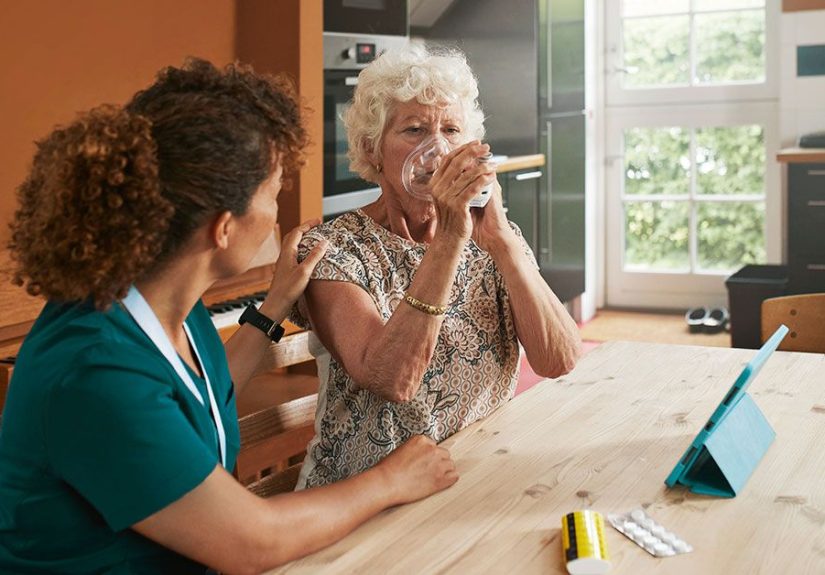
Bronchodilators are inhaled medications that relax the muscles around your airways, helping them open up so air can move more freely. They’re considered the cornerstone of COPD treatment.
Bronchodilators come in two main types:
-
Short-acting bronchodilators (often called “rescue inhalers”):
Used for quick relief when symptoms flare. These include short-acting beta agonists (SABAs) and short-acting muscarinic antagonists (SAMAs). -
Long-acting bronchodilators:
Taken every day to keep airways more consistently open. These include:- Long-acting beta agonists (LABAs)
- Long-acting muscarinic antagonists (LAMAs)
Many people start with a single long-acting bronchodilator. As symptoms progress, doctors often prescribe a dual bronchodilator (LABA + LAMA in one inhaler) for stronger, longer-lasting symptom control.
Inhaled Corticosteroids and Triple Therapy
Inhaled corticosteroids (ICS) reduce airway inflammation. They’re not for everyone with COPD, but they can be helpful if you:
- Have frequent exacerbations (for example, two or more moderate flare-ups a year)
- Have high blood eosinophil counts, a blood marker associated with inflammation
- Have overlapping asthma and COPD features
Many patients with more severe or unstable COPD end up on what’s called triple therapy: an inhaler that combines a LABA, a LAMA, and an ICS. This approach can reduce exacerbations and improve lung function for people who continue to struggle despite dual bronchodilator therapy.
One important note: inhaled steroids can increase the risk of pneumonia in some patients, so your healthcare provider will weigh benefits and risks carefully.
Other COPD Medications You Might Hear About
Depending on your symptoms and history, your care team might also recommend:
-
Phosphodiesterase-4 (PDE4) inhibitors (like roflumilast):
Often used in severe COPD with chronic bronchitis and frequent exacerbations to help reduce flare-ups. -
Long-term macrolide antibiotics (such as azithromycin):
For selected patients with frequent exacerbations despite optimized inhaler therapy. These can reduce flare-ups but require careful monitoring for side effects. -
Mucolytics:
Help thin and loosen mucus, making it easier to cough up in people with very phlegmy COPD.
Oxygen Therapy: When Air Needs a Boost
If your blood oxygen levels are consistently low, your doctor may recommend long-term oxygen therapy. This usually involves a small concentrator device at home and lightweight portable systems for when you’re out and about.
Long-term oxygen therapy has been shown to improve survival and quality of life in people with severely reduced oxygen levels. You’ll typically undergo blood tests or a walking test to see if you meet the criteria.
Noninvasive Ventilation: Extra Support for Exhausted Lungs
In advanced COPD, especially when there’s chronic hypercapnia (elevated carbon dioxide levels), your lungs may need more help than oxygen alone. That’s where noninvasive ventilation (NIV) comes in.
NIV uses a snug mask connected to a machine that assists your breathing, usually at night. Long-term home NIV has been shown in recent studies to:
- Improve survival in selected patients with severe, stable COPD and high carbon dioxide levels
- Reduce hospitalizations and exacerbations
- Improve quality of life for some people
NIV isn’t for every person with COPD, but if you’ve had episodes of respiratory failure or repeated hospital stays, your pulmonologist may discuss whether you’re a candidate.
Pulmonary Rehabilitation and Non-Drug Therapies
Pulmonary Rehabilitation: Training for Your Lungs (and You)
If you think “rehab” is just for athletes and surgeries, COPD is here to prove you wrong. Pulmonary rehabilitation is one of the most effective non-drug treatments available and is recommended for many people with moderate to severe COPD.
A typical pulmonary rehab program includes:
- Supervised exercise training (walking, cycling, strength training)
- Breathing techniques (like pursed-lip breathing)
- Education about COPD, inhaler technique, and symptom management
- Nutrition guidance
- Support for anxiety, depression, and adjusting to life with COPD
People who complete pulmonary rehab often walk farther, feel less short of breath, and report better quality of life. It’s strongly recommended after hospitalization for a COPD exacerbation, when it’s safe to participate.
Vaccinations and Infection Prevention
Respiratory infections can quickly turn into serious COPD exacerbations. That’s why guidelines emphasize:
- Annual flu vaccination
- Pneumococcal vaccination (per age and risk-based schedules)
- COVID-19 vaccination and recommended boosters
- Newer vaccines (like RSV) for eligible adults, based on current recommendations
Good hand hygiene, avoiding sick contacts when possible, and early treatment of respiratory infections also play a big role in keeping you out of the hospital.
Surgical and Interventional Options for Severe COPD
Surgery is not a first-line treatment for COPD, but for a small, carefully selected group of people with very severe disease, it can be life-changing. These options are typically considered in specialized centers after maximal medical and rehab therapy.
Lung Volume Reduction Surgery (LVRS)
Lung volume reduction surgery usually targets people with severe emphysema, especially when it’s worse in the upper parts of the lungs. Surgeons remove the most damaged, overinflated areas of lung tissue so the remaining, healthier lung can work more efficiently.
Potential benefits of LVRS include:
- Less shortness of breath
- Better exercise tolerance
- Improved quality of life
But LVRS is major surgery with real risks, including complications and a long recovery. Eligibility criteria often include:
- Severe emphysema on imaging
- Marked limitation from breathlessness
- No current smoking (usually for several months or longer)
- Completion of pulmonary rehabilitation
- Appropriate lung function test ranges and acceptable surgical risk
Bronchoscopic Lung Volume Reduction
For some people, less invasive procedures done via bronchoscopy (using a thin tube passed into the airways) may be an option. These include placing tiny one-way valves or coils to collapse overinflated lung segments without open surgery.
These procedures can improve symptoms and exercise tolerance for carefully selected patients, particularly those with heterogeneous emphysema. They still carry risks and require evaluation at a specialized center.
Lung Transplantation: A Last-Resort Option
In end-stage COPD, when symptoms remain severe despite maximal therapy, lung transplantation may be considered. A transplant replaces one or both diseased lungs with donor lungs.
Potential benefits of transplantation include:
- Significant improvement in lung function
- Better exercise capacity
- Improved quality of life
However, transplant comes with major trade-offs: lifelong immunosuppressive medications, a risk of serious infections and rejection, a limited donor pool, and a survival timeline that still lags behind other organ transplants. Not everyone with severe COPD will be a candidate, and referral is usually reserved for younger, otherwise suitable patients with very advanced disease.
Lifestyle Changes That Make a Real Difference
Stopping Smoking: The Single Most Powerful Step
If you smoke, quitting is the most important COPD treatment you control. It’s the only intervention clearly shown to slow the decline in lung function. Medications (like nicotine replacement, varenicline, or bupropion), counseling, and support programs dramatically improve your chances of success.
And no, it’s not “too late” if you’ve smoked for decades. People with COPD who quit smoking still gain benefits in symptoms, flare-ups, and long-term outcomes compared with those who continue.
Stay Moving: Exercise as Medicine
When breathing is hard, it’s natural to want to avoid activity. The problem is, inactivity weakens muscles, which then makes every movement feel even harder. It’s a vicious cycle.
Regular, appropriate exercisewalking, gentle cycling, light strength trainingbuilds endurance and muscle strength, making daily activities easier. Pulmonary rehab is a great place to learn how to exercise safely. After that, maintaining a routine at home or in the community helps keep your gains.
Eating Well and Managing Weight
COPD can increase your body’s energy needs, especially in advanced stages. Some people lose weight and muscle mass; others gain weight due to inactivity or certain medications. Both underweight and obesity are linked to worse outcomes.
A balanced, nutrient-dense diet supports muscle health and energy levels. Small, frequent meals may feel easier than large ones if you get short of breath while eating. A registered dietitian can help tailor a plan to your needs.
Protecting Your Air Quality
Your lungs already have enough going on; they don’t need extra insults from smoke, strong fumes, or high pollution days. Helpful strategies include:
- Avoiding secondhand smoke and vaping aerosols
- Reducing exposure to dust, strong chemical cleaners, and air pollutants
- Using exhaust fans when cooking
- Checking local air quality reports and staying indoors during bad air days when possible
Mental Health and Social Support
COPD doesn’t just affect your lungsit affects your mood, relationships, and sense of independence. Anxiety and depression are common and absolutely understandable. Support groups, counseling, and sometimes medication can help.
Staying socially connected, even if you have to modify how you do things, can be just as important as any inhaler in helping you feel like yourself.
Working With Your Healthcare Team
COPD care works best when it’s ongoing and collaborative. Expect your treatment plan to evolve as your symptoms and lung function change.
Key pieces of a strong COPD care plan include:
- Regular follow-up visits with your healthcare provider or pulmonologist
- Reviewing and adjusting your inhaler regimen over time
- Periodic lung function tests (spirometry) and oxygen checks
- A written COPD action plan so you know what to do when symptoms worsen
- Timely treatment of exacerbations to prevent complications
If you’re needing urgent care or hospital visits more often, or if activities that used to be manageable now feel impossible, that’s a sign to revisit your treatment strategy and ask whether additional therapieslike pulmonary rehab, NIV, or evaluation for advanced interventionsmight be appropriate.
Real-Life Experiences With COPD Treatment
Everyone’s COPD story is different, but certain patterns show up again and again. Here are a few composite examples based on common real-world experiences (names and details changed, of course).
Maria: Discovering the Power of Pulmonary Rehab
Maria, 62, had been living with COPD for several years. She used her inhalers “when she remembered,” avoided stairs, and slowly gave up activities she lovedlike gardening and walking the neighborhood with her friends. After a hospitalization for a bad flare, her doctor recommended pulmonary rehab. She hesitated (“Exercise? With these lungs?”), but eventually gave it a try.
During rehab, she learned how to pace herself, how to do pursed-lip breathing, andimportantlyhow to use her long-acting inhaler consistently. After eight weeks, she could walk farther without stopping, felt more confident going out, and reported fewer “bad breath days.” Her lung function numbers didn’t magically jump, but her quality of life did. Rehab didn’t cure her COPD, but it helped her feel like she got part of her life back.
James: Combining Oxygen and Noninvasive Ventilation
James, 69, had advanced COPD with chronic respiratory failure. He was already on home oxygen, but still felt exhausted and had been hospitalized multiple times for CO₂ retention. His pulmonologist suggested adding nighttime noninvasive ventilation.
The first few nights were roughgetting used to a mask and machine isn’t exactly cozy. But after a few weeks of adjustments, James noticed something surprising: his mornings felt less foggy, his headaches eased, and he could walk a little farther with his walker. He still had severe COPD, but the combination of oxygen, carefully tuned inhaler therapy, and NIV reduced his hospital time and gave him more stable days at home.
Denise: When Surgery Becomes an Option
Denise, 57, had severe emphysema primarily in the upper lobes of her lungs. She had quit smoking years earlier and completed pulmonary rehab, but still couldn’t walk from her living room to the front door without resting. After a thorough evaluation, her team decided she was a candidate for lung volume reduction surgery.
The recovery wasn’t simplethere was pain, rehab, and a lot of patience required. But months later, Denise could walk farther with less breathlessness, and her day-to-day life felt more manageable. Was she “back to normal”? No. But the surgery, layered on top of optimized COPD treatment and lifestyle changes, shifted the balance in her favor.
What These Stories Have in Common
Maria, James, and Denise didn’t find a magic fix. What worked for them was a combination of:
- Evidence-based medical treatments tailored to their situation
- Rehabilitation and daily movement
- Serious commitment to smoking cessation (when relevant)
- Support from specialists, family, and community
That’s the real story of COPD treatment: not a single dramatic moment, but a series of smart choices, adjustments, and supports that add up over time. If you’re living with COPD, you deserve a plan that’s just as individual as you areone that blends therapy, surgery (if appropriate), and lifestyle changes into a strategy that fits your life and goals.
Always talk with your healthcare provider before changing medications, adding new therapies, or starting an exercise program. This article is for information and inspirationnot a substitute for personal medical advice.