Table of Contents >> Show >> Hide
- What COPD Actually Is (in Plain English)
- Common Symptoms of COPD (and What They Feel Like in Real Life)
- Symptoms People Often Miss (Because They’re Sneaky Like That)
- What a COPD Flare-Up (Exacerbation) Looks Like
- When Symptoms Need Urgent Care
- How COPD Is Diagnosed (No, It’s Not Just a Stethoscope Moment)
- Step 1: A Detailed History (Your Story Matters)
- Step 2: Physical Exam (Useful, But Not the Final Verdict)
- Step 3: Spirometry (The Main Test That Confirms COPD)
- Step 4: Additional Lung Function Tests (When More Detail Helps)
- Step 5: Oxygen Tests (Pulse Oximetry and Sometimes Arterial Blood Gas)
- Step 6: Imaging (Chest X-ray or CT Scan)
- Step 7: Labs for Specific Situations (Including Alpha-1 Antitrypsin Deficiency)
- Why COPD Is Sometimes Misdiagnosed
- Preparing for a COPD Diagnostic Appointment (So You Don’t Forget Everything)
- FAQ: Quick Answers People Want Before They Google Themselves into a Spiral
- Conclusion: The Big Picture
- Experiences: What COPD Symptoms and Diagnosis Feel Like in the Real World (About )
COPD (chronic obstructive pulmonary disease) is the kind of condition that likes to sneak up on people. One day you’re “just a little winded,”
and the next you’re negotiating with a flight of stairs like it’s a hostile witness. The tricky part? Many COPD symptoms overlap with everyday stuff
(aging, allergies, “I’m out of shape,” that cold you swear is still hanging around).
This article breaks down the most common COPD symptoms, the less-obvious warning signs people ignore, and exactly how clinicians diagnose COPDstep by step.
You’ll walk away knowing what’s normal, what’s not, and what tests actually confirm the diagnosis (spoiler: it’s not a “vibes-based” decision).
What COPD Actually Is (in Plain English)
COPD is a long-term lung disease that makes it harder to move air out of your lungs. Think of breathing like using a bellows:
in COPD, the bellows can be narrowed, inflamed, clogged with mucus, or less springy than they used to be.
COPD is an umbrella term that commonly includes emphysema (damage to the air sacs) and chronic bronchitis
(chronic inflammation and mucus in the airways). Many people have a mix of both. The hallmark is persistent airflow limitationnot just
“I’m wheezy today,” but a lasting reduction in how well air flows when you exhale.
Common Symptoms of COPD (and What They Feel Like in Real Life)
COPD symptoms can vary from person to person, but there are a few repeat offenders that show up again and again. If any of these sound familiar,
it’s worth bringing them up with a healthcare professionalespecially if you have risk factors like a history of smoking, long-term secondhand smoke exposure,
or significant exposure to dust, fumes, or air pollution.
1) Shortness of Breath (Dyspnea)
The classic COPD symptom is shortness of breath, especially during activity. Early on, it may show up only when you exert yourself
carrying groceries, walking uphill, chasing a toddler, or trying to have a conversation while walking (the “talk test” suddenly becomes a “mime test”).
Over time, dyspnea can happen with everyday tasks: getting dressed, showering, or walking from the couch to the kitchen. Many people adjust their routines
without realizing ittaking fewer trips, moving slower, “planning” activities around how much breathing they’ll cost.
2) Chronic Cough (the “It’s Just My Cough” Cough)
A chronic cough is another common symptom. It might be dry, but in COPD it often comes with mucus. The cough can be intermittent or daily,
and people frequently normalize itespecially if they’ve had it for years.
If your cough has a long-term lease and refuses to move out, that’s worth attention. Persistent coughing is not a personality trait.
3) Mucus / Phlegm / Sputum (Yes, There Are Too Many Words for This)
COPD can cause excess mucus in the airways. Some people notice they’re coughing up phlegm most mornings. Others feel a constant need to clear
their throat. Mucus can also contribute to infections and flare-ups (more on those soon).
4) Wheezing (Your Lungs’ Unwanted Whistle Solo)
Wheezing is a whistling or squeaky sound when you breathe, often more noticeable when exhaling. Not everyone with COPD wheezes,
and wheezing doesn’t automatically mean COPD (asthma is also famous for it). But frequent wheezeespecially with cough and shortness of breathshouldn’t be ignored.
5) Chest Tightness
Many people describe COPD as a feeling of chest tightness or “not being able to get a full breath.” Sometimes it’s subtle,
like breathing through a straw; other times it’s more intense during a flare-up.
6) Fatigue and Low Stamina
COPD can make your body work harder just to breathe. That extra effort can cause fatigue, lower endurance, and the sense that you’re
running on a low battery even after “normal” activities.
7) Frequent Respiratory Infections
Recurrent “chest colds,” bronchitis, or respiratory infections can be a clueespecially if they’re slow to resolve or seem to hit you harder than other people.
Infections can also worsen COPD symptoms and trigger exacerbations.
Symptoms People Often Miss (Because They’re Sneaky Like That)
COPD isn’t always dramatic at the start. Some early signs are easy to rationalize awaybecause humans are excellent at denial and also because we’re busy.
Here are a few under-the-radar clues:
- Doing less without noticing: You stop taking stairs, park closer, or skip activities because they feel “too tiring.”
- Longer recovery after activity: You need more time to catch your breath after walking or light exercise.
- Morning symptoms: More coughing or mucus production in the morning.
- Sleep disruptions: Coughing at night or waking up short of breath can happen, especially as disease progresses.
- Swelling in ankles/legs: This can be a later sign and may relate to strain on the heart/lungs (and always deserves medical evaluation).
What a COPD Flare-Up (Exacerbation) Looks Like
A COPD exacerbation is a sudden worsening of symptoms beyond day-to-day variation. It can be triggered by infections, air pollution, smoke,
weather changes, or other irritants. Think of it as your lungs having a very bad dayand sometimes a bad week.
Common signs of an exacerbation include:
- Noticeably worse shortness of breath
- More frequent or intense coughing
- Increased mucus volume or thicker mucus
- Change in mucus color (not always, but it can happen)
- More wheezing or chest tightness
- Reduced ability to do normal activities
When Symptoms Need Urgent Care
Some breathing symptoms should never be “wait-and-see.” Seek urgent medical care if you notice:
- Severe shortness of breath at rest or difficulty speaking full sentences
- Blue or gray lips/fingertips
- Confusion, extreme drowsiness, or fainting
- Chest pain, especially if new or crushing
- Rapid worsening over hours
How COPD Is Diagnosed (No, It’s Not Just a Stethoscope Moment)
Diagnosing COPD usually involves a mix of symptoms, risk factors, and objective testing.
The goal is to confirm persistent airflow obstruction and rule out look-alikes (like asthma, heart failure, or other lung conditions).
Step 1: A Detailed History (Your Story Matters)
Clinicians start by asking about:
- Your symptoms (when they started, what triggers them, how they’ve changed)
- Smoking history (including vaping and secondhand exposure)
- Work and home exposures (dust, chemicals, fumes, biomass fuel exposure)
- Frequency of respiratory infections or past “bronchitis” episodes
- Family history (including rare genetic causes)
- Activity tolerance (how far you can walk, what tasks are now harder)
One common pitfall is underreporting symptoms because you’ve adjusted your lifestyle around them. If you used to mow the lawn and now “prefer indoor hobbies,”
that’s relevanteven if you’ve become emotionally invested in being a “plant person.”
Step 2: Physical Exam (Useful, But Not the Final Verdict)
The physical exam may include listening for wheezing, checking breathing pattern, looking for signs of overinflated lungs, and assessing oxygen levels and heart strain.
But here’s the important truth: you can have COPD with a fairly normal lung exam, especially early on. That’s why testing matters.
Step 3: Spirometry (The Main Test That Confirms COPD)
Spirometry is the cornerstone of COPD diagnosis. You’ll be asked to take a deep breath and blow out as hard and fast as you can into a device.
It measures how much air you can exhale and how quickly you can do it.
Key spirometry measurements include:
- FEV1: how much air you blow out in the first second
- FVC: the total amount of air you can blow out after a full inhale
- FEV1/FVC ratio: a number that helps identify airflow obstruction
COPD is typically confirmed when airflow obstruction persists after using a bronchodilator (an inhaled medication that opens airways),
often defined by a post-bronchodilator FEV1/FVC ratio below 0.70. Clinicians also use the results to understand severity and guide next steps.
Practical tip: the test is effort-dependent. Don’t be shyblow like you’re trying to extinguish birthday candles for a 300-year-old vampire.
Step 4: Additional Lung Function Tests (When More Detail Helps)
Depending on the situation, a clinician may order broader pulmonary function tests (PFTs), which can include:
- Lung volumes: to see how much air your lungs hold and whether air trapping is present
- Diffusing capacity (DLCO): to assess how well oxygen moves from lungs into blood (often reduced in emphysema)
Step 5: Oxygen Tests (Pulse Oximetry and Sometimes Arterial Blood Gas)
A quick, painless test called pulse oximetry uses a finger sensor to estimate oxygen saturation.
If oxygen or carbon dioxide levels need a more precise checkespecially in more advanced disease or severe symptomsan arterial blood gas (ABG)
test may be used.
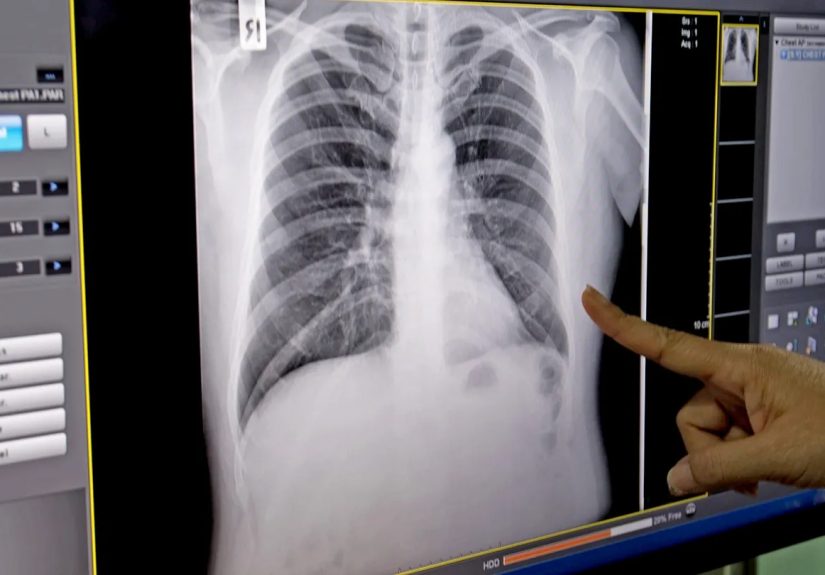
Step 6: Imaging (Chest X-ray or CT Scan)
Imaging doesn’t “diagnose” COPD by itself, but it can be very helpful to:
- Look for signs of emphysema
- Rule out other causes of symptoms (pneumonia, lung mass, heart enlargement)
- Assess the extent and pattern of lung changes (CT scans are more detailed than X-rays)
Step 7: Labs for Specific Situations (Including Alpha-1 Antitrypsin Deficiency)
If someone develops COPD at a younger age, has minimal smoking history, or has a family history suggestive of a genetic issue,
clinicians may test for alpha-1 antitrypsin deficiency, a hereditary condition that can lead to emphysema.
Why COPD Is Sometimes Misdiagnosed
COPD shares symptoms with other conditions, which is why spirometry is so important. Misdiagnosis can happen when:
- Symptoms are blamed on aging, weight, or “being out of shape” without testing
- Asthma and COPD are confused (they can also overlap)
- Heart conditions mimic breathlessness
- Someone is treated based on symptoms alone
Good diagnosis is less about guessing and more about measuring. If you’ve been given a COPD label but never had spirometry,
it’s reasonable to ask whether formal lung function testing is appropriate.
Preparing for a COPD Diagnostic Appointment (So You Don’t Forget Everything)
It’s amazing how the brain goes blank the moment someone in a white coat asks, “So, what brings you in today?”
Consider bringing:
- A quick timeline of symptoms (when they started, what’s changed)
- List of triggers (exercise, cold air, smoke, perfumes, infections)
- History of smoking and exposures (workplace fumes count)
- Medication list (including inhalers, supplements, and “borrowed” inhalersno judgment, but mention it)
- Questions you want answered (write them down; your future self will thank you)
FAQ: Quick Answers People Want Before They Google Themselves into a Spiral
Can you have COPD without smoking?
Yes. Smoking is a major risk factor, but long-term exposure to air pollution, occupational dust/fumes, and certain genetic conditions can also contribute.
The “only smokers get COPD” myth keeps too many people from getting evaluated.
Does a chest X-ray confirm COPD?
Not reliably. An X-ray can show suggestive changes and rule out other problems, but spirometry is the key test for confirming airflow obstruction.
If I feel fine most days, should I still get checked?
If you’re having recurring symptoms (cough, mucus, shortness of breath, wheeze) or reduced activity tolerance, it’s worth discussing with a clinician.
Many guidelines discourage screening people with no symptoms at all, but evaluation is different when symptoms are present.
Conclusion: The Big Picture
COPD symptoms often start subtlymore breathlessness with activity, a lingering cough, extra mucus, wheezing, chest tightness, or low stamina.
Because these signs can be easy to dismiss (or explain away with “I’m just busy/tired/older”), COPD is frequently underrecognized.
The good news is that COPD diagnosis is straightforward when the right steps are taken. Clinicians combine your history and symptoms with
spirometry to confirm persistent airflow obstruction, and may use oxygen tests, imaging, and additional pulmonary function tests
to better understand what’s happening in your lungs.
If your breathing has been changingespecially if you’re limiting activities to avoid symptomsconsider it a useful signal, not a personal failure.
Your lungs are trying to communicate. It’s okay to listen.
Experiences: What COPD Symptoms and Diagnosis Feel Like in the Real World (About )
People rarely wake up one morning and announce, “Today I will develop chronic obstructive pulmonary disease.” Real life is quieter than that.
More often, the earliest “symptom” is a tiny lifestyle tweak that feels logical in the moment.
One common pattern: someone notices they’re getting winded walking from the parking lot to the store. At first they chalk it up to bad sleep or stress.
Next, they start parking closerbecause why walk the extra 50 yards if you don’t have to? Then they skip the big-box store and choose the smaller one,
not because they hate savings, but because the aisles feel like a marathon. Over months (sometimes years), the world quietly shrinks.
Another frequent story is the “forever cough.” It’s the cough that becomes part of the soundtrack of your day:
a little hacking in the morning, a throat clear here and there, maybe some mucus that you politely pretend doesn’t exist.
Friends may even joke, “That’s just your smoker’s cough,” and because it’s familiar, it feels harmless. But when the cough sticks around,
especially with phlegm, it can be your airways waving a flag that says, “Hey, we’re irritated down here.”
When people finally seek evaluation, it’s often after a rough respiratory infection. They get a “chest cold” that refuses to leave,
breathing feels tight, and stairs become an extreme sport. Sometimes they’re surprised to learn that exacerbations can reveal an underlying problem
that had been brewing quietly. For many, that first spirometry test is a turning pointnot because it’s fun (it’s basically a breathing workout with a mouthpiece),
but because it puts numbers on something they’ve been feeling for a while.
The diagnostic process can also be emotional. Some people feel relief: “So I’m not imagining it.” Others feel frustration:
“I wish I’d known sooner.” And some feel guilt, especially if they smoked. It’s worth saying plainly:
blame is not a treatment plan. COPD is a health condition, and the next steps are about protecting your lungs now.
Clinicians often notice another real-world issue: people underestimate their symptoms. When asked, “Are you short of breath?”
someone might say “No,” then casually mention they can’t walk and talk at the same time anymore. Or they’ll say they’re “fine,”
but they haven’t vacuumed in months because it “takes too much out of me.” This isn’t dishonestyit’s adaptation.
Humans are remarkably good at adjusting to gradual changes.
The most helpful experiences tend to happen when people bring specific examples to appointments:
“I used to walk the dog for 30 minutes, now it’s 10,” or “I get winded showering,” or “I’ve had two chest infections this year.”
Those concrete details guide the clinician toward the right testingespecially spirometryso the diagnosis is based on evidence, not assumptions.