Table of Contents >> Show >> Hide
The colon is not exactly the body’s most glamorous organ. It does not get the celebrity treatment that the heart, brain, or abs get. But when something goes wrong in the colon, it can change a life fast. Colon cancer is one of the most common cancers in the United States, and it often begins quietly, with no dramatic alarm bells, no neon warning sign, and definitely no polite calendar invite.
That is part of what makes colon cancer so tricky. Early on, many people feel completely fine. Later, symptoms such as blood in the stool, changes in bowel habits, fatigue, belly pain, and unexplained weight loss may start to show up. The good news is that colon cancer is often preventable, frequently treatable, and much easier to manage when it is found early. In many cases, it begins as a polyp, which is a growth in the lining of the colon that can be removed before it ever becomes cancer.
This guide breaks down what colon cancer is, the symptoms to watch for, how doctors stage it, what causes or raises the risk, and which treatments are commonly used today. It also includes a longer section on real-life experiences many patients and families go through, because cancer is never just a scan result or a pathology report. It is also the waiting, the worrying, the questions, the casseroles, the scheduling apps, and the brave face people put on while quietly panicking in the parking lot.
What Is Colon Cancer?
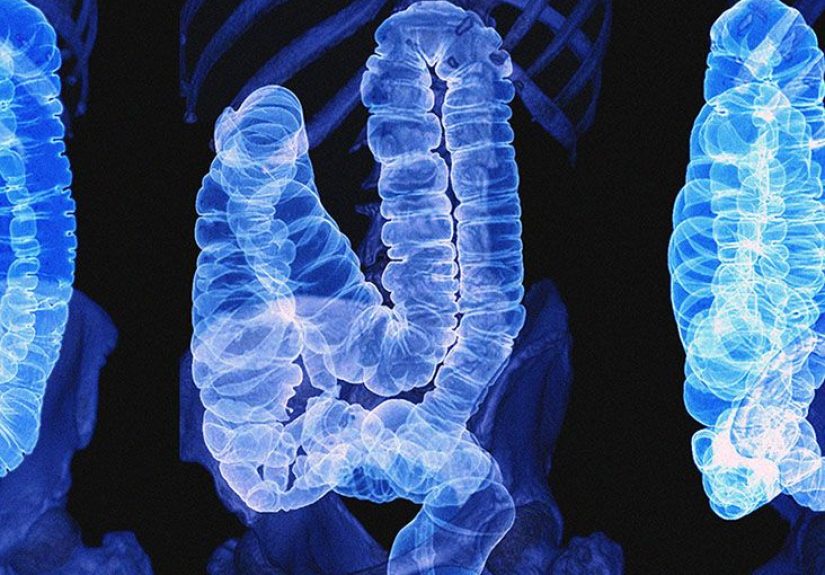
Colon cancer starts in the colon, which is the longest part of the large intestine. It is often grouped together with rectal cancer under the umbrella term colorectal cancer, but colon cancer and rectal cancer are not exactly the same. They can share symptoms and risk factors, yet their treatment plans can differ, especially when radiation is involved.
Most colon cancers begin in the inner lining of the colon. Over time, normal cells can change, grow out of control, and form a tumor. In many people, the story starts with a colon polyp. Most polyps are harmless, but some types can slowly become cancerous. That is one reason screening matters so much: it can catch precancerous growths before they turn into a much bigger problem.
Colon Cancer Symptoms
One of the most frustrating things about colon cancer symptoms is that they can look like common digestive complaints. A person may assume they are dealing with hemorrhoids, stress, constipation, a sensitive stomach, or “something I ate.” Sometimes that guess is correct. Sometimes it is very much not.
Common symptoms of colon cancer include:
- Blood in the stool or rectal bleeding
- A change in bowel habits, including diarrhea, constipation, or both
- Stools that seem narrower or different than usual
- Cramping, belly pain, bloating, or ongoing abdominal discomfort
- A feeling that the bowel does not empty completely
- Unexplained fatigue or weakness
- Unexplained weight loss
- Loss of appetite or feeling full too quickly
Some people also develop iron-deficiency anemia because the tumor bleeds slowly over time. That can leave a person feeling wiped out, short of breath, foggy, or strangely exhausted after doing ordinary things like climbing stairs or carrying groceries. In other words, it is not always “just getting older” or “just being busy.”
It is also important to know that early colon cancer may cause no symptoms at all. That is why screening is such a big deal. Waiting for symptoms is like waiting for smoke to decide whether you should buy a smoke alarm. Not the best strategy.
When to See a Doctor
See a healthcare professional if you notice blood in your stool, ongoing changes in bowel habits, persistent abdominal pain, unexplained weight loss, or unusual fatigue that does not let up. Blood in the stool should not be ignored or automatically blamed on hemorrhoids, especially if it keeps happening.
Adults at average risk are generally advised to start colorectal cancer screening at age 45. People with a family history of colon cancer, a history of certain polyps, inflammatory bowel disease, or inherited syndromes such as Lynch syndrome or familial adenomatous polyposis may need earlier or more frequent screening.
What Causes Colon Cancer?
There is no single cause of colon cancer. It develops when cells in the lining of the colon acquire genetic changes that tell them to keep dividing when they should not. Over time, those abnormal cells can form a polyp or tumor, invade deeper layers of the colon wall, and spread to lymph nodes or distant organs.
In plain English, this is a case of cell behavior gone off-script. The body normally has a pretty good editor. Cancer happens when the editor misses enough bad lines that the whole chapter changes.
Risk factors that can raise the chance of colon cancer include:
- Older age
- A personal history of colon polyps or colon cancer
- A family history of colorectal cancer
- Inherited conditions such as Lynch syndrome or familial adenomatous polyposis
- Inflammatory bowel disease, including ulcerative colitis or Crohn’s disease
- Obesity
- Low physical activity
- Smoking
- Alcohol use
- Certain dietary patterns, especially those low in fiber and high in processed foods or red meat
- Type 2 diabetes or metabolic health issues in some patients
None of these risk factors mean a person will definitely get colon cancer. And having no obvious risk factor does not guarantee safety. Plenty of people diagnosed with colon cancer say some version of, “But I’m healthy,” or “I’m too young for this,” or “That was not on my bingo card for the year.” Biology, sadly, is not always a fair referee.
How Colon Cancer Is Diagnosed
If colon cancer is suspected, doctors usually begin with a medical history, physical exam, and testing. A colonoscopy is the key diagnostic tool because it allows a specialist to look directly inside the colon and remove tissue for biopsy. If a suspicious growth is found, a pathologist examines the sample under a microscope to confirm whether cancer is present.
Tests commonly used in diagnosis and staging include:
- Colonoscopy: to examine the colon and take biopsies
- Biopsy: to confirm whether the tissue is cancerous
- Blood tests: including checks for anemia and, in some cases, carcinoembryonic antigen (CEA)
- CT scans or MRI: to see whether the cancer has spread
- Molecular or biomarker testing: to help guide targeted therapy or immunotherapy in advanced disease
CEA is not a perfect screening test, but it can be useful for monitoring treatment response or looking for recurrence after treatment. Think of it more as a tracking tool than a crystal ball.
Colon Cancer Stages
Staging describes how far the cancer has grown or spread. It helps doctors choose treatment and gives patients a clearer picture of what comes next. Colon cancer is usually staged from 0 to IV.
Stage 0
This is the earliest stage, sometimes called carcinoma in situ. Abnormal cells are only in the innermost lining of the colon. They have not spread deeper into the wall.
Stage I
The cancer has grown into the deeper layers of the colon wall but has not spread to nearby lymph nodes or distant organs.
Stage II
The cancer has grown through more of the colon wall and may extend into nearby tissue, but it has not spread to nearby lymph nodes.
Stage III
The cancer has spread to nearby lymph nodes but not to distant parts of the body.
Stage IV
The cancer has spread to distant organs or sites, commonly the liver, lungs, or lining of the abdomen. This is also called metastatic colon cancer.
Lower stages usually mean more localized disease and, in many cases, more straightforward treatment. Higher stages generally require more intensive therapy and a more complex team approach.
Colon Cancer Treatment
Treatment depends on the stage, the location of the tumor, biomarker results, the patient’s overall health, and personal goals. Surgery is the backbone of treatment for many people with colon cancer, especially when the disease is caught before it spreads.
Treatment for Stage 0 Colon Cancer
Stage 0 colon cancer is often treated by removing the polyp or the small area containing the abnormal cells. In many cases, that is enough. No big medical drama, no extended treatment plan, and hopefully no sequel.
Treatment for Stage I Colon Cancer
Surgery is usually the main treatment. This may involve removing the cancer and part of the colon, then reconnecting the healthy ends. Chemotherapy is not usually needed for stage I disease.
Treatment for Stage II Colon Cancer
Surgery is still the primary treatment. Some patients with stage II cancer may also receive chemotherapy after surgery if the cancer has features that raise the risk of recurrence, such as obstruction, perforation, high-grade tumor features, or very deep invasion.
Treatment for Stage III Colon Cancer
Stage III colon cancer is commonly treated with surgery followed by chemotherapy. The chemotherapy is meant to reduce the chance that leftover microscopic cancer cells will cause the disease to come back later.
Treatment for Stage IV Colon Cancer
Treatment for metastatic colon cancer may include chemotherapy, targeted therapy, immunotherapy, surgery in selected cases, ablation, or treatment focused on liver metastases. Some patients can have surgery to remove both the main tumor and limited areas of spread, especially in the liver or lungs. Others need systemic treatment first.
Main treatment types used in colon cancer care
- Surgery: often the first and most important treatment for localized disease
- Chemotherapy: commonly used after surgery for stage III and some stage II cancers, or as treatment for advanced disease
- Targeted therapy: drugs aimed at specific tumor pathways or mutations
- Immunotherapy: especially useful for some tumors with mismatch repair deficiency or high microsatellite instability
- Radiation therapy: not routine for most colon cancers, but used in select situations, including symptom control or certain metastatic settings
- Clinical trials: an important option for some patients, especially in advanced or recurrent disease
One major shift in modern treatment is the use of biomarker testing. Instead of treating every tumor as though it were exactly the same, doctors now often test for features such as MSI status, MMR deficiency, and certain gene changes. Those details can influence whether immunotherapy or targeted therapy may help.
Can Colon Cancer Be Prevented?
Not every case can be prevented, but the risk can often be lowered. The most effective prevention tool is regular screening, because screening can find and remove polyps before they become cancer.
Ways to lower the risk of colon cancer include:
- Getting screened on time
- Following up after a positive stool test with a colonoscopy
- Staying physically active
- Maintaining a healthy weight
- Not smoking
- Limiting alcohol
- Eating a balanced, fiber-rich diet with plenty of plant foods
- Talking with a doctor about family history and inherited cancer risk
Screening options may include stool-based tests done at home, colonoscopy, CT colonography, or flexible sigmoidoscopy. The best test is the one that gets done on time and followed up properly when needed. A stool test that sits unopened in a bathroom cabinet is not a screening strategy. It is just a very judgmental box.
What Many People Experience During the Colon Cancer Journey
Facts matter, but the lived experience matters too. Colon cancer is not only a medical condition; it is also a psychological marathon disguised as a scheduling problem. Many patients say the hardest part begins before the diagnosis is even official. They notice something odd, maybe blood in the stool or stubborn constipation, and spend days or weeks debating whether it is serious. Then comes the colonoscopy, which many people fear far more than they expect. Ironically, patients often say the procedure itself is easier than the preparation. The prep, however, has a reputation, and honestly, it earned it.
After diagnosis, people often describe a strange split-screen reality. One part of life keeps going. Emails still arrive. Bills still need paying. Someone still has to decide what is for dinner. At the same time, another part of life becomes a blur of scans, pathology reports, insurance calls, and medical terms nobody wanted to learn. Words like “adenocarcinoma,” “lymph nodes,” and “resection margins” suddenly show up in conversations where they were definitely not invited.
Surgery can bring relief and fear at the same time. Some patients feel hopeful because the tumor can be removed. Others worry about recovery, bowel function, eating normally again, or whether they will need a temporary or permanent ostomy. Even when surgery goes well, recovery can test patience. Energy may be low. Appetite may be strange. The body may not behave in its usual polite, predictable manner for a while.
Chemotherapy adds another layer. People often talk about fatigue that is not the ordinary kind fixed by a nap and iced coffee. It can be a whole-body heaviness, like walking around with the battery permanently at 18 percent. Some patients also deal with nausea, diarrhea, constipation, mouth sores, or nerve symptoms such as tingling in the hands and feet. Yet many continue working, parenting, caregiving, and showing up for family events because life does not magically pause when treatment starts.
Emotionally, patients and caregivers frequently describe “scanxiety,” the dread that builds before follow-up scans, blood tests, or appointments. Even good news can feel fragile at first. Many survivors say they never look at routine symptoms quite the same way again. A stomach cramp that would once have been ignored can suddenly feel loaded with meaning.
Families go through their own version of the experience too. Loved ones often want to help but are not always sure how. Practical support usually matters more than perfect words. Driving someone to treatment, making meals, taking notes during appointments, or simply sitting quietly in the room can be more useful than a thousand inspirational speeches.
There is also a quieter side of the journey that deserves attention: embarrassment. Because colon cancer involves bowel habits, stool, bleeding, and bathroom talk, some people delay care because they feel awkward. That hesitation is understandable, but it can be dangerous. Doctors talk about these issues all the time. For them, discussing stool is Tuesday. For patients, it may feel mortifying. Still, speaking up early can save a life.
The hopeful truth is that many people do get through colon cancer treatment and return to full, meaningful lives. Some become passionate about screening. Some change how they eat, move, or manage stress. Some simply gain a stronger appreciation for ordinary mornings, boring errands, and test results that say “no evidence of disease.” It is not a journey anyone asks for, but many people come out the other side with a sharper sense of what matters and a deeper respect for their own resilience.
Final Thoughts
Colon cancer can be sneaky, serious, and life-altering, but it is also one of the cancers where screening makes a real difference. The disease often begins as a removable polyp, and treatment outcomes are generally better when cancer is found early. Knowing the symptoms, understanding the stages, recognizing the risk factors, and getting screened on time can change the entire story.
If something feels off, do not shrug it off for months while bargaining with the internet. Blood in the stool, persistent bowel changes, unexplained fatigue, or weight loss deserve medical attention. Colon cancer may start quietly, but acting early can make the difference between a smaller detour and a major storm.
And yes, colon health conversations may never win awards for glamour. But they can absolutely save lives.