Table of Contents >> Show >> Hide
- What “Clean and Simple” Actually Means (and What It Doesn’t)
- Pick the Right Hamper Style for Your Lifestyle
- Size Matters (Yes, Even for a Hamper)
- Material Choices: The Real Secret to a “Clean” Hamper
- Ventilation, Moisture, and Odor: Stop Problems Before They Start
- Where to Put the Hamper for Maximum “Simple”
- A Minimalist Sorting System That Actually Gets Used
- How to Keep the Hamper Itself Clean (Without Overthinking It)
- Design Tips: Make It Look Calm (Even When It’s Full)
- Specific Examples: A Clean and Simple Hamper Setup for Different Homes
- Shopping Checklist: How to Choose a Clean and Simple Hamper in 60 Seconds
- Common Mistakes That Make Hampers Feel “Messy” (and Quick Fixes)
- Real-World Experiences: What “Clean and Simple” Looks Like Day to Day (Extra )
- Conclusion: Your Simplest Upgrade Might Be a Better Hamper
A “clean and simple hamper” sounds like the most boring home item on Earthuntil you realize it’s the
difference between a calm, functional bedroom and a perpetual laundry avalanche that silently judges you.
The right hamper doesn’t just hold clothes. It prevents odors, reduces clutter, speeds up laundry day, and
makes your space feel more put-together with almost zero effort (the dream).
This guide breaks down how to choose (or set up) a hamper that looks tidy, works hard, and stays easy to
maintain. No fussy systems. No 17-step folding rituals. Just a smart, minimalist laundry solution that
supports real life.
What “Clean and Simple” Actually Means (and What It Doesn’t)
Let’s define the goal. A clean and simple hamper is one that:
- Keeps laundry contained (no clothing draped like modern art over a chair)
- Stays easy to move (laundry should not require a warm-up stretch)
- Doesn’t trap odors (your hallway shouldn’t smell like “gym sock noir”)
- Is easy to wipe or wash (because life is messy and lint is immortal)
- Fits your space visually (simple lines, neutral colors, no loud plastic circus vibes)
What it doesn’t mean: you must buy a designer hamper, sort laundry like a hotel, or become a person who
labels everything in matching fonts. Clean and simple is about friction-free habits. The hamper is the
tool that makes the habit automatic.
Pick the Right Hamper Style for Your Lifestyle
1) Single-bin hamper (best for most people)
One bin is the simplest system: everything goes in, and you sort at wash time. If you do laundry frequently
(or you’re not emotionally available for sorting every day), this is your best friend.
Look for a streamlined profile, a liner you can remove, and a material that doesn’t hold onto odors. Bonus
points if it has handles that don’t feel like they were designed by someone who hates hands.
2) Two- or three-compartment sorter (best for households and “future-you”)
If you have a family, wear a lot of gym clothes, or you’re constantly doing “one emergency load,” a sorter
can keep the pile from becoming a chaotic mix of towels, delicates, and whatever that mystery sock is.
A simple sorter rule: make it easy to follow. If sorting takes effort, people won’t do it.
A common setup is:
- Darks
- Lights
- Towels/linens (especially helpful because they often wash differently)
3) Slim hamper (best for small bathrooms and tight corners)
A narrow hamper can slide between a vanity and a wall, tuck next to a closet, or fit in a tiny laundry nook.
This is the “I live in the real world where floor space is a myth” option.
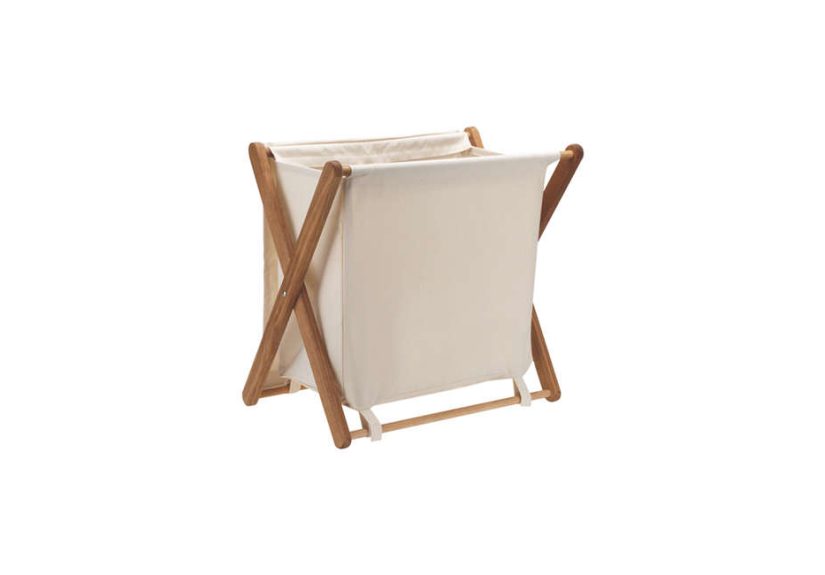
4) Collapsible hamper (best for dorms, travel, and flexible spaces)
Collapsible hampers are great when you need function without permanence. If you move often, share a space,
or hate visual clutter, a folding or fabric bin can be a clean solutionespecially when paired with a
removable liner bag.
Size Matters (Yes, Even for a Hamper)
The easiest way to keep laundry “clean and simple” is to avoid overflow. Overflow creates floor piles.
Floor piles create stress. Stress creates “I’ll do it later.” Later becomes next month.
Many hampers and baskets are measured in bushels or liters. As a practical
guideline:
- 1 bushel: good for one person or light weekly laundry
- 2 bushels: better for couples, shared hampers, or small families
Your sweet spot is a hamper that holds one typical laundry cycle without overflowing. That way,
“hamper is full” becomes your natural trigger to washno calendar reminders needed.
Material Choices: The Real Secret to a “Clean” Hamper
The hamper material affects smell, cleaning effort, and how “simple” your routine feels. Here’s the honest
rundown:
Plastic (the easiest to clean)
Plastic is wipeable and practical. If your household includes sweaty sports gear, kids, or anyone who thinks
towels should be re-used indefinitely (we all know one), plastic can be a sanity saver.
Just make sure it has ventilation holes or slats. Trapped moisture + trapped odor = the hamper becomes a
tiny haunted swamp.
Canvas or fabric with a removable liner (the best balance)
Fabric hampers look softer and more “homey,” and a removable liner makes laundry day easy: lift the bag,
carry it, wash it when needed, repeat. This combo is often the best “clean and simple” option because it
stays tidy without being precious.
Wicker/rattan (pretty, but higher maintenance)
Wicker looks great, but it can collect dust and be harder to sanitize. If you love the look, choose a design
with a washable liner and keep it in a drier spot (like a bedroom, not a steamy bathroom).
Bamboo (minimalist and warm-looking)
Bamboo can look sleek and spa-like. Just remember: natural materials don’t love constant dampness. If your
laundry tends to be wet (towels, swimwear), give it airflow and consider a liner you can wash.
Ventilation, Moisture, and Odor: Stop Problems Before They Start
Most “dirty laundry smell” problems aren’t just about dirtthey’re about moisture. Damp
towels, workout clothes, and humid bathrooms create the perfect environment for musty odors.
The clean-and-simple approach is preventative:
- Choose airflow: slats, holes, breathable fabric, or a design that isn’t airtight.
- Don’t toss wet items straight in: hang towels or gym gear to dry first when possible.
- Use a washable liner: it’s much easier to launder a bag than to scrub a whole hamper.
If you want a lid (for looks), pick a design that still allows airflowor use a lid with a liner system so
you can wash the part that touches the laundry.
Where to Put the Hamper for Maximum “Simple”
A hamper only works if it’s where clothes naturally come off. That sounds obvious, but many laundry piles
happen because the hamper is “technically in the home” but practically on another planet.
Best placements
- Bedroom closet area: near where you change clothes (high compliance zone).
- Bathroom: good for towels and daily itemsjust prioritize ventilation.
- Laundry room nook: ideal if you already carry clothes there daily.
Small-space hack: go vertical
If floor space is tight, use a tall slim hamper, stackable baskets, or a rolling hamper “parking spot” that
slides under a counter or into a cabinet nook. The goal is fewer obstacles and fewer visual mess triggers.
A Minimalist Sorting System That Actually Gets Used
Overcomplicated systems fail because they require motivation. A clean and simple hamper system should work
even when you’re tired, busy, or negotiating with a pile of hoodies that multiply overnight.
The “two-bin” method (simple, powerful)
If you want sorting without a huge sorter, use:
- Bin 1: Everyday clothes
- Bin 2: Towels/linens
Why this works: towels and linens are bulky, often washed warmer, and can shed lint. Separating them keeps
your loads more consistent and easier to run.
The “bag lift” method (great for families)
Use one hamper with multiple removable bags. Each bag can represent:
- A family member
- A category (darks/lights/towels)
- A location (bathroom vs. bedroom)
The win is portability: you remove a bag, carry it, wash, return it. No dumping, no re-handling, no lint snowstorm.
How to Keep the Hamper Itself Clean (Without Overthinking It)
Here’s a truth: hampers get gross. They hold sweaty clothes, damp towels, and the occasional “how is this
even sticky?” item. Keeping your hamper clean is not about perfection; it’s about a simple routine.
Basic cleaning routine
- Weekly: empty completely, shake out lint, and let it air out for a few minutes.
- Monthly: wipe plastic/metal down with a household cleaner; wash fabric liners.
- After illness: clean and disinfect the hamper and consider using a washable or disposable liner temporarily.
Odor rescue plan (when things already smell)
If your hamper has developed an opinionated aroma:
- Remove everything and wash what’s inside as soon as possible.
- Wipe down the hamper (or wash the liner).
- Let the hamper fully dry with airflow.
- Optional: place a small deodorizing sachet nearby (not on clothes), or keep the space well-ventilated.
The main idea: odor control is mostly moisture control. Dry air is the unsung hero of clean laundry systems.
Design Tips: Make It Look Calm (Even When It’s Full)
“Simple” is a visual experience too. A hamper can make a room feel tidy even when it’s doing its job.
Here are design moves that keep things clean-looking:
- Choose a neutral color: white, black, gray, beige, or soft natural tones hide visual chaos.
- Prefer closed silhouettes: a lid or taller sides keep laundry from peeking out like a jump scare.
- Match materials to your room: woven for cozy, metal/bamboo for modern, canvas for relaxed minimalism.
- Keep it off the floor visually: a hamper on legs or a slim profile can feel “lighter” in the room.
If your hamper is in plain sight, treat it like a small piece of furniture. The best ones disappear into the room.
Specific Examples: A Clean and Simple Hamper Setup for Different Homes
Studio apartment setup
Use one slim hamper with a removable liner placed near where you change clothes. Add a small hook nearby for
“not dirty yet” items (hoodies, jeans). This prevents the dreaded chair-pile without forcing you into a museum-level system.
Family setup
Use a two- or three-bag sorter or rolling hamper station. Label bags with words or simple icons (kids can follow
pictures faster than rules). Keep the sorter where laundry naturally landsoften near bedrooms or in the laundry room.
Bathroom-heavy household setup
Use a breathable hamper for towels and bath mats. Hang damp towels before they go in. If your bathroom is humid,
prioritize airflow and wash the liner regularly.
Dorm/college setup
Choose a lightweight, collapsible hamper or a bag-in-frame design. It should be easy to carry down a hallway
and tough enough to survive questionable elevators.
Shopping Checklist: How to Choose a Clean and Simple Hamper in 60 Seconds
When you’re shopping online (or staring at a wall of baskets in a store wondering how you got here), use this checklist:
- Capacity: does it hold about one load for your household?
- Carry comfort: handles or straps that don’t cut into your hands
- Ventilation: breathable design to reduce musty odors
- Liner: removable and washable is ideal
- Cleaning: easy to wipe down or launder
- Footprint: fits your space without blocking doors or drawers
- Look: matches your room so it feels intentional, not temporary
Common Mistakes That Make Hampers Feel “Messy” (and Quick Fixes)
Mistake: the hamper is too small
Fix: size up or add a second bin. Overflow is the fastest path to laundry piles.
Mistake: damp items go straight in
Fix: dry towels and workout gear first. Even 30 minutes of airflow helps.
Mistake: the liner never gets washed
Fix: wash the liner monthly (or more if odors appear). A clean liner keeps the whole system feeling fresh.
Mistake: the hamper is inconvenient
Fix: move it closer to where clothes come off. Convenience beats good intentions every time.
Mistake: too many sorting rules
Fix: simplify to 1–2 categories or sort at wash time. A system you use is better than a system you admire.
Real-World Experiences: What “Clean and Simple” Looks Like Day to Day (Extra )
If you’ve ever tried to “get organized” and ended up with more bins than actual clothing, you’re not alone.
In real homes, the clean-and-simple hamper isn’t the fanciest itemit’s the one that quietly prevents chaos.
People who love their hamper setup usually have one thing in common: the hamper fits their routine, not their
fantasy self.
For example, in a small apartment, a lot of folks start with a pretty woven basket in the corner. It looks
greatuntil towels go in damp, airflow is limited, and the basket begins to smell like a foggy locker room.
The fix often isn’t complicated: swap to a breathable canvas hamper with a removable liner, or keep the woven
look but add a washable liner and make a habit of airing out damp items first. Once moisture is managed,
the “mystery smell” problem shrinks fast.
In family households, the most common pain point is decision fatigue. If every shirt requires a sorting choice,
laundry becomes a daily negotiation. What tends to work better is a sorter that’s almost impossible to mess up:
two big bags labeled “Clothes” and “Towels.” Kids and adults can follow that without needing a seminar. Then,
when wash day arrives, loads are faster to run, and you’re not separating bath towels from T-shirts while
muttering, “How did we make this many towels?”
Another surprisingly common experience: the hamper that’s “technically fine” but physically annoying. Handles
that pinch. A lid that flops. A basket that’s too wide for doorways. These small annoyances add up, because
laundry is repetitive. People often find that once they switch to a hamper that’s comfortable to carryone
with real handles or a removable baglaundry feels easier even though nothing about the actual washing changed.
That’s the magic of reducing friction: you stop dreading the steps before the steps.
Bathrooms create their own hamper realities. A hamper in a humid bathroom often needs extra airflow and more
frequent liner washing. Many people notice that just one small habit shifthanging towels to dry before tossing
them inmakes the hamper (and the whole bathroom) smell better. It’s not about being strict; it’s about giving
wet fabric a chance to stop being wet.
Finally, the most “clean and simple” experience of all is when the hamper becomes a visual cue instead of a
guilt pile. When the hamper is sized to a typical load, “full hamper” becomes a clear signal: run a load.
Not “someday,” not “soon,” but a simple, obvious next step. That’s when the system starts feeling like it’s
supporting youquietly, consistentlywithout needing constant motivation. A good hamper doesn’t just hold
laundry. It holds the line between tidy and chaos.