Table of Contents >> Show >> Hide
- What Makes a Classic Corn Bread Recipe Work?
- Ingredients for the Best Classic Corn Bread
- Classic Corn Bread Recipe
- Why This Corn Bread Recipe Stays Moist
- Expert Tips for Better Corn Bread Every Time
- Common Corn Bread Mistakes to Avoid
- Easy Variations on Classic Corn Bread
- What to Serve with Classic Corn Bread
- How to Store and Reheat Corn Bread
- Classic Corn Bread Recipe FAQ
- Experiences That Make Classic Corn Bread More Than Just a Recipe
- Conclusion
- SEO Tags
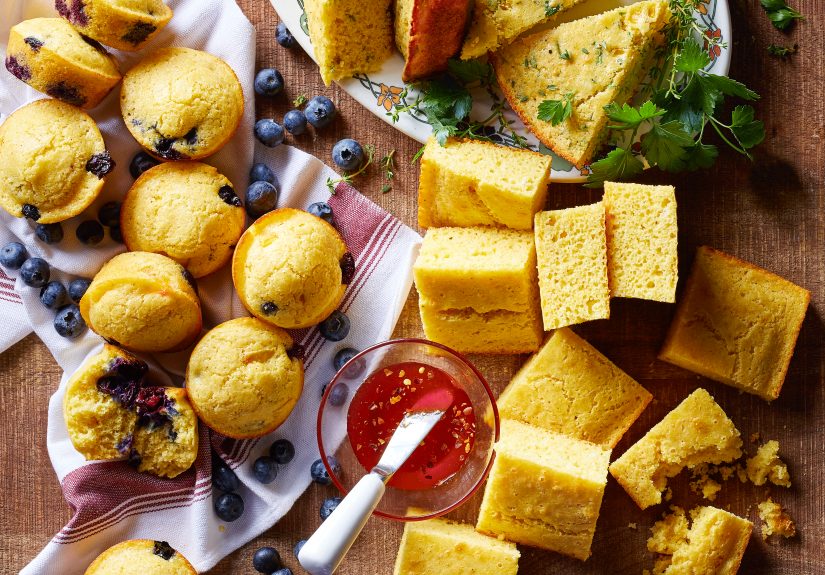
There are few side dishes more dependable than classic corn bread. It shows up beside chili, barbecue, fried chicken, soups, stews, and holiday spreads like it owns the place. And honestly, it kind of does. A good classic corn bread recipe should be simple, golden, tender in the middle, and just crisp enough around the edges to make you “accidentally” cut a second slice before dinner starts.
The beauty of corn bread is that it does not need a parade of fancy ingredients to be memorable. You need cornmeal, flour, a leavening boost, a little fat, and enough liquid to bring everything together into a batter that bakes up soft but not cakey. Some people want it sweet. Some want it proudly savory. Some want it baked in a square pan, while others believe a hot cast-iron skillet is basically a constitutional right. This version lands right in the middle: classic, easy, balanced, and friendly to just about any dinner table.
If you have ever made dry, crumbly, sad corn bread that looked like it needed emotional support, this recipe is here to help. We are going for moist crumbs, a rich corn flavor, and a crackly golden top that makes butter melt on contact. Let’s make the kind of corn bread that disappears while the chili is still simmering.
What Makes a Classic Corn Bread Recipe Work?
A truly classic corn bread recipe is all about balance. Too much flour, and it tastes like yellow cake’s less interesting cousin. Too much cornmeal, and it can turn sandy or dry. Too much sugar, and suddenly you are one step away from dessert. The best versions keep the corn flavor front and center while still delivering a tender crumb that slices neatly and tastes great warm from the oven.
For many home cooks, the sweet spot is a blend of cornmeal and all-purpose flour, plus buttermilk for tang and tenderness. Melted butter adds flavor, eggs give structure, and a mix of baking powder and baking soda helps the bread rise without losing its hearty texture. A hot pan, especially cast iron, also helps create that irresistible crust around the edges.
In other words, classic corn bread is not complicated. It just rewards a few smart choices. Use fresh ingredients. Do not overmix. Bake it until golden. Then serve it warm and accept compliments with grace.
Ingredients for the Best Classic Corn Bread
Here is what you need for a reliable, flavorful batch:
- Yellow cornmeal: The heart of the recipe. It gives the bread its signature flavor and texture.
- All-purpose flour: Softens the crumb so the bread stays tender instead of overly gritty.
- Granulated sugar: Just enough to round out the flavor without turning the bread into cake.
- Baking powder and baking soda: The duo that helps the batter rise nicely.
- Salt: Essential for bringing out the corn flavor.
- Buttermilk: Adds moisture, subtle tang, and a softer texture.
- Eggs: Help bind the batter and give the bread structure.
- Melted butter: Adds richness and better flavor than a neutral oil-only version.
- Butter for the pan: Helps create a golden crust and prevents sticking.
This ingredient list keeps the recipe classic and flexible. It is sweet enough for a broad American audience, but not so sweet that it feels out of place next to a bowl of savory chili or smoky barbecue.
Classic Corn Bread Recipe
Yield, Time, and Texture
This recipe makes one 8-inch square pan or one 9-inch round skillet, serving about 8 people. Prep time is about 10 minutes, and bake time is about 20 to 25 minutes. The texture is moist and tender with lightly crisp edges.
Ingredients
- 1 1/2 cups yellow cornmeal
- 1 cup all-purpose flour
- 1/4 cup granulated sugar
- 1 tablespoon baking powder
- 1/2 teaspoon baking soda
- 1 teaspoon kosher salt
- 1 1/4 cups buttermilk
- 2 large eggs
- 1/2 cup unsalted butter, melted
- 1 tablespoon butter, for the pan
Instructions
- Preheat your oven to 400 degrees Fahrenheit.
- Place an 8-inch baking pan or a 9-inch cast-iron skillet in the oven for a few minutes to warm slightly. Add 1 tablespoon butter to the pan, then return it briefly to the oven until melted. Swirl to coat the bottom and sides.
- In a large mixing bowl, whisk together the cornmeal, flour, sugar, baking powder, baking soda, and salt.
- In a separate bowl, whisk the buttermilk, eggs, and melted butter until smooth.
- Pour the wet mixture into the dry ingredients and stir just until combined. A few small lumps are fine. This is not the moment to train for a whisking championship.
- Pour the batter into the prepared pan or skillet.
- Bake for 20 to 25 minutes, or until the top is golden and a toothpick inserted in the center comes out clean or with a few moist crumbs.
- Let the corn bread cool for about 10 minutes before slicing. Serve warm with butter, honey, or as-is if you enjoy living deliciously.
Why This Corn Bread Recipe Stays Moist
Moisture is the difference between corn bread people rave about and corn bread people quietly leave on the plate. This classic corn bread recipe stays moist for a few key reasons. First, buttermilk adds richness and acidity, which helps tenderize the batter. Second, a generous amount of melted butter brings both flavor and softness. Third, the ratio of cornmeal to flour keeps the bread hearty without becoming dry or crumbly.
Just as important, the batter is mixed only until combined. Overmixing develops the flour too much and can make the finished bread tough. A gentle hand is the secret. Think “fold and stop,” not “beat until your arm files a complaint.”
Expert Tips for Better Corn Bread Every Time
1. Warm the pan first
A lightly heated, buttered pan helps the batter start cooking the second it hits the surface. That is what creates a more flavorful crust.
2. Do not overmix the batter
Stir until the flour disappears, then stop. Small lumps are normal and harmless.
3. Use fresh leavening
Baking powder and baking soda lose strength over time. If yours have been sitting in the pantry since the early days of your last organizing phase, replace them.
4. Watch the bake time closely
Pull the corn bread once the top is golden and the center is set. Overbaking is the fastest route to dryness.
5. Let it rest briefly
Ten minutes of cooling helps the crumb settle so slices come out neat and tender instead of crumbling apart.
Common Corn Bread Mistakes to Avoid
- Using too much flour: This dulls the corn flavor and can make the bread heavy.
- Skipping the fat in the pan: You lose flavor, browning, and easy release.
- Adding too much sugar: The texture can shift from classic corn bread to cake-like territory.
- Overbaking: Even a good recipe cannot survive too much oven time.
- Cutting it too soon: Fresh-from-the-oven enthusiasm is understandable, but a few minutes of patience pays off.
Easy Variations on Classic Corn Bread
Once you master the base recipe, there is plenty of room to play without losing the spirit of classic corn bread.
- Honey butter corn bread: Serve with whipped honey butter for a sweeter finish.
- Skillet corn bread: Use cast iron for crisp edges and extra rustic charm.
- Cheddar jalapeño corn bread: Add shredded cheddar and chopped jalapeños for a savory twist.
- Creamed corn version: Stir in a small amount of creamed corn for extra moisture and sweetness.
- Bacon corn bread: Replace some butter with bacon drippings for smoky flavor.
These versions are fun, but the classic recipe is the one you will come back to when you want something dependable, crowd-pleasing, and easy to pair with dinner.
What to Serve with Classic Corn Bread
Classic corn bread is one of the most versatile side dishes in American cooking. It works with:
- Beef chili or turkey chili
- Barbecue ribs or pulled pork
- Fried chicken
- Collard greens or green beans
- Bean soups and stews
- Holiday meals with ham or roast turkey
It also makes a fine snack the next morning with butter and a drizzle of honey. Is that breakfast? A side dish? A tiny act of joy? No need to label everything.
How to Store and Reheat Corn Bread
Once cooled, store corn bread tightly wrapped at room temperature for up to 2 days. For longer storage, refrigerate it for up to 5 days. To freeze, wrap individual slices or the whole pan well and freeze for up to 2 months.
To reheat, warm slices in a 300-degree Fahrenheit oven until heated through. A quick toast in a skillet with a little butter also works beautifully and revives the edges. Microwaving is acceptable in emergencies, but it is not the road to glory.
Classic Corn Bread Recipe FAQ
Is classic corn bread supposed to be sweet?
That depends on regional preference. Many people like a lightly sweet corn bread, while others prefer a savory version with little or no sugar. This recipe uses a moderate amount for balance.
Can I make corn bread without buttermilk?
Yes. You can substitute milk mixed with a little lemon juice or vinegar, though real buttermilk gives the best flavor and texture.
Can I use white cornmeal?
Absolutely. White cornmeal works well, though yellow cornmeal is more common and gives the bread a warmer color.
What pan is best for corn bread?
A cast-iron skillet is a favorite because it creates crisp edges, but a square metal or glass baking pan also works.
Experiences That Make Classic Corn Bread More Than Just a Recipe
One of the reasons a classic corn bread recipe sticks around for generations is that it is rarely just about the bread. It is about what is happening around it. Corn bread has a way of showing up when people are hungry, when the weather turns cold, when soup is bubbling on the stove, or when family gathers around a table that gets louder as the meal goes on. It is practical, yes, but it is also emotional in a quiet, buttery sort of way.
For a lot of home cooks, corn bread is one of the first breads they learn to make because it feels approachable. There is no yeast to proof, no dough to knead, and no long rise time to test your patience. You stir, pour, and bake. That simplicity makes it feel generous. It lets beginners feel capable and lets experienced cooks make something comforting without turning dinner into a three-hour kitchen marathon.
There is also something deeply satisfying about the sensory part of making corn bread. The sound of batter hitting a buttered skillet. The smell of toasted cornmeal and warm dairy drifting through the kitchen. The golden top that tells you things are going very right. Even the act of slicing into it has a little ceremony to it. You hear the faint crackle at the edges, see the steam rise, and immediately begin negotiating with yourself over whether one piece is enough. It never is.
Classic corn bread also tends to become a “house recipe,” the kind people tweak only slightly and then defend forever. One family insists on buttermilk. Another swears by bacon drippings. Someone’s grandmother used a little extra sugar, and now that is apparently law. That is part of the charm. Corn bread invites opinion. It sparks friendly debates about sweetness, texture, and whether a skillet is essential. Few foods are so humble and yet so capable of inspiring culinary courtroom drama.
Then there is the leftover magic. Day-two corn bread can be crumbled into a bowl of beans, toasted with butter, or served alongside eggs for breakfast. It can feel rustic, elegant, or completely casual depending on what else is on the plate. That flexibility is part of why it remains relevant. It is not trying to be trendy. It is simply useful, delicious, and adaptable, which is more than can be said for many recipes currently chasing internet fame.
At its best, making classic corn bread creates a familiar rhythm in the kitchen. Measure. Whisk. Pour. Bake. Slice. Share. It is a recipe that teaches confidence without fuss and comfort without pretense. Whether you bake it for a weeknight chili dinner, a holiday meal, or a random Tuesday that needs improving, corn bread delivers something bigger than its ingredient list suggests. It brings warmth, ease, and a little bit of old-fashioned satisfaction to the table. And in a world full of overcomplicated food trends, that feels pretty classic indeed.
Conclusion
If you want a dependable side dish that delivers cozy flavor, easy prep, and broad crowd appeal, this classic corn bread recipe is worth keeping in regular rotation. It is simple enough for beginners, flexible enough for experienced cooks, and delicious enough to earn a permanent spot next to chili, barbecue, soups, and holiday dinners. The tender crumb, rich corn flavor, and golden crust give it everything a good homemade cornbread should have without making the process fussy.
In short, classic corn bread is proof that simple baking still wins. Give it a warm pan, a little butter, and just enough patience to let it cool before slicing. Then serve it proudly and watch it disappear.