Table of Contents >> Show >> Hide
- Why Cheesecake Is Basically a Custard in a Fancy Jacket
- The Master Method: Classic Baked Cheesecake Template
- 7 Cheesecake Recipes You’ll Actually Want to Make Again
- 1) Classic New York-Style Cheesecake
- 2) Deli-Style Sour Cream “Cloak” Cheesecake
- 3) Burnt Basque Cheesecake (Rustic, Dramatic, Minimal Effort)
- 4) No-Bake Vanilla Cheesecake (Summer’s Best Friend)
- 5) Chocolate Swirl Cheesecake (Because Marble Makes Everything Fancier)
- 6) Mini Cheesecakes (Muffin Tin Magic)
- 7) Gluten-Free Lemon Berry Cheesecake (Bright, Fresh, Crowd-Friendly)
- Toppings, Swirls, and Other Legal Ways to Cover a Crack
- Troubleshooting: When Cheesecake Has Feelings
- Cheesecake Experiences: Kitchen Lessons From the Crumb Zone
- Conclusion
Cheesecake is the dessert equivalent of a cozy sweater: comforting, reliable, and somehow appropriate for every season
(yes, even summerdon’t @ me, just chill it harder). It’s also a choose-your-own-adventure situation: baked or no-bake,
fluffy or dense, fruit-topped or chocolate-swirl, “classic New York cheesecake” or the dramatic cousin who shows up
wearing a burnt Basque top and steals the spotlight.
This guide walks you through the core techniques that make cheesecake dreamy (not gummy, cracked, or existentially
wobbly), then gives you seven foolproof cheesecake recipeswith variations, topping ideas, and a troubleshooting
section for when your cake decides to express itself through surface cracks.
Why Cheesecake Is Basically a Custard in a Fancy Jacket
Cheesecake is, at heart, a custard: dairy + eggs gently set by heat. That’s why it’s sensitive to temperature swings,
overmixing, and the kind of baking impatience that leads to you opening the oven door “just for one quick peek”
(famous last words).
Use brick-style cream cheese (and let it soften)
For most cheesecake recipes, block (brick) cream cheese gives the right body and consistency. Spreadable tub cream
cheese often has added moisture and stabilizers that can throw off texture. Whatever you choose, soften it to room
temperature so it blends smoothly without aggressive mixing.
Room temperature ingredients are not a suggestion
Cold cream cheese fights back. Cold eggs don’t blend as evenly. When ingredients are room temp, you get a silkier
batter with fewer lumpsand you won’t need to beat the mixture into submission (which adds air and invites cracks).
Mix low and slow (cheesecake hates cardio)
Overmixing whips air into the batter. Air expands in the oven, the cheesecake puffs, then it sinks as it coolsand
that dramatic rise-and-fall is a common crack recipe. Mix on low, scrape the bowl, and stop as soon as it’s smooth.
Cheesecake is a “just enough” dessert, not a “go for gold” dessert.
The water bath: a spa day your cheesecake deserves
A water bath (bain-marie) surrounds your springform pan with hot water, buffering the oven’s harsh heat and adding
moisture. The result: gentler baking, fewer cracks, and a creamier center. If water baths intimidate you, think of it
as responsible adulting for desserts.
How to tell when it’s done (without guessing wildly)
Look for set edges and a center that still jiggles slightly when nudgedlike Jell-O that has read a self-help book and
found inner peace. If you’re a numbers person, an instant-read thermometer can help; cheesecake is done before it
looks fully firm because residual heat keeps cooking it.
The Master Method: Classic Baked Cheesecake Template
If you learn one baked cheesecake method, you can riff foreverswap crusts, add citrus, swirl chocolate, fold in cookie
crumbs, or top it like a sundae that got a promotion. This template makes a tall, creamy 9-inch cheesecake.
Ingredients (9-inch springform pan)
- Crust: 2 cups graham cracker crumbs, 3 tbsp sugar, 6 tbsp melted butter, pinch of salt
- Filling: 2 lbs (4 blocks) cream cheese, room temp
- 1 cup sugar
- 3 tbsp all-purpose flour (optional, for extra stability)
- 1 cup sour cream (or Greek yogurt for extra tang)
- 2 tsp vanilla extract
- 1–2 tsp lemon zest (optional but highly recommended)
- 4 large eggs, room temp
- Optional: 1/3 cup heavy cream for a plusher texture
Steps (the “don’t panic, you’ve got this” version)
-
Prep the pan: Grease a 9-inch springform pan and line the bottom with parchment. Wrap the outside
in two layers of heavy-duty foil (go high up the sides) to protect it in the water bath. -
Make and bake the crust: Mix crumbs, sugar, salt, and melted butter. Press into the bottom (and
slightly up the sides if you want). Bake at 350°F for 8–10 minutes. Cool. - Lower the oven temp: Reduce to 325°F. Put a kettle on to boil for the water bath.
-
Mix the filling: Beat cream cheese on low until smooth. Add sugar (and flour if using), mix just
until combined. Add sour cream, vanilla, lemon zest, and heavy cream if using. -
Add eggs gently: Add eggs one at a time on low. Scrape the bowl between additions. Stop mixing as
soon as the batter is smooth. -
Set up the water bath: Place the wrapped pan in a large roasting pan. Put the roasting pan on the
oven rack. Carefully pour hot water into the roasting pan until it comes about halfway up the springform pan. -
Bake: Bake 70–95 minutes depending on your oven. The edges should be set; the center should jiggle
slightly. Don’t wait for it to look “fully firm.” -
Cool slowly: Turn off the oven, crack the door, and let the cheesecake cool inside for 45–60
minutes. Remove, then cool to room temperature. -
Chill: Refrigerate at least 6 hours, preferably overnight. Cheesecake is one of those “tomorrow is
better” situations.
Make-ahead tip: Cheesecake freezes beautifully. Chill fully, wrap slices (or the whole cake) tightly,
freeze up to a month, and thaw overnight in the fridge. Your future self will feel personally supported.
7 Cheesecake Recipes You’ll Actually Want to Make Again
1) Classic New York-Style Cheesecake
This is the iconic dense-and-creamy style with a buttery graham cracker crust. Use the Master Method above, but keep
it simple: vanilla + lemon zest, no wild add-ins. Serve plain, or with berries. It’s confident without needing a
costume.
Best topping: a glossy strawberry sauce, fresh raspberries, or a thin layer of sour cream sweetened
with a little sugar and vanilla.
2) Deli-Style Sour Cream “Cloak” Cheesecake
If you love that classic deli vibe, add a sour cream topping near the end of baking. It gives a tangy finish, hides
tiny imperfections, and makes the whole thing taste like it has a strong opinion about bagels.
- Make the cheesecake: Bake the base cheesecake until the center jiggles slightly.
- Mix topping: 2 cups sour cream + 3 tbsp sugar + 1 tsp vanilla. Spread gently over the hot cake.
- Finish: Bake 8–10 minutes more, just to set the topping. Cool slowly and chill overnight.
3) Burnt Basque Cheesecake (Rustic, Dramatic, Minimal Effort)
Basque burnt cheesecake is the low-maintenance icon of the cheesecake world: no crust, no water bath, no pretending
the top needs to look “perfect.” You bake it hot so the top caramelizes deeply while the center stays creamy.
- Pan prep: Line a cake pan or springform pan with parchment, letting it rise above the rim.
- Batter: Cream cheese + sugar + eggs + heavy cream + vanilla + pinch of salt (flour optional).
- Bake: 475–500°F until deeply golden on top and still jiggly in the center.
- Serve: After cooling, chill for a custardy slice or serve slightly warm for a molten vibe.
Flavor twist: Add espresso powder, citrus zest, or a spoonful of tahini for a sophisticated “who
invited this fancy person” note.
4) No-Bake Vanilla Cheesecake (Summer’s Best Friend)
No-bake cheesecake is what you make when it’s 90°F and the oven feels like a personal attack. The texture is lighter
than bakedmore mousse-meets-cheesecakeespecially if you fold in whipped cream.
- Crust: Graham crumbs + butter + sugar, pressed and chilled (or briefly baked if you want).
-
Filling: Beat room-temp cream cheese with sugar and vanilla. Add lemon juice. Fold in whipped
cream (or stabilized whipped topping) for structure. - Chill: 6–8 hours minimum, overnight preferred.
Pro move: Add a little melted white chocolate for extra firmness without turning it into a gelatin
science project.
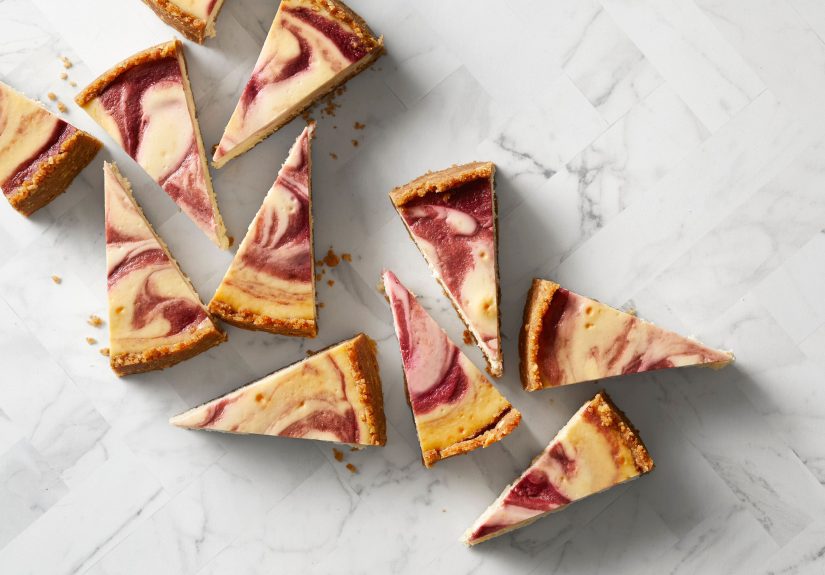
5) Chocolate Swirl Cheesecake (Because Marble Makes Everything Fancier)
This one is for the “I want chocolate, but I also want cheesecake” crowd, which is… basically everyone. The trick is
to keep the swirl bold but not overworked. You’re making art, not drywall mud.
- Base: Use the Classic baked cheesecake batter.
- Swirl: Melt 4 oz semisweet chocolate with 1/3 cup cream. Cool slightly.
-
Assemble: Pour most batter into crust. Mix chocolate into 1–1.5 cups of batter, dollop on top, then
swirl gently with a knife. - Bake: Water bath at 325°F until edges are set and center jiggles.
6) Mini Cheesecakes (Muffin Tin Magic)
Mini cheesecakes bake faster, cool faster, and make portion control feel possible (until you eat three). They’re also
perfect for parties because everyone gets their own little cheesecake and nobody has to watch you cut slices under
pressure.
- Crust: Press 1–2 tbsp crumb mixture into lined muffin cups; bake 8–10 minutes at 350°F.
- Filling: Same principles: room-temp ingredients, low mixing, eggs added gently.
- Bake: 18–22 minutes at 325°F until set around edges with a slight center jiggle.
- Chill: At least 2 hours before serving.
Easy topping bar: set out lemon curd, berry compote, caramel, crushed cookies, and whipped cream.
Watch people build masterpieces like they’re auditioning for a dessert show.
7) Gluten-Free Lemon Berry Cheesecake (Bright, Fresh, Crowd-Friendly)
Cheesecake is naturally gluten-free… until you add the crust. Swap the crust for gluten-free cookies (or almond flour
+ butter + sugar) and you’re golden. Lemon keeps it lively; berries make it look like you tried very hard (you did,
emotionally).
- Crust option A: Gluten-free vanilla cookies, crushed + butter + pinch of salt.
- Crust option B: 2 cups almond flour + 3 tbsp sugar + 6 tbsp melted butter, pressed and baked.
- Filling: Add 2 tbsp lemon juice + 2 tsp zest to the Classic batter.
- Finish: Top with macerated berries (berries + sugar + a squeeze of lemon) right before serving.
Toppings, Swirls, and Other Legal Ways to Cover a Crack
If your cheesecake cracks, congratulations: you made cheesecake. It happens. The good news is that toppings exist,
and they are basically delicious spackle.
- Quick berry sauce: Simmer berries with sugar and a splash of water until syrupy. Add lemon zest.
- Salted caramel: Store-bought is fine. Your secret is safe with me.
- Chocolate ganache: Warm cream poured over chopped chocolate; stir until glossy.
- Whipped cream: Classic, forgiving, and dramatically photogenic.
- Cookie crumble: Oreo crumbs, gingersnaps, or toasted nuts for crunch.
Troubleshooting: When Cheesecake Has Feelings
Problem: cracks on top
Usual suspects: overbaking, overmixing, or cooling too fast. Next time, mix gently, bake until the center still
jiggles slightly, and cool slowly in the turned-off oven with the door cracked. For today: cover with fruit, whipped
cream, or a sour cream topping and call it “rustic.”
Problem: lumpy batter
Your cream cheese was too cold. Let ingredients come to room temperature, then mix on low. If you’re already mid-batter,
scrape aggressively and keep mixing gently. In a pinch, press batter through a fine sieve (annoying, but effective).
Problem: soggy crust
Water seepage can happen if the foil wrap wasn’t tight, or if the crust didn’t get a short pre-bake. Use heavy-duty
foil, double-wrap, and consider placing the springform pan inside a slightly larger cake pan before it goes into the
water bath.
Problem: dry, grainy texture
Cheesecake can overbake quietly, then punish you later. Pull it when the center still has a gentle wobble, and cool
gradually. Also avoid baking at too high a temperaturecheesecake prefers calm, not chaos.
Cheesecake Experiences: Kitchen Lessons From the Crumb Zone
If you ever want to learn patience, make cheesecake. It’s the dessert that looks you dead in the eye and says,
“You can have me tomorrow.” And honestly? It’s right. Cheesecake is better after a long chill, when the flavors meld
and the texture becomes that perfect sliceable creaminess. The first time you try to rush itsay, cutting in after
two hours because “it feels set”you’ll discover a new dessert category: cheesecake pudding, served with regret.
Another universal experience: the “Is it done?” anxiety. With cakes, you poke with a toothpick and move on. With
cheesecake, you gently shake the pan like you’re checking if a sleeping cat is breathing. The trick is learning what
a good jiggle looks like: edges stable, center moving like a calm wave. Once you nail that, you stop
overbaking out of fear. Fear is the mind-killer. Fear is also the crack-maker.
Then there’s the water baththe rite of passage that turns casual bakers into people who own a roasting pan “for
reasons.” The first time, you’ll wonder why you’re pouring boiling water near something you love. The second time,
you’ll wonder why you ever skipped it. The third time, you’ll be giving friends unsolicited advice like, “Wrap the
foil highertrust me.” (You will be correct.)
Let’s talk crusts. Pressing crumbs into a pan is strangely therapeutic until you realize you used too much butter and
created an oil slick. After a few runs, you learn the sweet spot: enough butter to bind, not enough to fry. You also
learn that pre-baking the crust is like putting on a raincoat before a stormsmall effort, big payoff. And if you
venture beyond graham crackers (hello, gingersnaps and chocolate sandwich cookies), you’ll feel like you unlocked a
secret menu.
Flavor experiments are where cheesecake becomes a personality test. Some people are “pure vanilla, maybe lemon zest.”
Others are “swirl in chocolate, add espresso, top with caramel, and scatter cookie rubble like confetti.” The fun
part is that cheesecake can handle bothif you respect the base. Keep mix-ins modest, avoid adding excess liquid, and
remember that the cheesecake itself is the headliner. Toppings are the opening act.
Finally, the most comforting experience: realizing that even imperfect cheesecake disappears fast. A cracked top
doesn’t stop anyone from taking a second slice. A slightly lopsided edge doesn’t ruin the flavor. In fact, the more
you make cheesecake, the more you stop chasing “bakery-perfect” and start chasing “this tastes like a hug.” And that,
in the end, is the point. Also: leftovers for breakfast. I’m not saying you should… but I’m also not not
saying it.
Conclusion
The best cheesecake recipes aren’t about complicated stepsthey’re about calm technique: room-temperature ingredients,
low-and-slow mixing, gentle baking, and an unhurried chill. Start with the classic template, then branch out into
Basque burnt, no-bake, minis, swirls, and gluten-free crusts. Your oven (and your future self) will thank you.