Table of Contents >> Show >> Hide
- What Makes the L'Aviva Home Look So Relaxed?
- Start with a Calm, Flexible Foundation
- Layer Textiles Like You Mean It
- Use Lighting as Sculpture, Not Just Illumination
- Bring in Global Craft Without Creating Theme-Park Decor
- Choose Furniture That Feels Useful, Not Precious
- Add Pattern with Confidence and Restraint
- Create a Collected Space, Not a Perfect Space
- Why This Style Works for Modern Homes
- of Experience: Living with the Laid-Back L'Aviva Home Feeling
- Conclusion
Some interiors walk into the room wearing uncomfortable shoes. They look polished, expensive, and slightly terrified that someone might sit down. Then there is the L’Aviva Home mood: relaxed, tactile, worldly, sun-warmed, and confident enough to let a blanket drape naturally instead of standing at attention like it just joined the navy.
Channeling the laid-back look with L’Aviva Home is not about making your home look “casual” in the messy, laundry-on-the-chair sense. It is about creating rooms that feel collected rather than decorated, soulful rather than staged, and refined without acting like they have a trust fund. The brand’s aesthetic lives at the meeting point of global craft, natural materials, sculptural lighting, handwoven textiles, and that easygoing California-meets-world-traveler attitude that says, “Yes, the pillow is beautiful, but please actually lean on it.”
L’Aviva Home, now often styled as L’AVIVA, is known for working closely with artisan workshops around the world to create lighting, textiles, rugs, pillows, bedcovers, poufs, and wallcoverings that blend heritage techniques with contemporary design. Its visual language is warm but not cluttered, luxurious but not stiff, and deeply rooted in material, process, and craft. In other words: it is the design equivalent of looking effortlessly cool while secretly knowing exactly what you are doing.
What Makes the L’Aviva Home Look So Relaxed?
The laid-back L’Aviva Home look starts with restraint. That may sound surprising for a brand inspired by places such as Mexico, Morocco, Colombia, India, Bolivia, and Burkina Faso, but the magic is in the editing. The rooms and products associated with L’Aviva Home do not shout, “Look at all my souvenirs!” Instead, they whisper, “Every object here has a story, and yes, the story is more interesting than your group chat.”
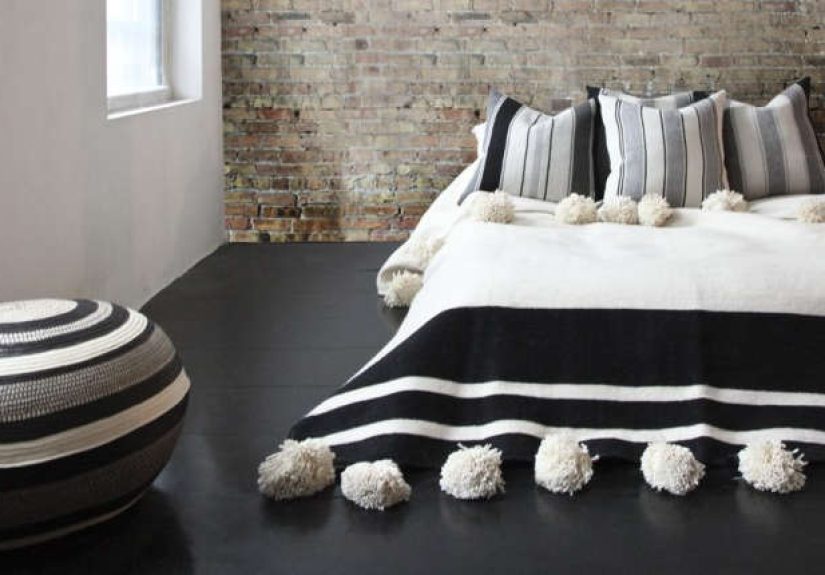
The brand often balances clean silhouettes with handmade texture. A black-and-white palette might be softened by a handwoven Moroccan blanket. A simple sofa can become the anchor for patterned Khovar-inspired pillows. A quiet dining area can glow under ceramic pendant lights made with traditional techniques. This is not maximalism with a passport stamp. It is thoughtful layering.
Key Elements of the Look
To bring the mood home, focus on five design ingredients: natural materials, global craftsmanship, soft layering, sculptural lighting, and a relaxed color palette. These elements work together to create a space that feels intentional but never fussy.
Natural materials are essential. Think cotton, wool, linen, clay, leather, wood, stone, glass, and hand-hammered metal. These surfaces age gracefully, catch light beautifully, and make a room feel alive. Unlike shiny synthetic finishes that can feel flat, handcrafted materials carry tiny irregularities. Those small imperfections are not flaws; they are the room’s personality showing up early to the party.
Start with a Calm, Flexible Foundation
The easiest way to channel L’Aviva Home style is to begin with a calm foundation. This does not mean your room has to be beige enough to disappear during a sandstorm. It means using a restrained base so that handcrafted pieces can breathe.
White walls, plaster finishes, warm neutrals, charcoal, soft black, sand, oatmeal, clay, and earthy gray all work beautifully. These tones create a gallery-like backdrop for woven pillows, ceramic lighting, vintage furniture, and textured bedcovers. If you prefer a darker mood, lean into deep espresso, rust, olive, tobacco, indigo, or warm black. The trick is to keep the palette grounded rather than chaotic.
Try This in a Living Room
Begin with a clean-lined sofa in linen, cotton, or a relaxed performance fabric. Add two or three pillows with strong texture instead of ten pillows that behave like decorative speed bumps. A Khovar-style botanical pattern, a bouclé pillow inspired by Moroccan weaving, or a leather bolster with hand-braided detail can give the sofa character without turning it into a textile museum.
Then add a low table in wood, stone, or concrete. The L’Aviva Home approach often appreciates useful pieces that can handle real life: coffee cups, books, flowers, snacks, and the occasional remote control that somehow vanishes into another dimension.
Layer Textiles Like You Mean It
Textiles are where the laid-back look gets its softness. L’Aviva Home’s textile collections often draw from traditional techniques and regional materials, such as Moroccan weaving, Bolivian highland textiles, Colombian fibers, Indian mural traditions, and cotton or wool constructions that feel substantial in the hand. These are not “matchy-matchy” accessories. They are texture with a plotline.
To style them well, avoid making everything identical. Mix a ribbed cotton bedcover with smooth linen sheets. Place a nubby wool pillow beside a flat-weave cushion. Drape a patterned throw over a plain chair. If the room feels too controlled, loosen one element: let the blanket fall casually, stack books slightly off-center, or place a basket where you actually need storage.
Bedroom Styling with a Relaxed Luxury Feel
For the bedroom, the L’Aviva Home mood works especially well because it turns comfort into design. Start with white or natural linen bedding. Add a handwoven cotton bedcover in a quiet stripe, grid, or embroidered detail. Choose pillows that bring touchable contrast: wool bouclé, cotton stria, Belgian linen backing, or a bold but earthy graphic pattern.
The goal is not to create a hotel bed that takes 27 minutes to dismantle before sleeping. The goal is to create a bed that looks layered, restful, and human. If your bed appears as though an actual person might read there on a Sunday morning with coffee, congratulations. You are on the right path.
Use Lighting as Sculpture, Not Just Illumination
One of L’Aviva Home’s strongest design signatures is sculptural lighting. The brand’s lighting collections include ceramic, leather, stone, wood, metal, glass, and clay pieces that feel more like functional art than basic fixtures. This matters because lighting is often the difference between “nice room” and “why does this room make me want to cancel my plans and stay here?”
For a laid-back interior, avoid harsh overhead lighting that makes everyone look like they are being questioned in a detective show. Instead, create pools of warm light. Use pendant lights over a dining table, sconces beside a reading nook, a table lamp on a console, or a floor lamp near a lounge chair.
Where to Place Statement Lighting
A sculptural pendant can bring craft to the center of a dining room. Ceramic lights inspired by Oaxacan pottery traditions, leather lighting with Colombian equestrian references, or openwork clay pendants can give a space depth without needing loud color. In a smaller room, a single handmade sconce can be enough. The point is to let the material be noticed.
Lighting should also support the relaxed lifestyle you are designing for. Place a lamp where you read. Add a dimmer where you eat. Use warm bulbs in areas meant for rest. Good lighting is hospitality in disguise.
Bring in Global Craft Without Creating Theme-Park Decor
The biggest mistake people make with global-inspired interiors is treating cultures like mood-board stickers. L’Aviva Home’s approach is more respectful and more sophisticated because it centers collaboration, technique, and material history. The result feels contemporary, not costume-like.
To follow that lead, choose fewer pieces with stronger presence. A Colombian woven pouf, a Moroccan-inspired blanket, a hand-formed ceramic pendant, or a textile based on traditional mural art can carry an entire room. You do not need to add a carved elephant, a fake cactus, a wall of hats, and three “wanderlust” signs. In fact, please do not. Your home deserves better, and so does the word “wanderlust.”
How to Edit the Mix
Ask three questions before adding a piece: Does it have texture? Does it have a meaningful material or craft story? Does it work with the room rather than yelling over it? If the answer is yes, it probably belongs. If the answer is “I bought it because it was on sale and vaguely tribal,” maybe let it live in someone else’s cart.
Editing is what keeps the laid-back look elegant. A room can be rich in origin, pattern, and texture while still feeling calm. The secret is repetition: repeat a color, repeat a material, or repeat a shape. For example, a black-and-white Khovar-style pillow can connect to black metal lighting, while a clay pendant can echo terracotta planters or warm wood furniture.
Choose Furniture That Feels Useful, Not Precious
A laid-back home needs furniture that can handle daily life. L’Aviva Home’s aesthetic often pairs artisan pieces with clean, flexible furniture: long tables, benches, simple sofas, low seating, stools, and storage baskets. The furniture should invite movement and gathering.
If your dining chairs are so delicate that guests apologize before sitting, they are not helping the mood. Choose pieces with honest materials and comfortable proportions. A long wooden table, a woven bench, a leather pouf, or a relaxed slipcovered chair can make the room feel welcoming immediately.
The Pouf Principle
Poufs are especially useful in this style because they are casual by nature. They can act as extra seating, footrests, side tables with a tray, or visual texture in an empty corner. A woven or leather pouf adds softness without the commitment of a large upholstered chair. It is the design world’s version of “I came prepared, but I am not making a big deal about it.”
Add Pattern with Confidence and Restraint
Pattern is welcome in the L’Aviva Home look, but it should feel organic. The Khovar Collection is a strong example: its graphic motifs are inspired by mural traditions from villages in Hazaribagh, India, where women create expressive wall paintings with layers of earth and pale clay. Translated into fabrics and wallcoverings, the motifs feel ancient and modern at once.
To use pattern at home, start with one hero. It might be a large pillow, a wall panel, a headboard fabric, or curtains. Then keep surrounding elements quieter. A black-and-white pattern can pair with raw wood, white linen, and matte ceramic. A warm patterned textile can sit beside leather, clay, and brass. The more expressive the pattern, the calmer the neighbors should be.
Create a Collected Space, Not a Perfect Space
The laid-back look depends on evidence of life. A stacked bookshelf, a handmade bowl, a woven market basket, a slightly rumpled linen throw, or a stool used as a side table can make a room feel lived-in. The goal is not messiness; it is ease.
Rooms inspired by L’Aviva Home should feel like they evolved over time. Mix newer artisan pieces with vintage finds. Pair a clean modern sofa with a traditional textile. Place a sculptural lamp on an old table. Hang a contemporary artwork near handmade ceramics. This contrast is what gives the room rhythm.
Practical Styling Formula
For each room, try this formula: one clean anchor, one handmade statement, one soft textile layer, one sculptural light, one personal object. In a bedroom, that might mean a simple bed frame, a Moroccan-style cotton bedcover, linen pillows, a ceramic pendant, and a framed photograph. In a living room, it could be a neutral sofa, a woven pouf, a textured throw, a handmade floor lamp, and a stack of books from places you actually care about.
Why This Style Works for Modern Homes
Modern life is noisy. Our phones buzz, our tabs multiply, and somehow every appliance now has an app. A laid-back, craft-centered home offers the opposite experience. It slows the eye. It invites touch. It reminds us that beauty can come from patience, skill, and materials shaped by real hands.
That is why the L’Aviva Home aesthetic feels relevant now. It offers luxury without coldness and global influence without clutter. It makes space for craftsmanship while still fitting contemporary homes, apartments, lofts, beach houses, and relaxed city interiors.
of Experience: Living with the Laid-Back L’Aviva Home Feeling
The real test of any interior style is not how it looks in a perfectly lit photograph. The test is Tuesday evening. You come home tired. You drop your keys somewhere you will absolutely forget. You want the room to welcome you, not judge you. That is where the laid-back L’Aviva Home feeling becomes more than decoration.
In practice, this look changes how a room behaves. A handwoven blanket at the end of the sofa gets used. A pouf moves from the living room to the bedroom and back again. A ceramic lamp throws soft shadows across the wall, making dinner at home feel more intentional even if dinner is takeout eaten from the container. The materials do some emotional heavy lifting. Linen relaxes. Wool warms. Clay grounds. Wood softens. Leather deepens with age. Suddenly, the room is not just styled; it is participating.
One of the best experiences with this style is how forgiving it is. A highly polished room can fall apart visually the moment someone leaves a book open or folds a throw incorrectly. A laid-back, craft-rich room absorbs real life. A rumpled bedcover looks inviting. A slightly uneven handmade bowl looks charming. A woven basket full of magazines looks purposeful, even when half those magazines are from three summers ago and one is mysteriously about grilling.
This approach is also excellent for people who do not want to redecorate from scratch. You can introduce the L’Aviva Home mood slowly. Start with lighting if the room feels flat. Start with pillows if the sofa feels tired. Start with a bedcover if the bedroom needs warmth. Start with a pouf if the room needs flexibility. One strong piece can shift the entire atmosphere.
The best rooms I have seen in this spirit share one quality: they do not try too hard. They have negative space. They have texture. They have a few objects with real presence. They allow sunlight to hit imperfect surfaces. They mix quiet colors with handmade details. They feel designed, yes, but they also feel like someone could stretch out, read, nap, talk, eat, laugh, or sit silently with coffee while pretending not to check email.
And that is the beauty of channeling the laid-back look with L’Aviva Home. It is not about copying a showroom. It is about learning a design language: respect the material, honor the maker, edit the room, soften the edges, and leave enough space for life to happen. The result is a home that feels worldly without being loud, luxurious without being uptight, and casual without looking accidental. Basically, it is the interior design version of great linen pants: relaxed, elegant, and secretly doing a lot of work.
Conclusion
Channeling the laid-back look with L’Aviva Home means creating rooms that are relaxed, tactile, and deeply personal. It is a style built on artisan craftsmanship, natural materials, sculptural lighting, layered textiles, and thoughtful restraint. Instead of chasing trends, it asks you to choose pieces with meaning and let them breathe.
Whether you begin with a handwoven blanket, a ceramic pendant, a textured pillow, or a globally inspired pouf, the goal is the same: build a home that feels collected, comfortable, and quietly beautiful. Not perfect. Not overdesigned. Just wonderfully livable.
Note: This article is written for web publication and synthesizes real public brand information, current interior design context, and practical styling guidance while intentionally omitting visible source links for a clean reader experience.