Table of Contents >> Show >> Hide
- The 30-Second Answer
- Why Gout Cares About Food (And Why Bread Usually Gets a Pass)
- Is Yeast in Bread a Problem for Gout?
- Which Bread Is Best If You Have Gout?
- Breads (and Bread-Like Foods) to Limit
- The Real Trap: What You Put on Bread
- Portion Size: How Much Bread Can You Eat With Gout?
- Does Bread Trigger Gout Flares for Some People Anyway?
- Smart Bread Choices: Simple Meal Ideas for a Gout-Friendly Diet
- FAQ: Bread and Gout
- Conclusion: Yes, You Can Eat Bread With GoutBe Strategic
- Real-World Experiences: How People Actually Handle Bread With Gout (About )
Yesmost people with gout can eat bread. Bread is generally a low-purine food, which means it usually doesn’t crank up uric acid the way organ meats, certain seafood, beer, or sugary drinks can. The bigger “gotchas” are often what’s on the bread (hello, bacon cheeseburger melt) and how bread fits into your overall pattern (refined carbs + weight gain + sugary beverages = gout’s favorite group chat).
Let’s break it down in plain Englishbecause nobody wants a gout flare just for making a sandwich.
The 30-Second Answer
- Bread alone: Usually OK for gout, in reasonable portions.
- Best picks: Whole grain, high-fiber breads with minimal added sugar.
- Watch-outs: Pastries/sweet breads, oversized portions, high-sodium breads if you also manage blood pressure, and toppings that are high in purines (or high in sugar/alcohol on the side).
Why Gout Cares About Food (And Why Bread Usually Gets a Pass)
Gout happens when uric acid levels get high enough to form crystals in jointsleading to sudden, intense pain, swelling, and inflammation. Uric acid is produced when your body breaks down purines, which are found naturally in your body and in some foods.
Diet isn’t the whole story (genetics, kidney function, certain medications, body weight, and hydration matter a lot), but food choices can influence flare frequency for some people. Most guidance focuses on:
- Limiting high-purine foods (like organ meats and certain seafood)
- Limiting alcohol (especially beer)
- Limiting high-fructose corn syrup and sugary drinks
- Choosing a heart-healthy eating pattern (often Mediterranean- or DASH-style)
- Staying hydrated
Here’s the key point: most breads aren’t high in purines. That’s why bread is generally considered “gout-friendly” compared with the usual suspects.
Is Yeast in Bread a Problem for Gout?
This question comes up a lot because some yeast-related products are purine-heavy. The nuance:
Baker’s yeast in bread
Most bread contains yeast, but the amount you actually consume per serving is relatively small. For most people with gout, typical bread intake isn’t treated as a major purine trigger.
Yeast extracts and supplements
Yeast extracts (think concentrated spreads or flavor boosters) and certain supplements can be much more purine-dense. Those are more likely to matter than the yeast used to make a standard loaf.
Bottom line: Bread’s yeast generally isn’t the villain. Concentrated yeast products are a different story.
Which Bread Is Best If You Have Gout?
If bread is invited to your plate, pick the version that supports uric-acid-friendly goals: steady blood sugar, healthy weight, and an overall anti-inflammatory pattern.
1) Whole grain bread
Whole wheat, multigrain, rye, sprouted grainthese typically offer more fiber, which helps with fullness and metabolic health. Many gout guidelines also encourage eating patterns rich in whole grains, fruits, vegetables, and low-fat dairy.
2) Lower added sugar bread
Some breads sneak in sweeteners. While the main “sugar villain” in gout guidance is often sugar-sweetened beverages and high-fructose corn syrup, choosing bread with minimal added sugar still helps keep your overall intake in check.
3) Reasonable sodium (especially if you have hypertension)
Gout and high blood pressure commonly travel together. If you’re watching sodium, compare labelssome breads are surprisingly salty.
4) Gluten-free bread (only if you need it)
Gluten-free bread isn’t automatically “better for gout.” It can be useful for people with celiac disease or gluten sensitivity, but some gluten-free breads are lower in fiber and higher in refined starch. For gout, prioritize fiber and minimal added sugargluten-free or not.
Breads (and Bread-Like Foods) to Limit
Not because they’re purine bombsbut because they can make it easier to overdo calories, sugar, and refined carbs:
- Pastries, donuts, sweet rolls (often high in sugar and refined flour)
- White bread “mega servings” (easy to eat a lot without noticing)
- Highly processed snack breads/crackers with added sugars and low fiber
- Any bread that leads to “topping chaos” (see next section)
The Real Trap: What You Put on Bread
Bread is the stage. Toppings are the cast. And some of those actors are absolute drama.
Higher-risk toppings (common gout triggers)
- Organ meats (pâté/liver spreads)
- Processed meats (bacon, sausage, deli meats) not just for purines, but also overall dietary quality
- Gravy or meat-heavy sauces
- Anchovies/sardines (classic high-purine fish)
More gout-friendly toppings
- Low-fat dairy (like yogurt-based spreads, cottage cheeseif tolerated)
- Eggs
- Nut butters (watch added sugar)
- Avocado
- Vegetables (tomato, cucumber, greens, roasted peppers)
- Olive oil and herb-based spreads
If you want a simple rule: build bread meals around plants and lean proteins, not meat-heavy stacks and sugary add-ons.
Portion Size: How Much Bread Can You Eat With Gout?
There’s no one magic number, but practical portions matter because weight management and metabolic health are strongly tied to gout risk and flare frequency. For many people, a reasonable range looks like:
- 1–2 slices at a meal (depending on your energy needs and what else you’re eating)
- Choose whole grain more often than white
- Pair bread with protein + fiber (eggs + veggies, hummus + salad) to avoid blood sugar spikes
Also: avoid crash dieting or rapid weight lossthose can sometimes provoke flares. Slow, steady changes usually win.
Does Bread Trigger Gout Flares for Some People Anyway?
Sometimes, yesbecause triggers can be individual. Bread itself is rarely the direct culprit, but a few scenarios can make it look guilty:
- “Bread came with beer” effect: The flare follows the alcohol (especially beer), not the bun.
- “Bread came with bacon” effect: The sandwich is a purine + sodium + saturated-fat party.
- “Bread came with soda” effect: Sugary drinks (often containing high-fructose corn syrup) are a well-known risk factor.
- Overeating pattern: Regular large servings of refined carbs can contribute to weight gain and insulin resistance, which can worsen gout risk over time.
If you suspect bread is a personal trigger, try a simple experiment: keep everything else stable for 2–3 weeks, switch from refined white bread to smaller portions of whole grain, and track symptoms. If flares still happen, talk with your clinicianmedication and kidney health often matter more than any single food.
Smart Bread Choices: Simple Meal Ideas for a Gout-Friendly Diet
Breakfast
- Whole grain toast + scrambled eggs + sautéed spinach and tomatoes
- Sprouted grain toast + unsweetened nut butter + sliced banana
Lunch
- Open-faced sandwich: whole grain bread + hummus + cucumber + roasted red pepper
- Turkey alternatives: swap deli meat for grilled chicken breast or egg salad (lighter mayo or yogurt-based)
Dinner
- Whole grain bread alongside a big salad + olive oil dressing + low-fat yogurt on the side
- Vegetable soup + a slice of whole grain bread (watch sodium if needed)
FAQ: Bread and Gout
Is sourdough bread good for gout?
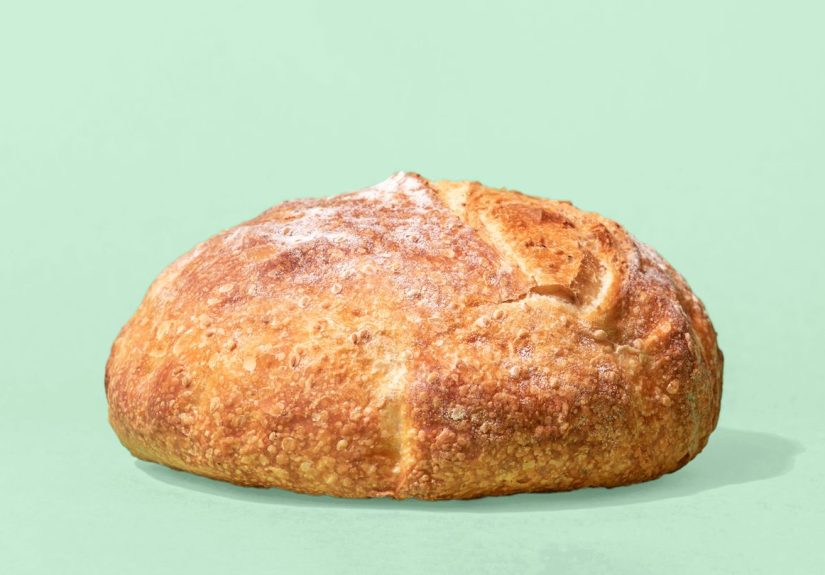
Sourdough can be a fine option. It’s not typically singled out as a gout risk. Choose whole grain sourdough when possible, and keep portions reasonable.
Can I eat white bread with gout?
You can, but it’s usually smarter to prioritize whole grains most of the time. White bread is more refined, less filling, and easier to overeatespecially when it shows up as “just one more slice.”
What about oats? I heard mixed messages.
Some gout diet resources flag oats as a food to limit compared with other grains. That doesn’t mean oats are “forbidden,” but if you notice flares after big oat servings, keep portions moderate and discuss individualized guidance with your clinician or dietitian.
Do sandwiches cause gout?
Sandwiches don’t cause gout by default. But sandwiches can become high-risk depending on fillings (processed meats, rich gravies), sides (fries), and drinks (beer or sugary soda). The bread is usually the least suspicious person in that lineup.
Conclusion: Yes, You Can Eat Bread With GoutBe Strategic
Most people with gout can keep bread on the menu. Treat bread like a supporting character, not the whole plot:
- Pick whole grain more often than refined white
- Watch portion size
- Avoid making bread a delivery system for high-purine meats and sugary drinks
- Focus on an overall pattern (often Mediterranean/DASH-style), plus hydration and healthy weight
- If you have frequent flares, talk to your cliniciandiet helps, but medication is often essential
Real-World Experiences: How People Actually Handle Bread With Gout (About )
If you’ve ever tried to “eat perfectly” with gout, you already know the truth: real life keeps scheduling surprise parties, and the menu rarely asks your joints for permission. In everyday routines, bread often ends up being one of the more manageable foodsmostly because people learn that context matters more than a single slice.
One common experience: people initially blame bread after a flare because the painful episode happened the morning after pizza, burgers, or a big holiday meal. Later, when they look closer, the pattern is usually less “bread did this” and more “bread arrived with beer, processed meats, and dessert.” A lot of folks find that swapping the drink (water or seltzer instead of soda/beer) reduces flare anxiety more than banning bread ever did.
Another frequent pattern: the “portion creep.” Someone starts with one slice at breakfast, then adds a bagel at lunch, then a couple of dinner rolls because they skipped veggies and feel hungry. The bread wasn’t the triggerthe overall day was. Many people report better control when they keep a simple boundary like a “two-slice rule” for most meals, then fill the rest of the plate with vegetables and a gout-friendlier protein (eggs, yogurt, beans if tolerated, or lean poultry in reasonable amounts).
Toppings are where real change happens. People who love sandwiches often do best when they keep the bread but upgrade what goes inside: avocado and egg, hummus with crunchy vegetables, grilled chicken with a big pile of greens, or yogurt-based sauces instead of rich gravies. The satisfaction stays high, and the “gout risk vibe” tends to drop. Some even keep a “safe sandwich list” on their phone for busy daysbecause decision fatigue is real and so is the drive-thru.
Then there’s travel. Airports and road trips are basically bread headquarters. A lot of people with gout say their best travel hack is pairing bread with hydration and a smarter protein: buy a plain turkey-and-veggie sandwich and skip the soda; grab a yogurt cup; add fruit; keep water nearby. It’s not glamorous, but neither is limping through a museum because your big toe decided to stage a revolt.
Finally, many people learn to track triggers without panic. A simple notes app“What I ate, what I drank, sleep, stress, hydration”often reveals that flares line up with dehydration, alcohol, sugar-sweetened drinks, big meat portions, or illness. Bread rarely shows up as the main offender. That realization is a relief: it means you can still enjoy toast, sandwiches, and the occasional slice of pizzajust with smarter choices around it.