Table of Contents >> Show >> Hide
- What Is a Butler Kitchen Sink?
- Why Butler Kitchen Sinks Are Having a Moment
- Butler Sink vs. Farmhouse Sink vs. Apron-Front Sink
- The Best Places to Use a Butler Kitchen Sink
- Best Materials for a Butler Kitchen Sink
- Size, Depth, and Installation Considerations
- Pros of a Butler Kitchen Sink
- Cons of a Butler Kitchen Sink
- How to Style a Butler Kitchen Sink So It Looks Intentional
- How to Clean and Maintain a Butler Kitchen Sink
- Is a Butler Kitchen Sink Worth It?
- Real-Life Experiences With a Butler Kitchen Sink
- Final Thoughts
If the phrase butler kitchen sink sounds a little fancy, that is because it is. It arrives with the energy of polished silver, dinner parties, and the kind of kitchen that somehow never has yesterday’s coffee mug in the frame. But this sink style is not just decorative fluff in an apron. It is practical, hardworking, and surprisingly adaptable to modern homes.
In today’s design language, “butler kitchen sink” usually points to one of two closely related ideas: a classic butler sink with a deep, roomy basin, or a sink placed in a butler’s pantry, prep pantry, or scullery. Either way, the appeal is the same. You get a sink that is built for real mess, real cooking, real entertaining, and real life. In other words, it is not here to pose for photos alone, though it does that beautifully too.
This guide breaks down what a butler kitchen sink is, why homeowners love it, which materials make sense, what installation issues you need to think through before ordering one with your whole heart, and how to decide whether this classic workhorse belongs in your main kitchen, your pantry, or both.
What Is a Butler Kitchen Sink?
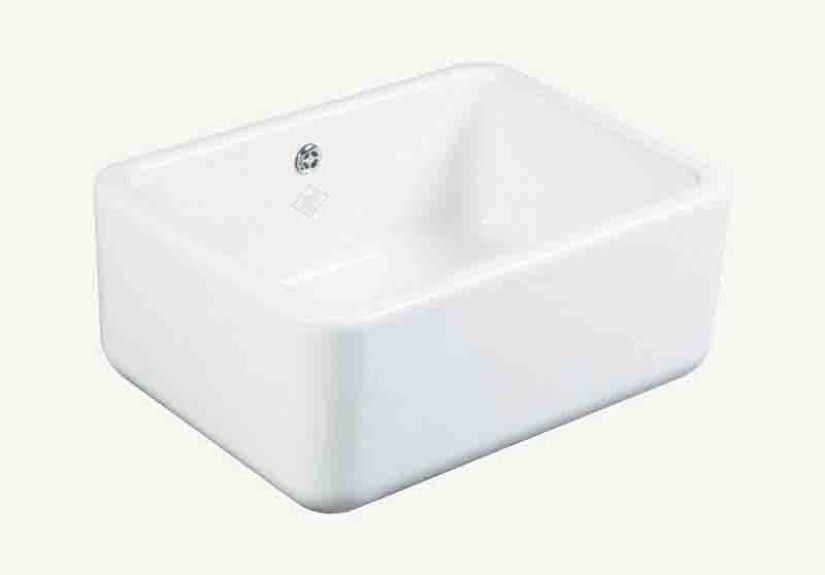
A butler kitchen sink is best understood as a deep, generous sink designed for heavy-duty prep and cleanup. In style terms, it overlaps heavily with the farmhouse sink and the apron-front sink. Historically, the butler or Belfast-style sink earned its reputation as a practical basin that could handle oversized cookware, dishwashing, and all the messy tasks that polite company preferred not to watch.
That history is exactly why the sink still makes sense now. The best kitchen features are usually the ones that solve boring, everyday problems well. A butler kitchen sink gives you more room to rinse sheet pans, soak stockpots, wash produce, fill pitchers, and tackle the kind of cleanup that makes smaller bowls wave a tiny white flag.
In many modern American homes, the term also connects to the butler’s pantry sink: a smaller or secondary sink located between the main kitchen and dining space, often used for drinks, prep, plating, flower arranging, bar service, or cleanup overflow. So if you searched this phrase because you are planning a pantry remodel, you are not lost. You are right on topic.
Why Butler Kitchen Sinks Are Having a Moment
Design trends come and go, but the butler kitchen sink keeps sneaking back into the spotlight because it solves a modern contradiction. People want kitchens that look calm and stylish, but they also want kitchens that survive pasta night, cookie marathons, holiday hosting, and the occasional “Why did I decide to deep-fry anything?” experiment.
A butler sink helps bridge that gap. It is functional enough for serious cooking and visually strong enough to become a design focal point. The exposed apron or deep basin adds character immediately, even in a newer build that otherwise feels polished and streamlined.
It also pairs beautifully with the growing popularity of butler’s pantries, sculleries, and back kitchens. Homeowners increasingly want a hidden support zone for entertaining: a place to stash appliances, prep drinks, rinse serving pieces, and keep the main kitchen from looking like a culinary crime scene five minutes before guests arrive.
Butler Sink vs. Farmhouse Sink vs. Apron-Front Sink
This is where the vocabulary gets slippery. Many people use these terms interchangeably, and honestly, search engines do too. Still, there are subtle differences worth knowing.
Butler Sink
This usually refers to the classic deep work sink associated with British kitchens, especially Belfast-style designs. It is all about capacity, durability, and traditional character.
Farmhouse Sink
This is the broad style category most American homeowners recognize. A farmhouse sink is typically deep, wide, and made to handle bigger kitchen jobs with less bending and splashing drama.
Apron-Front Sink
This describes the visible front face of the sink extending beyond the cabinetry. Some apron-front sinks are very traditional; others lean sleek and modern. Think of “apron-front” as the construction and appearance detail, while “farmhouse” and “butler” lean more into style and heritage.
For practical shopping purposes, you will often find the same product described with two or even three of these labels. The smart move is to focus less on the name and more on the sink’s bowl depth, width, material, installation type, and required cabinet support.
The Best Places to Use a Butler Kitchen Sink
Main Kitchen
If you cook often, bake in volume, or just own cookware that refuses to fit neatly into standard sinks, putting a butler sink in the main kitchen can be a dream. It becomes the hardworking center of cleanup and prep.
Butler’s Pantry
A secondary sink in a butler’s pantry is incredibly useful for entertaining. It gives you a place to rinse bar tools, fill ice buckets, wash fruit for cocktails, clean serving platters, and hide prep mess from the main room. It also makes a pantry feel like a true working zone rather than a pretty closet with ambition.
Scullery or Back Kitchen
If your home has space for a behind-the-scenes cleanup room, a butler kitchen sink fits naturally there. This setup is especially useful for large households, frequent hosts, and anyone who wants the show kitchen to stay camera-ready while the real action happens elsewhere.
Best Materials for a Butler Kitchen Sink
The right material depends on how you cook, how much maintenance you tolerate, and whether your style leans classic, modern, rustic, or somewhere in the happy middle.
Fireclay
Fireclay sinks are the darlings of the classic butler-sink world. They have a smooth, glossy, substantial look that feels timeless. They are also tough, non-porous, and usually easy to wipe clean. If your Pinterest board contains white kitchens, warm brass, handmade tile, and the phrase “quiet luxury,” fireclay is probably already flirting with you.
The tradeoff is weight and cost. Fireclay sinks are heavy, and that means cabinetry often needs careful measuring and reinforcement. Translation: this is not the kind of sink you buy on a whim between coffee and lunch.
Enameled Cast Iron
This option delivers rich color, classic charm, and serious durability. It feels substantial because it is substantial. Very substantial. If your cabinets are not prepared, cast iron will introduce itself like a bowling ball in a ballroom.
Still, for homeowners who want a durable statement piece with a polished surface, cast iron remains a beautiful choice.
Stainless Steel
For a more modern or transitional kitchen, stainless steel apron-front sinks are hard to beat. They are lighter than fireclay and cast iron, easier to integrate into sleek designs, and usually simpler to maintain. If you are less interested in cottage-core fantasy and more interested in relentless daily function, stainless steel is your sensible best friend.
Granite Composite
Granite composite options, including engineered materials such as Silgranit-style sinks, are increasingly popular because they combine durability, color options, and easy care. They bring a softer matte look than stainless steel and often feel less precious than glossy white finishes.
This material can be ideal if you love the farmhouse silhouette but want something that hides wear well and plays nicely with modern cabinetry.
Copper
Copper is gorgeous, dramatic, and a little high-maintenance in the most glamorous way. It develops a natural patina and makes a kitchen feel warm and distinctive. It is not the cheapest route, and it is not always the easiestgoing one, but if you want your sink to have personality before anyone even notices the backsplash, copper delivers.
Size, Depth, and Installation Considerations
This is the section where good intentions meet actual cabinetry. Butler kitchen sinks are often sold in widths around 30 to 36 inches, with deep basins that make everyday prep easier but also demand careful planning.
Cabinet Fit Matters
You cannot treat a butler sink like a standard drop-in swap. Many apron-front and farmhouse styles require a customized cabinet opening, and some need a larger base cabinet than the sink width might suggest. Before choosing one because it looked romantic next to unlacquered brass online, verify the actual manufacturer specs.
Weight Matters Too
Large fireclay and cast-iron models are heavy before you even add water, a disposal, and a stack of pans. That means reinforcement may be needed. If your remodel plan currently says “sink goes here somehow,” this is your sign to upgrade the plan.
Mounting Style Changes the Look
Some butler-style sinks are installed as undermounts for a cleaner, more integrated appearance. Others read more traditional with a visible edge or a prominent apron. The mounting choice affects not only style, but also cleanup, countertop compatibility, and labor cost.
Don’t Forget Faucet Placement
Because deep sinks change the working geometry, faucet reach and placement matter more than people expect. A faucet that looks fine on paper can feel awkward if it does not reach the full width of the bowl or if the splash pattern is chaotic. Function first, faucet glamour second.
Pros of a Butler Kitchen Sink
- Deep basin handles large pots, sheet pans, cutting boards, and serving pieces with less struggle.
- Apron-front styles can reduce some of the leaning and hunching that make dish duty feel like a punishment from the universe.
- Strong visual impact adds character instantly.
- Works beautifully in traditional, transitional, farmhouse, cottage, and even modern kitchens.
- Excellent fit for butler’s pantries, sculleries, and entertaining zones.
- Available in materials that range from timeless to contemporary.
Cons of a Butler Kitchen Sink
- Can reduce cabinet and countertop flexibility.
- Often costs more than standard sink options.
- May require cabinet modifications and extra installation labor.
- Heavier materials can require structural reinforcement.
- White glossy finishes may show grime sooner if you are not great at the whole “wipe things immediately” lifestyle.
How to Style a Butler Kitchen Sink So It Looks Intentional
The best butler sink setups feel integrated, not random. Here are a few design pairings that work especially well:
For a Classic Look
Choose a white fireclay sink with shaker cabinets, bridge or gooseneck faucets, warm metal finishes, and natural stone or marble-inspired counters.
For a Modern Look
Use a stainless steel or dark composite apron-front sink with slab cabinetry, minimal hardware, quartz counters, and a clean-lined faucet.
For a Butler’s Pantry
Pair the sink with glass-front cabinets, task lighting, beverage storage, concealed small appliances, and durable counters that can handle spills, citrus, coffee, and cocktail chaos with grace.
A good sink area also benefits from smart accessories: bottom grids, fitted cutting boards, drying racks, colanders, and well-placed wall sconces or under-cabinet lighting. Little touches can make the sink zone feel less like a utility corner and more like the brain of the room.
How to Clean and Maintain a Butler Kitchen Sink
Maintenance depends on the material, but one rule applies across the board: use cleaners that match the manufacturer’s care recommendations. A butler kitchen sink is sturdy, not invincible. There is a difference.
For everyday care, mild soap, warm water, and a soft cloth or sponge are usually enough. Avoid harsh abrasives unless the manufacturer specifically says they are safe. Drying the sink after use helps glossy surfaces look better and prevents mineral buildup from stealing the shine.
If you choose composite or fireclay, follow brand-specific instructions for stain removal and surface care. If you choose copper, accept that patina is part of the charm, not a defect demanding a crisis response.
Is a Butler Kitchen Sink Worth It?
Yes, if you want a sink that works hard and looks good doing it.
A butler kitchen sink is worth the investment for people who cook often, entertain regularly, use large cookware, or want a stronger focal point than a standard sink can offer. It is also a smart addition in a butler’s pantry where a second sink can dramatically improve flow during gatherings.
It may not be the right pick if you are squeezing every inch from a tiny kitchen, trying to keep renovation costs down, or hoping for a quick one-for-one replacement with minimal cabinet changes. This is a sink with opinions. It asks for planning. But when chosen well, it rewards that effort every single day.
Real-Life Experiences With a Butler Kitchen Sink
Living with a butler kitchen sink changes the rhythm of a kitchen in ways that are easy to underestimate during a remodel. On paper, it sounds like a simple upgrade: deeper basin, prettier front, nicer material. In daily life, it often becomes the place where the whole room quietly works better.
One of the first differences people notice is capacity. A roasting pan that once had to be washed at an angle like a puzzle piece suddenly drops in without an argument. Cookie sheets fit. Oversized mixing bowls fit. That giant stockpot used once every three months but stored with the confidence of a daily essential also fits. The sink stops being a bottleneck and starts acting like useful infrastructure.
There is also something unexpectedly pleasant about the ergonomics. Because apron-front styles bring the sink edge forward, you stand a bit closer while washing dishes or prepping vegetables. That sounds minor until you realize your shoulders are less tense and your lower back is not filing formal complaints after a long cooking session. A standard sink makes you reach. A butler sink tends to meet you halfway.
For people who entertain, the experience gets even better when the sink is placed in a butler’s pantry or prep area. Guests can hover around the main kitchen island admiring appetizers while the messy realities of rinsing glassware, washing herbs, filling vases, or hiding the evidence of pre-dinner chaos happen offstage. It is one of those features that feels extravagant until you use it, and then it starts to feel suspiciously intelligent.
Families often appreciate the sink for less glamorous reasons. It is easier to wash lunch containers, water bottles, baking trays, pet bowls, and awkward serving platters without turning the countertop into a splash zone. A deep basin helps contain the mess. That means fewer puddles, less dripping down cabinet fronts, and less of that passive-aggressive towel thrown over the counter edge “for now.”
Of course, there are learning curves. White fireclay looks stunning, but it also has no interest in pretending coffee residue is invisible. Copper develops character whether you asked for it on Tuesday or not. Heavy sinks can make installation more complicated than expected. And yes, sometimes homeowners discover that the dream sink requires cabinet modifications, stronger support, or a faucet rethink. Romance meets math. Math usually wins.
Still, the long-term experience is often what makes the butler kitchen sink such a beloved feature. It looks substantial because it is substantial. It earns its place. It can make a kitchen feel more grounded, more usable, and more tailored to real habits instead of showroom fantasy. That is probably the best compliment you can give any kitchen fixture. It is not just pretty when the room is spotless. It is helpful when life is loud, dinner is late, and someone has somehow used every pan you own.
Final Thoughts
The butler kitchen sink has survived shifting trends for a reason. It brings together beauty, capacity, and practicality in a way many kitchen upgrades only promise. Whether you install one in your main kitchen, your butler’s pantry, or a hardworking scullery, it can improve both the look of the space and the way the space functions.
If you love classic character, deep-basin utility, and a kitchen that feels ready for actual living, this sink style deserves a serious look. Just measure carefully, respect the weight, choose the right material for your habits, and let the sink do what it was born to do: handle the mess without ruining the mood.