Table of Contents >> Show >> Hide
- Why These 6 Bathroom Renovations Matter So Much
- 1. Grout: The Tiny Line That Can Make a Bathroom Look Brand-New
- 2. Mirror: The Upgrade That Multiplies Light, Style, and Space
- 3. Lighting: The Bathroom Upgrade That Fixes Function and Flattery
- 4. Tile: The Surface That Sets the Whole Bathroom’s Personality
- 5. Flooring: The Renovation That Decides Comfort, Safety, and Durability
- 6. Faucet: The Small Fixture That Finishes the Room
- How to Prioritize These Bathroom Renovations on a Real Budget
- Final Thoughts
- Renovation Experiences: What Homeowners Usually Notice After These 6 Upgrades
A bathroom renovation does not always need to begin with a dramatic demolition montage and end with you eating takeout on a stack of unopened tile boxes. Sometimes the smartest upgrade is not the biggest one. It is the one that fixes what you notice every single morning: dingy grout, a too-small mirror, harsh lighting, dated tile, slippery flooring, or a faucet that looks tired and works like it is personally offended you touched it.
If you are planning a bathroom refresh, these six bathroom renovations deserve a top spot on your list. They are practical, style-shaping, and surprisingly powerful. Together, grout, mirror, lighting, tile, flooring, and faucet choices can make a bathroom feel cleaner, brighter, larger, safer, and more expensive without necessarily pushing the project into full luxury-spa-budget territory.
The best part is that each of these upgrades has both visual payoff and real-world function. Good grout helps moisture-prone areas stay cleaner-looking. A larger mirror can make a small room feel less like a hallway with plumbing. Layered lighting improves grooming and mood. Better tile and flooring can boost durability and traction. A well-chosen faucet improves everyday use while tying the whole design together.
Why These 6 Bathroom Renovations Matter So Much
Bathrooms work harder than almost any other room in the house. They deal with steam, splashes, soap residue, toothpaste speckles, hair products, and the general chaos of hurried mornings. That means surfaces and fixtures need to do more than look good in listing photos. They need to survive real life.
That is why these six renovations matter. They sit at the intersection of design and performance. They affect how the room handles moisture, how it reflects light, how safe the floor feels under bare feet, and how polished the room looks as a whole. In other words, they are not random style upgrades. They are the parts of the bathroom you see, touch, clean, and judge most often.
1. Grout: The Tiny Line That Can Make a Bathroom Look Brand-New
Why grout deserves more respect
Grout is one of those bathroom details people ignore until it turns against them. Fresh tile with stained, cracked, or mildewed grout is like wearing polished shoes with a ketchup stain on your shirt. Technically, you are dressed. Emotionally, something is off.
In bathrooms, grout matters because moisture matters. Steam and condensation love to settle in corners, joints, and porous surfaces. That is why grout is often where a bathroom starts looking older than it really is. Even beautiful wall tile can lose the plot when the grout lines are discolored or crumbling.
Best renovation moves for grout
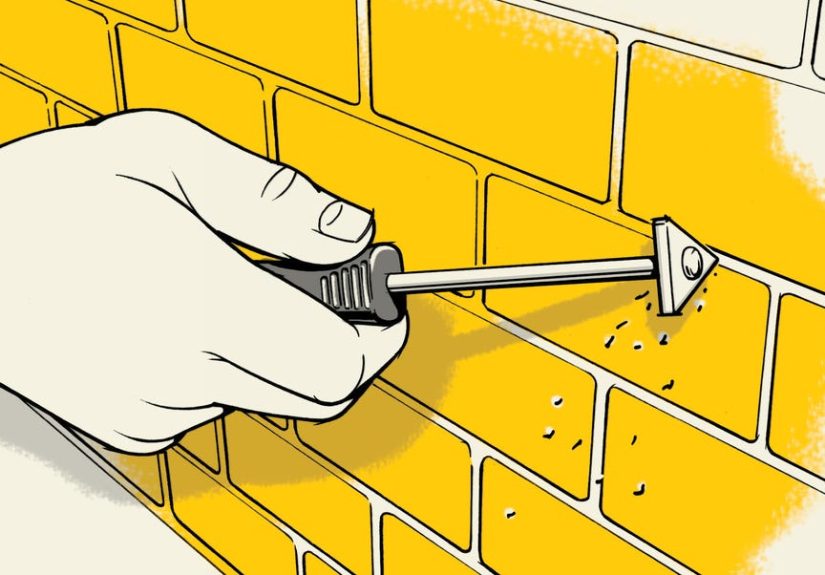
If your tile is still in good shape, regrouting or recoloring the grout can be one of the highest-impact cosmetic updates in the room. White or light grout tends to look crisp and classic, but darker grout can hide daily mess better and add contrast, especially with white tile. Black grout with penny tile or subway tile gives a more graphic, modern feel. Matching grout closely to the tile color creates a calmer, more seamless look.
Material choice matters too. Traditional cement grout is common, but bathrooms benefit from products with better stain and moisture resistance. For wet spaces, many renovators favor grout options that offer more consistent color and less maintenance. The exact right type depends on tile size, joint width, and where the tile is installed, but the larger point is simple: grout is not filler. It is part of the finish.
What homeowners often miss
If you are redoing grout, do not ignore ventilation. A gorgeous grout refresh will not stay gorgeous for long if the bathroom is not clearing moisture properly. This is where the humble exhaust fan becomes the grout’s best friend. Think of it as less glamorous than a marble vanity, but more loyal.
2. Mirror: The Upgrade That Multiplies Light, Style, and Space
Why a mirror change feels so dramatic
Replacing a bathroom mirror can completely change the room without moving a single plumbing line. That is rare renovation magic. A larger mirror reflects more light, opens up sightlines, and instantly makes a compact bathroom feel more generous. In a shared vanity, it also solves the daily “please move, I need exactly six square inches of mirror” negotiation.
How to choose the right bathroom mirror
There are a few winning directions here. A large rectangular mirror keeps things classic and practical. A round mirror softens a space full of hard edges and straight lines. An arched mirror brings in a little architecture, even if the rest of the room is fairly simple. Framed mirrors add contrast and definition, while frameless mirrors feel cleaner and visually lighter.
For many bathrooms, the smartest move is choosing a mirror that is slightly narrower than the vanity so the proportions feel intentional rather than accidental. Oversized mirrors work especially well in smaller baths because they bounce light around the room and reduce visual clutter. If natural light is limited, that reflectivity is not just decorative. It makes the room feel more awake.
When to consider LED or anti-fog mirrors
If you want your mirror to do more than reflect your pre-coffee face, integrated LED mirrors can be a smart upgrade. They offer a sleek, modern look and can pair especially well with minimal vanities. Anti-fog features are another practical bonus, particularly in bathrooms where hot showers tend to turn the mirror into an abstract painting.
The key is not to choose a mirror in isolation. It should work with your lighting, vanity width, faucet finish, and overall mood of the room. A mirror is not wall jewelry. It is a major design anchor.
3. Lighting: The Bathroom Upgrade That Fixes Function and Flattery
Why overhead-only lighting is a trap
A single ceiling light in the middle of the bathroom might technically count as illumination, but it is not doing your face any favors. It casts shadows, flattens the room, and makes shaving, makeup, and skincare feel like a trust exercise.
The best bathroom lighting uses layers. Task lighting helps you see clearly at the mirror. Ambient lighting provides general brightness. Accent lighting adds warmth, depth, or a little design drama. When these layers work together, the bathroom feels balanced rather than washed out.
What good bathroom lighting looks like
Sconces on either side of the mirror are one of the most flattering and practical setups because they reduce side shadows. If that layout is not possible, a properly sized vanity fixture above the mirror can still work beautifully. The fixture should generally relate to the width of the mirror or vanity so it does not look undersized and apologetic.
Color temperature matters too. Many homeowners want lighting that feels clean but not clinical. That usually means avoiding bulbs that are too cool and blue-toned unless the room has a very specific modern aesthetic. Dimmer switches are also worth their weight in gold. Bright enough for grooming at 7 a.m., softer for a nighttime bath at 9 p.m. That is the kind of emotional range every bathroom deserves.
Why LED wins
LED lighting is a renovation no-brainer for most bathrooms. It is energy efficient, long-lasting, and available in styles that do not scream “utility aisle.” If you are already opening the wall or swapping fixtures, it makes sense to upgrade the lighting quality rather than reinstall yesterday’s problem in a prettier finish.
4. Tile: The Surface That Sets the Whole Bathroom’s Personality
Tile is both style and strategy
Tile has a huge influence on how a bathroom feels because it covers so much visual territory. It can make the room feel spa-like, vintage, tailored, playful, moody, or quietly luxurious. It also needs to stand up to water, cleaning, and heavy daily use. That combination is why tile earns so much attention in bathroom renovations.
What works now without feeling trendy for five minutes
Classic subway tile remains popular because it is flexible, affordable, and easy to pair with many design styles. Large-format tile creates a cleaner, less busy appearance with fewer grout lines, which many homeowners love in modern bathrooms. Mosaic tile works well on floors or in shower niches where you want traction, detail, or contrast. Porcelain continues to be a strong favorite for bathrooms because it is durable and especially resistant to water absorption.
If you want the bathroom to feel bigger, running wall tile vertically can emphasize height, while continuous tile across shower walls and beyond can make the room feel more cohesive. If you want personality, color and pattern can absolutely work, but it helps to anchor them with quieter elements elsewhere so the room still feels restful instead of caffeinated.
Tile mistakes to avoid
The biggest mistake is choosing tile based only on the showroom sample. Bathroom tile needs to be considered with grout color, lighting, room size, and maintenance level. A glossy tile that looks glamorous under bright display lights may feel slippery or too reflective in a smaller bath. A bold pattern may look exciting on one board and chaotic on four walls. Tile needs context, not just compliments.
5. Flooring: The Renovation That Decides Comfort, Safety, and Durability
Bathroom floors need more than beauty
Bathroom flooring does a lot of behind-the-scenes work. It needs to resist water, handle traffic, and feel reasonably safe when somebody inevitably steps onto it with wet feet and questionable balance. That means material choice matters more here than in rooms that never experience steam clouds and rogue puddles.
Top flooring options for bathroom renovations
Porcelain and ceramic tile remain top choices because they are durable, easy to clean, and widely available in finishes ranging from stone-look to modern matte. Luxury vinyl plank and luxury vinyl tile have become especially attractive for homeowners who want a softer, warmer underfoot feel with strong water resistance. They can also mimic wood or stone convincingly without demanding the same level of maintenance.
Natural stone can look stunning, but it is usually a better fit for homeowners who are comfortable with sealing and ongoing care. In a busy family bathroom, low-maintenance materials often win not because they are boring, but because they are realistic.
Safety should not be an afterthought
Slip resistance matters. Textured surfaces, smaller tiles with more grout lines, or flooring specifically designed for wet environments can all improve traction. This is especially important in bathrooms used by kids, older adults, or anyone who does not enjoy surprise skating routines before breakfast.
Radiant floor heating is another upgrade worth considering if the budget allows. It does not just feel luxurious. It can make tile floors much more comfortable in cooler months and adds that subtle “why does this room feel expensive?” quality.
6. Faucet: The Small Fixture That Finishes the Room
Why a faucet upgrade is bigger than it looks
Bathroom faucets are like punctuation marks in design. Tiny, yes. Important, absolutely. A new faucet can make an old vanity feel fresher, align the room’s finishes, and improve water efficiency at the same time.
What to look for in a bathroom faucet
Start with compatibility. Your sink or vanity top will determine whether you need a single-hole, centerset, or widespread faucet. That practical detail comes first. After that, think about style and finish. Chrome is versatile and easy to live with. Brushed nickel is forgiving and warm. Matte black brings contrast. Brass can add softness and character when used thoughtfully.
Performance matters too. Water-efficient faucets are an easy win in a bathroom renovation. Models that meet water-saving performance standards can reduce water use without turning handwashing into a sad trickle-based experience. If you like tech-forward upgrades, touchless or motion-activated faucets are increasingly popular because they add convenience and help keep handles cleaner.
The design rule that ties everything together
Your faucet should talk nicely to the rest of the room. It does not need a perfect match with every metal in sight, but it should feel intentional next to the mirror frame, vanity lights, cabinet hardware, and shower trim. A bathroom looks finished when the fixture choices feel related, not randomly assembled like a group project that nobody supervised.
How to Prioritize These Bathroom Renovations on a Real Budget
If your budget is limited, do not panic and do not start emotionally supporting a $40,000 mood board. Focus on the upgrades with the highest visible return. In many bathrooms, that means grout, mirror, lighting, and faucet first. Those changes often deliver the fastest transformation because they directly affect brightness, cleanliness, and style.
If the bathroom has performance issues, then tile and flooring may need to move higher on the list, especially if there are moisture problems, damaged surfaces, or safety concerns. The smartest renovation plan balances what looks dated with what actually needs fixing.
A good rule is this: address moisture and function first, then layer in aesthetics. That approach usually leads to better long-term results and fewer expensive do-overs.
Final Thoughts
The best bathroom renovations are not always the loudest. Often, they are the ones that quietly improve daily life. Cleaner-looking grout. A mirror that reflects more light. Lighting that makes the room feel calm and your reflection less betrayed. Tile that fits the style of the home. Flooring that feels secure. A faucet that works well and looks like it belongs.
Taken one by one, these may seem like modest upgrades. Put them together, and they can completely change the room. That is the beauty of a well-planned bathroom renovation. It is not just about making the space prettier. It is about making it work better, age better, and feel better every single day.
Renovation Experiences: What Homeowners Usually Notice After These 6 Upgrades
One of the most common experiences after a bathroom renovation is surprise at how much the room changes without changing its footprint. Homeowners often expect a new vanity or shower to do all the heavy lifting, but in reality, fresh grout, better lighting, and a larger mirror can change the emotional temperature of the space almost overnight. The bathroom suddenly feels cleaner, even when nothing else has changed. That is not imagination. It is what happens when visual clutter, shadow, and staining stop stealing attention.
Grout refreshes in particular tend to deliver one of the biggest “why didn’t we do this sooner?” reactions. Old grout can make perfectly decent tile look permanently dirty. Once the lines are repaired, recolored, or replaced, the whole room reads as newer and more intentional. Homeowners also notice that keeping the bathroom looking tidy becomes easier because they are no longer fighting the appearance of years of buildup, even right after cleaning.
Mirror upgrades create a different kind of satisfaction. People often describe the bathroom as feeling bigger, brighter, and less boxed in. In smaller homes, a larger mirror can make an everyday routine feel less cramped. In shared bathrooms, the upgrade feels practical right away because there is more usable reflection space, better light bounce, and less crowding around one tiny mirror that clearly belonged to another era.
Lighting improvements often produce the most immediate daily comfort. Homeowners notice that makeup goes on more evenly, shaving is easier, and the room feels less harsh in the morning and more relaxing at night. Once people experience layered bathroom lighting, they rarely want to go back to the old setup where one ceiling bulb did all the work and none of it well. The bathroom starts feeling more like a designed room and less like a utility stop.
Tile and flooring renovations show their value over time. At first, the biggest reaction is visual. New tile can make the room feel crisp, calm, or custom. New flooring can modernize everything around it. But the longer-term experience is about maintenance and safety. People appreciate surfaces that are easier to clean, more forgiving around water, and more secure underfoot. This matters even more in family bathrooms or homes where multiple generations use the same space.
Faucet upgrades are often underestimated until they are done. A new faucet changes how the sink feels to use dozens of times a day. Better reach, smoother handles, improved flow, and a finish that coordinates with the mirror and lighting all add up. It is a small fixture, but it affects the whole vanity area. Homeowners often say the sink starts looking “finished” only after the faucet is replaced.
What ties all of these experiences together is this: successful bathroom renovations are deeply felt in routine. They are not only about resale photos or dramatic before-and-after reveals. They are about the room working better when you are sleepy, late, stressed, hosting guests, cleaning quickly, or trying to enjoy ten peaceful minutes alone. That is why these six upgrades matter. They improve the bathroom where it counts most: in actual daily life.