Table of Contents >> Show >> Hide
If most dining chairs are trying very hard to be noticed, the Bondi Chair has a different strategy: it walks into the room looking calm, tidy, and just a little bit smug about its bone structure. That confidence is part of the appeal. The Bondi Chair is one of those rare pieces that manages to feel playful without becoming goofy, modern without turning cold, and practical without looking like it came from the waiting room of a very expensive dentist.
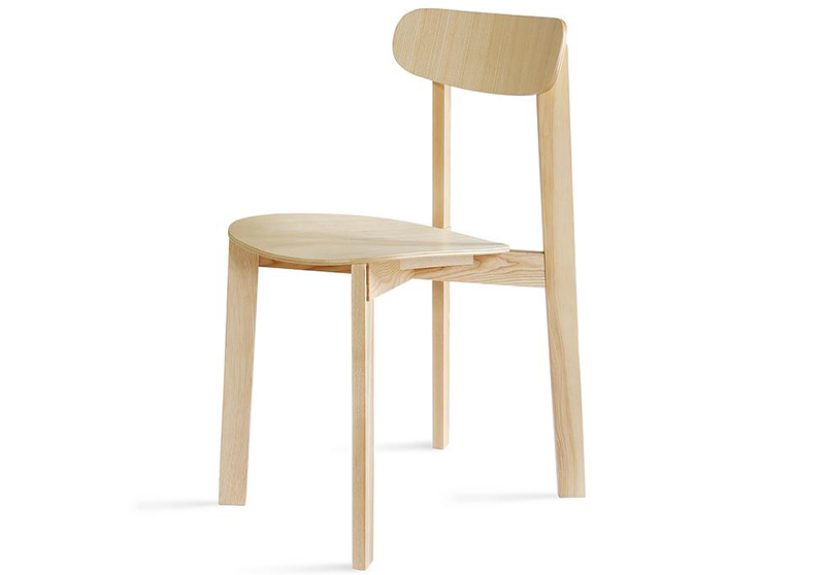
At first glance, it reads as a clean-lined modern wooden chair. Look again, though, and the details start doing the heavy lifting. The soft curve of the back, the crisp geometry of the frame, and the almost breezy attitude of the seat give it a personality that is subtle but not boring. In a world full of chairs that either whisper too softly or scream for attention, the Bondi Chair lands in the sweet spot: stylish, smart, and surprisingly versatile.
This guide takes a deep look at what the Bondi Chair is, why people keep noticing it, where it works best, how it compares with more generic modern dining chairs, and what kind of real-life experience you can expect if you bring one home. Spoiler alert: it is the kind of chair that makes a room feel more considered, even if the rest of the space is still recovering from your “I’ll organize that later” era.
What Is the Bondi Chair?
The Bondi Chair is a modern dining and side chair designed by Fräg Woodall for Please Wait to be Seated. It is best known for combining a wave-like back shape with a sturdy ash wood frame and a silhouette that feels both handcrafted and contemporary. The name references Bondi Beach, and that coastal inspiration shows up in the chair’s smooth curvature and relaxed visual rhythm.
In practical terms, this is not some museum-only object that looks amazing and punishes your spine for getting too close. The Bondi Chair was created as a hardworking everyday seat. It is sized for dining, easy enough to use in kitchens and breakfast nooks, and polished enough for restaurants, cafés, and design-conscious commercial interiors. Depending on the version, shoppers may find a standard wooden seat, an upholstered seat option, and stackable variants that make it more flexible for spaces that need beauty and usefulness in equal doses.
Its footprint is compact enough to work in smaller dining areas, yet the chair still has enough visual presence to hold its own around a substantial table. That balance matters. A chair can be gorgeous, but if it overwhelms a small apartment dining corner or disappears beside a larger wood table, the romance fades quickly. The Bondi Chair generally avoids both problems.
Why the Bondi Chair Stands Out
A shape that feels relaxed, not lazy
The Bondi Chair’s strongest design feature is its curved back. It gives the chair movement. Many minimalist chairs are all straight lines and discipline, like they were designed by a ruler with trust issues. The Bondi Chair softens that rigidity. The backrest introduces a gentle arc that makes the chair feel friendlier and more human.
That curve also helps the chair look lighter than it really is. Instead of feeling blocky or heavy, it has a visual lift to it. This is a big part of why the Bondi Chair works so well in contemporary interiors: it provides structure without stiffness. It can sit beside a sleek modern table, a rustic oak piece, or even something more eclectic and still look like it belongs.
Woodworking details that do not beg for applause
One of the smartest things about the Bondi Chair is how it celebrates craftsmanship without turning into a lecture about craftsmanship. The form reflects an obvious interest in woodworking and joinery, but it does so with restraint. You notice the precision of the angles, the neatness of the construction, and the confidence of the materials over time. It is a chair with details that reward a second look.
That matters because good furniture often wins in layers. On day one, you notice the shape. On day ten, you notice how cleanly the parts meet. On day one hundred, you realize the chair still looks intentional from every angle, even after being pushed in, pulled out, and used by someone who sits like they are negotiating with gravity.
Color options that keep it from becoming generic
The Bondi Chair is often shown in natural ash, but painted finishes are a huge part of its personality. Depending on the seller and current availability, you may see tones such as black, ash gray, fig purple, Indian red, turmeric yellow, and other rich hues. That range makes the chair more adaptable than a standard “nice wood chair” that only knows how to be beige.
The brighter and darker finishes give it an edge that works especially well in restaurants and creative homes. Natural ash feels airy and Scandinavian-adjacent. Black looks sharper and more architectural. A saturated shade like turmeric yellow or deep red pushes it closer to statement seating without crossing into look-at-me furniture. It is stylish, but it still knows it has a job to do.
Where the Bondi Chair Works Best
Dining rooms that need warmth and structure
In a dining room, the Bondi Chair brings a nice combination of order and softness. Its proportions help keep a table setting from feeling bulky, while the curved back adds enough warmth to prevent the room from looking too strict. If you have a rectangular wood table, the Bondi Chair can sharpen the composition. If you have a round pedestal table, it can add a bit of edge and contrast.
It also plays nicely with the current move away from overly matched dining sets. Designers increasingly prefer spaces that feel collected rather than purchased in one breathless afternoon. The Bondi Chair fits that direction beautifully. It can anchor a mix-and-match setup, especially if you want the chairs to coordinate without looking cloned.
Kitchen nooks and small apartments
Because the Bondi Chair is fairly compact, it makes sense in smaller homes. In a city apartment, every inch matters. A chunky chair can make a modest dining corner feel cramped fast. The Bondi Chair keeps the lines clean and the visual weight under control, which helps a smaller space breathe a little easier.
This is also where stackable versions become especially useful. If you like having extra seating for guests but do not want your home to look like a banquet hall on standby, a chair that stacks neatly is more than a convenience. It is a small domestic miracle.
Cafés, restaurants, and hospitality spaces
Commercial settings are where the Bondi Chair’s “hardworking but handsome” identity really shines. In cafés and restaurants, seating needs to be durable, efficient, comfortable enough for lingering, and photogenic enough to hold up in a design-forward environment. The Bondi Chair checks those boxes without becoming precious.
The shape is memorable, the wood construction feels authentic, and the available finishes allow designers to use color strategically. A row of black Bondi Chairs can look crisp and tailored. A mix of painted finishes can make a hospitality space feel more playful and curated. Natural ash works beautifully in rooms that lean warm, bright, and minimal.
Bondi Chair Comfort, Materials, and Everyday Use
Let’s talk comfort, because beautiful chairs have a long history of acting like comfort is somebody else’s problem. The Bondi Chair is not a lounge chair, and it is not trying to be. It is a dining chair. That means the real test is whether it supports an actual meal, a long conversation, or a few accidental extra hours at the table while somebody says, “Okay, one last thing,” for the sixth time.
The curved back helps here. Even in the standard wood version, that shaping makes the chair feel more accommodating than a totally flat-backed alternative. The upholstered-seat option is the obvious choice for people who prioritize softness or plan to use the chairs for longer dinners and more frequent entertaining. If your household treats meals like a quick pit stop, the wood seat may be plenty. If your dinner parties tend to become midnight philosophy seminars with leftover pie, upholstery is the safer bet.
Material-wise, ash is a strong choice. It brings visible grain, a solid feel, and a natural warmth that keeps the chair from feeling sterile. It also ages gracefully when cared for well. Like most finished wood furniture, the Bondi Chair benefits from regular dusting, a soft cloth, gentle cleaning, and avoiding harsh chemicals or excessive moisture. In other words, treat it like a nice chair, not a science fair spill test.
How to Style a Bondi Chair
With a wood table
Pairing the Bondi Chair with a wood dining table is the easiest win. To keep the look intentional, pay attention to contrast. A natural ash Bondi Chair beside a darker walnut or smoked oak table creates dimension. A black Bondi Chair next to pale timber offers a cleaner, sharper effect. The goal is not to make everything match like a showroom set from 2009. The goal is to let the chair bring shape and rhythm while the table provides mass and grounding.
With mixed seating
The Bondi Chair is especially good in a mixed-chair arrangement. You can place Bondi Chairs along the sides of the table and use upholstered host chairs at the ends, or reverse that idea if you want more visual drama. The chair’s clean geometry makes it easy to pair with other pieces as long as you keep a few elements consistent, such as seat height, general scale, or color family.
This is where the Bondi Chair earns extra points. It has enough personality to contribute something distinct, but not so much that it hijacks the room. Think of it as the charming dinner guest who has great stories and never interrupts.
With bold color in the room
If your dining room already includes saturated walls, graphic art, or a patterned rug, the natural ash or black versions will probably be the safest styling move. If the space is more neutral, a colored Bondi Chair can become the punctuation mark the room was missing. A row of fig purple or turmeric-toned chairs can wake up a quiet space fast.
Just do yourself a favor and let the chair be special. If the seating is colorful, there is no need to also add a chandelier that looks like it lost a fight with a crystal factory.
Is the Bondi Chair Worth It?
If you want the cheapest possible place to sit while eating takeout over the sink, absolutely not. The Bondi Chair is not trying to win the race to the bottom. It sits in the category of design furniture that asks you to care about proportion, materials, craftsmanship, and the feeling a room gives back to you.
For the right buyer, though, it makes a lot of sense. It offers a recognizable designer point of view without becoming impossible to live with. It is compact, versatile, visually distinctive, and flexible enough for both homes and commercial spaces. The availability of stackable and upholstered versions makes it easier to tailor the chair to real-world use rather than forcing your life to adapt to the chair’s ego.
In other words, the Bondi Chair is worth it if you want furniture that does more than fill space. It creates tone. It suggests intention. It says, “Yes, I care about design,” but in a much cooler voice than that sentence deserves.
Experiences Related to the Bondi Chair
Living with a Bondi Chair is less about one dramatic first impression and more about a steady series of small wins. The first experience usually happens visually. You notice that the chair makes even an average dining setup look more refined. A simple table, a bowl of fruit, one pendant light, and suddenly the room feels like it has a point of view. Not a showy point of view. More like a quiet, self-assured one.
The second experience is spatial. In many homes, especially apartments or compact dining areas, chairs can make or break the room. Oversized seating crowds circulation, while flimsy seating can make the whole area feel temporary. The Bondi Chair tends to land right in the middle. You can pull it out without it feeling bulky, slide it back in without it swallowing space, and move around the table without performing a small ballet of apologies. That kind of daily ease is not glamorous, but it is exactly what makes a chair successful over time.
Then there is the social experience. At breakfast, the Bondi Chair feels tidy and unobtrusive. At dinner, it starts to show its personality. The curved back gives the seat a more welcoming feel than many flat, rigid wooden chairs. It encourages people to stay a little longer. Not forever, but long enough for second helpings, another glass of wine, or an unnecessary but delightful debate about which movie has the best final scene. A chair does not need to be overstuffed to support good conversation. It just needs to avoid making people want to escape.
In a family setting, the Bondi Chair often becomes the kind of furniture that quietly blends into routines. It holds weekday breakfasts, laptop sessions, rushed lunches, birthday candles, holiday side dishes, and that one package you set down “for a second” and somehow leave there until Tuesday. Because the design is clean, it tolerates visual clutter better than fussier furniture does. Even when life gets messy, the chair still looks composed, which is honestly more than most of us can say.
In a design-conscious home, another nice experience is how the Bondi Chair changes with styling. In natural ash, it can feel soft, calm, and almost airy. In black, it becomes more tailored and architectural. In one of the richer painted tones, it reads as expressive and playful. That means the experience of owning the chair is not fixed. It shifts depending on the finish, the table, the lighting, and the mood of the room. Few pieces manage to feel that adaptable without losing their identity.
Hospitality spaces get a different benefit. In cafés and restaurants, the Bondi Chair creates an experience of casual design credibility. It tells guests the room has been considered. The seating looks intentional, the colors can support branding or atmosphere, and the form feels approachable rather than formal. It is the kind of chair that makes a guest think, “This place has taste,” even if they cannot immediately explain why.
There is also a tactile experience to wooden seating that upholstered mass-market chairs often lack. The grain, the finish, the crisp edges, and the firmness all contribute to a more grounded relationship with the furniture. You notice the material. You notice the craftsmanship. You do not just collapse into it and forget it exists. Some people want a chair to disappear. Others want a chair to participate in the room. The Bondi Chair definitely prefers the second option.
Perhaps the most telling experience is what happens after the novelty wears off. Good furniture survives ordinary life. The Bondi Chair tends to keep looking relevant because it is not built around a gimmick. Its curve is expressive, but not trendy. Its frame is precise, but not severe. Its character is real, but not exhausting. Months later, it still feels like a smart choice. And in the world of furniture, where so many pieces age emotionally before they age physically, that is saying quite a lot.
Final Thoughts
The Bondi Chair succeeds because it does not force you to choose between beauty and usefulness. It gives you a thoughtful silhouette, credible craftsmanship, and real flexibility for everyday living. It can sharpen a dining room, improve a breakfast nook, support a hospitality concept, or anchor a mixed seating arrangement without turning the whole room into a design thesis.
If you appreciate modern furniture with warmth, shape, and a little wit, the Bondi Chair is easy to understand and even easier to admire. It is one of those designs that feels composed without feeling uptight, and that combination is rarer than it should be. Plenty of chairs can hold a person. Fewer can also hold a room together. The Bondi Chair comes pretty close.