Table of Contents >> Show >> Hide
- What Makes Black Sesame Seeds Special?
- Key Nutrition Facts for Black Sesame Seeds
- Health Benefits of Black Sesame Seeds
- How Much Black Sesame Is Reasonable to Eat?
- How to Use Black Sesame Seeds in Everyday Meals
- Buying, Storing, and Safety Tips
- Real-Life Experiences: Bringing Black Sesame Seeds to the Table
- The Bottom Line
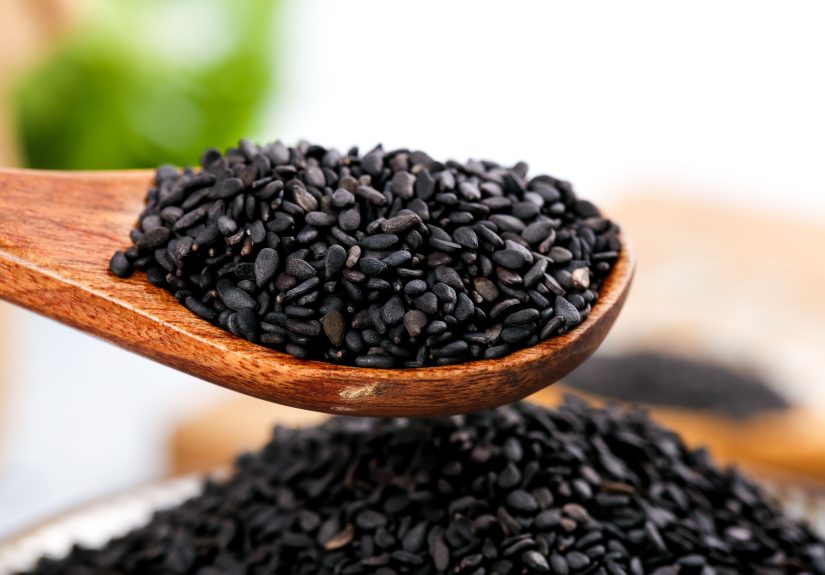
Black sesame seeds might be tiny, but they behave like that overachieving friend who somehow does yoga, runs marathons, and still has time to meal-prep. These inky little seeds add crunch and deep, toasty flavor to almost anything you sprinkle them onand behind the scenes they’re quietly delivering fiber, healthy fats, minerals, and antioxidants in every spoonful.
Whether you’re trying to boost calcium without chugging milk, support heart health, or just make your oatmeal look a little more Instagram-worthy, black sesame seeds are a smart, low-effort upgrade. Let’s break down why they deserve a permanent spot in your pantry and how to actually use them in everyday meals (no fancy chef skills required).
What Makes Black Sesame Seeds Special?
Sesame seeds in general are nutrition powerhouses, but black sesame seeds bring a few extra perks to the table. They’re the unhulled version of the seed, which means they still have their outer coating and a slightly stronger, nuttier flavor. That outer layer also holds additional fiber and plant compounds that contribute to their health benefits.
Compared with the paler varieties, black sesame seeds tend to contain:
- More antioxidants, including anthocyanins, the same pigment family that gives blueberries and purple cabbage their color.
- High levels of lignans like sesamin and sesamolin, which may support heart, liver, and metabolic health.
- Concentrated minerals such as calcium, magnesium, iron, zinc, and copper.
In traditional medicine systems, especially in parts of Asia, black sesame seeds have long been used to support energy, bones, hair, and skin. Modern nutrition research is now catching up and confirming that, while they’re not a magic cure for anything, the nutrient profile is absolutely impressive.
Key Nutrition Facts for Black Sesame Seeds
Black sesame seeds are surprisingly dense for something so small. A typical serving is around one tablespoon (about 9 grams). On average, that tablespoon provides roughly:
- Calories: ~50–55
- Total fat: ~4.5–5 grams (mostly unsaturated, heart-friendly fats)
- Protein: ~1.5–2 grams
- Carbohydrates: ~2 grams
- Fiber: around 1 gram
- Calcium: ~85–90 mg
- Iron: ~1–2 mg
- Phosphorus, magnesium, potassium, zinc, and copper in smaller but meaningful amounts
On a 100-gram basis, sesame seeds are particularly rich in fat and protein, with some analyses showing roughly 20–22% protein and over 50% fat, much of it unsaturated. That makes black sesame seeds more like a nut in terms of energy and nutrient density than a “spice” or simple garnish.
Translation: they’re tiny, but they’re not nutritionally shy. A small sprinkle can meaningfully bump up the protein, healthy fat, and mineral content of whatever you’re eating.
Health Benefits of Black Sesame Seeds
1. A Plant-Based Calcium and Mineral Boost
If you’re trying to support bone health without relying heavily on dairy, black sesame seeds are a great friend to have. Per 100 grams, sesame seeds rank among the highest non-dairy sources of calcium, and even a tablespoon can meaningfully contribute to daily needs. They also bring magnesium, phosphorus, and manganese, all key players in bone and tooth health.
That doesn’t mean you should eat half a bag a daybut it does mean that regularly sprinkling black sesame seeds on rice, salads, yogurt, or stir-fries can help round out your overall mineral intake, especially for people on vegan or low-dairy diets.
2. Support for Heart Health and Cholesterol
Black sesame seeds are rich in unsaturated fats, fiber, and bioactive plant compounds that may support heart health. Lignans like sesamin and sesamolin, along with phytosterols and vitamin E, have been studied for their potential to:
- Help reduce LDL (“bad”) cholesterol and triglycerides when used as part of a heart-healthy diet.
- Support healthier blood pressure levels, partly thanks to magnesium and antioxidant effects.
- Help reduce oxidative stress and inflammation, both important in long-term cardiovascular health.
You’re not going to fix cholesterol just by shaking a few seeds on your avocado toastbut as part of an overall pattern rich in plants, healthy fats, and fiber, black sesame seeds are absolutely pulling their weight.
3. Gut Health and Digestive Comfort
That little bit of fiber in each spoonful of black sesame seeds contributes to better digestion over time. Because they contain both soluble and insoluble fiber, black sesame seeds can help:
- Support regular bowel movements.
- Feed the beneficial microbes in your gut.
- Slow down digestion slightly, which can help promote steadier energy.
Of course, you still need fruits, vegetables, whole grains, and other high-fiber foods, but sprinkling black sesame seeds over meals is an easy way to sneak in a little extra digestive support with zero effort.
4. Antioxidant Support for Cells, Skin, and More
Black sesame seeds owe their dramatic color to antioxidant pigments such as anthocyanins. Along with lignans and vitamin E, these compounds help neutralize free radicalsunstable molecules that can damage cells over time.
While no food can single-handedly “reverse aging,” a pattern of eating that includes antioxidant-rich plants is linked to healthier skin, better vascular function, and potentially lower risk of several chronic conditions. Black sesame seeds are simply one more tasty way to add to that antioxidant mix.
5. Everyday Energy and Metabolic Support
Because they contain a combination of protein, unsaturated fats, and a bit of fiber, black sesame seeds can help meals feel more satisfying. The healthy fats slow digestion, helping smooth out blood sugar swings, while protein plays a role in muscle repair, immune function, and hormone production.
Some research also suggests that sesame products may support modest improvements in weight management, especially when they replace more refined, low-fiber calories. Think swapping croutons for seeds on salad, or trading sugary toppings for a sesame sprinkle on yogurt.
6. Traditional Uses for Hair, Skin, and Postpartum Recovery
In many cultures, black sesame seeds are famous for their “beauty benefits.” While the boldest promises (like reversing gray hair) don’t have strong clinical backing, the logic behind these traditions is straightforward: the seeds provide iron, healthy fats, and antioxidants, all of which can support scalp health, skin moisture, and overall vitality.
Black sesame–based sweets or snacks are also traditionally given to new mothers in some cuisines as a gentle, nutrient-dense way to help replenish iron and energy stores. Modern science agrees that foods rich in iron, healthy fats, and minerals are valuable during recovery periodsblack sesame seeds just happen to deliver all three in one crunchy package.
How Much Black Sesame Is Reasonable to Eat?
Because black sesame seeds are calorie-dense, you don’t need a huge amount to benefit from them. Most people do well with:
- 1–2 tablespoons per day sprinkled across meals and snacks.
- More occasionally if you’re eating a dessert or dish where sesame is a main ingredient (like black sesame paste or halva).
If you dramatically increase your intake of any high-fat, high-calorie food without adjusting elsewhere, it can affect weight over time. But when used as a nutrient-dense topping instead of low-value extras (like sugary sauces or processed croutons), black sesame can actually improve the quality of your calories, not just increase them.
How to Use Black Sesame Seeds in Everyday Meals
The best thing about black sesame seeds is how easy they are to use. You don’t need a special recipe or extra cooking equipment. Here are practical, realistic ways to work them into your routine:
Quick Sprinkle Ideas
- On breakfast bowls: Sprinkle over oatmeal, overnight oats, chia pudding, or Greek yogurt with fruit.
- On toast: Add to avocado toast, peanut butter toast, or hummus toast for crunch and color.
- In salads: Combine with chopped nuts or pumpkin seeds for a crunchy salad topper.
- On rice or grain bowls: Toss into rice, quinoa, or noodle bowls with veggies and protein.
- On roasted veggies: Finish roasted carrots, sweet potatoes, broccoli, or Brussels sprouts with a sprinkle of black sesame and a drizzle of sesame oil.
Recipes That Love Black Sesame Seeds
- Black sesame granola: Mix seeds into homemade granola for a nutty, almost smoky flavor.
- Sesame-crusted tofu or fish: Combine white and black sesame seeds, coat the outside of tofu cubes or fish fillets, and pan-sear.
- Black sesame smoothie topper: Blend a banana, spinach, yogurt, and oat milk, then sprinkle black sesame on top for texture.
- Black sesame dessert: Use black sesame paste or ground seeds in ice cream, cookies, or energy bites for a deep, rich flavor similar to nutty chocolate.
If you want even more flavor, lightly toast the seeds in a dry pan over low heat until fragrant. They can burn quickly, so stay nearbythink “gentle toast,” not “campfire.”
Buying, Storing, and Safety Tips
How to Choose Good-Quality Black Sesame Seeds
When you’re shopping, look for seeds that are:
- Uniformly dark with no pale or discolored seeds mixed in.
- Stored in airtight packaging, away from direct sunlight and moisture.
- Free of any off smellfresh seeds smell nutty, not rancid or dusty.
You can usually find black sesame seeds in the spice aisle, bulk bins, or international/Asian foods section of grocery stores. If you buy from bulk bins, give them a quick sniff before you commit.
Storage Tips
Because of their high fat content, black sesame seeds can go rancid if stored poorly. To keep them fresh:
- Store in an airtight container.
- Keep them in a cool, dark placeor in the fridge or freezer for longer shelf life.
- Use within a few months for peak flavor, especially once opened or ground.
Allergies and Who Should Be Careful
Sesame is a common allergen, and in some countries it’s recognized alongside peanuts and tree nuts as a major allergenic food. If you have a known sesame allergy, black sesame seeds are off the tableliterally.
If you’re not sure whether you’re allergic but have experienced itching, hives, digestive upset, or breathing issues after eating foods with tahini, halvah, or sesame oil, talk with a healthcare professional before adding black sesame seeds regularly.
For most people, though, black sesame seeds are safe when eaten in normal food amounts. If you’re managing chronic conditions like kidney disease, digestive disorders, or are on blood-thinning medication, it’s always wise to check in with your healthcare team before making big changes to your diet.
Real-Life Experiences: Bringing Black Sesame Seeds to the Table
It’s one thing to know that black sesame seeds are “good for you” and another to actually use them consistently. The good news? Once you get into the habit, they’re one of the easiest upgrades you can make to your daily meals.
Imagine your usual weekday breakfast: maybe a bowl of oatmeal or yogurt with some fruit. Now picture the same bowl with a spoonful of black sesame seeds scattered over the top. You get a deeper, toastier flavor, a little extra crunch, and a stealthy bump in calcium, iron, and healthy fatswithout changing the base recipe at all. It’s an upgrade you feel more than you “see” on paper.
Home cooks often find that black sesame seeds work especially well when they’re used in pairs: a neutral base plus a bold topping. Think plain rice with sesame seeds and scallions, roasted sweet potatoes with sesame and a drizzle of tahini, or a simple cucumber salad dressed with rice vinegar, soy sauce, and a sprinkle of black sesame. The seeds do double dutymaking the dish look more appealing and adding a satisfying nutty bite.
Another easy win is the “sesame sprinkle jar.” Many people who use seeds regularly keep a small jar on the counter pre-mixed with black sesame seeds, white sesame seeds, and sometimes a bit of sea salt or chili flakes. That mixture becomes a go-to finishing touch: it goes on eggs, soup, stir-fries, avocado toast, even popcorn. Having that jar in plain sight is often the difference between “I keep meaning to use those seeds” and “I use them every day without thinking.”
For plant-based eaters, black sesame seeds are often a quiet confidence booster. When you’re paying attention to nutrients like calcium, iron, and magnesium, it feels good to know that your garnish isn’t just decorative. A spoonful of seeds on a tofu bowl or lentil salad can make the meal feel more complete, both nutritionally and in terms of taste and texture.
Families sometimes use black sesame seeds as a playful way to get kids interested in trying new foods. The dark specks on noodles or rice can be described as “tiny flavor dots” or “edible confetti.” When kids are involved in sprinkling the seeds themselves, they’re often more curious and open to the dish overall. And while the nutrient boost isn’t huge per serving, those everyday sprinkles add up over time.
Busy professionals and students tend to appreciate how portable black sesame seeds are. You can stash a small container in your desk, backpack, or lunchbox. Sprinkle them over a store-bought salad, a takeout rice bowl, or even a simple cup of soup. When your schedule is packed and meals are more “grab-and-go” than homemade, that tiny container of seeds becomes a mini insurance policy that you’re still adding something nourishing to your day.
Finally, for people who love to cook, black sesame seeds offer a creative playground. Grinding them with a bit of honey or maple syrup can create a paste for swirled into yogurt or spread on toast. Mixing them into cookie dough or brownie batter creates striking dark flecks and a grown-up, nutty depth. Even a simple vanilla ice cream becomes more interesting with a sprinkle of toasted black sesame on top.
However you approach themas a nutrition upgrade, a traditional ingredient, or a fun garnishblack sesame seeds prove that small changes can make meals more satisfying, more beautiful, and more nutrient-dense. You don’t need a complete diet overhaul; you just need a spoon and a sprinkle.
The Bottom Line
Black sesame seeds are a benefit-packed addition to almost any meal. They’re rich in minerals like calcium and iron, provide healthy fats and plant protein, and deliver antioxidants and fiber in a compact, flavorful package. They don’t work miracles on their ownbut as part of a balanced eating pattern, they can support heart, bone, gut, and overall wellness in a way that feels effortless.
So the next time you finish a dish and think, “This needs something,” reach for the black sesame seeds. Your taste buds get more flavor and crunch, your body gets more nutrients, and your plate instantly looks like it came from a restaurant. Not bad for something that comes in a tiny bag in the spice aisle.