Table of Contents >> Show >> Hide
- Why This Ricotta Cheesecake Recipe Works
- Ingredients for the Best Ricotta Cheesecake with Roasted Grapes
- How To Make Ricotta Cheesecake with Roasted Grapes
- Best Tips for Ricotta Cheesecake Success
- Flavor Variations to Try
- What To Serve with Ricotta Cheesecake with Roasted Grapes
- How To Store Leftovers
- Troubleshooting Common Cheesecake Problems
- Experience: What It’s Really Like To Bake and Serve This Dessert
- Conclusion
Some desserts walk into the room politely. This one enters like it pays rent. Ricotta cheesecake with roasted grapes is creamy, elegant, and just dramatic enough to make people think you took a pastry class in Tuscany when really you just turned on the oven and believed in yourself. If classic New York cheesecake is rich and bold, ricotta cheesecake is its breezier Italian cousin: lighter, silkier, and a little more relaxed about life.
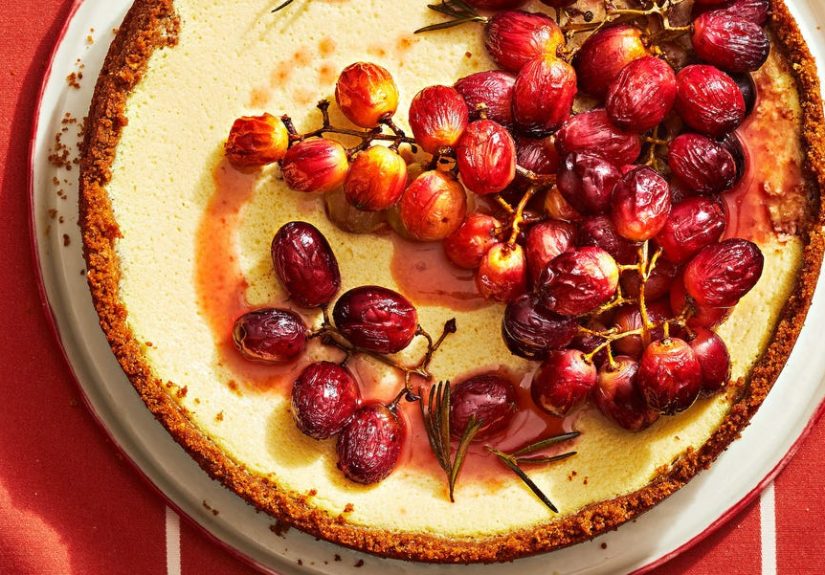
And then come the grapes. Roasted until their skins wrinkle, their juices turn glossy, and their flavor shifts from snack bowl sweet to deep, almost jammy luxury, they turn a lovely cheesecake into a dessert worth talking about long after the plates are empty. This recipe balances creamy ricotta filling, a buttery crust, and a jewel-toned roasted grape topping that looks fancy but behaves very nicely in a home kitchen.
If you have been wondering how to make ricotta cheesecake with roasted grapes without ending up with a cracked top, soggy crust, or topping that looks like it got stage fright, you are in the right place. Below, you will find a full ricotta cheesecake recipe, step-by-step instructions, pro tips, storage advice, and real-world serving ideas so you can bake with confidence and a tiny bit of swagger.
Why This Ricotta Cheesecake Recipe Works
The magic starts with the cheese. Ricotta gives cheesecake a creamy but airy texture that feels less dense than cream-cheese-heavy versions. A small amount of cream cheese helps stabilize the filling and gives it extra smoothness, while lemon zest and vanilla keep the flavor bright instead of overly sweet.
The roasted grapes do a lot of heavy lifting here too. They add natural sweetness, a little tartness, and that glorious “I definitely did something special” finish. As they roast, their juices concentrate, which means you get a built-in fruit sauce without standing over the stove stirring a pot like a Victorian dessert governess.
The crust is simple and reliable: buttery graham cracker crumbs with just enough salt to keep everything from tasting flat. Together, the layers give you contrast in texture and flavor, which is the secret handshake of a truly memorable cheesecake.
Ingredients for the Best Ricotta Cheesecake with Roasted Grapes
For the crust
- 1 3/4 cups graham cracker crumbs
- 3 tablespoons granulated sugar
- Pinch of fine sea salt
- 6 tablespoons unsalted butter, melted
For the ricotta cheesecake filling
- 24 ounces whole-milk ricotta, well drained
- 8 ounces cream cheese, softened
- 3/4 cup granulated sugar
- 3 large eggs
- 1 large egg yolk
- 1/3 cup sour cream
- 1 tablespoon cornstarch
- 2 teaspoons pure vanilla extract
- 1 tablespoon finely grated lemon zest
- 1/4 teaspoon fine sea salt
For the roasted grapes
- 4 cups seedless red grapes, stemmed and dried
- 1 tablespoon honey
- 1 teaspoon olive oil
- 1 teaspoon fresh thyme leaves
- 1 teaspoon lemon juice
- Pinch of salt
Optional finishing touches
- Extra lemon zest
- A drizzle of honey
- Fresh thyme sprigs for garnish
How To Make Ricotta Cheesecake with Roasted Grapes
1. Drain the ricotta like you mean it
This is the step that separates dreamy cheesecake from accidental dairy soup. If your ricotta looks watery, spoon it into a cheesecloth-lined sieve or a fine-mesh strainer set over a bowl. Let it drain in the refrigerator for at least 2 hours, or overnight if you can plan ahead. Drier ricotta gives you a thicker, smoother filling and helps the cheesecake bake evenly.
2. Build the crust
Preheat your oven to 325 degrees Fahrenheit. Lightly grease a 9-inch springform pan and wrap the outside with a double layer of foil if you plan to use a water bath. In a bowl, combine the graham cracker crumbs, sugar, salt, and melted butter. Stir until the crumbs look like wet sand and hold together when pressed.
Press the mixture firmly into the bottom of the pan and slightly up the sides. Bake for 8 to 10 minutes, then let it cool while you make the filling. Pre-baking the crust keeps it crisp and gives it a toastier flavor.
3. Mix the filling gently
In a large bowl, beat the cream cheese until smooth. Add the drained ricotta and mix until creamy. Blend in the sugar, then add the eggs and yolk one at a time. Mix on low speed just until incorporated. Stir in the sour cream, cornstarch, vanilla, lemon zest, and salt.
Do not whip the filling like you are trying to punish it. Too much air can make the cheesecake puff up, crack, and then sink with all the drama of a canceled reality show. Smooth and gentle is the move.
4. Bake low and slow
Pour the filling into the cooled crust and smooth the top. Place the springform pan in a larger roasting pan and add hot water to the roasting pan until it comes about halfway up the sides of the cheesecake pan. This water bath helps the cheesecake bake evenly and keeps the texture silky.
Bake for 65 to 80 minutes, or until the edges are set but the center still has a slight wobble. It should jiggle gently, not slosh like a canoe in a storm.
5. Cool it gradually
Turn off the oven, crack the oven door, and let the cheesecake rest inside for 1 hour. Then remove it from the water bath and cool it completely at room temperature. Refrigerate for at least 6 hours, but overnight is even better. This chill time gives the filling a chance to fully set and develop that luscious, sliceable texture.
6. Roast the grapes
While the cheesecake chills, raise the oven temperature to 425 degrees Fahrenheit. Toss the grapes with honey, olive oil, thyme, lemon juice, and a small pinch of salt. Spread them on a parchment-lined baking sheet in a single layer.
Roast for 18 to 25 minutes, stirring once halfway through, until the grapes are blistered, softened, and glossy. Some will burst, which is excellent news. Let them cool completely along with their juices.
7. Top and serve
Spoon the roasted grapes and their syrupy juices over the chilled ricotta cheesecake just before serving. Finish with a little extra lemon zest, a tiny drizzle of honey if you want more sweetness, and a few thyme leaves for a polished look.
Best Tips for Ricotta Cheesecake Success
Use whole-milk ricotta
Low-fat ricotta can work in a pinch, but whole-milk ricotta gives you the richer texture that makes this dessert feel like the best ricotta cheesecake recipe instead of a compromise you made under emotional duress at the grocery store.
Bring ingredients to room temperature
Cold cream cheese and eggs do not blend as smoothly, which can leave you with lumps. Let the dairy and eggs sit out for a bit before mixing so the filling becomes satiny and cohesive.
Do not skip the chill time
Fresh-from-the-oven cheesecake is not ready to be sliced, no matter how persuasive it smells. Chilling helps the cheesecake firm up, making the flavor better and the slices cleaner.
Roast the grapes separately
Adding raw grapes directly to the cheesecake would release too much moisture and throw off the texture. Roasting them first intensifies their flavor and keeps the topping luxurious instead of watery.
Slice with a warm knife
Dip a sharp knife in hot water, wipe it dry, and slice. Repeat between cuts. It is a tiny trick, but it gives you bakery-worthy slices and makes you look suspiciously competent.
Flavor Variations to Try
Make it more Italian-inspired
Add orange zest instead of lemon, plus a tiny pinch of cinnamon in the filling. It gives the cheesecake a warm, old-world profile that pairs beautifully with the grapes.
Add a nutty crunch
Scatter toasted pistachios or sliced almonds over the roasted grapes before serving. The crunch contrasts beautifully with the creamy filling.
Use black grapes or Concord-style grapes
Red grapes are the easiest option, but black grapes can add deeper color and a slightly richer fruit flavor. Just keep them seedless unless you enjoy unnecessary adversity.
Go crustless
If you prefer a lighter dessert, skip the crust altogether and bake the filling in a parchment-lined pan. The result leans more Italian ricotta cake than classic cheesecake, but it is still delicious.
What To Serve with Ricotta Cheesecake with Roasted Grapes
This cheesecake is elegant enough for a holiday table, but relaxed enough for Sunday dinner. It pairs especially well with coffee, espresso, black tea, or a lightly sweet dessert wine. For a dinner party, serve small slices with extra roasted grapes on the side and maybe a few crisp cookies for texture.
If you are building a dessert spread, this cheesecake plays well with poached pears, candied nuts, dark chocolate shavings, and citrus fruit. Because the ricotta filling is not overwhelmingly heavy, it fits beautifully into a menu that already includes a hearty meal.
How To Store Leftovers
Cover the cheesecake and refrigerate it promptly after serving. It is best kept chilled, and the topping should be refrigerated too. For the best texture, store the roasted grapes separately and spoon them over individual slices as needed. That keeps the cheesecake surface neat and prevents the fruit juices from soaking in too much during storage.
You can also freeze the plain cheesecake, tightly wrapped, for longer storage. Thaw it in the refrigerator before topping and serving. The grapes are best made fresh or a day ahead, since their texture is most attractive when recently roasted and cooled.
Troubleshooting Common Cheesecake Problems
Why did my cheesecake crack?
Usually because it was overmixed, overbaked, or cooled too quickly. The good news is that roasted grapes make an excellent cover-up. This dessert believes in redemption.
Why is my filling grainy?
Ricotta can vary a lot by brand. Draining it well and mixing thoroughly with softened cream cheese helps create a smoother texture. If you want it extra refined, you can pulse the ricotta briefly in a food processor before mixing.
Why are my grapes watery?
They may have been crowded on the pan. Spread them in a single layer so they roast instead of steam. If needed, return them to the oven for a few extra minutes until the juices reduce.
Experience: What It’s Really Like To Bake and Serve This Dessert
The first time you make ricotta cheesecake with roasted grapes, the experience feels slightly suspicious. Not because it is difficult, but because it looks and tastes far more complicated than it really is. You drain some ricotta, stir together a filling, roast a pan of grapes, and suddenly your kitchen smells like the kind of place where someone casually says, “Oh, this old thing?” while placing down a dessert that could absolutely win over a skeptical in-law.
There is something especially satisfying about how this recipe changes throughout the process. At the beginning, the ricotta looks plain and humble, almost too simple to become the center of a great dessert. Then it meets lemon zest, vanilla, eggs, and cream cheese, and the whole mixture starts to look glossy and promising. The grapes go through their own little glow-up too. Fresh grapes are lovely, sure, but roasted grapes become richer, softer, and more dramatic. They slump in the pan, release deep ruby juices, and suddenly act like they have a manager and a lighting team.
One of the best parts of making this cheesecake is that it teaches patience without being annoying about it. You cannot rush the chill time. You really should let it rest. And yes, waiting overnight feels rude when you know a finished cheesecake is sitting in the refrigerator, but that overnight rest is where the magic happens. The texture settles, the flavors come together, and the whole dessert transforms from “promising” to “dangerously easy to keep slicing.”
Serving it is half the fun. People tend to expect cheesecake to be dense and heavy, so the first bite always gets a little surprise reaction. Ricotta cheesecake is softer on the palate, creamy without being cloying, and the roasted grapes keep it from feeling one-note. The fruit adds brightness, tang, and enough visual drama to make everyone reach for a phone before they reach for a fork. That is the modern dinner-party blessing.
It is also a dessert that works in more situations than you would think. It feels right at a fall gathering because grapes are especially beautiful then, but it also works for spring dinners, birthdays, brunches, and holidays when you want something elegant that is not another chocolate layer cake trying to dominate the table. It can be dressed up with honey and herbs, or kept simple and rustic. Either way, it feels intentional.
And maybe that is the real charm of this recipe: it gives you the experience of making something refined without requiring restaurant-level stress. You do not need special tools, obscure ingredients, or the emotional resilience of a competitive baking show contestant. You just need a little planning, a gentle hand with the filling, and enough self-control not to attack the roasted grapes with a spoon before they reach the cheesecake. Though honestly, nobody would blame you if a few went missing.
By the time the cheesecake is sliced and the glossy grapes spill over the top, the whole dessert has that rare quality every home baker is secretly chasing. It feels generous. It looks beautiful. It tastes balanced and memorable. And it leaves you with the deeply satisfying sense that you made something people will request again. That is the kind of recipe worth keeping in your back pocket forever.
Conclusion
If you want a dessert that feels elegant without becoming exhausting, this is it. The best ricotta cheesecake with roasted grapes delivers creamy texture, bright citrus flavor, and a fruit topping that brings both beauty and depth. It is sophisticated enough for company, easy enough for a confident weekend bake, and interesting enough to stand out in a world full of predictable cheesecakes.
Whether you are learning how to make ricotta cheesecake for the first time or looking for a new baked cheesecake recipe to add to your collection, this version earns its place. It is rich but not too heavy, sweet but not sleepy, and topped with roasted grapes that taste like they showed up wearing their best outfit. Bake it once, and there is a very real chance it becomes your signature dessert.