Table of Contents >> Show >> Hide
- What Makes a Pasta “Healthier,” Anyway?
- The Best Healthier Pastas to Try (No Joyless “Diet Noodles” Required)
- Whole Wheat Pasta: The Classic Upgrade
- Chickpea Pasta: The Crowd-Pleaser Bean Upgrade
- Lentil Pasta: Big Nutrition, Big Flavor
- Black Bean / Edamame / Soy Pastas: High-Protein Heavy Hitters
- Soba (Buckwheat) Noodles: Slurpable and Smart
- Brown Rice & Quinoa Pastas: Gluten-Free with Familiar Shapes
- Veggie “Noodles”: Zucchini, Hearts of Palm, and Spaghetti Squash
- Shirataki (Konjac) Noodles: The Ultra-Low-Carb Option
- How to Shop Smart: Label Clues That Actually Matter
- Make Any Pasta Bowl Healthier (Even If You Keep the Regular Noodles)
- Specific “Healthier Pasta Night” Ideas
- Who Should Pick Which Pasta?
- Conclusion: Pasta Is the Problem-Solver, Not the Problem
- Experience Section: A Week of Noodling Around ()
Pasta has a PR problem. Somewhere along the way, spaghetti got blamed for everything from tight jeans to
Tuesday afternoon naps. But here’s the truth: pasta isn’t “bad.” It’s just often lonelyserved in a
portion the size of a throw pillow, with a sauce that’s basically a salt lick, and maybe a single sad basil leaf
trying its best.
The good news? You don’t have to break up with noodles to eat well. You can simply upgrade the relationship.
Today’s grocery aisle is full of healthier pasta optionswhole grain, legume-based, veggie-forward, and even
“wait, that’s made of beans?” varietiesthat can fit into balanced eating without tasting like punishment.
What Makes a Pasta “Healthier,” Anyway?
“Healthy” isn’t one-size-fits-all (neither are noodles, thank goodness). But when nutrition pros talk about
healthier pastas, they usually mean options that offer more fiber, more protein,
and more nutrients than standard refined white-flour pastawithout requiring you to chew on
regret.
1) More fiber (your future self will thank you)
Fiber helps you feel satisfied, supports digestion, and can help keep blood sugar steadierespecially when you
pair pasta with protein, veggies, and healthy fats. Traditional refined pasta can be relatively low in fiber,
while whole grain and legume pastas typically bring more to the bowl.
2) More protein (so your pasta pulls its weight)
Protein isn’t just for gym selfies. It helps with fullness and makes a pasta meal feel more complete.
Chickpea, lentil, black bean, and soy-based pastas tend to be higher in protein than refined wheat pasta.
3) A better “package deal” of nutrients
Whole grains keep more of the grain’s natural components, which means more naturally occurring vitamins,
minerals, and plant compounds. Legume pastas can add minerals like iron and magnesium, plus the benefits that
come with eating more beans and peas in general.
The Best Healthier Pastas to Try (No Joyless “Diet Noodles” Required)
Below are some of the best pastas for building a healthier bowleach with its own personality, best uses, and
“don’t do this” warnings. (Yes, pasta needs warnings. For example: don’t overcook chickpea pasta unless you
enjoy the texture of warm sand.)
Whole Wheat Pasta: The Classic Upgrade
If you want a healthier version that still feels like traditional pasta night, whole wheat pasta is your easy
win. It usually has more fiber and a slightly nuttier flavor than refined pasta. It also plays nicely with
familiar saucesmarinara, pesto, turkey bolognese, you name it.
- Best for: Spaghetti, penne, rotiniyour usual go-to shapes.
- Flavor/texture: Hearty, slightly nutty; can be a bit firmer.
- Pro tip: Cook al dente and toss with sauce right away so it absorbs flavor.
Chickpea Pasta: The Crowd-Pleaser Bean Upgrade
Chickpea pasta is one of the most popular healthier pastas because it delivers more fiber and protein while
still looking and behaving like pasta (mostly). It’s a great choice if you’re trying to build a more balanced
meal without sacrificing the “twirl factor.”
- Best for: Mac-and-cheese makeovers, pasta salads, quick weeknight bowls.
- Flavor/texture: Mildly “bean-y,” especially plain; improves dramatically with sauce.
- Pro tip: Rinse briefly after draining to reduce starchiness and keep it from clumping.
Lentil Pasta: Big Nutrition, Big Flavor
Lentil pasta often brings a deeper, earthier taste than chickpea pasta and can be a protein-and-fiber powerhouse.
If you love hearty saucesmushrooms, tomatoes, roasted veggieslentil noodles can hold their own.
- Best for: Robust sauces, “meaty” veggie ragù, meal-prep bowls.
- Flavor/texture: Earthy, satisfying; can be slightly firmer.
- Pro tip: Salt your cooking water well; lentil pasta can taste flat otherwise.
Black Bean / Edamame / Soy Pastas: High-Protein Heavy Hitters
These are for the “I want pasta, but I also want it to do something” crowd. Bean and soy-based pastas tend to
be higher in protein and fiber, and they can be especially satisfying when you’re hungry-hungry.
- Best for: Stir-fry-style noodle bowls, garlicky olive-oil sauces, cold sesame salads.
- Flavor/texture: More distinct flavor; not as neutral as wheat pasta.
- Pro tip: Pair with bold flavors (lemon, garlic, chili, herbs) to balance the bean notes.
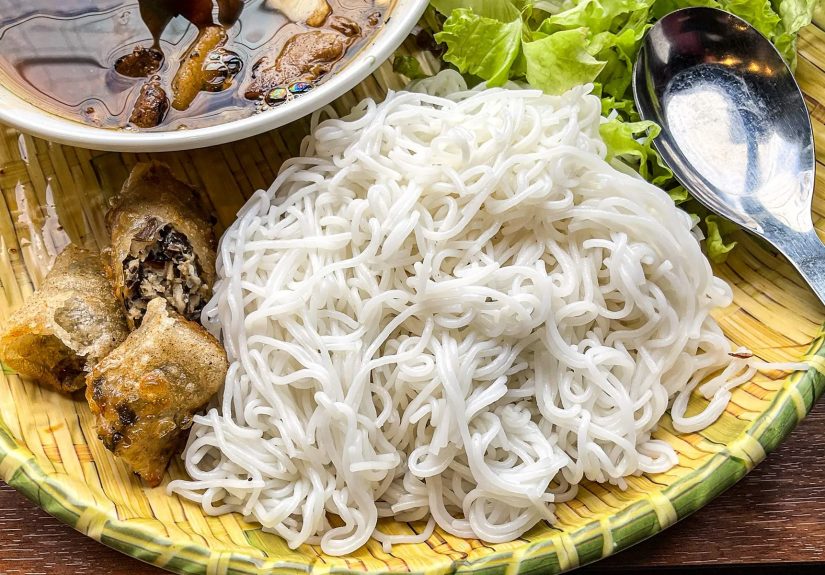
Soba (Buckwheat) Noodles: Slurpable and Smart
Soba noodles are typically made with buckwheat (sometimes blended with wheat), offering a nutty flavor and a
totally different vibe than Italian pasta. They’re fantastic in hot brothy bowls or cold noodles with dipping
sauce.
- Best for: Japanese-inspired meals, quick lunches, chilled noodle salads.
- Flavor/texture: Nutty, delicate, slightly chewy.
- Pro tip: Check labels if you need gluten-freemany soba noodles include wheat.
Brown Rice & Quinoa Pastas: Gluten-Free with Familiar Shapes
If you need (or prefer) gluten-free pasta but still want a traditional shape and mild flavor, brown rice and
quinoa blends can be a great option. Their nutrition varies by brand, but many are easy to swap into classic
recipes.
- Best for: Family dinners, kid-friendly sauces, baked pasta dishes.
- Flavor/texture: Mild, sometimes slightly gummy if overcooked.
- Pro tip: Watch the clock closelygluten-free pasta can go from perfect to mush fast.
Veggie “Noodles”: Zucchini, Hearts of Palm, and Spaghetti Squash
These aren’t pasta imposters so much as pasta’s athletic cousin who drinks water and owns resistance bands.
Veggie noodles can add volume and vegetables with fewer calories and carbs. They’re not a 1:1 substitute for
pasta texture, but they can be delicious when treated as their own thing.
- Best for: Light sauces, pesto, shrimp and veggie bowls, quick sautés.
- Flavor/texture: Fresh and tender; varies by vegetable.
- Pro tip: Don’t drown veggie noodles in saucekeep it light and bright.
Shirataki (Konjac) Noodles: The Ultra-Low-Carb Option
Shirataki noodles are made from konjac fiber and are extremely low in calories and carbs. They’re also a bit…
unique. The texture is springy, and they need a little prep love to taste their best.
- Best for: Stir-fries, spicy broths, and strong-flavor sauces.
- Flavor/texture: Neutral flavor, chewy texture.
- Pro tip: Rinse well, then dry-sauté in a pan before adding sauce to improve texture and smell.
How to Shop Smart: Label Clues That Actually Matter
Look at the ingredient list like a detective (a hungry detective)
If you’re shopping for whole grain pasta, don’t let packaging fool you. Words like “multigrain” or “wheat” can
sound healthy while still meaning refined flour. For true whole grain options, look for “whole” grains in the
ingredient listideally as the first ingredient.
Compare fiber and protein per serving
Nutrition labels make it easy to compare options. A simple rule of thumb: if one pasta offers noticeably more
fiber and/or protein than another, it may keep you fuller and make your meal more balancedespecially if you’re
pairing it with veggies and a protein.
Watch sodium in specialty noodles
Some packaged alternatives (especially ready-to-eat or pre-seasoned products) can sneak in extra sodium. If
you’re buying “healthier” pasta to support heart health or blood pressure goals, it’s worth a quick label scan.
Make Any Pasta Bowl Healthier (Even If You Keep the Regular Noodles)
Here’s the secret sauce: the healthiest pasta meal is rarely about the noodle alone. It’s about the whole
plate. You can keep pasta in your life and still eat in a way that supports energy, satisfaction, and overall
health by building a better bowl.
Use the “Half-Plate Veggies” trick
Add roasted zucchini, spinach, mushrooms, peppers, or broccoli so your pasta gets some colorful friends. More
vegetables means more fiber, volume, and nutrientswithout needing a second bowl of noodles.
Add protein on purpose
Think grilled chicken, shrimp, turkey meatballs, tofu, white beans, or even a handful of Parmesan plus pine nuts.
Protein helps make pasta feel like dinner, not just a delicious intermission.
Choose sauces that bring flavor without a sugar pile-up
Tomato-based sauces, pesto, olive oil + garlic, lemon-herb sauces, and veggie-forward blends can taste amazing
without turning pasta into dessert. If you buy jarred sauce, compare added sugar and sodium across brands.
Try “blended bowls” for maximum satisfaction
Love classic pasta but want more nutrition? Mix half regular pasta with half chickpea pasta. Or combine spaghetti
with zucchini noodles. Your taste buds get comfort; your plate gets upgraded.
Specific “Healthier Pasta Night” Ideas
1) Whole Wheat Spaghetti + Turkey Meatballs + Garlicky Greens
Toss sautéed kale or spinach with garlic and olive oil, then add marinara and turkey meatballs. Comforty, but
not coma-inducing.
2) Chickpea Rotini Pasta Salad (Lunch That Doesn’t Quit)
Mix chickpea rotini with cherry tomatoes, cucumbers, olives, feta, and a lemon-olive oil dressing. Add canned
tuna or chickpeas if you want a double-protein moment.
3) Lentil Penne + Mushroom “Meatiness” + Parmesan
Sauté mushrooms until browned, add onions and tomato paste, then toss with lentil penne. Finish with Parmesan
and fresh herbs for a bowl that tastes like it took hours (it didn’t).
4) Soba Noodles + Sesame-Ginger Sauce + Crunchy Veggies
Shred carrots and cabbage, add sliced cucumbers, and toss with soba and a sesame-ginger dressing. Top with tofu
or chicken for a full meal.
Who Should Pick Which Pasta?
Because bodies are wonderfully complicated, here are a few helpful “matchmaking” notes:
- If you want the most familiar taste: whole wheat or a brown rice/quinoa blend.
- If you want higher protein and fiber: chickpea, lentil, black bean, or edamame pasta.
- If you need gluten-free: verify labels; choose legume or certified gluten-free grain pastas.
- If you’re sensitive to lots of fiber: start small, cook well, and pair with easy-to-digest foods.
Note: If you manage diabetes, digestive conditions, or other medical needs, it’s smart to discuss dietary
changes with a clinician or registered dietitianespecially if you’re dramatically increasing fiber intake.
Conclusion: Pasta Is the Problem-Solver, Not the Problem
The best pastas aren’t about chasing a “perfect” noodle. They’re about finding the version that fits your taste,
your goals, and your lifewhether that’s whole wheat spaghetti, chickpea penne, soba noodles in a quick lunch
bowl, or veggie noodles on a lighter night.
So yesgo ahead and noodle around. Add fiber. Add protein. Add vegetables. Keep the joy. And remember: the
healthiest pasta is the one you’ll actually want to cook again next week.
Experience Section: A Week of Noodling Around ()
Imagine you decide to run a tiny “pasta experiment” at homenot a strict plan, not a diet, just a week where you
try healthier pasta versions like you’re auditioning noodles for a long-term role in your kitchen. The first
night you grab whole wheat spaghetti, because it feels like the least dramatic life change. You cook it
al dente, toss it with marinara, and realize the biggest difference is a slightly nuttier flavor. It’s
like pasta grew up, bought a bookshelf, and started using coasters.
Night two gets bolder: chickpea pasta. You follow the box time like it’s a sacred textbecause two extra minutes
can turn “pleasantly firm” into “mysteriously grainy.” You rinse it quickly, toss it with pesto, roasted cherry
tomatoes, and grilled chicken, and suddenly you’re not prowling the pantry an hour later. That’s the quiet win
of a higher-fiber, higher-protein bowl: it doesn’t just taste good, it lasts.
Midweek, you try lentil penne with a mushroom-heavy sauce. The sauce clings like it’s paying rent. The flavor is
deeper, a little earthier, and oddly satisfyinglike you accidentally made dinner that belongs in a candlelit
restaurant, except you’re eating it in sweatpants while scrolling. You notice something else too: the meal feels
complete even if you didn’t pile on bread. (Nothing against bread. Bread is innocent. But it’s nice when pasta
doesn’t require backup dancers.)
Then you go global: soba noodles for a quick lunch bowl. You rinse them after cooking to keep them from turning
sticky, toss them with sesame oil, soy sauce, ginger, and a squeeze of lime, and throw in crunchy cucumbers and
shredded carrots. It’s fast, bright, and refreshingproof that “pasta night” doesn’t have to taste like only
Italy. Bonus points if you add tofu or leftover chicken and pretend you planned this level of competence.
By the weekend, you test the “blended bowl” idea: half regular pasta, half chickpea pasta. The texture becomes
more familiar, the flavor mellows, and you still get the nutritional upgrade. This is the strategy for anyone
who wants healthier pasta without a full-on identity crisis. You also try veggie noodleszucchini spiralson a
lighter night. You sauté them briefly, keep the sauce simple, and treat them like vegetables (because they are),
not like a carbonara substitute. That mindset shift is everything.
After a week, you don’t crown one noodle as the eternal champion. Instead, you end up with a rotation.
Whole wheat for classic comfort. Chickpea for meal prep. Lentil for hearty sauces. Soba for quick lunches. And
that’s the real “healthier pasta” win: not perfection, just smart options you’ll actually usebecause the best
pasta habit is the one that sticks.