Table of Contents >> Show >> Hide
- Quick Picks: The Best First Aid Kits to Consider
- Best overall: Surviveware 98 Pcs Comprehensive Premium Survival First Aid Kit
- Best budget kit: Johnson & Johnson All-Purpose Portable Compact First Aid Kit
- Best stocked home kit: First Aid Only 299-Piece All-Purpose First Aid Kit
- Best travel kit: Adventure Medical Kits Ultralight/Watertight .7
- Best backcountry kit: Adventure Medical Kits .9
- Best for car storage: A dedicated vehicle kit with room for refills
- What Makes a First Aid Kit “Best” in 2025?
- What Should Be Inside a Good First Aid Kit?
- Detailed Reviews: Best First Aid Kits of 2025
- 1. Surviveware 98 Pcs Comprehensive Premium Survival First Aid Kit
- 2. Johnson & Johnson All-Purpose Portable Compact First Aid Kit
- 3. First Aid Only 299-Piece All-Purpose First Aid Kit
- 4. Adventure Medical Kits Ultralight/Watertight .7
- 5. Adventure Medical Kits .9 First-Aid Kit
- 6. Dedicated car kits
- Premade vs. Build-Your-Own First Aid Kit
- Common Mistakes People Make When Buying a First Aid Kit
- How to Maintain Your First Aid Kit
- Real-World Experiences: What People Learn After Actually Using a First Aid Kit
- Final Verdict
- SEO Tags
A first aid kit is one of those things you feel smug about owning right up until the moment you actually need it. Then it becomes less of a “nice emergency-preparedness accessory” and more of a “please save this family barbecue, hiking trip, or weirdly dramatic paper cut.”
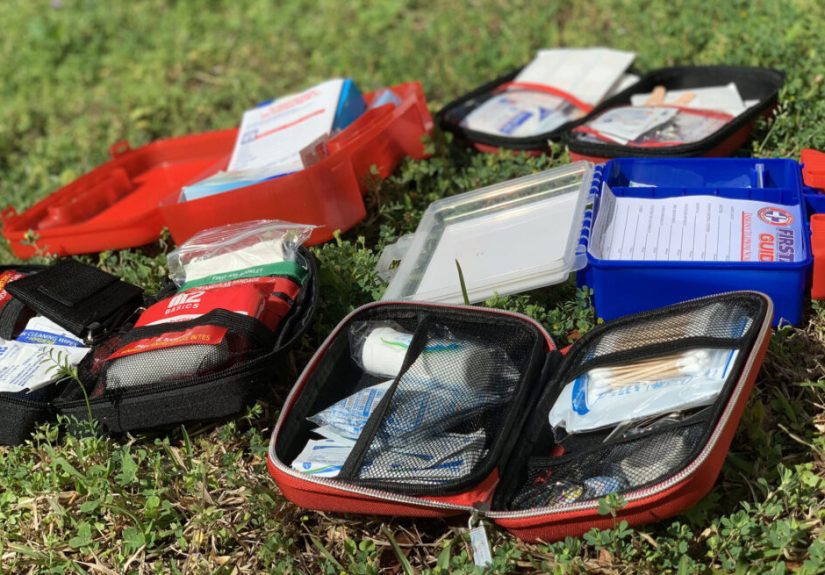
The best first aid kits in 2025 are not necessarily the biggest, flashiest, or most stuffed with mystery packets you’ll never use. The best one is the kit that fits your real life: your home, your car, your luggage, your diaper bag, your hike, your workplace, or your gloriously chaotic family. A good kit should be organized, easy to carry, simple to refill, and stocked for the injuries you are most likely to handle before professional care takes over.
This guide breaks down the best first aid kits to buy, what should actually be inside them, and how to avoid the classic mistake of buying a kit that looks impressive online but turns out to contain six Band-Aids, one tiny wipe, and a lot of false confidence.
Quick Picks: The Best First Aid Kits to Consider
Best overall: Surviveware 98 Pcs Comprehensive Premium Survival First Aid Kit
If you want one kit that balances organization, portability, and practical coverage, this is the standout. It earns praise for clearly labeled compartments, a durable case, and a supply list that makes sense for both home backup and outdoor use. In plain English: you can actually find what you need before the bleeding stops out of spite.
Best budget kit: Johnson & Johnson All-Purpose Portable Compact First Aid Kit
This is the affordable crowd-pleaser. It works well for everyday cuts, scrapes, minor headaches, and all the other little mishaps that happen when life gets handsy. It is especially appealing for households that want a recognizable brand and basic medications in one small package.
Best stocked home kit: First Aid Only 299-Piece All-Purpose First Aid Kit
If your goal is to stash a comprehensive kit in a closet, laundry room, kitchen, or family vehicle, this is a strong pick. It is not fancy, but it offers lots of bandages, gauze, and common supplies for the kind of minor injuries most people actually treat at home.
Best travel kit: Adventure Medical Kits Ultralight/Watertight .7
This is the smart choice for carry-ons, road trips, day hikes, and travelers who do not want a bulky brick in their bag. It is compact, purpose-built, and better suited to movement than those giant home kits that act like they’re planning to pay rent.
Best backcountry kit: Adventure Medical Kits .9
For hikers, campers, and people who think “a quick trail” somehow turns into six miles and a blister crisis, this one makes a lot of sense. It tends to include more trail-friendly supplies for wound care, blister treatment, and sprains than a generic household kit.
Best for car storage: A dedicated vehicle kit with room for refills
For the car, look for a purpose-built kit rather than tossing a tiny travel pouch in the trunk and calling it a strategy. Good car kits make room for gloves, gauze, wipes, tape, and a cold pack, and they should be easy to inspect and refresh after heat exposure or actual use.
What Makes a First Aid Kit “Best” in 2025?
Not every first aid kit deserves a gold star just because it zips shut. In 2025, the best first aid kits share a few traits.
1. The contents match the setting
A home kit should handle common family mishaps: cuts, burns, splinters, fever, twists, and scrapes. A travel kit should be lighter, more compact, and tailored to motion sickness, blisters, stomach trouble, and minor wound care. A workplace kit should be appropriate to the actual hazards on-site, not just whatever looked cheapest in a bulk order.
2. The kit is organized well enough to use fast
In a stressful moment, nobody wants to dump 190 tiny packets onto the floor like a medical piñata. Labeled compartments and clear internal sleeves matter more than marketers love to admit.
3. It is refill-friendly
A kit is not a one-time purchase. Adhesives lose stickiness, medications expire, sterile packaging gets damaged, and gloves vanish because somebody borrowed them for hair dye. A good kit makes restocking easy.
4. It includes the boring basics
The basics win. Adhesive bandages, gauze, tape, gloves, antibiotic ointment, antiseptic wipes, tweezers, scissors, elastic wrap, and a first aid guide will beat a flashy “survival” label every time.
5. It leaves room for customization
The best first aid kits are a starting point, not the final boss. Families with kids, older adults, people with allergies, pet owners, road-trippers, and hikers all need slightly different add-ons.
What Should Be Inside a Good First Aid Kit?
Authoritative health and safety guidance is remarkably consistent here: every solid kit needs wound care basics, protective gear, a few simple tools, and setting-specific extras.
Core wound-care supplies
- Assorted adhesive bandages
- Sterile gauze pads and roll gauze
- Adhesive tape
- Absorbent dressings
- Antibiotic ointment or wound gel
- Antiseptic wipes
- Elastic wrap for sprains
- Burn gel or burn dressing for minor burns
Tools and protective items
- Non-latex gloves
- Tweezers
- Scissors or shears
- Thermometer
- Instant cold pack
- Saline or eye wash
- CPR barrier or face shield
- First aid instructions
Medication options
Medications are where kits get personal. Many people add acetaminophen or ibuprofen, antihistamines, antacids, antidiarrheals, and hydrocortisone cream. For travel, stomach-related extras and blister care become much more useful. For car kits, however, heat can shorten the useful life of medications, so many people keep the medicine separately or rotate it often.
Smart add-ons for special households
- Prescription medications
- Epinephrine auto-injector if prescribed
- Glucose tablets for diabetes management
- Extra hearing-aid batteries or mobility-related medical supplies
- Pet first aid extras
- Naloxone, if relevant for your household or community
If that last item made you pause, fair enough. But modern first-aid guidance is broader than old-school scrape-and-bandage thinking. Many households now build kits around real medical risks, not just cartoon-level mishaps.
Detailed Reviews: Best First Aid Kits of 2025
1. Surviveware 98 Pcs Comprehensive Premium Survival First Aid Kit
This is the “I want one kit that does a lot without becoming a duffel bag” option. Its biggest strength is organization. Supplies are grouped and labeled, which helps a lot when you are treating a cut with one hand and trying not to panic with the other. It is a strong fit for campers, travelers, and households that want a more durable, flexible kit than a flat plastic box. The main downside is that some families will still want to bulk it up with extra bandages, medications, and kid-specific items.
2. Johnson & Johnson All-Purpose Portable Compact First Aid Kit
This is the reliable basic. It is not trying to impress anyone with tactical vibes or 400 pieces of confusion. It is simply useful. For apartments, dorm rooms, office drawers, and budget-conscious households, it covers the small stuff well. Think minor cuts, scrapes, headaches, and everyday “well, that was dumb” moments. The trade-off is that it is not ideal for remote travel or group use, and serious outdoors people will quickly outgrow it.
3. First Aid Only 299-Piece All-Purpose First Aid Kit
If you have a busy household, this is one of the strongest home-base options. It gives you volume, which matters when multiple people use the same kit over time. A lot of first aid kits look complete until the first soccer season, holiday cooking marathon, or moving day. This one has the density to survive that kind of real life. It is less portable than a travel or hike-focused kit, but for home, cabin, or family-car use, it is a very sensible buy.
4. Adventure Medical Kits Ultralight/Watertight .7
Travelers and day hikers often need a smaller kit that still feels intentional. This one fits that role nicely. It is light, compact, and less likely to get ignored because of bulk. It is the sort of kit you actually bring, which is half the battle. Great for blisters, minor wound care, and those small travel problems that become huge when you are in an airport, on a trail, or five hours from your bathroom.
5. Adventure Medical Kits .9 First-Aid Kit
This kit is for people who spend real time outdoors. Not “I once walked to a scenic overlook” outdoors, but actual trail, camp, or day-pack use. It typically offers a better mix of dressings, wraps, and blister supplies than a standard home kit, which is exactly what many hikers need. If your idea of fun includes elevation gain and regrettable footwear choices, this is worth a look.
6. Dedicated car kits
Your car kit should be separate from your home kit. Why? Because injuries on the road come with dirt, awkward angles, bad lighting, and sometimes weather. A vehicle-ready kit should focus on wound care, gloves, wipes, gauze, tape, and visibility in a compact case that will not disappear under jumper cables and old napkins. Keep it where you can reach it, not buried under a folding chair and three reusable grocery bags.
Premade vs. Build-Your-Own First Aid Kit
For most people, a premade kit is the best starting point. It is faster, easier, and usually cheaper than buying every item one by one. It also reduces the odds that you will forget something important, like gloves or medical tape, because you got distracted comparing tweezers like a person shopping for fine jewelry.
That said, building your own first aid kit has one huge advantage: it reflects how you actually live. A parent might add kids’ fever reducer, oral rehydration salts, and extra gauze. A hiker might add blister dressings, a SAM splint, and tick-removal tools. A frequent traveler may prefer motion-sickness tablets, antidiarrheal medication, and backup prescriptions. A household with a severe allergy should build around prescribed emergency medication first, then everything else second.
The sweet spot for many people is this: buy a good premade kit, then customize it immediately.
Common Mistakes People Make When Buying a First Aid Kit
Choosing by piece count alone
A 300-piece kit can still be underwhelming if 180 of those pieces are tiny bandages and duplicates of items you barely need. Quality, usefulness, and organization matter more than a dramatic number on the box.
Forgetting to match the kit to the setting
A tiny travel pouch is not enough for a family home. A bulky home kit is annoying for a hike. A workplace should not rely on a cute zipper case that was designed for weekend trips.
Ignoring expiration dates
OTC medications, ointments, wipes, and some other supplies do expire. Even non-drug items can degrade, lose sterility, or stop sticking well. A first aid kit is not a time capsule.
Buying one kit and calling it done
You probably need more than one: one for home, one for the car, and one portable option for travel or outdoor use. First aid should follow your life around a little.
Skipping training
A great first aid kit helps, but knowing what to do matters more. Even a basic first aid and CPR course dramatically improves how useful that kit becomes.
How to Maintain Your First Aid Kit
Check your kit at least once a year, and more often if it lives in the car, gets used by kids, or goes on trips. Replace expired medications, dried-out ointments, damaged sterile packs, weak adhesives, and anything that mysteriously vanished into the household black hole. Mark the date of your last inspection. Refill immediately after using anything. Future you will be tired, annoyed, and very grateful.
Real-World Experiences: What People Learn After Actually Using a First Aid Kit
Here is the funny thing about first aid kits: people rarely remember buying one, but they vividly remember the first time it saves the day. It usually is not a giant emergency. It is a very normal, very human moment when something small goes sideways and suddenly everyone is rummaging through drawers like raccoons in a panic.
At home, it might be a cooking burn that feels minor for the first two seconds and then suddenly becomes the only thing in the universe. A good kit helps because you are not improvising with a dish towel and wishful thinking. You have gauze, burn gel, tape, gloves, and maybe an instant cold pack. That is a lot more comforting than shouting, “Does anyone know where the ointment went?”
In the car, the experience is different. A roadside scrape or a kid’s playground tumble somehow feels bigger because you are not in your normal environment. You are dealing with gravel, weird lighting, heat, and the fact that everyone is now extra dramatic because they are away from home. A solid vehicle kit keeps that moment manageable. You clean the wound, cover it, calm everyone down, and continue the day without turning a tiny injury into a family legend.
Travel experiences may be the most persuasive of all. Blisters from “comfortable” shoes. Stomach issues from a meal that seemed adventurous at the time. A headache on a delayed flight. A scraped knee in a city where you do not know the nearest pharmacy. This is where compact kits shine. They do not need to do everything. They just need to do enough to get you through the next few hours with dignity intact.
Hikers and campers often learn a different lesson: organization matters. On a trail, you do not want to empty an entire pouch to find a blister dressing. You want the right item immediately, with minimal fuss. That is why better outdoor kits earn so much loyalty. They are not only stocked better for field problems; they are easier to use when wind, dirt, sweat, and fading daylight are all being deeply unhelpful.
Parents learn another truth fast: a first aid kit is not really for emergencies alone. It becomes part of routine life. Bandages for scraped knees. Tweezers for splinters. Thermometer checks. Ice packs after sports. Antihistamines when allergy season decides to perform a full Broadway production. In that setting, the best first aid kit is the one that gets opened often, restocked often, and lives in a place everybody can find.
The overall experience people describe is not drama. It is relief. Relief that they were prepared. Relief that a bad moment stayed small. Relief that they did not need to start from zero while somebody was hurt. That is why a first aid kit matters. It is not about expecting disaster every day. It is about making everyday mishaps less chaotic, less painful, and much easier to handle.
Final Verdict
If you want the best all-around first aid kit in 2025, start with a well-organized premade option like the Surviveware kit and customize it for your household. If you want the best budget pick, the Johnson & Johnson compact kit is a practical little workhorse. If you want a bigger home-base kit, the First Aid Only 299-piece model gives families more breathing room. For travel and trail use, Adventure Medical Kits remains one of the smartest places to look.
Above all, buy the kit that matches where you will actually use it, then open it, learn it, label it, and restock it. A first aid kit should not be a decorative symbol of responsibility. It should be ready to work.
Note: This article is for informational purposes only. Product contents and availability can change, and medications or specialty items should be chosen based on your household’s actual needs, medical guidance, and current expiration dates.