Table of Contents >> Show >> Hide
- What Is a Bear Plank?
- Bear Plank Muscles Worked
- How to Do a Bear Plank Correctly
- Common Bear Plank Mistakes
- Benefits of the Bear Plank
- Bear Plank vs. Standard Plank
- Who Should Try the Bear Plank?
- Best Bear Plank Variations
- How to Add Bear Planks to Your Workout
- Final Thoughts
- Real-World Experiences With the Bear Plank
If the regular plank is the reliable sedan of core training, the bear plank is the souped-up version that somehow looks simple and feels deeply unfair after about 12 seconds. You get down on all fours, lift your knees an inch or two off the floor, and suddenly your abs, shoulders, and quads start sending strongly worded complaints.
Still, that is exactly why the bear plank has become a favorite in smart training programs. It is a low-equipment, high-payoff move that challenges core stability, posture, shoulder control, and full-body tension without asking for a single dumbbell. Not bad for an exercise that basically starts in “crawling, but make it intense” position.
In this guide, we will break down what a bear plank is, which muscles it works, how to do it correctly, common mistakes to avoid, and how to use it in a real workout. We will also add extra real-world experience and coaching insight at the end so the move makes sense not just on paper, but in actual sweaty human life.
What Is a Bear Plank?
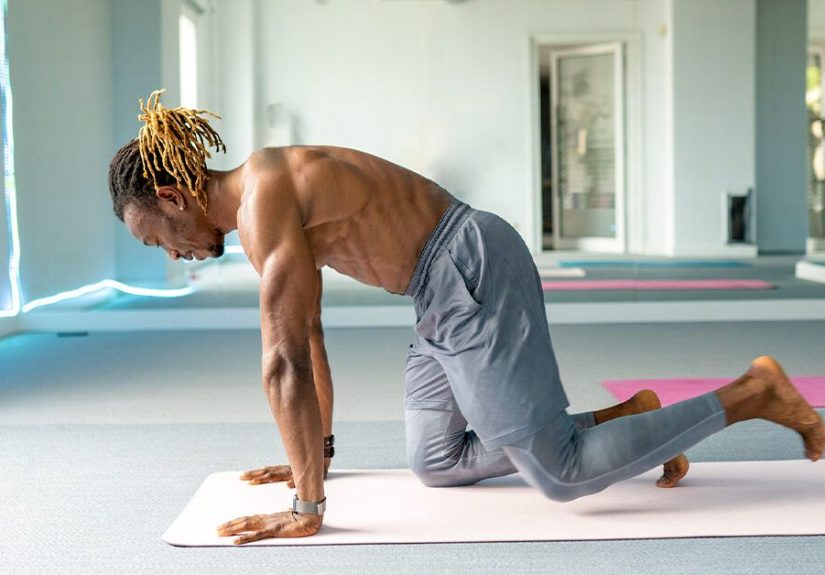
A bear plank is a plank variation performed from a tabletop position with your hands under your shoulders, knees under your hips, toes tucked, and knees hovering just above the floor. Unlike a standard high plank, where your legs are straight, the bear plank keeps your knees bent at roughly 90 degrees.
That bent-knee setup changes the challenge in a big way. Instead of holding a long straight line from shoulders to heels, you create a compact position that demands constant tension through the core, shoulders, upper back, and front of the thighs. Because your knees stay off the floor, your body has to work hard to resist wobbling, sagging, twisting, or shifting out of alignment.
In plain English, the bear plank is not flashy, but it is sneaky effective. It looks like you are barely moving, yet your body is having a full staff meeting behind the scenes.
Bear Plank Muscles Worked
The bear plank is often described as a core exercise, and that is true, but it does not stop there. This move recruits a long list of muscles that help stabilize your trunk, shoulders, hips, and legs.
1. Deep Core Muscles
The star players include the transverse abdominis and the obliques. These muscles help brace your midsection, resist unwanted movement, and support spinal stability. Think of them as the body’s built-in weight belt, minus the gym bro energy.
2. Rectus Abdominis
Your rectus abdominis, the muscle many people associate with the “six-pack,” also works during the bear plank. Its role here is less about crunching and more about keeping the torso controlled while you hold position.
3. Lower Back and Spinal Stabilizers
The muscles along your spine help maintain a neutral back. The goal is not to arch like an angry cat or droop like a hammock. These stabilizers work quietly, but they matter a lot.
4. Shoulders and Upper Back
Your deltoids, serratus anterior, rhomboids, trapezius, and other shoulder stabilizers all get involved. Since your hands are planted and your body weight shifts forward, the upper body has to work hard to support the position. This is one reason the bear plank feels more intense than people expect.
5. Quadriceps
Because your knees stay bent and hover off the ground, your quads stay under constant tension. They do not get to clock out early. If anything, they are filing overtime.
6. Glutes and Hip Stabilizers
Your glutes help keep the pelvis steady and prevent your lower back from over-arching. Meanwhile, the muscles around the hips help maintain control so your knees do not drift and your torso does not sway.
7. Chest and Arms
Your chest, triceps, and forearm muscles also contribute by helping you press into the floor and maintain tension through the upper body. It is not a pressing movement, but these muscles still earn their keep.
How to Do a Bear Plank Correctly
Here is the step-by-step version that actually works in real life.
Step 1: Start on All Fours
Place your hands directly under your shoulders and your knees directly under your hips. Spread your fingers wide and press your palms firmly into the floor. Tuck your toes under.
Step 2: Set Your Spine
Look down at the floor so your neck stays neutral. Keep your back flat from head to tailbone. Do not crank your chin up like you are waiting for someone to compliment your form.
Step 3: Brace Your Core
Gently draw your ribs down, tighten your abdominal muscles, and squeeze your glutes just enough to lock in a stable position. Think “zip up the torso,” not “suck in your stomach until you forget how breathing works.”
Step 4: Lift Your Knees
Hover your knees one to two inches off the ground. Keep them bent. Your shoulders should stay over your hands, your hips should stay level, and your torso should remain still.
Step 5: Hold and Breathe
Hold the position for 10 to 30 seconds while breathing steadily. That last part matters. A good bear plank is not a panic statue. Inhale, exhale, and keep tension without turning purple.
Step 6: Lower With Control
Bring your knees back down gently and rest. Quality beats ego here. Ten clean seconds are better than 40 sloppy ones that look like a folding lawn chair in a windstorm.
Common Bear Plank Mistakes
Bear planks are simple, but simple is not the same as foolproof. Here are the mistakes that show up most often.
Letting the Lower Back Arch
If your ribs flare and your belly drops, your lower back takes on more stress than it should. Fix it by bracing your abs and lightly engaging your glutes.
Rounding the Upper Back Too Much
A little upper-back engagement is normal, but collapsing into a rounded shape is not ideal. Press the floor away while keeping your chest open and shoulders stable.
Knees Too High
If your knees rise too far, the move becomes easier and loses some of its challenge. Keep them low, hovering just off the floor.
Holding Your Breath
Many people brace so hard they stop breathing. That is great if your goal is to impress no one. Keep your breath slow and controlled.
Looking Forward
Throwing your head up can strain your neck. Keep your gaze slightly ahead of your hands or directly at the floor.
Benefits of the Bear Plank
It Builds Real Core Stability
The bear plank trains your core to resist movement, which is a huge part of functional strength. In daily life and in sports, your trunk often works best when it keeps you stable while your arms and legs move around it.
It Challenges More Than Your Abs
Unlike crunch-heavy workouts that mainly target the front of the torso, the bear plank asks your entire body to cooperate. That makes it a great full-body stability drill.
It Helps Reinforce Neutral Spine Position
When done correctly, the bear plank teaches you how to maintain a stable torso and better alignment. That skill can carry over to lifting, running, and even basic tasks like carrying groceries without moving like a question mark.
It Strengthens the Shoulders Without Fancy Equipment
Because your upper body supports a big share of your body weight, the exercise can improve shoulder endurance and control. This makes the bear plank especially useful as a warm-up or accessory move.
It Is Easy to Scale
You can shorten the hold, elevate the hands, or keep the knees on the floor to make it easier. You can add shoulder taps, reaches, or rocks to make it harder. That flexibility makes it friendly for many fitness levels.
Bear Plank vs. Standard Plank
A standard plank usually involves straight legs and a long body line, often on the forearms or hands. A bear plank shortens the lever by bending the knees and keeping them close to the ground. That sounds easier, but the hover creates intense tension through the core and quads, and many people find it more demanding than expected.
In general, the standard plank is a classic anti-extension exercise, while the bear plank adds a more compact base and a stronger challenge to shoulder stability, quadriceps endurance, and overall body awareness. Both are useful. The better choice depends on your goal and current skill level.
Who Should Try the Bear Plank?
The bear plank is a strong option for people who want to improve core control, shoulder endurance, and bodyweight strength. It works well for general fitness, athletic warm-ups, home workouts, and core finishers.
Still, it may not be the best starting point for everyone. If you have active wrist pain, shoulder pain, knee discomfort, or low back issues, you may need a modification first. In those cases, shorter holds, padded support, elevated hands, or guidance from a qualified professional can help.
Best Bear Plank Variations
Bear Plank Hold
This is the base version. Master it before adding movement.
Bear Plank Shoulder Taps
Lift one hand and tap the opposite shoulder while keeping your torso steady. This greatly increases the anti-rotation challenge.
Rocking Bear Plank
Shift your body gently forward and backward while maintaining position. This adds shoulder and wrist demand.
Bear Plank With Toe Taps or Knee Hovers
Small controlled movements can make the hold more dynamic without wrecking your form.
Elevated Bear Plank
Place your hands on a bench or sturdy box to reduce the load if the floor version feels too intense.
How to Add Bear Planks to Your Workout
If you are new to the move, start with 2 to 3 sets of 10 to 20 seconds. Focus on owning the position. Once that feels solid, work up to 20 to 30 seconds per set. More advanced exercisers can use variations or pair the bear plank with crawling, dead bugs, glute bridges, or shoulder stability drills.
Good times to use bear planks include during a warm-up, inside a core circuit, or at the end of a strength workout. They are especially useful before upper-body training days because they wake up the core and shoulder stabilizers at the same time.
Final Thoughts
The bear plank is one of those rare exercises that earns respect quickly. It does not need machines, mirrors, or motivational speeches. It just needs a patch of floor and your honest effort.
Done well, it can strengthen the deep core, challenge the shoulders, fire up the quads, and improve the kind of stability that actually matters outside the gym. Done poorly, it becomes a shaky knee-hover with vibes. So slow down, brace properly, breathe, and let the quality of the hold do the hard work.
If you want a core move that is practical, scalable, and humbling in the most educational way possible, the bear plank deserves a spot in your routine.
Real-World Experiences With the Bear Plank
Here is the funny thing about the bear plank: almost everyone underestimates it the first time. The setup looks harmless. You are on all fours, your knees are bent, and it seems like the exercise version of “I am just getting comfortable.” Then the knees lift, the timer starts, and suddenly your body reveals all its honest opinions.
Beginners often report the same surprise. They expect an ab exercise and instead feel their shoulders, quads, upper back, and even their hands working overtime. That reaction makes sense. The bear plank is not just about visible abs. It is about total-body tension and control. For someone who has only done crunches or sit-ups, the first good bear plank can feel like meeting the rest of their core for the first time.
One common experience is the “shaking phase.” A person gets into position, lifts the knees, and everything starts trembling like a phone on silent mode. That is not always a sign that something is wrong. Mild shaking usually means the muscles are working hard to organize and stabilize. Over time, the shaking often decreases as coordination improves. In other words, the nervous system stops acting like it just got thrown into a surprise group project.
People who sit for long hours often notice that bear planks expose poor posture habits. If you spend the day slumped over a laptop, the move may quickly reveal limited shoulder endurance and weak core bracing. That is not an insult. It is useful feedback. Many desk workers find that after a few weeks of practicing short, clean sets, they feel more aware of how they hold their rib cage, pelvis, and shoulders during the day.
Athletes tend to like the bear plank for a different reason. Runners, lifters, and field-sport athletes often use it as a warm-up because it teaches bracing without overcomplicating things. A coach may have an athlete do a few 15-second holds before squats, presses, or loaded carries. The goal is not exhaustion. The goal is to remind the body how to stay organized under tension. When that clicks, the rest of training often feels smoother.
Parents and busy adults also tend to appreciate the exercise because it is efficient. You do not need a long workout, a lot of space, or a garage full of equipment. A couple of short sets can fit between meetings, chores, or the dramatic task of trying to fold laundry before it becomes a permanent chair decoration.
Of course, there are challenges. People with sensitive wrists sometimes dislike the floor version at first. In that case, placing the hands on a bench, gripping dumbbells, or using a folded mat under the palms can help. Others notice neck tension because they keep looking up. A simple cue like “eyes down, neck long” usually fixes a lot.
The biggest lesson from real experience is this: the bear plank rewards precision. It is not about holding forever. It is about making a short hold look clean and controlled. Once people stop chasing time and start chasing quality, the exercise becomes much more effective. That is when the bear plank goes from “Why is this so hard?” to “Okay, now I get why coaches love this thing.”