Table of Contents >> Show >> Hide
- Why Mosaic and Handmade Tile Work So Well in Bathrooms
- What Makes a Bathroom Feel Like an Oasis?
- Best Places to Use Mosaic Handmade Tile in the Bathroom
- Choosing the Right Materials
- Color and Pattern Ideas That Actually Work
- Design Tips for a Cohesive Bathroom Mosaic Handmade Tile Oasis
- Maintenance and Longevity
- Real-World Inspiration for Different Bathroom Styles
- Experience: Living With a Bathroom Mosaic Handmade Tile Oasis
- Final Thoughts
There are bathrooms, and then there are bathrooms that make you pause in the doorway like you’ve accidentally wandered into a boutique spa in a very expensive hotel where the towels are fluffier than your life choices. That is the power of a well-designed mosaic tile bathroom. Add handmade tile to the mix, and suddenly the space feels layered, personal, and a little bit magical. A bathroom mosaic handmade tile oasis is not just about pretty walls and a photogenic shower niche. It is about texture, mood, craftsmanship, and the small design details that make an everyday routine feel luxurious.
Mosaic tile has a long history in bathrooms because it does two jobs at once: it solves practical design problems and makes the room look far more interesting than another plain white box. Handmade tile adds warmth, slight variation, and that beautifully imperfect quality machines still struggle to fake. Together, they can turn a powder room into a jewel box, a primary bath into a retreat, or a tiny shower into a place you may never want to leave. That might be inconvenient for the rest of your household, but excellent for your design goals.
Why Mosaic and Handmade Tile Work So Well in Bathrooms
The beauty of mosaic tile starts with scale. Because the pieces are small, they can wrap curves, fit shower pans, line niches, and highlight architectural moments without awkward cuts taking over the show. In a bathroom, that flexibility matters. Floors slope toward drains, corners can be tight, and wet zones need surfaces that feel secure underfoot. Mosaic patterns also bring movement to a room, whether you choose penny rounds, hexagons, fish scale, basketweave, herringbone, or a custom artistic blend.
Handmade tile brings a different kind of charm. Instead of perfect factory sameness, you get subtle color shifts, varied glaze depth, gentle surface texture, and the kind of character that makes a bathroom feel collected rather than copied. That slight variation is not a flaw. It is the whole point. A handmade tile wall catches light differently throughout the day, which creates a softer, richer effect than a flat, uniform surface. In a room that already deals with water, steam, mirrors, and lighting changes, that layered effect is a design superpower.
Put them together and you get a bathroom that feels custom. Mosaic tile can provide the pattern and visual rhythm, while handmade tile adds soul. Think of mosaic as the jewelry and handmade tile as the perfectly tailored outfit underneath.
What Makes a Bathroom Feel Like an Oasis?
The word “oasis” gets tossed around in design writing like confetti, but in a bathroom it usually comes down to a few smart choices. The first is visual calm. Even if the tile is bold, the overall palette should feel intentional. Ocean blues, warm whites, muted greens, sandy neutrals, smoky grays, and soft terracotta tones all work well because they echo natural materials and spa-like settings. You do not need to make the bathroom look like a literal beach. Nobody needs a seashell toilet paper holder in 2026.
The second ingredient is texture. Handmade tile, stone-look porcelain, pebbled mosaics, and tactile finishes make the room feel layered and grounded. The third is light. Glossy glazes and glass mosaics can bounce natural and artificial light beautifully, making even a compact bathroom feel brighter. Finally, an oasis needs a focal point. That could be a shower wall clad in handmade zellige-style tile, a mosaic floor that looks like a custom rug, or a dramatic niche finished in a contrasting pattern.
Best Places to Use Mosaic Handmade Tile in the Bathroom
1. Shower Floors
Shower floors are one of the smartest places to use mosaic tile. Smaller tile pieces handle slope better than large-format tiles and can create more grip because of the extra grout joints. That is the practical argument. The fun argument is that shower floors are also a great place to add pattern without overwhelming the whole room. A soft marble-look hex mosaic, a matte porcelain penny round, or a handmade-looking checker mosaic can elevate the shower instantly.
2. Statement Walls
A bathroom does not need every wall tiled floor to ceiling to make an impact. One statement wall behind a vanity, tub, or walk-in shower can do the heavy lifting. Handmade tile shines here because its glaze variation becomes part of the décor. Deep emerald, foggy blue, warm ivory, and clay-inspired blush tones all look striking when repeated across a vertical surface.
3. Shower Niches and Insets
If you want a bold detail without committing to a full-room tile extravaganza, use mosaic tile in a shower niche or recessed shelf. This is where designers often play with contrast: glossy mosaic against matte field tile, geometric pattern inside a simple shower surround, or metallic accents in a mostly neutral palette. It is a small area, but it can make the bathroom look much more custom.
4. Bathroom Floors
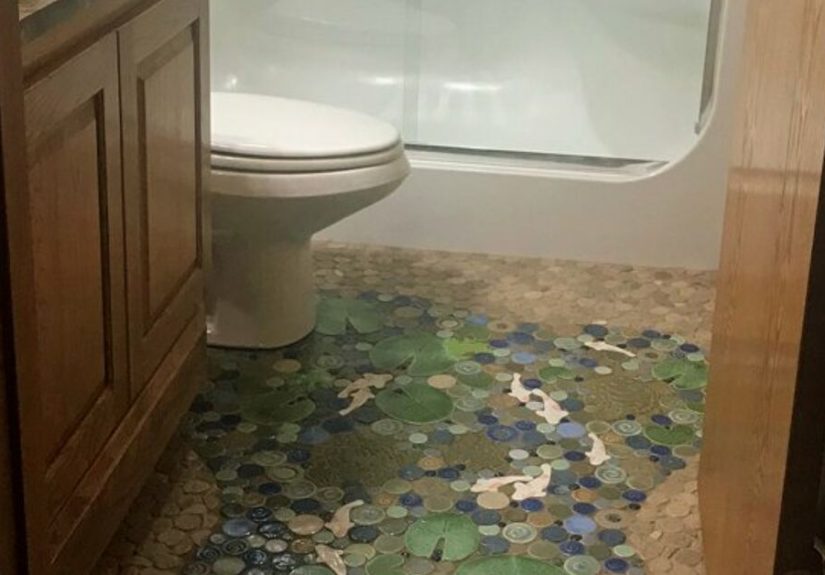
Mosaic floors can be timeless or playful depending on the pattern. Black-and-white layouts, marble mosaics, and classic hex designs have lasting appeal. If you want something more expressive, consider floral penny tile motifs, custom borders, or a rug-style pattern in front of the vanity. Handmade elements can soften the floor visually, especially in bathrooms with sleek fixtures and lots of hard lines.
5. Vanity Backsplashes and Tiled Sink Zones
A mosaic backsplash behind the vanity gives you a chance to add color and craft in a smaller, budget-friendlier area. It can connect the mirror, lighting, and hardware into one cohesive moment. This is especially useful in powder rooms, where a little drama often goes a long way.
Choosing the Right Materials
Not every beautiful tile belongs in every wet zone, so material choice matters. Porcelain mosaic tile is a favorite for bathroom floors and showers because it is durable, low in water absorption, and available in countless finishes. Ceramic handmade tile is often a go-to for walls, backsplashes, and shower surrounds, where its rich glazes can really show off. Glass mosaic tile works beautifully when you want shimmer and light reflection, though it needs thoughtful installation and gentle cleaning. Natural stone mosaic offers classic beauty, but some stones need sealing and more maintenance than busy households want to deal with.
The finish matters just as much as the material. Glossy tile can make a bathroom feel brighter and more reflective, while matte tile gives a softer, calmer look. Textured finishes add dimension and can improve underfoot comfort on floors. In an oasis-style bathroom, a mix of finishes often works best. Matte floor, glossy wall, textured accent, happy designer.
Color and Pattern Ideas That Actually Work
One of the easiest mistakes in a tile project is falling in love with five great ideas that look terrible together. The most successful mosaic handmade tile bathrooms usually follow one of these routes:
Monochromatic and Calm
Use one color family in several tones, such as layered whites, warm creams, pale sage, or dusty blue. This approach makes the texture of the tile the star and creates that spa-like mood people keep chasing on renovation boards.
Natural and Earthy
Combine sand, clay, olive, stone gray, and off-white tones. These colors work especially well with wood vanities, linen curtains, brushed brass hardware, and plants that may or may not survive bathroom humidity.
Classic Contrast
Black and white mosaic floors, charcoal grout with white handmade wall tile, or a pale bathroom with one dark, moody shower wall all create contrast without feeling trendy in a disposable way.
Artistic and Jewel-Like
This is where you lean into peacock blue, emerald, deep teal, aubergine, blush, or mixed-glass mosaic accents. Used thoughtfully, these colors can make a small bathroom feel glamorous rather than chaotic.
Design Tips for a Cohesive Bathroom Mosaic Handmade Tile Oasis
Start with the wettest and most functional areas first. Shower floor tile, wall tile, and vanity splash all need to work hard, so choose those before obsessing over the cute accent stripe. Next, respect grout. Grout color changes everything. Matching grout makes a surface feel quieter and more seamless. Contrasting grout emphasizes pattern and shape. Both can be beautiful, but they create totally different moods.
Also, do not overlook scale. In a small bathroom, large-format wall tile paired with a smaller mosaic floor can create balance. In a powder room, going all in with a dense pattern may actually make the room feel more intentional and dramatic. And always sample tile in the actual bathroom before committing. Handmade glazes and natural light can surprise you. Sometimes delightfully. Sometimes like a jump scare.
Maintenance and Longevity
A bathroom oasis should not become a maintenance nightmare. Before buying tile, ask practical questions. Does the tile need sealing? Does the grout need periodic resealing? Is the finish suitable for shower floors? How easy is it to clean with a nonabrasive product? If you choose handmade or natural materials, understand their quirks before installation, not after you are emotionally attached.
In general, regular wiping, gentle cleaners, proper ventilation, and well-maintained grout go a long way. Good installation matters just as much as good design. Waterproofing layers, backer boards, membranes, grout selection, and movement joints are not glamorous topics, but they are what keep the gorgeous bathroom from becoming a very expensive science experiment.
Real-World Inspiration for Different Bathroom Styles
Small Bathroom
Use a light handmade wall tile, a classic hex or penny mosaic floor, and a mirrored vanity wall to bounce light around. A single niche with a slightly darker mosaic adds personality without clutter.
Modern Bathroom
Pair large porcelain wall tile with a geometric mosaic shower floor and a handmade accent strip in a muted glaze. Keep the palette controlled and let texture do the talking.
Vintage-Inspired Bathroom
Consider basketweave or black-and-white mosaic floors, wainscot tile, polished nickel hardware, and a clay-toned or glossy handmade tile on the vanity wall. It feels classic, not costume-y.
Luxury Spa Bath
Go with tonal stone-look porcelain, hand-finished wall tile, warm lighting, floating wood cabinetry, and a floor mosaic that reads like a custom textile underfoot. Add a bench in the shower, and suddenly your morning routine looks suspiciously well organized.
Experience: Living With a Bathroom Mosaic Handmade Tile Oasis
The first thing people notice when they live with a mosaic handmade tile bathroom is that it changes throughout the day. In the morning, the glaze catches soft light and makes the room feel fresh and awake. At night, under warmer bulbs, the same tile can feel richer and more intimate, like the room has shifted into evening mode without announcing it. That is one of the pleasures of handmade surfaces: they are never visually flat. You keep noticing new details, the way one tile looks slightly deeper than the next, or how a glossy edge reflects the flame-like glow of vanity lighting.
There is also a tactile experience that photos rarely capture. A handmade wall tile can feel silky in one spot and slightly rippled in another. A mosaic floor feels grounded underfoot, especially in a shower, where the smaller pattern provides a sense of stability. That matters more than people expect. A bathroom can look beautiful online and still feel cold or slippery in real life. The right mosaic and handmade combination avoids that problem by making the room feel secure, textured, and inviting all at once.
Another real-life benefit is emotional. Bathrooms tend to be the first room we enter in the morning and one of the last rooms we use at night. When the finishes feel thoughtful, those daily moments feel less rushed. Brushing your teeth against a backdrop of sea-green handmade tile somehow feels more civilized. Applying moisturizer near a softly reflective mosaic backsplash feels slightly glamorous, even if you are still wearing mismatched socks and arguing with your hair.
Guests notice it too. A mosaic handmade tile bathroom tends to get the kind of compliments people mean. Not the polite “nice space” comment they offer while scanning for hand soap, but the genuine pause-and-look reaction. They ask where the tile came from. They touch the wall. They squint at the floor pattern. They say things like, “This feels like a hotel, but better,” which is exactly the right level of compliment because hotels, for all their fluffy robes, usually do not know your favorite candle scent.
The experience is not only visual or emotional; it is practical. A good shower floor mosaic feels safer. A thoughtfully designed niche keeps bottles contained. A matte porcelain floor hides water spots better than you feared. Grout color, once a tiny detail on a sample board, turns out to shape the whole room’s personality. White grout keeps things crisp. Matching grout quiets the pattern. Dark grout can be dramatic, though it also carries a tiny whisper of “I know what I’m doing,” which is satisfying.
Over time, the bathroom develops even more character. Handmade tile often looks better once it becomes part of everyday life. It does not feel sterile. It feels lived in, intentional, and personal. That is the real secret behind a bathroom mosaic handmade tile oasis: it is not trying to be perfect. It is trying to be beautiful, durable, and deeply enjoyable to use every single day. When a room can do all that while making toothpaste routines feel fancy, it has absolutely earned the title of oasis.
Final Thoughts
A bathroom mosaic handmade tile oasis is where craftsmanship meets practicality. Mosaic tile solves design problems beautifully, handmade tile adds warmth and personality, and the right palette can make the entire room feel calmer, brighter, and more luxurious. Whether you use a little or a lot, the goal is not to chase trends blindly. It is to build a bathroom that feels good every day, functions in a wet environment, and still makes you smile when you flip on the light.
Choose materials that fit the space, sample your colors carefully, respect installation details, and let texture do some of the decorating for you. The result can be timeless, artful, and refreshingly human. In other words, exactly what a bathroom should be.