Table of Contents >> Show >> Hide
- What Exactly Is a Banana Blossom?
- Why Banana Blossoms Work as a Seafood Substitute
- Popular Ways to Use Banana Blossoms in Plant-Based Cooking
- How to Make Banana Blossoms Taste More Like Seafood
- Nutrition: Where Banana Blossoms Shineand Where They Do Not
- Who Should Try Banana Blossoms?
- Common Mistakes People Make
- So, Is Banana Blossom Worth the Buzz?
- A Longer Look: The Experience of Cooking and Eating Banana Blossoms
- Conclusion
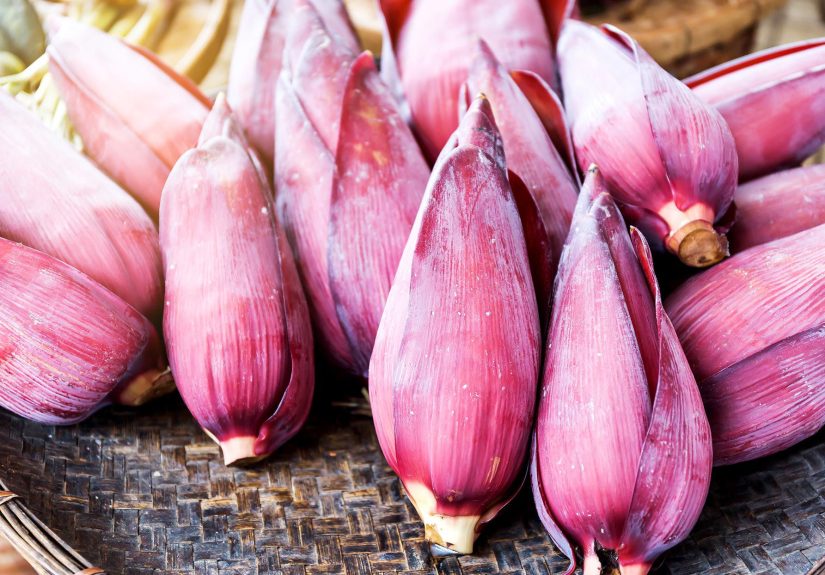
If you have ever looked at a banana blossom and thought, “That purple torpedo does not seem like dinner,” welcome to the club. At first glance, banana blossoms look more like something you would use to decorate a tropical table than something you would bread, fry, and serve with tartar sauce. But in the ever-expanding world of plant-based cooking, banana blossoms have become a fascinating seafood substituteespecially for people chasing the flaky, tender vibe of white fish without inviting actual fish to the party.
And honestly? The hype is not completely bananas. Banana blossoms have a layered, fibrous structure that can mimic seafood better than many other vegetables. They do not naturally taste like cod, crab, or the ocean breeze at a New England pier, but that is also their advantage. Their mild flavor makes them a blank canvas for citrus, seaweed, dill, garlic, paprika, Old Bay-style seasoning, and all the other magic tricks cooks use to build seafood flavor without seafood.
This does not mean banana blossoms are a perfect one-to-one nutritional replacement for fish. They are not. But as a culinary tool, they are clever, versatile, and surprisingly fun to work with. For vegan cooks, flexitarians, curious omnivores, and anyone who enjoys saying “Wait, this is made from what?” at the dinner table, banana blossoms deserve a closer look.
What Exactly Is a Banana Blossom?
A banana blossomalso called a banana heartis the flower that grows at the end of a cluster of bananas. In many parts of Asia, it has long been used in salads, curries, soups, and stir-fries. In other words, this ingredient is not some trendy lab-created novelty cooked up by a marketing team with too much cold brew. It is a real, traditional food that plant-based cooks have repurposed in a very modern way.
The blossom has tightly packed layers, a slightly fibrous bite, and a subtle vegetal flavor. Fresh ones can be a little bitter or astringent if not prepped properly, which is why traditional recipes often call for soaking the sliced pieces in acidulated water. Canned banana blossoms, meanwhile, are the convenience-store superhero version: already trimmed, softened, and ready to join your vegan fish tacos with minimal drama.
Fresh vs. Canned Banana Blossoms
Fresh banana blossoms are great if you enjoy cooking projects and have access to an Asian market. They let you control texture and freshness, but they also demand a little more knife work and patience. You need to peel away tough outer bracts, remove the firmer inner core, slice the usable parts, and soak them to help with discoloration and bitterness.
Canned banana blossoms are the weeknight-friendly option. They are typically packed in brine or water, which means you should drain them, rinse them well, and squeeze out excess moisture before marinating or battering. They are especially handy for dishes meant to mimic fish fillets, crab cakes, or fried seafood-style bites because the prep is much simpler. No culinary wrestling match required.
Why Banana Blossoms Work as a Seafood Substitute
Plant-based seafood is tricky. Replacing beef with a burger patty is one challenge; replacing fish is another entirely. Seafood is prized for its tenderness, flaky pull-apart structure, and delicate flavor. That is exactly where banana blossoms earn their applause.
The Texture Is the Real Selling Point
The biggest reason banana blossoms have become a plant-based seafood substitute is texture. When cooked properly, the layered leaves separate in a way that resembles flaky fish. They are tender without turning mushy, which puts them in a sweet spot that jackfruit does not always hit. Jackfruit is excellent for shredded meat textures; banana blossoms are better at the soft, layered effect people associate with white fish.
This is why you will often see banana blossoms in vegan fish and chips, crispy sandwich filets, fish tacos, and “crab” cakes. Once battered and fried, they offer that satisfying break-apart quality that makes people do a double take.
The Flavor Is Mild, Not Fishy
Here is the truth no one should dance around: banana blossoms do not taste like fish on their own. If you open a can and expect a seafood miracle, you are setting yourself up for disappointment and maybe a dramatic speech in the kitchen.
What they do offer is neutrality. That means they absorb flavors beautifully. Lemon juice brightens them. Seaweed or nori adds an ocean-like note. Garlic and onion create savory depth. Dill, parsley, capers, mustard, and pepper make them feel at home in classic seafood-style recipes. A good marinade can take them from “interesting vegetable” to “wait, why is this strangely convincing?”
Popular Ways to Use Banana Blossoms in Plant-Based Cooking
1. Vegan Fish and Chips
This is probably the dish that made banana blossoms famous in plant-based circles. The blossom is marinated, lightly floured, dipped in batter, and fried until crisp. The outside gets shatteringly crunchy while the inside stays tender and layered. Add fries, tartar sauce, malt vinegar, and a wedge of lemon, and suddenly your kitchen feels suspiciously like a seaside takeaway.
The trick is not only the batter. It is the seasoning. A little seaweed, a squeeze of lemon, and the right level of salt make a huge difference. Without seasoning, banana blossom tastes pleasant. With smart seasoning, it tastes intentional.
2. Plant-Based Crab Cakes
Because banana blossoms shred and fold into mixtures so well, they are also a clever stand-in for crab in patties. Mix them with breadcrumbs, vegan mayo, mustard, herbs, celery, onion, and a seafood-style seasoning blend, then pan-fry until golden. The result is not identical to crab, but it captures the familiar shape, richness, and savory appeal of a crab cake well enough to make the idea feel genuinely satisfying.
3. Fish Tacos and Sandwiches
Banana blossoms are excellent in tacos because toppings do half the heavy lifting. Crisp slaw, lime crema, avocado, pickled onions, and cilantro build freshness and contrast, while the blossom provides the tender center. The same goes for sandwiches: pile a fried banana blossom filet on a bun with tartar sauce, lettuce, and pickles, and you have a comfort-food moment that does not require a fishing rod.
4. Southeast Asian Salads and Savory Dishes
Long before it entered the vegan fish arena, banana blossom was already at home in Southeast Asian cuisine. Thinly sliced blossom can bring crunch, slight bitterness, and freshness to salads with herbs, citrus, and savory dressings. That matters because it reminds us this ingredient has a full culinary life beyond imitation. Sometimes the smartest thing you can do with banana blossom is stop trying to make it “be” fish and let it be itself.
How to Make Banana Blossoms Taste More Like Seafood
If you want the seafood effect, flavor-building matters as much as technique. Think of banana blossom as the actor, and the marinade as the costume department.
Use These Flavor Shortcuts
Nori or seaweed: Adds a briny, ocean-adjacent aroma.
Lemon juice: Brightens and cuts the earthy notes.
Capers: Bring sharp, savory salinity.
Dill and parsley: Help create a classic seafood-house profile.
Garlic and onion powder: Fill out the flavor so it does not taste flat.
Mustard or vegan mayo: Useful in crab cake-style mixtures.
Old Bay-style seasoning or paprika: Adds familiarity and warmth.
The best approach is usually simple: rinse the blossoms, pat them dry, marinate them, then decide whether you want them baked, pan-fried, or deep-fried. If you skip drying them properly, the batter may slide off like it has trust issues. Moisture is the enemy of crunch.
Nutrition: Where Banana Blossoms Shineand Where They Do Not
Banana blossoms fit nicely into a whole-food, plant-forward diet. They are low in saturated fat and can add fiber and plant variety to meals. That alone makes them appealing to people looking to cut back on animal products or explore more vegetables without living on lettuce and moral superiority.
But let us keep the nutrition story honest. Banana blossoms are not nutritionally equivalent to fish or shellfish. Seafood is valued for protein, vitamin B12, and omega-3 fats. Banana blossoms do not naturally match those nutrients in the same way. So if your goal is to replace seafood regularly, you need to think in meal patterns, not just ingredients.
How to Build a More Complete Plant-Based Seafood Meal
Pair banana blossoms with protein-rich foods like tofu, tempeh, edamame, chickpeas, or lentils. Add healthy fats from walnuts, chia seeds, flaxseed, or an algae-based DHA supplement if you follow a fully vegan diet. Use fortified foods or supplements when needed for B12. Basically, do not expect one purple flower bud to solve your entire nutritional spreadsheet.
Another practical note: watch the sodium. Canned products, marinades, bottled sauces, and restaurant-style preparations can get salty fast. A banana blossom filet can start as a wholesome plant-based idea and end up wearing a sodium crown if you are not reading labels.
Who Should Try Banana Blossoms?
Banana blossoms make sense for several types of eaters:
Vegans and vegetarians who miss the flaky texture of fish.
Flexitarians who want more plant-based meals without giving up comfort-food favorites.
Curious home cooks who are bored with the usual tofu-seitan-tempeh rotation.
Seafood skeptics who like the idea of fish and chips but do not love actual fish.
They are also great for dinner guests because they spark conversation. Serve battered banana blossom with fries and someone at the table will absolutely ask what it is. That is part of the fun.
Common Mistakes People Make
Expecting It to Taste Exactly Like Fish
That is the fastest route to disappointment. Banana blossom is best understood as a convincing stand-in for texture and experience, not a clone from an underwater copy machine.
Skipping the Prep
Fresh blossoms need trimming and soaking. Canned blossoms need rinsing and drying. Ignore those steps and you may get bitterness, sogginess, or batter that falls apart mid-fry like a bad reality show alliance.
Underseasoning
Because the ingredient is mild, bland seasoning leads to bland results. This is not the time to be shy with herbs, acid, and savory elements.
Calling It Healthy No Matter What
A deep-fried banana blossom sandwich with fries can absolutely be delicious. It is also still fried food. Plant-based does not automatically mean nutritionally saintly. Sometimes it is health food; sometimes it is comfort food in a vegan disguise. Both are allowed. Just know which one is on your plate.
So, Is Banana Blossom Worth the Buzz?
Yeswith one important caveat. Banana blossoms are worth trying if you treat them as a smart, flexible ingredient rather than a miracle product. They are excellent at recreating the flaky feel people miss in seafood dishes, and they work especially well in recipes where seasoning, batter, and toppings create the full experience.
They are not a perfect nutritional substitute for fish, and they are not the only plant-based seafood option on the market. But they are one of the most intriguing whole-food ingredients in the category. They bring novelty, texture, and culinary range to the table, and they do it without feeling overly engineered.
In a food world packed with plant-based products trying very hard to be something else, banana blossoms are refreshingly low-drama. They are a flower. They are edible. They are weirdly good in a sandwich. Sometimes that is all the endorsement an ingredient needs.
A Longer Look: The Experience of Cooking and Eating Banana Blossoms
The first experience many people have with banana blossoms is pure confusion. You open the can or unwrap the fresh blossom and wonder whether you are about to make dinner or start a craft project. The color is dramatic, the texture is unusual, and the ingredient does not come with the instant familiarity of tofu or mushrooms. But that mystery is part of the appeal. Banana blossom makes cooking feel exploratory again, which is a rare and lovely thing in a world where dinner often becomes a loop of the same seven meals and one emergency frozen pizza.
There is also something satisfying about how hands-on the process feels. You rinse it, press out the extra liquid, pull apart the layers a little, and suddenly you start to understand why cooks compare it to fish. It is not because it tastes like the ocean. It is because it behaves in a certain way when handled. It flakes. It folds. It softens without collapsing. By the time it hits the marinade, you can almost see the transformation coming.
Then there is the aroma moment, which may be the turning point for skeptics. Once lemon, garlic, seaweed, pepper, and herbs get involved, the kitchen starts to smell less like “mystery vegetable” and more like “someone is making something very crispy and probably serving it with a dipping sauce.” That shift matters. It is sensory reassurance. It tells the cook this is not a gimmick. It is food, and it is headed somewhere good.
Eating banana blossom for the first time is usually an exercise in surprise. The outside crunch lands first if it is battered or pan-fried. Then the interior gives way in soft layers that feel far more delicate than cabbage, artichokes, or jackfruit. People often expect a heavy vegetable chew and instead get something gentler. That contrast is what makes the ingredient memorable. It is not trying to shout. It wins by texture, not by theatrics.
Another experience people mention is how social banana blossom can be. It is the kind of ingredient that sparks conversation at the table. One person asks what it is. Another says they saw it on a vegan menu once. Someone else admits they thought banana blossom would taste sweet, like dessert in disguise. Then everyone takes a bite and has the same expression: curiosity, followed by approval, followed by a second bite that is suddenly much less cautious.
Over time, the experience becomes less about substitution and more about possibility. You stop asking whether banana blossom is “as good as fish” and start asking what else it can do. Can it work in tacos? Yes. In a rice bowl? Definitely. In a bright herb salad? Absolutely. In a crispy sandwich that disappears before it ever makes it to a plate? Also yes, and maybe hide one for yourself before the crowd arrives.
That is the real joy of banana blossom. It begins as a novelty, but it often ends as a genuinely useful ingredient. It invites experimentation, rewards good seasoning, and turns a simple meal into a story. Not every plant-based substitute manages that. Some are fine. Some are forgettable. Banana blossom, on the other hand, tends to leave an impression. And for an ingredient that looks like it belongs in a botanical garden, that is a pretty impressive dinner trick.
Conclusion
Banana blossoms may not replace seafood for everyone, and they should not be sold as a nutritional carbon copy of fish. But as a plant-based seafood substitute, they are clever, accessible, and a lot more versatile than they first appear. Their layered texture makes them especially effective in vegan fish-style dishes, while their mild flavor gives cooks room to build bold, satisfying meals. Whether you are chasing a crispy fish-free filet, a lighter crab cake alternative, or simply a new ingredient to break your dinner rut, banana blossoms are worth inviting into the kitchen. At the very least, they will make your meal more interesting. At best, they might become your new secret weapon for plant-based comfort food.