Table of Contents >> Show >> Hide
- What the Starter Actually Does
- Most Common Bad Starter Symptoms
- Bad Starter vs. Bad Battery vs. Bad Alternator
- Step-by-Step Troubleshooting Guide
- Step 1: Pay Attention to the Exact Symptom
- Step 2: Check the Battery Basics
- Step 3: Try a Jump-Start Once
- Step 4: Try Starting in Neutral
- Step 5: Check the Fuse and Relay
- Step 6: Do Not Over-Crank the Engine
- Step 7: Listen for Heat-Related Patterns
- Step 8: Get a Professional Load and Voltage-Drop Test
- What Causes a Starter to Go Bad?
- When You Should Replace the Starter
- When It Is Time to Stop Troubleshooting and Call for Help
- How to Reduce the Chances of Future Starter Trouble
- Final Thoughts
- Real-World Experiences With Bad Starter Symptoms
- SEO Tags
Your car won’t start. The dashboard lights up like it’s auditioning for Broadway, but the engine? Silent. Or clicking. Or grinding like it has a grudge. If that sounds familiar, a bad starter could be the problem.
The tricky part is that starter trouble likes to dress up as other problems. A weak battery, corroded terminals, a bad relay, or even a transmission range switch can all crash the same party. That is why diagnosing bad starter symptoms is less about panic and more about pattern recognition. Listen to the noise, notice what the lights do, and avoid the classic mistake of replacing parts based on vibes alone.
This complete troubleshooting guide breaks down the most common bad starter symptoms, explains how to tell a failing starter from a dead battery or alternator issue, and walks you through smart next steps before you call a tow truck, a mechanic, or your most mechanically confident cousin.
What the Starter Actually Does
The starter is a small but mighty electric motor that turns the engine over when you twist the key or press the start button. The starter solenoid helps connect power from the battery and pushes the starter gear into the flywheel or flexplate. Once the engine fires up, the starter’s job is done.
That last point matters. If your car starts and then stalls while driving, the starter usually is not the main suspect. A starter problem shows up at startup. It is the bouncer at the door, not the DJ inside the club.
Most Common Bad Starter Symptoms
1. A Single Click and Nothing Else
This is one of the classic bad starter symptoms. You turn the key, hear one solid click, and the engine does not crank. That click may be the solenoid trying to do its job while the starter motor fails to spin.
It can also happen when there is a poor electrical connection, so do not convict the starter without checking battery terminals and cables first. Still, one loud click with no crank is a big red flag.
2. Rapid Clicking
Rapid clicking is often blamed on the starter, but it frequently points to low battery voltage or an electrical supply problem instead. Think of it as the starter trying to clock in for work while the battery forgot to show up. If you hear machine-gun clicking, check the battery charge, terminals, and charging system before replacing the starter.
3. Slow Cranking
If the engine turns over sluggishly, a weak battery is still the most common cause, but a worn starter can also create a slow crank. This is especially true when the battery tests good, the cables are clean, and the slow cranking keeps happening. A dragging starter can sound tired, uneven, or rough, like it desperately wants a second cup of coffee.
4. Grinding Noise
A grinding sound when starting usually means the starter gear is not engaging the flywheel correctly, or the starter stays engaged longer than it should. This is not a “turn up the radio and hope for the best” situation. Grinding can damage the flywheel teeth, and that repair bill is much less fun than a starter replacement.
5. Whirring or Free-Spinning Sound
If you hear a high-speed whirring noise but the engine does not crank, the starter motor may be spinning without properly engaging the flywheel. In plain English, the motor is working, but the gear is not doing its part. A failed starter drive or Bendix mechanism is often behind this symptom.
6. Lights Come On, But the Engine Will Not Crank
This confuses a lot of drivers. “But the radio works!” Yes, and that is helpful, but it does not prove the starter is healthy. The lights, chime, and infotainment screen need far less power than the starter. If accessories work but the engine will not turn over, the starter, starter circuit, or battery under heavy load may still be the issue.
7. Intermittent Starting Problems
Sometimes a bad starter does not fail in one dramatic moment. It becomes moody. The car starts fine all week, then refuses to start after a quick stop for gas. Later, it starts again like nothing happened. Heat soak, worn internal contacts, or a failing solenoid can cause this on-and-off behavior. Intermittent no-start issues are especially common in aging starters.
8. Smoke or a Burning Smell
If you smell burning electrical insulation or see smoke near the engine bay while trying to start the car, stop immediately. A starter can overheat from repeated cranking, internal shorting, or poor electrical connections. This symptom moves the issue out of the “annoying” category and into the “do not keep trying it” category.
Bad Starter vs. Bad Battery vs. Bad Alternator
This is where a lot of DIY diagnostics go sideways. These parts are teammates, and when one fails, the symptoms overlap.
Signs that lean more toward the battery
- Rapid clicking when you try to start the engine
- Dim headlights or weak interior lights
- Electrical systems acting strangely before the no-start
- The car starts normally after a jump-start
Signs that lean more toward the starter
- A single click with no crank
- Grinding or whirring when starting
- Dash lights are bright, but the engine does not turn over
- A jump-start does not help
- Intermittent no-starts, especially when the engine is hot
Signs that lean more toward the alternator
- The battery keeps dying repeatedly
- The car starts after a jump, then dies later
- Headlights dim while driving
- Battery warning light or charging-system warning appears
A simple rule helps here: if the engine cranks strongly but does not fire, the starter is usually not the main problem. In that case, look harder at fuel delivery, spark, air, engine sensors, or security-system issues.
Step-by-Step Troubleshooting Guide
Step 1: Pay Attention to the Exact Symptom
Do you hear one click, many clicks, a grind, a whirr, or absolutely nothing? Does the engine crank slowly, or not at all? Small details matter here. “It won’t start” is true, but it is not enough for a good diagnosis.
Step 2: Check the Battery Basics
Look for loose or corroded battery terminals. White or blue crust on the terminals can interfere with power flow and create starter-like symptoms. If the battery is old or has been weak lately, test it first. Many parts stores and repair shops can do this quickly.
Step 3: Try a Jump-Start Once
If the engine starts normally after a proper jump, your problem may be the battery or charging system rather than the starter. If a jump changes nothing and the engine still will not crank, the starter becomes more suspicious.
Step 4: Try Starting in Neutral
For automatic vehicles, try starting in Neutral instead of Park. If it starts in Neutral, the issue may involve the park-neutral safety switch rather than the starter itself. It is a useful clue, especially when the symptoms feel random.
Step 5: Check the Fuse and Relay
A blown starter fuse or faulty relay can mimic a bad starter. Your owner’s manual can help you locate the right fuse box and identify the starter relay. This is one of the easier checks and can save you from replacing a perfectly innocent starter.
Step 6: Do Not Over-Crank the Engine
If the car is not starting, do not crank it endlessly like you are trying to win a contest. Long repeated cranking can overheat the starter and wiring. Short attempts are smarter. If it is clearly not happening, pause and diagnose.
Step 7: Listen for Heat-Related Patterns
Does the car refuse to start after a drive, then start later when it cools down? That pattern often points toward a worn starter that struggles when hot. Intermittent hot-start issues are a classic clue.
Step 8: Get a Professional Load and Voltage-Drop Test
If your battery checks out and the wiring looks good, a technician can confirm starter failure with more confidence using electrical tests. That is a much better strategy than replacing three parts and hoping one of them feels guilty enough to fix the problem.
What Causes a Starter to Go Bad?
- Normal wear and tear: Starters live a tough life and eventually wear out.
- Heat: High engine-bay temperatures can stress internal starter parts.
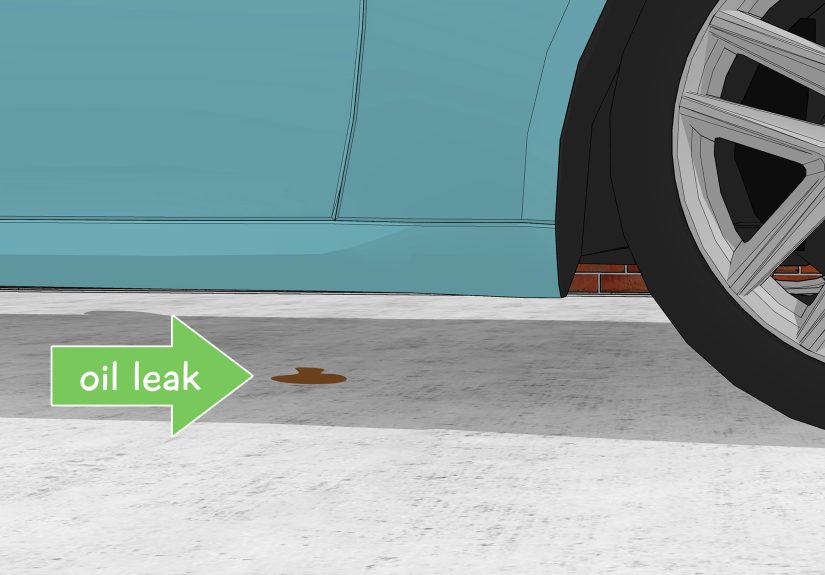
- Oil leaks: Oil contamination can damage the starter and its electrical components.
- Loose or corroded wiring: Poor connections can make a healthy starter act bad.
- Repeated extended cranking: Overheating can shorten starter life fast.
- Low battery voltage: Chronic weak-battery operation can strain the starter over time.
When You Should Replace the Starter
You should strongly consider starter replacement when the battery and charging system test good, the cables and terminals are clean, and the vehicle still shows classic starter symptoms such as single-click no-starts, grinding, whirring, or persistent no-crank problems.
Starter replacement cost varies widely by vehicle because access matters. On some cars, the starter is easy to reach. On others, it is buried under components that appear to have been installed by an engineer who was feeling creative. Labor can be a major part of the bill, so the cheapest-looking starter online is not always the most important number.
When It Is Time to Stop Troubleshooting and Call for Help
- You see smoke or smell burning insulation
- You hear grinding that could damage the flywheel
- The car will not start in traffic or an unsafe location
- You have already ruled out battery issues and the car still will not crank
- You do not have safe access to inspect the vehicle
There is no shame in calling roadside assistance. The real embarrassment is pretending a violent grinding sound is “probably fine” and then learning what a flywheel costs.
How to Reduce the Chances of Future Starter Trouble
- Keep the battery in good condition and replace it when needed
- Clean corrosion from battery terminals
- Fix oil leaks before they reach the starter
- Avoid repeated long cranking attempts
- Have starting and charging issues checked early instead of waiting for a full no-start
Final Thoughts
Bad starter symptoms usually announce themselves with clicks, grinding, whirring, slow cranking, or the maddening combination of bright dash lights and a totally uncooperative engine. The trick is not to confuse those symptoms with a dead battery, a charging problem, or another no-start issue.
Start with the basics: battery condition, cable connections, jump-start response, and the exact sound the vehicle makes. If the clues keep pointing to the starter, act sooner rather than later. A failing starter rarely fixes itself out of personal growth. Most of the time, it just waits until you are late for something important.
Real-World Experiences With Bad Starter Symptoms
The most memorable starter problems are rarely dramatic in a cinematic way. They are dramatic in a “why is this happening in a grocery store parking lot at 9:12 p.m.?” kind of way. One common experience starts with a perfectly normal day. The driver runs errands, comes back to the car, turns the key, and hears one clean click. The lights are bright, the radio works, and confidence remains high for about four seconds. Then the second try does nothing useful. A jump-start changes nothing. That is often the moment people realize the battery is not the villain this time.
Another classic story is the hot-start problem. The car starts fine in the morning, drives to work, and behaves beautifully all day. But after a quick stop for gas or coffee, the engine refuses to crank. Maybe it clicks once. Maybe it drags slowly like it is pulling an anchor. Then, after sitting for twenty minutes and cooling off, it starts again as if it never betrayed you. Drivers often describe this as “random,” but experienced technicians hear that pattern and immediately suspect a starter that is failing when heat builds up around it.
Then there is the grinding-noise experience, which nobody enjoys twice. The first time it happens, most people freeze. It sounds expensive because it usually is. A worn starter gear or engagement problem can create a harsh metal-on-metal noise that makes even non-car people say, “That did not sound healthy.” Sometimes the car starts right after the noise, which tempts the driver to ignore it. Unfortunately, that grinding can chew up flywheel teeth, turning a starter repair into a larger repair that nobody had in the monthly budget.
Some drivers deal with the fake-out version of starter trouble. The battery is replaced because the symptoms look obvious. The car starts once, maybe twice, and then the no-start comes back. That is frustrating, but it is also a helpful clue. When a fresh battery does not solve a no-crank problem, the starter moves way up the suspect list. This is especially true if the dashboard still lights up normally and the engine refuses to turn over.
And finally, there is the intermittent starter that turns every trip into a trust exercise. You begin parking only on slight hills. You avoid shutting the engine off at quick stops. You keep a jump pack in the trunk even though deep down you know it is not really a battery problem. The car may start five times in a row and fail on the sixth, which makes the issue feel mysterious. In reality, that inconsistency is one of the most common bad starter symptoms of all. A worn starter can work just enough to delay the repair, but not enough to make you feel relaxed. Once you have lived through that cycle, replacing the starter feels less like a repair and more like getting your peace of mind back.