Table of Contents >> Show >> Hide
- What Is the Main Difference?
- Alcohol-Related Liver Disease: How It Develops
- Non-Alcohol-Related Liver Disease: What It Usually Means Today
- Can the Two Conditions Overlap?
- Symptoms: Why Both Conditions Can Be Sneaky
- How Doctors Tell the Difference
- Which One Is More Dangerous?
- Treatment: Similar Destination, Different Road Map
- Specific Examples That Make the Difference Clear
- Prevention: What Actually Helps
- The Bottom Line
- What the Experience Often Feels Like in Real Life
- SEO Tags
Your liver is the ultimate overachiever. It filters blood, processes nutrients, helps manage energy, and quietly handles toxins without asking for applause. Then humans come along with cocktails, ultra-processed snacks, skipped workouts, and the occasional “I’ll start Monday” wellness plan. That is where liver disease enters the chat.
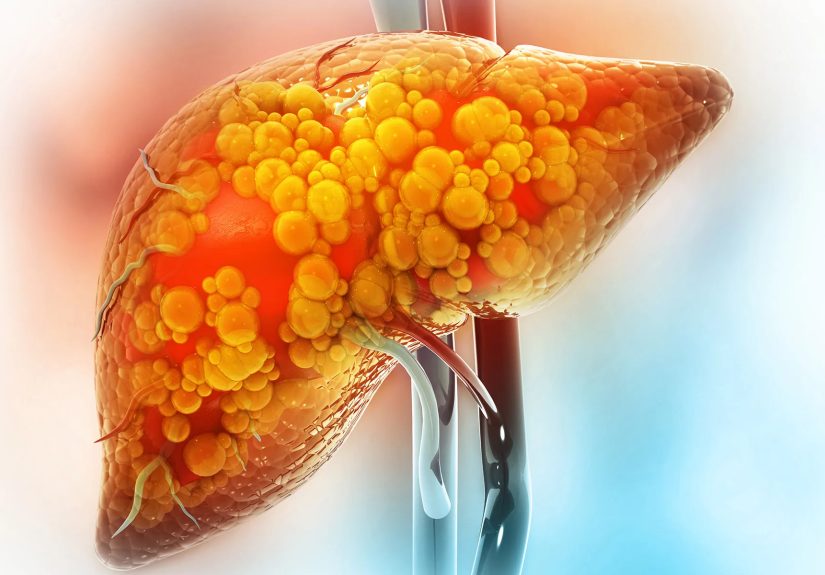
When people compare alcohol-related liver disease and non-alcohol-related liver disease, they are usually talking about two major causes of fatty liver and liver damage. One is driven mainly by alcohol exposure. The other is most often linked to metabolic problems such as obesity, insulin resistance, type 2 diabetes, high triglycerides, or high blood pressure. In current medical language, the non-alcohol-related form is often called MASLD (metabolic dysfunction-associated steatotic liver disease), a newer name for what many readers still know as NAFLD.
They can look similar on a scan. They can lead to similar complications. They can even overlap. But they do not start the same way, and they are not managed in exactly the same way. Understanding the difference matters because the treatment strategy, risk profile, and recovery path can be very different.
What Is the Main Difference?
The biggest difference is the driver of liver injury.
| Condition | Main Driver | Common Early Form | Possible Progression |
|---|---|---|---|
| Alcohol-related liver disease | Regular heavy alcohol use or harmful drinking patterns | Alcohol-related fatty liver | Alcohol-related hepatitis, fibrosis, cirrhosis, liver failure, liver cancer |
| Non-alcohol-related liver disease (usually MASLD/NAFLD) | Metabolic dysfunction such as obesity, diabetes, insulin resistance, abnormal cholesterol, high blood pressure | Fatty liver or steatosis | MASH/NASH, fibrosis, cirrhosis, liver failure, liver cancer |
In plain English: one liver gets injured because alcohol keeps showing up like an uninvited guest and eating the drywall. The other gets injured because metabolism has gone sideways and fat begins to build up inside liver cells.
Alcohol-Related Liver Disease: How It Develops
Alcohol-related liver disease, sometimes called ARLD or alcohol-associated liver disease, develops when alcohol causes inflammation, fat accumulation, and scarring in the liver. The spectrum usually begins with fatty liver, which can happen after repeated heavy drinking. That stage may cause no symptoms at all, which is unfortunate because silent damage is still damage.
If alcohol exposure continues, the disease can progress to alcohol-related hepatitis, where the liver becomes inflamed and injured. This stage can be mild, but it can also become severe and life-threatening. Over time, repeated injury may lead to fibrosis and then cirrhosis, which is permanent scarring that interferes with normal liver function.
Who is most at risk?
- People who drink heavily over months or years
- People with alcohol use disorder
- People who already have other liver stressors, such as hepatitis or fatty liver
- People with poor nutrition or certain metabolic risk factors
One important point: there is no magical “safe because it is wine” loophole. Beer, wine, and spirits all contain alcohol, and the liver cares far more about the amount than the branding.
Non-Alcohol-Related Liver Disease: What It Usually Means Today
When people say non-alcohol-related liver disease, they usually mean fatty liver disease not caused by heavy alcohol use. Traditionally, that was called NAFLD. Today, many experts use the term MASLD, which reflects the strong link to metabolic dysfunction.
MASLD happens when excess fat builds up in the liver in people who do not have heavy alcohol use as the main cause. The more serious inflammatory form is often called MASH (metabolic dysfunction-associated steatohepatitis), similar to the older term NASH. This is the stage where fat is not just sitting there quietly; inflammation and liver cell injury are happening too.
Common risk factors for MASLD
- Overweight or obesity
- Type 2 diabetes or prediabetes
- Insulin resistance
- High triglycerides
- High blood pressure
- Metabolic syndrome
- Sleep apnea and sedentary lifestyle
A person does not have to “look unhealthy” to develop MASLD. Some people are surprised to learn they have it after routine blood work or an ultrasound done for something completely unrelated. The liver loves an ambush diagnosis.
Can the Two Conditions Overlap?
Yes, and this is where the comparison gets more interesting. Real life rarely stays inside neat textbook boxes. Some people have metabolic risk factors and alcohol exposure. That means liver injury may come from both directions at once.
Newer terminology even recognizes overlap categories, because alcohol and metabolic dysfunction can work together like a very bad collaboration. A person with obesity, diabetes, and regular heavy drinking may progress faster than someone dealing with only one of those problems. That is why a complete medical history matters so much. Liver disease is not just about one lab value or one weekend of regrettable margaritas.
Symptoms: Why Both Conditions Can Be Sneaky
One of the most frustrating things about both alcohol-related and non-alcohol-related liver disease is that they may cause few or no symptoms early on. A person can feel mostly normal while fat, inflammation, or fibrosis quietly build in the liver.
Possible early symptoms
- Fatigue
- Mild discomfort in the upper right abdomen
- Feeling unwell without a clear reason
- Abnormal liver enzymes on routine blood tests
More advanced symptoms
- Jaundice, or yellowing of the eyes and skin
- Swelling in the belly or legs
- Easy bruising or bleeding
- Confusion or sleepiness related to liver failure
- Dark urine, pale stools, itching, poor appetite, weight loss
By the time these later symptoms appear, the disease may be advanced. That is one reason why screening and follow-up matter for people at higher risk.
How Doctors Tell the Difference
Diagnosing liver disease is not as simple as glancing at one blood test and declaring victory. Doctors usually combine several pieces of information:
- Medical history: alcohol use, weight history, diabetes, medications, family history
- Physical exam: signs of liver disease, obesity, swelling, tenderness
- Blood tests: liver enzymes, bilirubin, albumin, platelet count, clotting tests
- Imaging: ultrasound, CT, MRI, or elastography to estimate liver fat and stiffness
- Sometimes biopsy: to clarify inflammation, scarring, or competing causes
One key part of the evaluation is figuring out whether alcohol is the primary cause, a contributing cause, or not the main issue at all. That depends on honest history-taking, and yes, this is one of those moments when being “a little selective with the facts” is not helpful. Your liver is terrible at keeping secrets.
Which One Is More Dangerous?
Both can become serious. Neither deserves to be dismissed as “just fatty liver.” Alcohol-related liver disease may sometimes progress rapidly, especially when alcohol-related hepatitis develops. MASLD may move more quietly, but over years it can still lead to advanced fibrosis, cirrhosis, and liver cancer.
The danger depends less on the label alone and more on stage, severity, ongoing exposure, and other health conditions. A person with severe alcohol-related hepatitis can be critically ill. A person with long-standing diabetes and advanced MASH can also face major complications. In other words, this is not a contest anyone wants to win.
Treatment: Similar Destination, Different Road Map
The good news is that the liver has an impressive ability to recover, especially in earlier stages. The less cheerful news is that recovery usually requires actual changes, not just good intentions and one heroic salad.
Treatment for alcohol-related liver disease
- Complete alcohol cessation is the cornerstone
- Treatment for alcohol use disorder may be necessary
- Nutritional support is often important
- Management of hepatitis, cirrhosis, or complications may require specialty care
- In severe cases, hospitalization or liver transplant evaluation may be needed
For alcohol-related disease, cutting back is often not enough. In many cases, the recommendation is to stop drinking entirely, because even continued “social” drinking can keep liver injury going.
Treatment for non-alcohol-related liver disease
- Weight loss if overweight or obese
- Regular physical activity
- Improved nutrition, especially reducing excess sugar and refined carbs
- Better control of diabetes, cholesterol, and blood pressure
- Avoiding unnecessary liver stressors, including excess alcohol
For many people with MASLD, even modest weight loss can improve liver fat. Greater weight loss may reduce inflammation and fibrosis risk. The goal is not perfection. The goal is direction.
Specific Examples That Make the Difference Clear
Example 1: A 46-year-old man drinks heavily most evenings and has elevated liver enzymes. An ultrasound shows fatty liver. If alcohol is the primary driver, the main diagnosis may be alcohol-related liver disease. The most important treatment step is stopping alcohol and addressing possible alcohol use disorder.
Example 2: A 52-year-old woman does not drink heavily but has obesity, high triglycerides, insulin resistance, and type 2 diabetes. Her scan also shows fatty liver. This picture fits better with MASLD. Her treatment centers on metabolic health, weight management, exercise, and diabetes control.
Example 3: A 50-year-old person has obesity, diabetes, and regular high alcohol intake. In that case, both metabolic dysfunction and alcohol may be contributing. The plan has to address both. The liver does not hand out partial-credit passes.
Prevention: What Actually Helps
The prevention strategies are not glamorous, but they work.
- Limit or avoid alcohol, especially if you already have liver disease
- Maintain a healthy body weight
- Exercise consistently, even before dramatic weight loss happens
- Manage diabetes, blood pressure, and cholesterol
- Get regular checkups if you have metabolic risk factors
- Talk to a clinician before using supplements marketed as “liver cleanses”
That last one matters. Many products sold as liver detox miracles are better at cleaning out wallets than repairing liver cells.
The Bottom Line
Alcohol-related liver disease and non-alcohol-related liver disease can end in the same dangerous place: fibrosis, cirrhosis, liver failure, and sometimes liver cancer. But they usually begin with different triggers. Alcohol-related disease is driven mainly by alcohol exposure. Non-alcohol-related disease, now commonly called MASLD, is usually driven by metabolic dysfunction.
That difference shapes everything from diagnosis to treatment. One path demands alcohol cessation as the central intervention. The other focuses heavily on weight loss, activity, and control of metabolic conditions. And in many patients, the two problems overlap, which makes a full, honest medical evaluation essential.
The encouraging part is that early-stage liver disease is often reversible or at least improvable. The liver may be hardworking, patient, and surprisingly forgiving. It is just not infinitely forgiving. At some point, even the body’s best employee files a complaint.
What the Experience Often Feels Like in Real Life
The lived experience of liver disease is often very different from the way it appears in medical articles. On paper, it starts with terms like steatosis, hepatitis, fibrosis, and cirrhosis. In real life, it often starts with confusion. Many people say they felt “basically fine” when abnormal liver enzymes first appeared. They went in for a routine physical, a diabetes follow-up, or a scan for stomach discomfort and suddenly heard the words “fatty liver.” That can be deeply unsettling, especially because liver disease often sounds severe even before a person understands the stage.
People with alcohol-related liver disease often describe a mix of fear, shame, and urgency. Some are shocked because they did not think their drinking was “that bad.” Others already knew alcohol was causing problems but had not connected it to the liver until symptoms became impossible to ignore. For many, the diagnosis is not only a medical turning point but also a psychological one. Stopping alcohol may involve withdrawal, counseling, support groups, medication, and rebuilding daily routines that once revolved around drinking. That makes recovery about far more than the liver alone.
People with non-alcohol-related liver disease often describe a different frustration: they may feel blamed for a disease they never saw coming. Some say, “But I do not even drink,” as if that should have guaranteed immunity. Others feel overwhelmed because the treatment plan overlaps with everything else they are already trying to manage, including weight, blood sugar, cholesterol, sleep, and exercise. MASLD can feel like a mirror held up to the entire metabolic system, not just one organ.
Another common experience is that symptoms can be vague and easy to dismiss. Fatigue gets blamed on stress. Belly discomfort gets blamed on diet. Brain fog gets blamed on poor sleep. That is why many patients remember the emotional experience of diagnosis more vividly than the physical symptoms themselves. The disease was quietly progressing while life carried on as usual.
For those who improve, the experience is often gradual rather than dramatic. Blood tests get a little better. Weight starts coming down. Energy improves. Ultrasound findings stabilize. A person notices they sleep better, move more easily, or no longer feel quite so frightened at every follow-up visit. Progress in liver health is often measured in months, not motivational quotes. But it is real progress.
Families are part of this story too. Loved ones may help with meal changes, rides to appointments, alcohol-free homes, medication routines, and emotional support. In that sense, liver disease is rarely a solo experience. It tends to expose habits, stress, and health patterns across an entire household. The hardest part for many people is not hearing the diagnosis. It is accepting that meaningful improvement usually requires sustained change. The hopeful part is that those changes can work.