Table of Contents >> Show >> Hide
- What Is an ACTH Hormone Stimulation Test?
- Why Doctors Order an ACTH Stimulation Test
- How the ACTH Stimulation Test Works
- How to Prepare for the Test
- ACTH Stimulation Test Procedure: Step by Step
- Risks and Side Effects
- Understanding ACTH Stimulation Test Results
- What Happens After the Test?
- When Results Need Extra Caution
- Practical Questions Patients Often Ask
- Patient and Real-World Experiences With the ACTH Stimulation Test
- Conclusion
If your doctor has mentioned an ACTH hormone stimulation test, you may already be deep in the land of cortisol, adrenal glands, and medical terms that sound like they were invented to intimidate normal people. The good news is that this test is actually pretty straightforward. It is designed to check whether your adrenal glands can respond properly when they receive a signal to make cortisol, one of the body’s most important stress-response hormones.
Also called the cosyntropin stimulation test or ACTH stimulation test, this exam is commonly used when a provider suspects adrenal insufficiency, including Addison’s disease. In some cases, it may also help evaluate certain forms of congenital adrenal hyperplasia. Think of it as a performance review for your adrenal glands. They get the signal, and the test checks whether they show up and do their job.
Below, you will learn what the ACTH stimulation test is for, how it works, what happens during the appointment, what the results may mean, and what many patients experience before, during, and after the test.
What Is an ACTH Hormone Stimulation Test?
An ACTH stimulation test measures how well your adrenal glands respond to adrenocorticotropic hormone, usually in the form of a synthetic medication called cosyntropin. ACTH is normally made by the pituitary gland, and its job is to tell the adrenal glands to produce cortisol.
Cortisol helps regulate blood pressure, blood sugar, metabolism, inflammation, and the body’s response to physical stress. When cortisol production is too low, people may develop symptoms such as fatigue, weakness, dizziness, nausea, weight loss, low blood pressure, salt craving, and in some cases darker skin changes. When that possibility is on the table, an ACTH stimulation test can help clinicians figure out whether the problem lies in the adrenal glands themselves or elsewhere in the hormone-signaling pathway.
Why Doctors Order an ACTH Stimulation Test
The biggest reason for this test is to evaluate low cortisol or suspected adrenal insufficiency. Your doctor may recommend it if you have ongoing symptoms that suggest your body is not making enough cortisol, especially if a morning cortisol blood test looks low or borderline.
Common reasons the test is ordered
Providers may use the ACTH stimulation test to help assess:
- Primary adrenal insufficiency, in which the adrenal glands are damaged and cannot make enough cortisol
- Secondary adrenal insufficiency, in which the pituitary does not send enough ACTH
- Tertiary adrenal insufficiency, often related to hypothalamic or steroid-related suppression
- Addison’s disease, a classic form of primary adrenal insufficiency
- Congenital adrenal hyperplasia, especially certain enzyme-related forms
- Follow-up evaluation when symptoms and lab findings do not line up neatly
This test is especially useful because symptoms of adrenal disorders can be annoyingly vague. Fatigue, dizziness, nausea, and low energy can come from all kinds of conditions. The ACTH stimulation test helps move the conversation from “something feels off” to “here is how your adrenal glands responded under testing.”
How the ACTH Stimulation Test Works
The logic is simple. First, your provider checks your baseline cortisol level. Then you receive synthetic ACTH. After that, your blood is drawn again at set times to see whether cortisol rises the way it should.
If your adrenal glands are healthy and able to respond, cortisol should increase after stimulation. If the rise is weak or absent, that may suggest adrenal insufficiency or another issue affecting the hypothalamic-pituitary-adrenal axis.
Why timing matters
Most protocols collect blood before the injection and then again about 30 minutes and/or 60 minutes later. The test is often done in the morning because cortisol naturally follows a daily rhythm and tends to be highest earlier in the day. In real life, that means you may get asked to show up when the coffee is still judging you from across the room.
How to Prepare for the Test
Preparation varies a little by clinic, so your provider’s instructions always win. Some people are told to fast for several hours, while others do not need special preparation. In some cases, clinicians may ask patients to avoid unusually intense exercise the day before or to eat more carbohydrates in the prior 12 to 24 hours.
Important medication reminders
Some medicines can affect test accuracy. These may include:
- Hydrocortisone, prednisone, dexamethasone, or other glucocorticoids
- Spironolactone
- Estrogen-containing medications in certain situations
- Other drugs or supplements your clinician believes could change cortisol results
Do not stop any prescription medicine on your own. That is not a bold move. That is a bad plan. Only hold or adjust medications if the clinician ordering the test specifically tells you to do so.
ACTH Stimulation Test Procedure: Step by Step
The test is usually done in an outpatient clinic, infusion center, hospital lab, or endocrinology office. It often takes around 30 minutes to 2 hours depending on the exact protocol.
What usually happens during the appointment
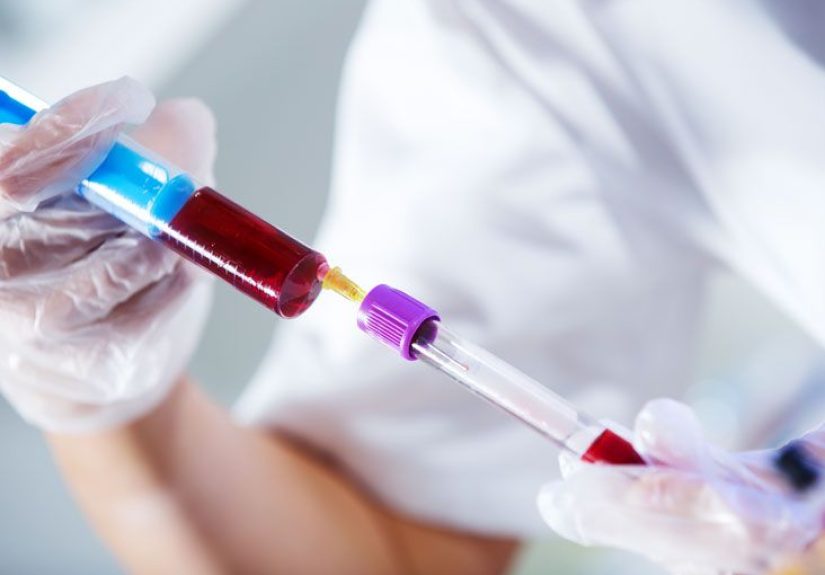
- A nurse or technician places an IV or draws the first blood sample.
- Your baseline cortisol level is measured, and sometimes ACTH or related hormones are checked too.
- You receive synthetic ACTH, also called cosyntropin, by IV or injection depending on the protocol.
- Additional blood samples are taken after 30 minutes, 60 minutes, or both.
- The samples are sent to a lab for analysis.
That is the whole test in a nutshell: baseline, stimulation, repeat labs, interpretation. No dramatic plot twist, no mystery machine, and no need to train for it like a marathon.
What the test feels like
Most people describe it as mildly inconvenient rather than painful. The blood draw may sting, and the injection can cause brief discomfort. Some patients report temporary flushing, nausea, nervousness, or feeling a little lightheaded. Bruising at the blood draw site is also possible. Serious reactions are uncommon, but providers still monitor for them.
Risks and Side Effects
The ACTH stimulation test is generally considered safe. The most common issues are the ordinary annoyances that come with needles and blood work.
Possible minor side effects
- Bruising or tenderness at the blood draw site
- Lightheadedness or faint feeling
- Nausea or flushing after the injection
- Mild swelling or redness where the injection was given
Less common but important concerns
As with any injection or IV, there is a small risk of bleeding, infection, or hematoma. Rare allergic or hypersensitivity reactions to cosyntropin have been reported. That is one reason the test is performed in a medical setting rather than at your kitchen table next to a toaster and misplaced optimism.
Understanding ACTH Stimulation Test Results
This is the part everyone cares about: did the adrenal glands respond normally or not?
What a normal result usually means
A normal result means cortisol rises appropriately after synthetic ACTH. In plain English, your adrenal glands heard the signal and reacted the way they were supposed to. Traditionally, many labs considered a peak cortisol around 18 to 20 mcg/dL after stimulation to be reassuring, but newer lab methods may use lower assay-specific cutoffs, often around 14 to 15 mcg/dL depending on the testing platform. That is why your provider should interpret the result using the exact lab’s reference range rather than a random number from the internet.
What an abnormal result may suggest
If cortisol does not rise enough, the result may point toward adrenal insufficiency. The pattern matters:
- Primary adrenal insufficiency: cortisol is low and fails to rise properly because the adrenal glands are damaged or not functioning well
- Secondary adrenal insufficiency: cortisol may also be low, but the underlying problem is reduced ACTH signaling from the pituitary
- Tertiary adrenal insufficiency: reduced signaling may come from the hypothalamus or suppression after long-term steroid use
Here is the important catch: a single ACTH stimulation test may not catch recent secondary adrenal insufficiency. Early in the process, the adrenal glands may still be able to respond normally, even though the pituitary signal has been too low. In those cases, a doctor may order follow-up testing such as an insulin tolerance test, CRH stimulation test, or additional hormone and imaging studies.
What about congenital adrenal hyperplasia?
In some patients, especially when clinicians suspect certain forms of congenital adrenal hyperplasia, the test may be paired with measurements of hormones such as 17-hydroxyprogesterone. The goal is not only to see whether cortisol rises, but also whether steroid precursors become abnormally elevated after stimulation.
What Happens After the Test?
Most people can go back to their normal day right after the appointment unless their clinician says otherwise. You might have a small bandage on your arm, a tiny bruise, and a strong desire for breakfast if you had to fast. Results may return quickly in some systems, while in others they may take several days.
If the test suggests adrenal insufficiency, your provider may order more blood work, antibody testing, renin and aldosterone testing, or imaging such as a CT scan of the adrenal glands or an MRI of the pituitary. The ACTH stimulation test is a major clue, but it is often one piece of a larger diagnostic puzzle.
When Results Need Extra Caution
Some test results are not cleanly normal or abnormal. Borderline values happen. Medication interference happens. Lab methods differ. Human bodies, as always, refuse to behave like neat spreadsheets.
Your doctor may interpret the result alongside:
- Morning cortisol
- ACTH level
- Sodium and potassium levels
- Renin and aldosterone
- Steroid use history
- Symptoms and blood pressure findings
- Imaging of the pituitary or adrenal glands
This broader picture is especially important when symptoms are strong but the stimulation test looks only mildly abnormal or even deceptively normal.
Practical Questions Patients Often Ask
Is the ACTH stimulation test the same as a regular ACTH blood test?
No. A regular ACTH blood test measures the ACTH already circulating in your blood. An ACTH stimulation test checks how your adrenal glands respond after you receive synthetic ACTH.
Is it painful?
Usually not beyond typical needle-related discomfort. Most people tolerate it well.
Can I drive home afterward?
In most cases, yes. But if you are prone to fainting with blood draws or feel unwell afterward, it helps to have a backup plan.
Does a normal test rule everything out?
Not always. It strongly helps assess adrenal function, but recent secondary adrenal insufficiency or certain borderline situations may require more evaluation.
Patient and Real-World Experiences With the ACTH Stimulation Test
Medical articles often describe the ACTH stimulation test like it is a neat, elegant lab protocol. Real life feels a bit different. Most people arrive at the appointment tired, curious, and mildly annoyed that so many hormone tests seem to happen before breakfast. That emotional side matters because the experience of the test can shape how patients remember the entire diagnostic process.
One of the most common experiences people report is relief at how simple the procedure actually is. Many walk in expecting something dramatic and leave thinking, “That was it?” The biggest hassle is usually the waiting between blood draws. For patients who dislike needles, the hardest part is not the hormone itself but the repeated blood sampling. A good phlebotomist can make the day feel manageable. A difficult IV start can make it feel like the universe is testing more than just cortisol.
Another common experience is the emotional weight of waiting for answers. People who need this test are often already dealing with months of fatigue, dizziness, unexplained nausea, brain fog, low blood pressure, or repeated episodes of feeling awful without a clear reason. By the time they get to an ACTH stimulation test, many are hoping for clarity. Some feel validated when the test shows an abnormal response because it confirms that the symptoms were not “just stress” or “just being tired.” Others feel frustrated when results are borderline and more testing is needed.
Patients also describe the appointment differently depending on why they are being tested. Someone with suspected Addison’s disease may come in after significant weight loss, salt craving, darkening of the skin, or scary episodes of weakness. Someone else may be evaluated after long-term steroid use and worry whether their adrenal glands have gone off duty. Parents bringing a child for testing may be anxious about every minute of the visit, even when the child bounces back faster than the adults in the room.
Physically, the most common experiences are pretty mild: a sting from the needle, a warm flushed feeling after the injection, or slight nausea that passes quickly. Some people feel nothing unusual at all. A few say the fasting was worse than the test itself, which is a very honest review of medicine in general.
What many patients remember most is not the injection but the conversation afterward. A careful explanation from an endocrinologist can make a huge difference. Hearing that results may vary by lab method, that newer cortisol cutoffs exist, or that early secondary adrenal insufficiency can sometimes slip through standard testing helps patients understand why medicine is not always a simple yes-or-no game show. In real practice, the ACTH stimulation test often serves as the beginning of a clearer story rather than the final sentence.
That is why the best patient experience usually comes from a combination of accurate testing, clear instructions, and a provider who explains what the numbers actually mean. When those pieces come together, the ACTH stimulation test stops feeling like a mysterious hormone ritual and starts feeling like what it really is: a useful step toward answers.
Conclusion
The ACTH hormone stimulation test is one of the most important tools for evaluating adrenal gland function. It helps doctors investigate low cortisol, diagnose forms of adrenal insufficiency, and sometimes assess disorders such as congenital adrenal hyperplasia. The test is usually safe, reasonably quick, and more intimidating in name than in practice.
The most important thing to remember is that results are not one-size-fits-all. Interpretation depends on the lab method, timing, medications, symptoms, and the bigger clinical picture. A strong cortisol rise is reassuring, while a weak response may point toward adrenal insufficiency and the need for further evaluation. Either way, this test gives providers valuable information about how well your body responds when cortisol production is put to the test.