Table of Contents >> Show >> Hide
- Why an Old Hutch Top Makes the Perfect Curio Cabinet
- How to Evaluate an Abandoned Hutch Top Before You Bring It Home
- How to Turn a Hutch Top Into a Beautiful Curio
- Best Ways to Style a Hutch Top Curio
- Common Mistakes to Avoid
- Design Ideas for Different Looks
- What People Love Most About This Kind of Makeover
- Experiences Related to “Abandoned Hutch Top Turned Curio”
- Conclusion
Some furniture gets a second chance. Other furniture gets a dramatic comeback complete with better lighting, prettier shelves, and a brand-new reason to exist. That is exactly what happens when an abandoned hutch top turns into a curio cabinet. What was once the overlooked upper half of a china hutch can become a charming display piece for dishes, books, pottery, seasonal décor, collectibles, or the tiny treasures you swear are “important design objects” and not just things you refused to throw away.
This kind of makeover works because it solves two problems at once: it rescues a neglected piece of furniture and adds stylish storage without the price tag of buying a new display cabinet. Better yet, it fits beautifully into today’s decorating habits. People want homes that feel personal, layered, and lived in, not like a showroom where nobody is allowed to breathe near the throw pillows. A repurposed hutch top curio delivers exactly that mix of function, character, and story.
If you have spotted a dusty hutch top at a thrift store, inherited one from a relative, or found one abandoned on a curb looking mildly offended by life, do not scroll past it. With the right approach, an old hutch top can become one of the most eye-catching pieces in your home.
Why an Old Hutch Top Makes the Perfect Curio Cabinet
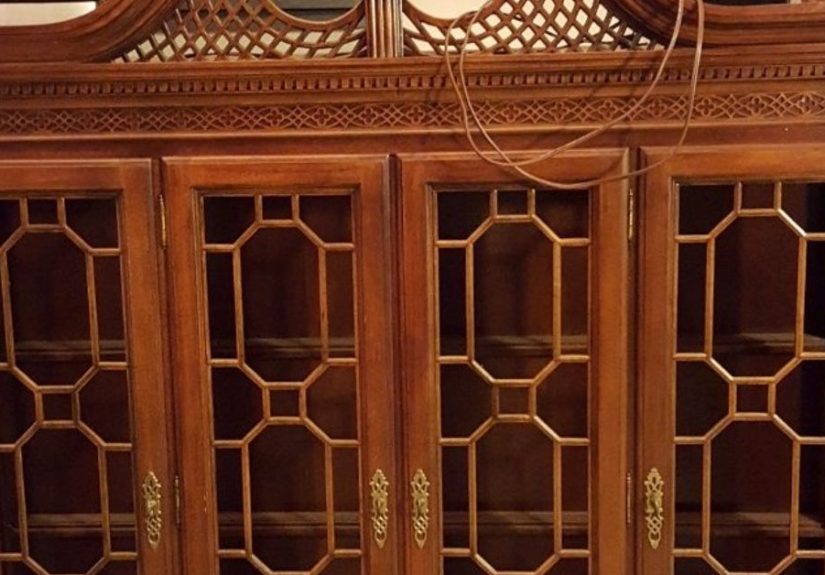
A hutch top already has the bones of a great display cabinet. It usually comes with shelves, framed doors, glass panels, and enough vertical shape to draw the eye upward. In other words, the hard part is done. You are not starting with random wood and a wild dream. You are starting with a structure that was designed to show things off.
That is what makes this project so appealing for DIY lovers and practical homeowners alike. Instead of replacing furniture, you are repurposing it. Instead of hiding it in a garage, you are giving it a visible role in your home. That is good for the budget, good for reducing waste, and very good for anyone who loves vintage charm without vintage chaos.
It adds character fast
New furniture can sometimes feel a little too perfect. A repurposed hutch top has age, texture, and a sense of history. Even after a fresh coat of paint, it still carries details newer pieces often lack, such as mullioned glass doors, decorative trim, or beautifully proportioned shelves.
It works in more rooms than you think
People often assume a curio cabinet belongs only in a dining room. Not anymore. A hutch top turned curio can work in a kitchen, hallway, bedroom, bathroom, office, or entryway. It can display ironstone in one home, books and framed photos in another, and plants plus handmade ceramics in a third. It is a flexible piece, which is design-speak for “you can move it around when you redecorate and pretend that was the plan all along.”
It supports a collected, personal look
The best interiors do not look like they were ordered in one click. They feel collected over time. A vintage display cabinet helps create that feeling because it invites you to curate what matters: heirlooms, flea market finds, travel objects, glassware, baskets, mini sculptures, or even favorite cookbooks.
How to Evaluate an Abandoned Hutch Top Before You Bring It Home
Before you fall in love with the potential, take a practical look at the piece itself. A little cosmetic wear is normal and usually fixable. Structural problems are more serious.
Check the frame
Make sure the cabinet is sturdy and square. Gently rock it. If it wobbles, inspect the joints. Loose joints may be repairable, but severe damage can turn a fun project into a long-term relationship with wood glue and regret.
Inspect the doors and glass
Doors should open and close properly. Glass panels should be intact and secure. Missing glass is not always a deal breaker, but it does add cost and effort. If the hardware is old but functional, that is often a win. Original hardware can add character, and if it is not your style, swapping knobs or pulls is one of the easiest upgrades you can make.
Look for surface issues
Scratches, dull finishes, outdated stain colors, or worn paint are usually fixable. Water damage, deep rot, active mold, or a strong odor that will not quit are bigger warning signs. A cabinet that smells like a basement from 1987 may not be the romantic antique fantasy you had in mind.
How to Turn a Hutch Top Into a Beautiful Curio
1. Clean it like you mean it
Old cabinets collect grease, dust, and mystery grime. Start with a thorough cleaning so your primer and paint can actually stick. Wipe down every surface, including shelves, trim, and door frames. Remove loose dirt and residue before doing anything else.
2. Sand for better adhesion
You do not always need to strip a piece to bare wood, but you do need to scuff the finish so new coatings adhere properly. Sand flat surfaces and detailed edges carefully, then vacuum and wipe away dust. This step is not glamorous, but neither is peeling paint six weeks later.
3. Repair the little flaws
Fill dents, scratches, or small chips with wood filler or spackle suitable for painted furniture. Caulk visible seams if needed for a cleaner finish. Tighten hinges and check that the shelves sit level. Small repairs make a big difference in the final result.
4. Prime before painting
Primer helps with adhesion, blocks stains, and creates a more even finish. This matters especially if the cabinet has a glossy surface, dark wood tone, or old finish. A quality primer can save you from needing extra coats of paint later.
5. Pick a finish that matches your style
Paint is the makeover move that changes everything. Soft white creates a classic farmhouse look. Black feels dramatic and modern. Sage green, muted blue, and warm taupe can make an old cabinet feel current without stripping away its vintage appeal. If you prefer natural wood, you can refinish rather than paint and let the grain take center stage.
6. Upgrade the back panel
One of the smartest ways to make a hutch top feel custom is to treat the back panel like a design opportunity. Add wallpaper, a contrasting paint color, beadboard, or even a subtle stencil. This gives the cabinet depth and helps displayed objects stand out.
7. Swap hardware and consider lighting
New knobs or pulls can instantly modernize the piece. If you really want it to look like a star, add small battery-operated puck lights or LED strips inside. Suddenly your thrift-store find looks like it charges admission.
Best Ways to Style a Hutch Top Curio
Once the cabinet is finished, styling is what turns it from “nice project” into “where did you get that?” Keep the display balanced, layered, and edited. A curio cabinet is not a storage dump. It is a curated visual story.
In the dining room
Use it for dishes, glassware, serving bowls, and a few decorative pieces. Mix useful items with beautiful ones. Stacks of plates, vintage goblets, and a small framed print can make the display feel warm instead of overly formal.
In the kitchen
Display mugs, cookbooks, pottery, cake stands, or pantry pretties in attractive jars. A hutch top curio in a kitchen works especially well when the contents are both practical and beautiful.
In the living room
Style it with books, baskets, ceramics, candles, and small collected objects. Vary the heights and shapes. Leave some breathing room so it does not feel crowded.
In a bedroom or hallway
Try perfume bottles, jewelry dishes, folded linens, framed photographs, or travel keepsakes. A smaller hutch top can become a lovely memory cabinet that adds personality without taking over the room.
Seasonal styling ideas
One of the joys of a curio cabinet is that it can change with the seasons. In spring, fill it with greenery and light ceramics. In fall, bring in amber glass, small pumpkins, and woven textures. During the holidays, it can become a beautiful stage for ornaments, garlands, and candlelight.
Common Mistakes to Avoid
Overfilling the shelves
Just because the cabinet can hold a lot does not mean it should. Too many objects make the display feel cluttered. Group pieces in odd numbers, vary the scale, and leave negative space.
Skipping prep work
Cleaning, sanding, and priming are the boring part, but they are what separate a lasting makeover from a flaky one. Prep is the difference between “beautifully restored” and “why is the paint peeling off in strips?”
Ignoring proportion
If the cabinet is top-heavy, be thoughtful about where and how it sits. Make sure it is stable, especially in homes with kids or pets. Anchoring it to the wall may be the smartest move.
Choosing trendy over timeless
It is fine to add personality, but choose a finish you will enjoy for more than one season. The cabinet itself likely has classic lines, so it helps to work with that instead of fighting it.
Design Ideas for Different Looks
Modern farmhouse
Paint the cabinet soft white or warm greige, add black hardware, and style it with ironstone, baskets, and wood accents.
Cottage style
Use a soft blue, pale green, or creamy neutral. Add floral wallpaper to the back and display mismatched dishes, teacups, and vintage glassware.
Moody vintage
Go with charcoal, deep green, or matte black. Add brass hardware and fill the shelves with dark pottery, old books, framed art, and collected curiosities.
Minimal and modern
Keep the finish clean and simple, maybe natural wood or crisp black, and display only a few sculptural objects. Less clutter, more statement.
What People Love Most About This Kind of Makeover
The best part of an abandoned hutch top turned curio is not just the money saved, though that is certainly nice. It is the transformation itself. There is something deeply satisfying about taking a forgotten piece and giving it a new purpose. The cabinet becomes more than furniture. It becomes proof that style does not always come from buying new, and that good design often begins with seeing potential where others see junk.
It also creates emotional value. A repurposed cabinet can hold family dishes, travel finds, children’s keepsakes, or handmade objects that would otherwise live in boxes. Once styled, it becomes a little gallery of everyday life. And that is what makes it memorable.
Experiences Related to “Abandoned Hutch Top Turned Curio”
One of the most relatable experiences with a project like this starts before the makeover even begins. It starts with spotting the piece somewhere unglamorous: leaning against a garage wall at an estate sale, sitting by a curb with a “free” sign, or buried in the back of a thrift store under enough dust to qualify as archaeological material. At first glance, the hutch top looks tired. The finish is scratched, the glass is cloudy, and the hardware is either dated or hanging on by optimism alone. But there is usually one small detail that changes everything: the shape of the doors, the graceful trim, the color of the wood underneath the grime, or the simple realization that this thing still has good bones.
Then comes the cleanup stage, which is never glamorous but is strangely satisfying. As the cabinet is wiped down, the details start to appear. The trim suddenly looks elegant instead of fussy. The shelves begin to feel useful. The glass starts reflecting light again. This is often the moment when the project shifts from “maybe this will work” to “oh, this could actually be beautiful.” It is also the stage where most people start mentally redecorating an entire room around a cabinet they had not planned to own six hours earlier.
Painting or refinishing the hutch top is another experience people talk about because it changes the emotional tone of the piece so quickly. A dark, heavy cabinet can become airy and bright with soft white paint. A bland piece can become rich and dramatic in deep green or black. Adding wallpaper to the back panel often feels like the magic trick. Suddenly the cabinet has personality. Suddenly it looks intentional. Suddenly the old hutch top no longer feels like the upper half of something missing. It feels complete on its own.
And then there is the styling experience, which might be the most personal part of all. This is where the cabinet becomes a reflection of the home and the person living in it. Some people fill it with inherited china and feel a connection to family history every time they walk by. Others turn it into a rotating display for pottery, cookbooks, framed photos, candles, or seasonal décor. Many discover that the cabinet does something unexpected for the room: it slows the space down. It creates a focal point that feels thoughtful. It invites editing, arranging, and rearranging. In a world of fast furniture and disposable trends, that feels surprisingly grounding.
What makes the experience memorable is not just the final “before and after” moment. It is the feeling of rescuing something and making it relevant again. It is realizing that a castoff piece can become one of the most complimented items in the house. It is hearing guests ask where it came from and enjoying the satisfaction of saying it used to be abandoned. A project like this proves that style is not only about buying better things. Sometimes it is about seeing old things better.
Conclusion
An abandoned hutch top turned curio is more than a clever furniture flip. It is a practical, stylish way to add storage, character, and personality to a home. With proper prep, a thoughtful finish, and well-edited styling, an old hutch top can become a standout display cabinet that feels collected rather than purchased. It is budget-friendly, sustainable, and full of charm. Best of all, it reminds us that some of the most beautiful things in a home begin as the pieces nobody else wanted.