Table of Contents >> Show >> Hide
- What Makes a Finnish Spa Feel Modern?
- The Design Language of a Modern Spa in Finland
- Why the Finnish Approach Feels Different From Luxury Spa Culture Elsewhere
- Real Examples That Shape the Modern Finnish Spa Idea
- Health, Relaxation, and the No-Nonsense Wellness Mindset
- How to Experience a Modern Spa in Finland Like You Mean It
- A Longer Experience: One Winter Day at a Modern Spa in Finland
- Conclusion
If your mental image of a spa involves cucumber slices, whale music, and a fluffy robe so white it could blind a seagull, Finland would like a word. A modern spa in Finland is a different creature entirely. It is cleaner in spirit, bolder in design, and far more connected to nature than the average “relaxation lounge” with suspiciously scented water. In Finland, the spa experience grows out of sauna culture, and sauna culture is not some passing wellness trend. It is part of daily life, part of architecture, part of social ritual, and part of the national personality.
That is what makes the Finnish version so compelling. A modern Finnish spa is not trying to feel extravagant in an overdecorated way. It aims to feel honest. Warm wood, dim light, cold water, quiet air, and an almost shocking respect for simplicity do the heavy lifting. The result is a spa experience that feels contemporary without becoming cold, luxurious without becoming fussy, and deeply restorative without acting like it invented relaxation five minutes ago.
What Makes a Finnish Spa Feel Modern?
The word modern in Finland does not mean shiny for the sake of being shiny. It means thoughtful design, efficient use of space, environmental awareness, and a seamless relationship between built form and landscape. A modern spa in Finland takes old sauna traditions and reworks them for contemporary life. It may sit on a rocky shoreline in Helsinki, float near a harbor, hide among pines in Lakeland, or overlook snowy wilderness in Lapland. But no matter where it stands, the same design logic usually appears: let nature lead, then build something calm enough not to interrupt it.
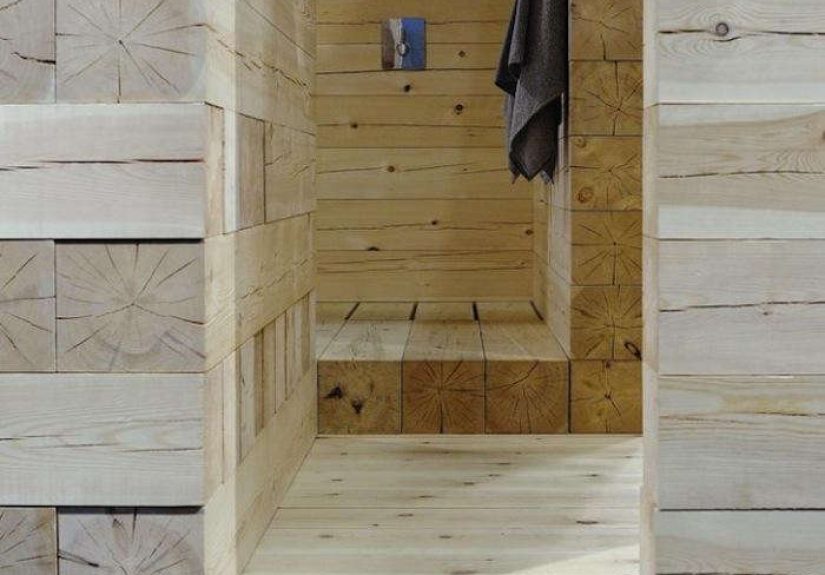
This is why many of Finland’s most admired spa spaces look more like beautifully restrained architecture than theatrical wellness playgrounds. Timber cladding, stone surfaces, matte black accents, glass walls, and soft lighting are common choices. The palette is quiet. The layout is purposeful. Nothing is there just to show off. If a room has a panoramic window, it is there to pull the outdoors into the ritual. If a stairway leads directly to icy water, that is not a dramatic flourish. That is the point.
The Sauna Is Still the Star
At the heart of the modern Finnish spa is the sauna. Always the sauna. Finland’s wellness identity is built around heat, steam, and the rhythm of warming up and cooling down. Modern spa facilities may add plunge pools, treatment rooms, lounge decks, herbal teas, refined dining, and sleek changing areas, but the soul of the experience remains the sauna cabin itself. In practical terms, the sauna is not simply one amenity among many. It is the organizing principle.
That cultural foundation matters. In many countries, the sauna is an optional extra tucked near the gym, usually ignored until someone decides to “be healthy” for exactly 11 minutes. In Finland, it is central. That gives modern Finnish spas a different emotional tone. They do not feel like commercial trend factories. They feel like contemporary expressions of something older, sturdier, and more communal.
Cold Water Is Part of the Luxury
This is the moment where many first-time visitors discover that Finnish wellness has a mischievous side. Heat alone is not the whole story. Modern spa culture in Finland often includes contrast therapy: a hot sauna followed by a cold plunge, cold shower, sea dip, lake swim, or, for the especially committed, a roll in the snow. To outsiders, this may sound less like wellness and more like an argument with the weather. To Finns, it is balance.
The beauty of the modern Finnish spa lies in how elegantly it choreographs this contrast. You sit in a warm, timber-lined room until your shoulders loosen and your brain stops trying to send emails. Then you step out into crisp air, meet the cold, and suddenly feel startlingly awake. The sequence is simple, almost primal, but when it is designed well, it feels cinematic. Not in a red-carpet way. In a “my entire nervous system just rebooted” way.
The Design Language of a Modern Spa in Finland
Finnish design is famous for doing more with less, and modern spa architecture is one of its clearest examples. Instead of overwhelming visitors with visual noise, Finnish spas tend to let atmosphere emerge through proportion, texture, and restraint. The building itself becomes part of the treatment.
Wood, Stone, Glass, and Light
Wood is the emotional anchor of many Finnish spa interiors. It holds warmth visually and physically, and it softens spaces that might otherwise feel severe. Pale spruce, warm pine, darker smoked finishes, and slatted timber walls all appear frequently. Stone adds grounding. Glass creates openness. Light is handled carefully, often kept low and indirect so the body does not feel overstimulated. Even the best modern Finnish spas understand a simple truth: no one fully relaxes under the glare of lighting that feels borrowed from an office copier room.
In standout projects around Helsinki, designers use timber skin, terraced decks, and low-slung forms that sit gently against the shoreline rather than dominate it. The architecture often guides guests from bright social zones into darker, quieter bathing paths. This gradual transition matters. The space itself tells your body to slow down before the heat even begins to work.
Nature Is Not a Backdrop
One reason a modern spa in Finland feels so distinct is that the natural setting is not decoration. It is part of the operating system. The sea, the lake, the snow, the rocks, the pines, the wind, the shifting light of the Nordic sky: all of these are active ingredients in the experience. A rooftop terrace is not just a place for photographs. It is a recovery zone. A dock is not just a structural detail. It is the bridge between sauna heat and cold-water revival.
That is also why Finnish spas often feel emotionally spacious even when the building footprint is relatively compact. The architecture is doing less because the landscape is doing more. It is very hard to feel trapped in modern stress when a sheet of Baltic water is right there reminding you that nature does not care about your overflowing inbox.
Why the Finnish Approach Feels Different From Luxury Spa Culture Elsewhere
Many luxury spas around the world sell escape. Finland sells return. Return to the body. Return to rhythm. Return to quiet. Return to elemental things that are easy to forget in a screen-heavy life. This makes the experience feel less performative. You are not there to be dazzled by a gold-plated fruit plate. You are there to sweat, breathe, cool off, and settle down.
There is also a democratic quality to Finnish spa culture that gives modern spaces unusual warmth. Public saunas are part of the tradition, and the culture around them tends to value equality, practical comfort, and shared experience. That spirit shapes even polished contemporary venues. A beautifully designed spa in Finland may absolutely be stylish, but it rarely feels snobbish. The atmosphere says, “Please relax,” not, “Please admire how expensive relaxing is.”
Minimalism Without Sterility
The best modern Finnish spas avoid the biggest trap of modern design: becoming so minimal that they feel emotionally vacant. Finland gets around this by designing for sensation rather than spectacle. Warm surfaces, steam, water, quiet acoustics, and tactile materials keep the space human. The minimalism is lived-in, not museum-like. It is edited, not empty.
This is particularly visible in Helsinki, where design-forward public sauna destinations have helped redefine the city’s image. Instead of treating the sauna as a quaint cultural relic, these places present it as fully contemporary. Sea views, restaurant spaces, terraces, and clean-lined architecture make the experience attractive to design lovers, while the core ritual remains unmistakably Finnish.
Real Examples That Shape the Modern Finnish Spa Idea
Any article about a modern spa in Finland would be incomplete without mentioning the spaces that have become modern icons.
Löyly in Helsinki is perhaps the clearest symbol of this new chapter. Its sculptural timber exterior, sea-facing saunas, and carefully sequenced interior spaces show how architecture and ritual can work together. It feels contemporary, but never detached from the coastal landscape around it.
Allas Sea Pool offers another take on modern Finnish wellness by linking year-round outdoor bathing with urban waterfront life. It captures something important about Finland’s spa culture: the experience does not have to be isolated from the city to feel restorative. In fact, the contrast between urban energy and cold-water calm can heighten the effect.
Lonna Sauna demonstrates how even smaller settings can feel deeply atmospheric when history, island geography, and modern design are allowed to coexist. And beyond the capital, places like Tampere, often celebrated for its deep sauna culture, remind visitors that Finland’s modern wellness scene grows from a very old public-bathing tradition rather than a newly packaged lifestyle idea.
Luxury hotels have also joined the conversation. High-end properties in Helsinki and Finnish Lapland increasingly integrate Finnish saunas and spa suites into their design language, proving that contemporary hospitality in Finland often treats the sauna not as a novelty but as an expectation.
Health, Relaxation, and the No-Nonsense Wellness Mindset
A modern Finnish spa is deeply appealing because it feels good, but it also benefits from being tied to a body of research around sauna bathing and heat exposure. Studies and expert commentary suggest that sauna use may support relaxation, circulation, cardiovascular health, muscle recovery, sleep, and general well-being. That said, Finnish wellness culture is at its best when it avoids miracle claims. It tends to understand heat and cold as supportive practices, not magical cheat codes for immortality.
What Sauna Can Do
Used sensibly, sauna bathing may help reduce stress, soothe sore muscles, and support a sense of calm that many people struggle to find in modern life. It also encourages something rare and useful: intentional stillness. You are sitting. You are breathing. You are not multitasking. Your phone is hopefully elsewhere, probably confused and slightly offended.
What Sauna Cannot Do
It is also worth clearing away the wellness fog machine. Sauna is not a substitute for medical care. Sweating is not a grand detox fantasy in which your poor decisions evaporate through your forehead. And cold plunging, while invigorating, is not a universal cure-all. The smartest modern spa culture in Finland acknowledges both the benefits and the limits. That practical realism is part of its charm.
In other words, the Finnish approach to wellness is refreshing because it is not desperate. It does not need to promise transformation in 48 hours. It simply offers a powerful ritual, beautifully framed, and lets the body do what it is often too busy to do: regulate, recover, and rest.
How to Experience a Modern Spa in Finland Like You Mean It
To really understand the modern Finnish spa, do not rush it. Give yourself time for multiple rounds of heat and cooling. Notice how the architecture changes your pace. Notice how quiet the good spaces feel. Notice how the materials hold warmth. Notice how different your breathing becomes after cold water. The best experience is not about maximizing treatments. It is about surrendering to the rhythm.
Bring patience. Bring water. Bring an openness to silence. And if you are lucky enough to visit in winter, bring respect for the cold. Finnish spa culture is not trying to pamper you into oblivion. It is trying to wake you up more gently than life usually does.
A Longer Experience: One Winter Day at a Modern Spa in Finland
You arrive in the late afternoon, when the Nordic light is already fading into blue-gray softness and the harbor looks like it has been sketched in charcoal. The building appears almost modest at first. No giant fountains, no marble lions, no dramatic perfume cloud drifting out the entrance. Just timber, clean lines, and a confidence so calm it does not need to shout. It is the architectural equivalent of someone who knows they are stylish and therefore owns exactly one excellent coat.
Inside, the temperature changes before you even reach the sauna. The lobby is warm but not sleepy. Shoes sound softer here. Voices lower themselves without being told. You move through a sequence of rooms that seem to shed the outside world one layer at a time. Reception. Changing room. Corridor. Bench. Towel. Steam drifting somewhere ahead. By the time you reach the bathing area, your day already feels farther away than it did ten minutes ago.
The first sauna session is all introduction. You sit on smooth timber and let the heat do its work slowly. No rush. No performance. A few other bathers sit nearby, quiet and self-contained. Someone adds water to the stones, and the steam rises with that deep, soft hiss that somehow sounds both ancient and precise. The heat presses gently at first, then more firmly, until your shoulders stop impersonating concrete and your breathing finds a better rhythm. Outside the window, the sea looks impossibly cold, which of course means that soon enough you will be marching toward it like a person who has made unusual but meaningful life choices.
When you step out, the air feels bright and sharp on your skin. You cross the deck, heart beating faster, and descend toward the water. This is the point where your inner monologue becomes extremely dramatic. Yet the plunge itself is brief. Cold hits like a bell: sudden, clear, undeniable. Then you are up again, laughing a little, stunned a little, fully awake in a way coffee can only dream about. Back on the deck, wrapped in a towel and winter air, you feel the strange Finnish miracle of simultaneous calm and aliveness.
The second round is different. The sauna no longer introduces itself. Now it feels familiar, almost companionable. Heat settles into the muscles more deeply. The contrast with the cold has tuned your body into a simpler frequency. You begin to understand why modern spas in Finland are designed around movement between states: warm and cool, dark and open, social and silent, built and natural. The architecture is not just sheltering the experience. It is teaching it.
Later, you rest with a cup of herbal tea or sparkling water, watching the last light flatten across the horizon. Around you, people move with the unhurried focus of those who have remembered something important. Nobody is trying to optimize themselves into a spreadsheet. Nobody is pretending the ritual needs excessive explanation. The spa does not ask you to become a new person. It simply gives you a few hours to become less fragmented.
By evening, the city lights begin to shimmer against the dark water, and the building glows from within like a lantern made of wood and steam. You leave warmer, quieter, and oddly steadier. That may be the real genius of a modern spa in Finland. It does not overwhelm you with luxury. It restores your sense of proportion. Heat, cold, silence, design, water, sky. The elements are simple. The feeling is not. And once you have experienced it properly, it becomes very hard to go back to wellness spaces that seem to think true relaxation can be achieved with scented candles and a playlist called Forest Mood No. 7.
Conclusion
A modern spa in Finland is more than a beautiful place to unwind. It is a cultural experience shaped by sauna tradition, cold-water contrast, Nordic design, and a deep respect for nature. What makes it memorable is not just the visual elegance, though there is plenty of that. It is the way the entire experience feels coherent. The architecture supports the ritual. The ritual supports the body. The landscape supports the mind. Nothing is random, and almost nothing is excessive.
In a world crowded with wellness buzzwords and expensive gimmicks, Finland offers a refreshingly grounded alternative. Its modern spas feel current because they know where they come from. They are sleek without losing soul, luxurious without becoming ridiculous, and restorative without pretending to be magic. That is exactly why they linger in the imagination long after the steam clears.