Table of Contents >> Show >> Hide
- Quick navigation
- What microneedling is (and isn’t)
- How microneedling works
- Types of microneedling
- Benefits: what microneedling can help
- Results timeline: when you’ll see changes
- Microneedling cost in the U.S.
- Side effects and risks
- Who should avoid or postpone microneedling
- How to choose a safe provider
- Prep and aftercare (the part that makes or breaks results)
- FAQ
- Experiences: what people commonly notice (and wish they’d known)
- 1) The “I look sunburned… but in a controlled way” first day
- 2) Day two and three: “Why is my face suddenly… thirsty?”
- 3) The “glow window” is real, but it’s not instant
- 4) Acne-scar patients often describe “slow improvement, then suddenly I notice it”
- 5) The “budget reality check”
- 6) Melasma and pigment-prone skin: cautious optimism
- 7) Tiny lifestyle tweaks that people say helped
- Final thoughts
Microneedling sounds like something a medieval barber would pitch right before “the leeches.” In reality, it’s a modern, dermatologist-loved
procedure that uses tiny, sterile needles to create controlled micro-injuries in the skinso your body kicks off its repair process and builds
fresh collagen. Translation: smoother texture, softer lines, and a less “I survived high school acne” vibe.
But (because skincare is never just “do the thing, glow forever”), microneedling has real costs, real benefits, and real side effects. This guide
breaks down what it is, what it can (and can’t) do, how much microneedling costs in the U.S., what recovery feels like, and how to avoid the most
common mistakeslike booking a session the day before a beach trip and then being shocked that your face is mad about it.
Quick navigation
- What microneedling is (and isn’t)
- How microneedling works
- Types of microneedling (standard, RF, PRP, at-home)
- Benefits: what it helps and who it’s for
- Results timeline: how many sessions you need
- Microneedling cost in the U.S.
- Side effects and risks
- Who should avoid or postpone microneedling
- How to choose a safe provider
- Prep and aftercare
- FAQ
- Experiences: what people notice (and wish they knew)
What microneedling is (and isn’t)
Microneedling (also called collagen induction therapy) is a minimally invasive procedure where a medical-grade device
repeatedly and precisely punctures the skin with tiny needles. The goal is not “damage,” it’s controlled stimulationtiny
micro-channels that tell your skin, “Hey, let’s rebuild.”
Microneedling is not the same as:
-
At-home rollers you found online: Some home devices can be used safely for very superficial cosmetic goals, but they typically
don’t reach the depths used for scars or significant texture issuesand hygiene mistakes can raise infection risk. -
Lasers: Lasers use light or heat energy. Microneedling is mechanical (needles). Some people prefer microneedling because it
can have a different risk profile, especially when done appropriately for various skin tones. - “A one-and-done miracle”: It’s usually a series, not a single appointment that erases your pores like a social media filter.
Most in-office microneedling sessions involve cleansing, a topical numbing cream, treatment with a sterile disposable needle cartridge, and
aftercare instructions that sound boring until you ignore them and realize your skin does, in fact, keep receipts.
How microneedling works
Your skin is basically a very sophisticated “fix it” machine. When microneedling creates micro-injuries, your body responds with a wound-healing
cascade: increased circulation, growth factors, andmost importantlynew collagen and elastin. Over the following weeks, that
remodeling can soften fine lines, improve texture, and reduce the look of certain scars.
Those micro-channels can also temporarily increase product penetration, which is why many clinics pair microneedling with serums. However, it’s
worth knowing that U.S. regulators have cautioned that combining microneedling devices with other products (like PRP, topical drugs, or cosmetics)
may carry additional unknowns depending on the device and productso this is an area where “professional guidance” matters more than vibes.
Types of microneedling
1) Standard professional microneedling (medical-grade “pen” devices)
This is the classic version. A powered device stamps needles into the skin at controlled depths. Depth is adjusted based on your goal (fine lines
vs. acne scars) and the area being treated (cheeks aren’t eyelids, and your provider should absolutely know that).
2) Radiofrequency (RF) microneedling
RF microneedling combines needles with heat energy delivered under the skin. It’s often marketed for skin tightening and texture.
Because it adds thermal energy, it can come with different (and sometimes more serious) risks than standard microneedling if done
improperly or by undertrained hands. The tradeoff is that the tightening effect can be meaningful for some peopleparticularly in areas with mild
laxity.
3) Microneedling with PRP (“vampire facial” add-on)
PRP (platelet-rich plasma) is made from a small draw of your blood and then applied or used during/after treatment. Some people swear by it;
scientific evidence is mixed depending on the condition treated and study design. It’s also an added cost.
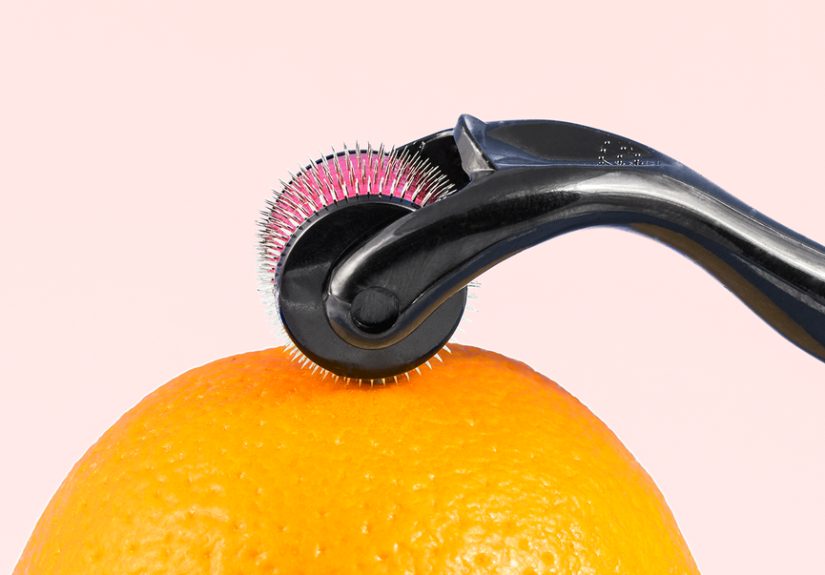
4) At-home microneedling / dermarolling
At-home rollers generally use shorter needles and are intended for very superficial cosmetic improvementnot deeper scarring. The biggest issue is
not “Does it work?” but “Is it clean and used correctly?” Reusing devices, poor disinfection, or rolling over active breakouts can invite
complications. If you’re tempted, consider talking to a dermatologist first and treat sterility like it’s the main character.
Benefits: what microneedling can help
Microneedling is popular because it can improve multiple concerns without a long recovery. It’s commonly used for:
- Acne scars (especially rolling/boxcar-type atrophic scars; deeper scars may need combination treatments)
- Fine lines and early wrinkles (texture and “crepey” look improvement over time)
- Enlarged pores and rough texture (smoother feel, more even-looking skin)
- Uneven tone and some types of hyperpigmentation (with careful settings and sun protection)
- Stretch marks (often as part of a series; results vary by age of stretch marks)
- Overall dullness (some people get a “glow” once initial redness resolves)
Realistic expectations (aka: the part marketing skips)
Microneedling can be a strong choice if your goals are texture, mild-to-moderate scarring, and gradual improvement. It’s less ideal if you want
dramatic lifting, instant pigment erasure, or you’re hoping one session will undo ten years of sunscreen avoidance. For deeper acne scars, your best
result often comes from a planmicroneedling plus targeted options like subcision, certain lasers, or chemical reconstruction
performed by a specialist.
Results timeline: when you’ll see changes
Microneedling results are more “slow burn” than “overnight glow-up.” Here’s a typical timeline:
- Day 0–2: Redness, warmth, mild swelling (like a sunburn that regrets your decisions).
- Day 2–5: Dryness or light flaking can happen; skin may feel tight.
- Week 2–6: Collagen remodeling kicks in; texture starts to look more even.
- After a series: Acne scars and lines often improve gradually across multiple sessions.
Many providers recommend 3–6 sessions spaced roughly 4–6 weeks apart, depending on the condition. Maintenance
treatments (for anti-aging or texture) are often done every 6–12 months.
Microneedling cost in the U.S.
Microneedling prices vary wildlybecause geography, provider expertise, device type, and add-ons all matter. In the U.S., microneedling is usually
considered cosmetic, so it’s typically not covered by insurance.
Typical price ranges (per session)
| Type | Common U.S. range | Why it varies |
|---|---|---|
| Standard professional microneedling | $200–$700+ | Provider credentials, city/region, device used, treatment area size |
| RF microneedling | $500–$2,400+ | Technology cost, depth/energy settings, body area, number of passes |
| PRP add-on | + $400–$1,000 | Blood draw/processing, clinic protocol, region |
What affects the total cost?
- How many sessions you need (scars usually need more than “general glow”)
- The treated area (face vs. face+neck vs. body)
- Who performs it (board-certified dermatologist vs. med spa with variable oversight)
- Device type (some devices have regulatory clearance for specific indications)
- Add-ons (RF, PRP, growth factors, specialty serums)
- Packages (many clinics discount bundles of 3–6 sessions)
Budget tip: If you’re comparing offers, don’t just compare the price. Ask what device is used, whether tips are single-use, who is performing the
procedure, and what happens if you have a complication. “Cheaper” can get expensive fast if it comes with a scar.
Side effects and risks
The good news: for many people, microneedling has minimal downtime. The responsible news: “minimal downtime” doesn’t mean “no risk.”
Side effects depend on needle depth, technique, and your skin.
Common, expected side effects
- Redness and warmth
- Mild swelling
- Tenderness or tightness
- Pinpoint bleeding during treatment
- Dryness or light flaking
Less common but important risks
- Infection (more likely with poor sterility, aggressive aftercare mistakes, or at-home misuse)
- Post-inflammatory hyperpigmentation (PIH) (especially if you tan or skip sunscreen afterward)
- Scarring (rare with proper technique; higher risk if treated too aggressively or repeatedly over the same spot)
- Acne flare-ups (temporary, often from occlusive products or irritation)
- Cold sore (HSV) reactivation if you have a historyask about preventive antivirals
- Allergic reactions (to numbing cream, antiseptics, or post-care products)
RF microneedling risks deserve their own spotlight
Because RF microneedling involves heat energy, potential complications can include burns, prolonged swelling, textural changes, and other
issuesespecially if the device is used incorrectly or settings are too aggressive. If you’re considering RF, the safest move is choosing a
qualified, experienced medical professional who can explain the device, training, and complication plan.
Who should avoid or postpone microneedling
Microneedling isn’t for everyoneat least not “right now.” You should ask a clinician first (and often postpone) if you have:
- Active skin infections (bacterial, viral, or fungal)
- Active cold sores (or frequent outbreaks without a prevention plan)
- Open wounds, sunburn, or severely irritated skin
- Uncontrolled acne inflammation (needling over active cysts is a bad idea)
- Eczema, psoriasis, or rosacea flares in the treatment area
- A tendency toward keloid scarring or poor wound healing
- Bleeding disorders or certain blood thinners (your prescribing doctor should weigh in)
- Recent isotretinoin (Accutane) use (timing recommendations vary; a dermatologist should guide this)
- Pregnancy or breastfeeding (often a “check with your physician” category, especially for add-ons/topicals)
If you’re unsure, that’s normal. The best microneedling candidates aren’t the bravestthey’re the best screened.
How to choose a safe provider
The procedure is only as good as the person holding the device. Here’s a quick checklist that protects your face and your bank account.
Questions to ask at a consultation
- Who performs the treatment? (And what’s their medical training?)
- What device do you use? (Medical-grade? Single-use sterile tips?)
- How do you sterilize equipment and the room?
- What needle depth will you use for my goal? (Scars vs. general texture require different approaches.)
- How do you handle complications? (Infection, excessive swelling, pigment changes)
- Can I see before-and-after photos on similar skin types and concerns?
Green flags
- A board-certified dermatologist (or a medical practice with clear physician oversight)
- Transparent discussion of risks and realistic outcomes
- No pressure to buy a 12-session package on the spot
- Clear post-care instructions and a way to contact the clinic if you have concerns
Prep and aftercare (the part that makes or breaks results)
Before your appointment
- Avoid tanning for at least 1–2 weeks (sun-stressed skin is cranky skin).
- Ask your provider about pausing retinoids, exfoliating acids, or irritating actives for several days beforehand.
- Arrive with clean skin (no heavy makeup).
- If you get cold sores, ask about preventive medication.
After your appointment
- Keep it gentle: mild cleanser, bland moisturizer, no harsh scrubs.
- Skip makeup for the first 24 hours (or per your provider’s instructions).
- Avoid heavy sweating, saunas, hot yoga, and swimming for 24–48 hours.
- Hold strong actives (retinoids, AHAs/BHAs, strong vitamin C) for a couple of days unless your clinician says otherwise.
- Wear sunscreen daily once your skin tolerates itthis is a major PIH-prevention tool.
- Don’t pick or “help” the flaking. Your skin is healing; let it.
If you notice worsening pain, pus, fever, spreading redness, or blistering, contact your provider promptly. “It’s probably fine” is not a
medical plan.
FAQ
Does microneedling hurt?
With topical numbing, most people describe it as uncomfortable but tolerablelike a scratchy vibration or sandpaper tapping. Deeper passes for
scars can feel more intense. If your provider acts shocked that you can feel anything, that’s… not reassuring.
How many sessions do I need for acne scars?
Many people need 3–6 sessions for noticeable improvement, sometimes more for deeper scarring. If someone promises “one session and
your scars are gone,” run. Politely. In SPF.
Is microneedling safe for darker skin tones?
It can be, and it’s often used across skin types. The key is appropriate technique and diligent sun protection afterward to reduce the risk of PIH.
Choose a provider experienced with your skin tone and concern.
Can microneedling make hyperpigmentation worse?
It can if the procedure is too aggressive, aftercare is poor, or you get UV exposure during healing. This is why sunscreen and a thoughtful plan
matterespecially for melasma-prone skin.
Should I do microneedling at home?
If your goal is serious scar improvement, professional treatment is generally the safer and more effective route. If you still want at-home
options, talk to a dermatologist first, use only reputable devices, and treat cleanliness as non-negotiable.
Experiences: what people commonly notice (and wish they’d known)
Below are real-world patterns people often describe after microneedlingcollected from common patient feedback and clinician observations. Not
everyone experiences every point, but if you’re trying to imagine “What will this actually feel like?” this section is for you.
1) The “I look sunburned… but in a controlled way” first day
A lot of people leave the clinic thinking, “Okay, I’m red, but I can handle red.” The sensation is usually warmth and tightness, like you stood too
close to a campfire and your skin is filing a complaint. Many people are surprised that the redness can look dramatic under harsh bathroom lighting
and mysteriously calmer in soft indoor lighting. If you schedule your session, assume you’ll want a low-key evening: gentle skincare, clean pillowcase,
and no “let’s see how I look under ring light” emotional damage.
2) Day two and three: “Why is my face suddenly… thirsty?”
A common experience is dryness and a sandpapery texture for a couple of days. People often say their skin feels tight when they smilelike it’s
wearing an invisible, temporary mask. This is when bland moisturizer becomes your best friend. It’s also when some people make the classic mistake:
“I’m peelinglet me exfoliate.” Don’t. Your goal is calm healing, not speed-running your skin barrier into chaos.
3) The “glow window” is real, but it’s not instant
Many first-timers expect a next-day glass-skin effect. In reality, the “glow” often shows up after the initial redness fades and hydration returns.
For some, that’s within a week. For others, it’s more subtle until after the second or third session when collagen remodeling has had time to do its
behind-the-scenes construction work. People who love microneedling tend to be the ones who treat it like a series and a processnot a last-minute fix.
4) Acne-scar patients often describe “slow improvement, then suddenly I notice it”
If you’re treating acne scars, a common emotional rollercoaster is: session one feels hopeful, then you stare at your cheeks in the mirror three days
later like, “Why am I still me?” But scar improvement is gradual. People often report that somewhere around the third session, they notice makeup sits
smoother, bathroom lighting is less brutal, or selfies require fewer strategic angles. The change can be subtle week-to-week, but meaningful month-to-month.
Clinicians often remind patients that deeper scars may need combination treatmentsso some people feel most satisfied when they get a plan that matches
their scar type, instead of repeating microneedling forever like it’s a subscription service.
5) The “budget reality check”
Many people don’t regret microneedlingthey regret not planning the cost. It’s common to hear: “I did one session and loved it, but I didn’t realize I’d
need four more.” The happiest budgets usually come from choosing a realistic package (often 3 sessions), spacing appointments, and skipping unnecessary add-ons
until you know how your skin responds. People who choose RF microneedling often describe a bigger decision-making process: more expense, more research, and
a stronger preference for a medical clinic rather than a “deal” setting.
6) Melasma and pigment-prone skin: cautious optimism
People prone to hyperpigmentation often describe a careful strategy: conservative settings, strict sun avoidance, and serious sunscreen commitment. The
common “wish I knew” here is that aftercare isn’t optionalespecially UV protection. Many report that the best results came when microneedling was part of a
broader pigment plan (gentle brighteners, dermatologist guidance, and scheduling sessions away from sunny vacations).
7) Tiny lifestyle tweaks that people say helped
- Booking treatment when you can avoid intense workouts for 48 hours (gym lovers: plan ahead).
- Changing pillowcases and avoiding face-touching the first couple of days.
- Keeping skincare boring for a week (your barrier will thank you).
- Taking progress photos monthly instead of daily (daily photos are a fast track to frustration).
The biggest shared takeaway? Microneedling works best when it’s treated like a legit medical-grade procedure: skilled provider, realistic timeline,
and respectful aftercare. Do that, and you give your skin a fair shot at the results you’re paying for.
Final thoughts
Microneedling is popular for a reason: it can improve texture, soften fine lines, and reduce the appearance of scars with relatively short downtime.
But the results depend on the right technique, the right candidate, and the right aftercare. If you’re considering microneedling (especially RF
microneedling or add-ons like PRP), start with a consultation at a reputable medical practice so you get a plan tailored to your skinrather than
a one-size-fits-all treatment menu.
Medical disclaimer: This article is for informational purposes and is not a substitute for medical advice. Always consult a qualified healthcare professional for personalized guidance.