Table of Contents >> Show >> Hide
- What Compression Therapy Actually Does
- Medical Conditions That Commonly Benefit from Compression Therapy
- Compression Therapy and Athletic Performance
- How to Choose the Right Compression Approach
- When Compression Therapy Is Not a Good Idea
- Best Practices for Getting Results
- Real-World Experiences with Compression Therapy
- Conclusion
- SEO Tags
Compression therapy has one of those names that sounds either wonderfully scientific or suspiciously like expensive socks with a marketing department. In reality, it is neither magic nor hype. It is a practical tool that can support circulation, manage swelling, ease discomfort, and, in the right situations, help both patients and athletes function better. For people with chronic venous insufficiency, varicose veins, lymphedema, leg ulcers, or a high risk of blood clots, compression therapy can be part of a legitimate treatment plan. For runners, lifters, cyclists, and field-sport athletes, compression garments may not suddenly turn Tuesday legs into Olympic legs, but they can play a useful role in recovery.
The trick is understanding where compression therapy truly shines, where the evidence is mixed, and where it should be used only with medical guidance. That distinction matters because compression is not one-size-fits-all. A gentle pair of sleeves for a long travel day is very different from prescription stockings for venous disease, and both are worlds apart from intermittent pneumatic compression devices used after surgery.
What Compression Therapy Actually Does
Compression therapy works by applying controlled pressure to part of the body, most often the legs. In the lower limbs, this pressure helps support veins and soft tissue, encouraging blood and fluid to move upward instead of pooling around the ankles and calves. In plain English, it gives circulation a helpful nudge and swelling fewer places to throw a party.
Most medical compression products use graduated pressure, meaning the garment is snugger at the ankle and gradually less tight as it moves upward. That design supports venous return and can reduce symptoms such as heaviness, aching, fatigue, and edema. Depending on the condition, compression may come in the form of socks, stockings, sleeves, wraps, bandages, or intermittent pneumatic compression devices that inflate and deflate in cycles.
Common Types of Compression Therapy
- Compression socks and stockings: Often used for venous insufficiency, swelling, long travel, or post-procedure support.
- Compression sleeves and garments: Common in sports and in lymphedema care.
- Compression wraps and bandages: Frequently used in wound care or for more significant swelling.
- Intermittent pneumatic compression devices: Air-filled cuffs that rhythmically squeeze the legs to reduce clot risk and help with swelling management.
Medical Conditions That Commonly Benefit from Compression Therapy
1. Chronic Venous Insufficiency and Varicose Veins
One of the clearest medical uses of compression therapy is chronic venous insufficiency, a condition in which leg veins struggle to send blood back to the heart efficiently. When that happens, people often notice swelling, aching, heaviness, skin changes, or worsening discomfort after standing for long periods. Compression stockings are often a first-line conservative treatment because they help veins and calf muscles move blood more effectively.
For varicose veins, compression does not erase the veins as if they were written in dry-erase marker, but it can reduce symptoms and improve day-to-day comfort. Many people feel less end-of-day throbbing, less ankle swelling, and less that familiar “my legs are filing a complaint” sensation after long hours on their feet.
2. Leg Swelling and Venous Leg Ulcers
Compression therapy is also widely used for edema and venous leg ulcers. In venous ulcer care, reducing pressure in the leg veins is a major goal. Compression can help control swelling, reduce blood pooling, support healing, and lower the risk of ulcer recurrence once healing occurs. In these cases, consistent use matters more than heroic intentions. A stocking in the drawer is emotionally supportive at best.
3. Lymphedema
Lymphedema is different from ordinary swelling because it involves impaired lymphatic drainage. Compression garments are a core part of lymphedema management, often combined with exercise, skin care, and manual lymphatic techniques. Properly fitted sleeves, stockings, or wraps help limit fluid build-up and support maintenance after swelling has been reduced.
This is one area where fit is especially important. A poorly chosen garment can be uncomfortable, ineffective, or even aggravating. For people with cancer-related lymphedema or swelling after lymph node treatment, compression should be guided by qualified clinicians rather than by guesswork and optimism.
4. Deep Vein Thrombosis Prevention in Specific Situations
Compression also appears in clot prevention, but this topic deserves nuance. Graduated compression stockings and intermittent pneumatic compression devices can help reduce deep vein thrombosis risk in certain hospitalized or post-surgical patients, especially when mobility is limited. Intermittent pneumatic compression is commonly used in hospitals because it boosts venous blood flow while a person is stuck in bed wishing they were anywhere else.
For travel, compression socks may be useful for people at higher risk of clotting on long-haul trips. But routine use is not automatically recommended for everyone taking a short flight to visit relatives and collect awkward questions. Risk level matters, duration matters, and personal medical history matters.
5. Post-Thrombotic Symptoms and Leg Discomfort
Compression can also help manage lingering pain and swelling in some people after deep vein thrombosis. However, routine compression for every patient with acute DVT is no longer treated as a universal rule for preventing post-thrombotic syndrome. In other words, compression is still useful, but modern guidance is more selective than old blanket advice.
Compression Therapy and Athletic Performance
The sports world loves two things: useful recovery tools and products that promise to shave six minutes off your 10K while you sleep. Compression garments sit somewhere between those worlds. Research suggests they may offer benefits, but the biggest upside seems to be recovery support rather than dramatic performance enhancement.
Does Compression Improve Performance During Exercise?
The evidence for direct performance gains is mixed. Some studies suggest compression garments may slightly improve comfort, reduce muscle oscillation, improve body awareness, or lower perceived exertion in certain settings. That sounds nice, and in elite competition tiny improvements matter. But the overall evidence does not support the idea that compression alone reliably makes athletes faster, stronger, or more powerful across the board.
So yes, compression socks might make a runner feel smoother and more supported. No, they do not replace training, sleep, hydration, or the difficult emotional journey of hill repeats.
Where Compression Looks More Promising: Recovery
Recovery is where compression garments earn more respect. Reviews and controlled studies suggest post-exercise compression may reduce delayed-onset muscle soreness, support subjective recovery, and in some cases help preserve or restore strength and power after hard training. Lower-limb garments seem to show more consistent benefit than upper-limb garments, particularly after demanding eccentric or resistance-heavy exercise.
That makes practical sense. Athletes often use compression after long runs, tournaments, lifting sessions, or back-to-back training days when the goal is not to become a superhero by sunset, but to feel less wrecked tomorrow morning.
Why Athletes Like Compression Anyway
Even when hard performance numbers do not skyrocket, athletes may still value compression for several reasons:
- Reduced feeling of heaviness in the legs
- Less perceived soreness after training
- A sense of support during travel or long standing periods
- Potential help with swelling after intense effort
- Greater readiness between closely spaced sessions
That last point is important. In real training life, feeling 8% less trashed can be more valuable than a barely measurable performance bump in a lab. Coaches and athletes care about repeatability. If compression helps someone tolerate the next workout better, that can matter over a season.
How to Choose the Right Compression Approach
For Medical Conditions
If compression is being used for a diagnosed medical condition, start with a clinician’s advice. The correct garment depends on the cause of swelling, the part of the body affected, skin condition, mobility, and the degree of pressure needed. Medical-grade compression often requires measurement and proper fitting, ideally when swelling is lowest, usually in the morning.
Prescription garments may be especially important for chronic venous insufficiency, significant edema, venous ulcers, and lymphedema. In these situations, the question is not just “Does compression help?” but “What kind, what pressure, how long, and under whose guidance?”
For Athletes
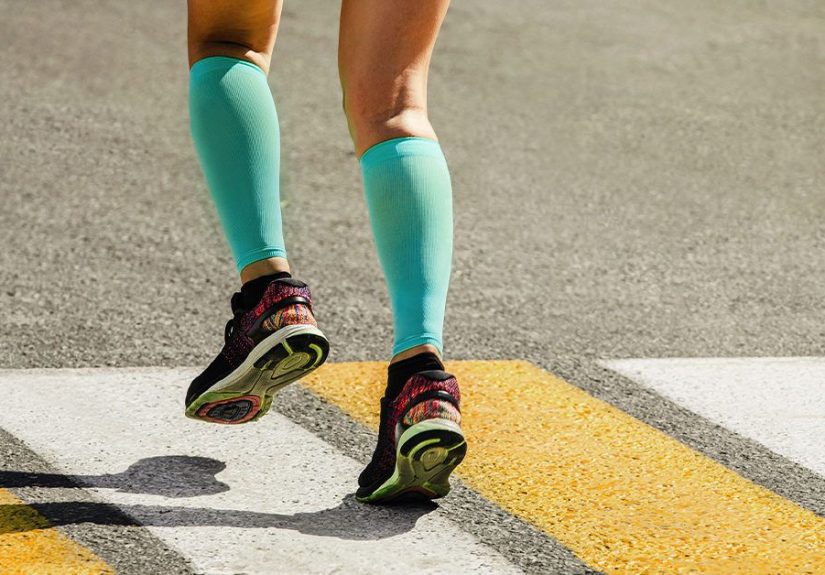
For sports use, most people are choosing between calf sleeves, socks, tights, shorts, or recovery boots. The right choice depends on the sport and the goal. A marathoner might care most about calf support and post-run recovery. A basketball player might prefer full-leg recovery after repeated jumps and sprints. A traveler heading straight from a plane to a meeting may simply want less swelling and stiffness.
Comfort matters. If a garment is so tight that it turns recovery into a battle with fabric, compliance will vanish. The best compression product is the one you will actually use correctly and consistently.
When Compression Therapy Is Not a Good Idea
Compression therapy is generally safe for many people, but there are situations where caution is essential. It should not be treated like harmless athleisure when someone has a serious circulation problem.
- Severe peripheral arterial disease: Compression can worsen already poor arterial blood flow.
- Decompensated or severe heart failure: Fluid shifts can be risky without medical supervision.
- Untreated skin infection, severe skin breakdown, or open wounds needing special care: The wrong garment can irritate or complicate the problem.
- Severe neuropathy or sensory loss: A person may not feel harmful pressure or skin damage developing.
- Poor fit or self-prescribed high-pressure garments: More pressure is not automatically better.
Anyone with sudden one-sided leg swelling, chest pain, shortness of breath, new skin discoloration, or suspected clot symptoms should seek medical care rather than trying to solve the problem with online shopping and determination.
Best Practices for Getting Results
Put Them On Early
Compression garments are generally easier to put on and more effective when applied in the morning before swelling builds. This is especially true for people with venous disease or chronic edema.
Prioritize Fit Over Brand Hype
A well-fitted product beats a fashionable one with a heroic logo. Medical compression should be measured properly. Even athletic compression works better when it fits snugly without pinching, rolling, or bunching.
Use Compression as Part of a Plan
Compression works best alongside the basics: movement, strength work, walking, hydration, recovery sleep, skin care, elevation when appropriate, and condition-specific medical treatment. Compression is a teammate, not the entire roster.
Know the Goal
Use compression differently depending on the goal. A patient with venous disease may wear garments daily for symptom control. An athlete may use them only after intense sessions or during travel. A post-surgical patient may use intermittent pneumatic compression in the hospital to lower clot risk.
Real-World Experiences with Compression Therapy
Experiences with compression therapy tend to be less dramatic than advertisements and more meaningful than people expect. For someone with chronic venous insufficiency, the first noticeable change is often not cosmetic. It is practical. Legs feel less heavy by the end of the day. Shoes fit better in the evening. Standing through a work shift becomes less punishing. Many people describe a quiet kind of relief: fewer aches, less tightness, less swelling around the ankle line, and less dread about what their legs will feel like after hours upright.
A very common experience comes from workers who stand or sit for long periods. Think teachers, nurses, retail staff, office employees, drivers, and frequent flyers. These people often notice that compression does not make them feel superhuman, but it may help them feel more normal. That matters. When someone finishes a long day and their legs do not feel like overfilled water balloons, they tend to become loyal to the habit quickly.
For people living with lymphedema, the experience is usually more structured and more personal. Compression is not a casual wellness trend in that setting. It becomes part of daily management, like skin care or physical therapy. Some patients report that the learning curve is frustrating at first. Garments can be tricky to put on, warm in hot weather, and emotionally annoying because they are a visible reminder of an ongoing condition. But many also describe compression as one of the few things that gives them a sense of control. When a properly fitted garment helps keep swelling from worsening, daily life becomes more predictable, and that predictability is powerful.
Athletes tell a different story. Their experience with compression is often less about treating a disease and more about managing the wear and tear of training. Runners frequently say calf sleeves or socks make their legs feel fresher during long travel and less stiff after races. Lifters and team-sport athletes often use full-leg compression or recovery boots after hard sessions when soreness is expected to arrive like an uninvited guest. The effect is not always dramatic, but the perceived benefit can be meaningful: less heaviness, less soreness, and a better sense of readiness for the next workout.
There is also a psychological side that should not be ignored. Recovery rituals matter. When athletes consistently use compression along with cooldowns, nutrition, sleep, and smart programming, the garment becomes part of a larger system that reinforces recovery behavior. That does not make the benefit imaginary. It means the best outcomes often come when compression is used thoughtfully rather than treated as a miracle shortcut.
Perhaps the most honest description of compression therapy is this: when it is matched to the right problem, fitted correctly, and used consistently, people often feel the difference in their daily comfort and recovery quality. When it is mismatched, overhyped, or worn without a clear purpose, it tends to become just another expensive item in the drawer beside the foam roller and abandoned good intentions.
Conclusion
Compression therapy deserves its place in both medicine and sports, but for different reasons. In medical care, it can be a cornerstone tool for chronic venous insufficiency, swelling, venous ulcers, lymphedema, and selected clot-prevention situations. In athletics, it is best viewed as a recovery aid with possible supportive benefits, not a guaranteed performance cheat code wrapped around your calves.
The smartest approach is simple: use compression for the right indication, choose the right product, respect contraindications, and stay realistic. Good compression therapy is not glamorous. It is useful. And in health and performance, useful usually wins.
Note: This article is for informational purposes only and should not replace individualized medical advice, diagnosis, or treatment.