Table of Contents >> Show >> Hide
- What Are Cucumber Tea Sandwiches?
- Why Cucumber Tea Sandwiches Still Work So Well
- The Anatomy of a Great Cucumber Tea Sandwich
- How to Make Cucumber Tea Sandwiches Taste Better
- Best Variations on the Classic
- How to Serve Cucumber Tea Sandwiches
- Can You Make Cucumber Tea Sandwiches Ahead?
- Common Mistakes to Avoid
- Why They Deserve a Spot on More Menus
- Experiences With Cucumber Tea Sandwiches: What You Learn Once You Actually Make Them
- Conclusion
Cucumber tea sandwiches are proof that the food world does not always need fireworks. Sometimes what wins the day is soft bread, cool cucumbers, a creamy spread, and the kind of quiet elegance that makes people suddenly sit up straighter and say things like, “Oh wow, these are actually really good.” They are crisp, creamy, refreshing, and just fancy enough to make even an ordinary afternoon feel a little more civilized.
These little sandwiches have long been associated with afternoon tea, bridal showers, baby showers, spring lunches, garden parties, and the sort of brunch table that practically begs for fresh flowers. But their appeal goes beyond tradition. Cucumber tea sandwiches are easy to make, surprisingly customizable, and ideal when you want something light that still feels thoughtful. They are also one of the few foods that can whisper “elegance” without charging you elegance prices.
If you have ever wondered why cucumber tea sandwiches remain a classic, how to make them taste better than bland cafeteria sadness, or how to keep them from turning into soggy paper pillows, this guide has you covered. Consider this your practical, no-nonsense, slightly amused deep dive into one of the most charming finger foods ever created.
What Are Cucumber Tea Sandwiches?
Cucumber tea sandwiches are small, crustless sandwiches traditionally made with thin slices of soft bread, delicate cucumber slices, and a light spread such as butter, cream cheese, or an herbed mixture. They are usually cut into triangles, rectangles, or narrow fingers so they can be eaten neatly in a few bites. In other words, they are the anti-overstuffed deli sandwich. No giant pile of meat. No structural collapse. No need to unhinge your jaw.
The charm of cucumber tea sandwiches is all about balance. The bread is tender and mild. The cucumber is cool and crisp. The spread adds richness and flavor without overwhelming the filling. When done well, every bite feels fresh, soft, and lightly seasoned rather than heavy or messy.
Why Cucumber Tea Sandwiches Still Work So Well
There is a reason these sandwiches have survived decades of food trends, from gelatin molds to kale everything. They are easy on the palate, easy on the eyes, and easy to pair with almost any tea-party menu. Rich pastries and buttery scones benefit from something green and refreshing nearby. A table full of sweet treats suddenly feels more balanced when cucumber tea sandwiches show up looking polished and sensible.
They also suit modern eating habits better than people expect. Many guests want lighter party foods, smaller portions, and fresher flavors. Cucumber tea sandwiches check all three boxes. They feel special without feeling excessive. They are vegetarian by default, simple to adapt, and pretty enough to pass as high effort even when they are secretly low drama.
The Anatomy of a Great Cucumber Tea Sandwich
1. The Bread
The best cucumber tea sandwiches start with soft, thinly sliced bread. Traditional white sandwich bread is popular because it is tender, neutral, and easy to trim into neat shapes. Pullman-style bread, very thin white bread, or other fluffy sandwich loaves also work beautifully. The point is not to make the bread exciting. The point is to make it supportive. This is one of those rare moments in life where being understated is a strength.
Hearty artisan bread, thick sourdough, and crusty loaves may be delicious, but they can overpower the delicate filling. If you want a slightly more modern version, thin whole grain bread can work, especially if it stays soft and not overly seedy or dense.
2. The Cucumbers
This is not the moment for lazy, chunky cucumber slices. Thin slicing matters. Very thin. Paper-thin, if possible. English cucumbers are the favorite choice because they tend to have thinner skin, smaller seeds, and a more delicate texture than standard cucumbers. They also look prettier, which matters when your sandwich is trying to serve “garden party icon” instead of “sad lunchbox filler.”
One of the biggest secrets to success is removing excess moisture. Cucumbers are wonderful, but they are basically crisp water in a vegetable costume. If you layer wet slices directly onto bread, your sandwiches can go limp fast. Salting the cucumber lightly, then draining or patting the slices dry, helps preserve the sandwich texture and keeps the filling from sliding around like it has somewhere else to be.
3. The Spread
The spread is where cucumber tea sandwiches go from merely polite to genuinely memorable. Plain butter is the old-school option and still tastes lovely, especially with salt, pepper, and a whisper of lemon. But cream cheese is the reigning crowd-pleaser because it gives the sandwich more body, tang, and richness.
Herbs are what make the spread sing. Dill is the classic choice, and for good reason. It pairs beautifully with cucumber and adds a fresh, almost feathery flavor. Chives, parsley, mint, scallions, basil, and lemon zest can all bring life to the spread without turning it into a confused flavor experiment. A little mayonnaise can loosen cream cheese and make it easier to spread. A touch of black pepper, white pepper, or garlic powder can add depth. The keyword here is subtle. This is tea sandwich territory, not a hot wing challenge.
How to Make Cucumber Tea Sandwiches Taste Better
The difference between excellent cucumber tea sandwiches and forgettable ones usually comes down to seasoning. Cucumbers are refreshing, but they are also mild. Bread is mild. Cream cheese is mild. If you do not add brightness, herbs, salt, and a little contrast, you can end up with a sandwich that tastes like chilled wallpaper paste. Charming wallpaper paste, perhaps, but still.
To make the flavor pop, focus on these details:
- Salt the cucumbers lightly and dry them well.
- Use fresh herbs instead of relying only on dried seasoning.
- Add lemon zest or a small squeeze of lemon juice for brightness.
- Season the spread with salt and pepper, not just the cucumbers.
- Spread both slices of bread lightly so every bite tastes balanced.
Another smart move is to let the cream cheese soften before mixing. That creates a smoother, fluffier spread that coats the bread evenly instead of tearing it. Nobody wants to wrestle a slice of white bread into submission while guests are arriving.
Best Variations on the Classic
Classic cucumber tea sandwiches are hard to beat, but they are also flexible enough to welcome a few clever variations.
Cucumber and Dill Cream Cheese
This is the standard-bearer for a reason. Soft cream cheese, fresh dill, chives, lemon zest, salt, and pepper create a cool, savory filling that tastes like spring on bread.
Cucumber and Mint
Mint brings a fresh, cooling note that makes the sandwich feel even lighter. This version is especially lovely for hot-weather gatherings and pairs beautifully with iced tea.
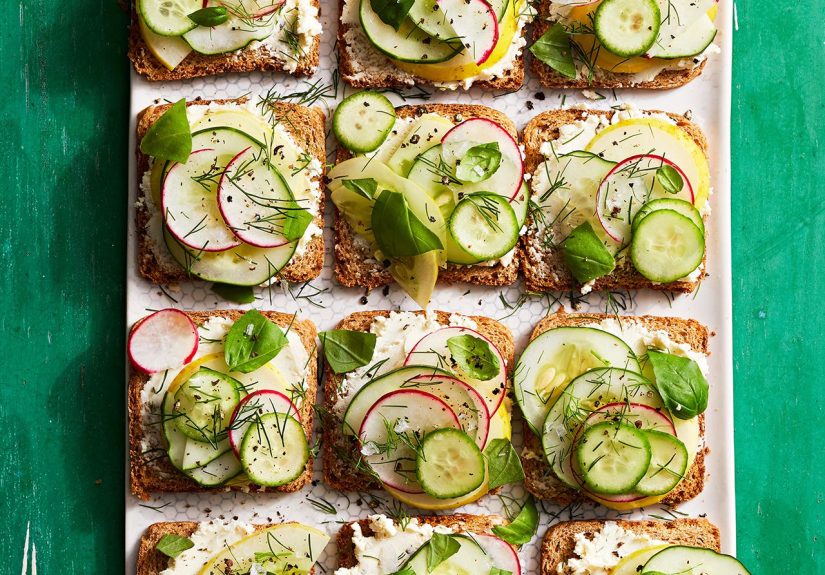
Cucumber and Radish
Thin radish slices add peppery bite, extra crunch, and gorgeous color. If your sandwich platter needs visual energy, this version shows up dressed for the occasion.
Cucumber with Herbed Butter
Butter gives a more traditional, clean flavor profile. Add chives, parsley, or lemon zest to softened butter for a simple version that tastes delicate and classic.
Cucumber with Whipped Feta or Goat Cheese
For a bolder, more modern take, a whipped feta or herbed goat cheese spread adds tang and richness. This version feels a little less old-school afternoon tea and a little more stylish brunch board.
How to Serve Cucumber Tea Sandwiches
Presentation matters with tea sandwiches because half their charm is visual. Trim the crusts cleanly with a sharp serrated knife, then cut the sandwiches into fingers, triangles, or small rectangles. Fingers feel the most traditional. Triangles feel familiar and slightly nostalgic. Rounds cut with a cookie cutter feel playful and party-ready.
Serve them chilled or cool, but not ice-cold. If they come straight from the refrigerator, the bread can seem firm and the spread less creamy. Letting them sit for a short time before serving helps the texture relax.
These sandwiches pair well with black tea, green tea, herbal tea, sparkling lemonade, and even light brunch cocktails. On a food table, they sit comfortably next to scones, fruit, smoked salmon, egg salad sandwiches, chicken salad sandwiches, shortbread, and fresh berries.
Can You Make Cucumber Tea Sandwiches Ahead?
Yes, but not recklessly. Cucumber tea sandwiches are best when fresh, because bread dries out and cucumbers continue to release moisture over time. That said, you can absolutely prep components ahead and assemble with good results.
The smartest method is to make the spread in advance, slice and dry the cucumbers, and assemble the sandwiches a short time before serving. If you need to make them ahead, wrap them well and refrigerate them. A slightly damp paper towel over the sandwiches, plus tight covering, can help preserve softness without turning the bread wet. The goal is fresh-looking, tender sandwiches, not a refrigerator science project.
If you are hosting, aim to assemble them the same day. That gives you the best balance of convenience and texture. Cucumber tea sandwiches are not difficult, but they do appreciate a little timing strategy.
Common Mistakes to Avoid
Using Wet Cucumbers
This is the biggest one. If your cucumbers are too wet, your sandwiches will suffer. Dry them well and you are already halfway to success.
Making the Spread Too Thick
A heavy, overstuffed filling overwhelms the delicate bread. Keep the layer generous enough for flavor, but thin enough to remain elegant.
Choosing Bread with Too Much Personality
This is not the time for a loaf that tastes like twelve grains, toasted nuts, and a personal backstory. Soft, mild bread works best.
Skipping Seasoning
Cucumber sandwiches should be light, not bland. Salt, pepper, herbs, and lemon are what keep them lively.
Waiting Too Long to Serve
Tea sandwiches are not built for dramatic overnight suspense. Make them close enough to serving time that they still taste fresh and look tidy.
Why They Deserve a Spot on More Menus
Cucumber tea sandwiches are not just for formal teas or vintage-inspired showers. They belong anywhere you want a refreshing, elegant, low-stress food option. They work for spring brunches, summer lunches, picnic spreads, Easter tables, Mother’s Day menus, baby showers, and afternoon snack boards that are trying to feel a little less chaotic.
They are also one of the easiest ways to make a table look polished without a huge budget. Bread, cucumbers, herbs, and cream cheese are not luxury ingredients, but when they are prepared thoughtfully, they absolutely act like they know people in high places.
Experiences With Cucumber Tea Sandwiches: What You Learn Once You Actually Make Them
There is the theory of cucumber tea sandwiches, and then there is the experience of making them for real humans with opinions. In theory, they are dainty, elegant little bites. In practice, they are also a test of timing, knife skills, and your emotional ability to care deeply about sandwich geometry for thirty consecutive minutes.
One of the first things many home cooks discover is that cucumber tea sandwiches have a strange superpower: people underestimate them right up until they start eating them. Someone always gives them a suspicious glance, as if they are preparing to endure a duty snack. Then they take a bite and suddenly become the same person asking, “Wait, what’s in this spread?” That is part of the fun. Cucumber tea sandwiches are quiet overachievers.
Another common experience is learning that details matter more than you thought. Slice the cucumbers too thick, and the sandwiches feel clunky. Leave too much moisture in the cucumber, and the bread gets soft in a sad way. Use bland cream cheese straight from the tub with no herbs, acid, or seasoning, and the whole thing tastes sleepy. But once you get the small things right, the result feels ridiculously polished for such a simple recipe.
They also teach restraint. Most sandwiches reward abundance. More cheese, more meat, more crunch, more sauce. Cucumber tea sandwiches reward editing. Less filling. Thinner slices. Softer bread. Cleaner cuts. They are basically the minimalist apartment of sandwiches: not much clutter, everything intentional, and somehow more expensive-looking than it really is.
From a hosting perspective, they are incredibly useful. They fill that awkward gap between “too light to count” and “too heavy for a daytime party.” Guests can grab one or two without committing to a full plate. They sit nicely beside sweets. They make a buffet table feel balanced. They are especially handy at spring and summer gatherings, when people want food that feels fresh rather than heavy.
There is also something nostalgic about them. Even people who did not grow up attending formal teas often associate cucumber sandwiches with a certain kind of old-fashioned hospitality. They suggest linen napkins, flowered plates, and the fantasy that everyone at your gathering will sit calmly and discuss lovely things. Real life may include someone spilling iced tea or asking where the chips are, but the sandwiches still bring the mood.
Perhaps the most useful lesson is this: cucumber tea sandwiches do not need to be intimidating. Once you make them once or twice, they stop feeling precious and start feeling practical. You realize you can adapt them for lunch, brunch, parties, or even an afternoon snack when you want something cool and crisp. They can be classic, modern, herb-packed, or extra simple. They can look fancy without acting difficult. And honestly, any recipe that delivers that much charm with so little cooking deserves some respect.
Conclusion
Cucumber tea sandwiches endure because they do exactly what good classic food should do: they make simple ingredients feel special. With soft bread, crisp cucumbers, a well-seasoned spread, and a little attention to moisture and texture, these elegant finger sandwiches become far more than a pretty party filler. They become the kind of bite that refreshes the whole table.
Whether you are planning an afternoon tea menu, a bridal shower spread, a spring brunch, or just a light lunch that feels more put-together than usual, cucumber tea sandwiches are worth making. They are timeless, versatile, and surprisingly satisfying. Also, they are one of the few foods that can make you feel classy while still eating with your hands, which is honestly a tremendous achievement.