Table of Contents >> Show >> Hide
- What counts as oral chemotherapy?
- The advantages of oral chemotherapy
- 1) More convenience and fewer clinic hours
- 2) Flexibility that fits real life (work, family, and energy levels)
- 3) No needles, no IV lines, and sometimes fewer access-related hassles
- 4) Steadier medication exposure for certain treatment plans
- 5) Potentially lower travel costs and less time away from home
- 6) A sense of autonomy (and “I can do this” momentum)
- Important reality check: oral chemo isn’t the “easy version”
- How to maximize the advantages (without creating chaos on your kitchen counter)
- Examples of when oral chemotherapy can be especially helpful
- Questions to ask your oncology team (so you leave with clarity, not confusion)
- Bottom line: the advantages are realand they’re earned
- Experiences with oral chemotherapy: what people often say (and what helps)
- Experience #1: “I got my time back… and then I realized I’m the infusion center now.”
- Experience #2: “It’s easier to live my life, but I have to watch for side effects more carefully.”
- Experience #3: “The hardest part wasn’t swallowing the pill. It was the paperwork.”
- Experience #4: “My family wanted to help, but we needed a safety plan.”
- Experience #5: “Travel was possible again… with planning.”
- Conclusion
- SEO tags (JSON)
When most people hear “chemotherapy,” they picture an IV pole, an infusion chair, and a long afternoon
negotiating with a vending machine. But cancer treatment has evolved. Today, many cancer-fighting drugs
can be taken by mouthtablets, capsules, or liquids you take at home. This is commonly called
oral chemotherapy (or “oral chemo”).
The headline benefit sounds simple: you don’t have to go in for an infusion. But the real advantages go deeper:
oral chemo can give people more flexibility, reduce travel and clinic time, andwhen used appropriately
support long-term treatment plans that fit real life. The key phrase is “used appropriately,” because
oral chemo is powerful medicine, not a vitamin you forgot you owned.
Let’s break down what oral chemotherapy is, why it can be a big win, and how to maximize the upsides
while staying safe.
What counts as oral chemotherapy?
“Oral chemotherapy” usually refers to anti-cancer drugs taken by mouth. Some are classic chemotherapy drugs
designed to kill fast-growing cells. Others are modern cancer medicineslike certain targeted therapiesthat
come as pills. In everyday conversation, patients may call many oral anti-cancer medications “chemo pills,”
even when the drug category is technically different.
The important takeaway: oral cancer drugs can be just as strong as IV treatment. They can be highly effective,
but they also require careful dosing, monitoring, and safe handling.
The advantages of oral chemotherapy
1) More convenience and fewer clinic hours
The most obvious advantage is logistical: taking a medication at home can reduce time spent traveling to
a cancer center, waiting for labs, sitting for an infusion, and traveling back home. For people living far
from treatment centers, those miles add up fastalong with parking fees, gas, meals, childcare planning,
and the hidden cost of “I had to take the whole day off work.”
Oral chemo can shrink the footprint that treatment leaves on your calendar. Many patients still need
regular check-ins, blood tests, and scansbut swapping some infusion visits for at-home dosing can make
the overall routine less disruptive.
2) Flexibility that fits real life (work, family, and energy levels)
Cancer treatment often arrives like an uninvited houseguest who rearranges your furniture.
Oral chemo can restore a bit of control. Instead of planning your week around an infusion appointment,
you can plan your medication routine around your daywhile still following the exact schedule your care
team prescribes.
That flexibility matters. It can help people keep working (when they want or need to), maintain caregiving
responsibilities, or simply have more “normal hours” when they feel up to seeing friends or getting outside.
The advantage here isn’t just convenienceit’s quality of life.
3) No needles, no IV lines, and sometimes fewer access-related hassles
IV chemotherapy can require repeated needle sticks or the placement of a port or catheter. Those are
lifesaving tools, but they can also come with discomfort, maintenance needs, and (in some cases) risks like
irritation or infection. When treatment is oral, you may avoid some of the “vascular access” logistics entirely.
This can be especially meaningful for people with difficult vein access, needle anxiety, or those who have
had complications with IV lines in the past.
4) Steadier medication exposure for certain treatment plans
Some oral therapies are designed to be taken on a schedule that maintains more consistent drug exposure over time.
In certain situations, that steady dosing approach supports how the medication works against cancer cells.
(This doesn’t mean “better” for everyoneit means “a good match” for some drugs and cancers.)
In practical terms, this can enable treatment strategies like ongoing therapy in cycles or longer-term regimens
where frequent infusions would be hard to sustain.
5) Potentially lower travel costs and less time away from home
Even if your insurance covers the medication well, the experience of treatment has its own expenses:
transportation, lodging (for those traveling far), meals on the road, time off work, and caregiver coordination.
Oral chemo can reduce some of those burdens by shifting more of the routine into the home.
For families juggling multiple responsibilities, fewer long clinic days can feel like getting a little oxygen back.
6) A sense of autonomy (and “I can do this” momentum)
This advantage is harder to measure, but many patients describe it clearly: oral chemo can create a feeling of
agency. You’re still doing serious treatment, but you’re doing it from your own spaceyour couch, your kitchen,
your “I know where the good blanket is” zone.
That psychological shift doesn’t replace medical benefits, but it can support emotional resilienceespecially
when patients feel like treatment has taken over everything.
Important reality check: oral chemo isn’t the “easy version”
Oral chemotherapy’s advantages are real. But they come with trade-offsmostly because responsibility shifts
from the infusion clinic to the patient and caregivers at home.
Adherence becomes part of the treatment
With IV chemo, the clinic administers the dose. With oral chemo, you (or a caregiver) are the one making sure
the right dose happens at the right time, with the right food requirements (if any), and with the right “do not
mix with” precautions.
Missed doses can reduce effectiveness. Extra doses can increase toxicity. And complex scheduleslike “twice daily
for 14 days, then off for 7” or “take on an empty stomach, avoid grapefruit” (depending on the drug)can trip up
even the most organized person.
Side effects can be just as serious
Because oral chemo is taken at home, some people assume side effects will be milder. Not necessarily.
Oral therapies can cause significant side effects, and some require quick communication with the care team
to prevent complications. Monitoring still matterslab work, symptom tracking, and timely reporting.
Drug interactions and food rules matter more than you’d expect
Oral cancer drugs can interact with other prescriptions, over-the-counter medications, supplements, and
certain foods. Some are affected by stomach acid levels or specific dietary factors. Your oncology team and
pharmacist aren’t being picky when they ask for a complete med listthey’re protecting your treatment.
Safe handling at home is a must
Many oral chemotherapy drugs are considered hazardous. That means there may be special guidance on how to store them,
how to handle them (especially for caregivers), and what to do with unused medication.
For some drugs, you should not crush, cut, or open capsules unless your pharmacist explicitly says it’s safe.
In other words: the advantage is “at home,” not “no rules.”
How to maximize the advantages (without creating chaos on your kitchen counter)
Build a “no-thinking-required” routine
The goal is to remove decision-making from your dose schedule. People often do best with:
- A single daily trigger (morning coffee, brushing teeth, a phone alarm) tied to dosing time
- Reminders that don’t rely on memory (alarms, calendar alerts, medication apps)
- A written plan posted somewhere visible (fridge, inside a cabinet door, bedside table)
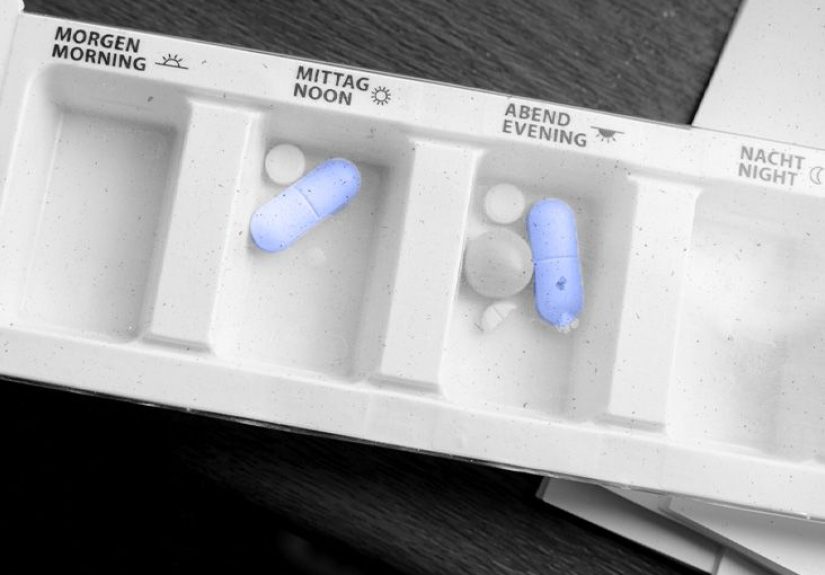
If you use a pill organizer, check with your pharmacist firstsome medications should stay in their original
packaging or container to protect them from moisture, light, or mix-ups.
Keep an updated “medication master list”
Include prescriptions, over-the-counter meds, vitamins, supplements, and herbal products. Bring it to every appointment.
Ask your pharmacist to review it for interactions. If you add something newyes, even “just magnesium”run it by the team.
Track symptoms like a scientist (a slightly tired scientist)
Side effects are easier to manage early. A simple log can help:
- Date/time of dose
- Symptoms (what, when, severity)
- What helped (anti-nausea meds, hydration, rest, food changes)
- When you contacted the care team and what they advised
Follow safe handling basics
- Wash hands before and after handling medication.
- Keep meds away from children and pets, ideally in a sealed container and a cool, dry place.
- Caregivers handling the medication may need gloves, depending on the drug and instructions.
- Do not crush or split pills unless your pharmacist says it’s safe.
- Ask your care team about precautions related to body fluids (like urine/vomit) for a period after dosing, if applicable.
Have a plan for missed dosesbefore you miss one
Don’t improvise. Ask your care team: “If I miss a dose, what exactly should I do?” Different medications have different rules.
Same with vomiting after a doseyour instructions may vary depending on the drug.
Examples of when oral chemotherapy can be especially helpful
Oral chemotherapy isn’t “better” across the board. It’s a tool that can be a great fit in certain scenarios, such as:
- People who live far from treatment centers or have transportation challenges
- Patients balancing work and caregiving who need fewer long clinic days
- Those with difficult vein access or who want to avoid ports when appropriate
- Long-term or maintenance strategies where an oral regimen aligns with the treatment goal
- Some targeted therapy plans where pills are the standard delivery method
Your cancer type, stage, overall health, and treatment goals determine whether an oral regimen is appropriate.
In many cases, oral and IV therapies are used in sequence or combination.
Questions to ask your oncology team (so you leave with clarity, not confusion)
- What is the exact dosing schedule, and does it change by cycle?
- Should I take it with food, without food, or avoid specific foods?
- What side effects require an urgent call versus a mention at my next visit?
- What drug interactions should I watch for (including supplements)?
- How should I store the medication, and how do I dispose of unused doses?
- Do caregivers need gloves or special precautions when handling it?
- What should I do if I miss a dose or vomit after taking one?
- How often will I need labs or check-ins?
Bottom line: the advantages are realand they’re earned
Oral chemotherapy can be a game-changer: fewer infusion visits, more flexibility, and a treatment routine that
can better fit life outside the clinic. It can also reduce some access-related hassles and give patients a stronger
sense of control during a time that often feels uncontrollable.
But oral chemo works best when the system around it is strong: clear education, reliable routines, thoughtful monitoring,
and safe handling. Think of it like moving from “clinic-administered” to “home-administered” treatment: you gain freedom,
but you also take on a bigger role in the process. With good support, that trade can be absolutely worth it.
Experiences with oral chemotherapy: what people often say (and what helps)
The clinical facts matter, but so does the lived experience: how oral chemotherapy feels in daily life, what surprises people,
and what routines actually stick. The stories below are composites of common themes patients and caregivers report to oncology
teamsshared here to make the “real life” part easier to picture.
Experience #1: “I got my time back… and then I realized I’m the infusion center now.”
One of the first reactions many patients have is relief: fewer infusion appointments can mean fewer work disruptions and fewer
long clinic days. People describe it as “getting my time back.” But soon, a new reality shows up: oral chemo shifts responsibility
into the home. Instead of a nurse checking your dose, you’re double-checking your own schedule.
What helps most? Patients often say it’s making the routine automatic. Alarms, a printed schedule, and a “same place, same time”
habit reduce missed doses. One patient described their kitchen counter as “mission control”not because it was glamorous, but because
it kept everything consistent: meds, symptom log, thermometer, and the clinic’s phone number in one easy-to-grab spot.
Experience #2: “It’s easier to live my life, but I have to watch for side effects more carefully.”
Many people expect oral chemo to be gentler. Some do experience manageable side effects, but others learn quickly that “pill” does not mean “mild.”
Because the medication is taken at home, people can delay calling the care teamespecially if they’re trying not to be “a bother.”
The common feedback from nurses and pharmacists is simple: call earlier than you think you should. Side effects are usually
easier to treat when they’re small.
A practical trick patients share: use a one-minute daily check-in. “How’s my nausea? Energy? Appetite? Bowels? Any fever?”
It sounds basic, but it creates a pattern of noticing changes earlybefore you’re suddenly dealing with a problem that needs urgent care.
Experience #3: “The hardest part wasn’t swallowing the pill. It was the paperwork.”
Cost and coverage come up frequently. Patients are sometimes surprised that oral chemo can fall under pharmacy benefits rather than medical benefits,
which may change copays or authorization steps. People describe waiting on approvals as emotionally draininglike your treatment is stuck in traffic.
What helps? Patients often recommend asking about financial support early: copay assistance programs, foundation support, and help through the cancer
center’s financial counselor. Caregivers also mention that specialty pharmacies can be helpful for education and refill coordinationespecially when
the schedule is complex.
Experience #4: “My family wanted to help, but we needed a safety plan.”
Oral chemotherapy can make treatment feel less “medical” at homeuntil someone asks, “Should I touch the pills?” or “Where do we store this?”
Families often feel calmer once they have clear handling rules: storing medication away from kids and pets, washing hands, and knowing whether gloves
are needed for caregivers. For many, the big emotional relief is realizing they don’t have to handle it perfectlythey just need consistent, sensible
precautions based on the care team’s guidance.
One caregiver described it this way: “Once we had the routinewhere it goes, who handles it, when we call the nursewe stopped feeling like we were
doing everything wrong.” That reduction in anxiety is an underrated benefit, because stress can make an already complex routine feel twice as hard.
Experience #5: “Travel was possible again… with planning.”
Some patients love that oral chemo makes short trips possible. They don’t have to organize travel around infusion appointments as often.
But the practical details matter: keeping medication at the right temperature, packing doses in a carry-on (not checked luggage), setting alarms across
time zones, and bringing a written medication list. People who travel successfully often do two things: they plan the dosing schedule with their care team,
and they pack for “what if” scenarioslike having anti-nausea meds available and knowing how to reach the clinic after hours.
Taken together, these experiences point to a consistent theme: oral chemotherapy’s biggest advantage is life integration.
Treatment can fit into daily routines more smoothly than frequent infusions. But that advantage grows when patients feel supported, informed, and equipped
with practical systemsbecause confidence is not a personality trait; it’s a plan.
Conclusion
Oral chemotherapy can offer meaningful advantagesconvenience, flexibility, fewer infusion-center hours, and a stronger sense of controlwhile delivering
powerful cancer treatment at home. The best outcomes come from pairing those benefits with strong adherence habits, smart monitoring, and safe handling
routines. If you’re starting oral chemo, ask detailed questions, build a simple system you can repeat, and lean on your oncology team and pharmacist.
The goal isn’t perfection. It’s consistencyand a treatment plan that supports both your health and your life.