Table of Contents >> Show >> Hide
- What Is Twisted Bacon?
- Why Twisting Bacon Works
- Twisted Bacon vs. Regular Bacon: Which Is Better?
- How to Make Twisted Bacon in the Oven
- The Best Bacon to Use for Twisted Bacon
- Should You Use a Wire Rack?
- Flavor Ideas for Twisted Bacon
- Common Twisted Bacon Mistakes
- Can You Make Twisted Bacon in an Air Fryer?
- How to Serve Twisted Bacon
- How to Store and Reheat Twisted Bacon
- Is Twisting Bacon Worth It?
- My Experience With Twisted Bacon: The Crispy, Chewy Bacon Experiment
- Conclusion
Some kitchen tricks arrive quietly, wearing sensible shoes. Others burst through the door like a brunch guest holding a plate of bacon spirals and yelling, “Everybody look at this!” Twisting bacon belongs firmly in the second group. It is dramatic, a little silly, and suspiciously effective. The idea is simple: take a strip of bacon, twist it into a tight spiral, place it on a baking sheet, and bake it until the outside gets crisp while the inside stays chewy and juicy.
So, is twisting bacon the secret to your best bacon ever? The honest answer is: it might be, depending on what you believe “best bacon” means. If your dream bacon is shatteringly flat, ultra-crisp from end to end, and ready to slide neatly into a BLT, traditional oven bacon may still be your champion. But if you love bacon that is crispy on the ridges, tender in the center, snackable like a savory breadstick, and ridiculously fun to serve, twisted bacon deserves a place in your breakfast hall of fame.
This guide breaks down what twisted bacon is, why the method works, how to make it, when it beats regular bacon, when it does not, and how to customize it without turning your sheet pan into a smoky science experiment. Grab the tongs. Things are about to get crispy.
What Is Twisted Bacon?
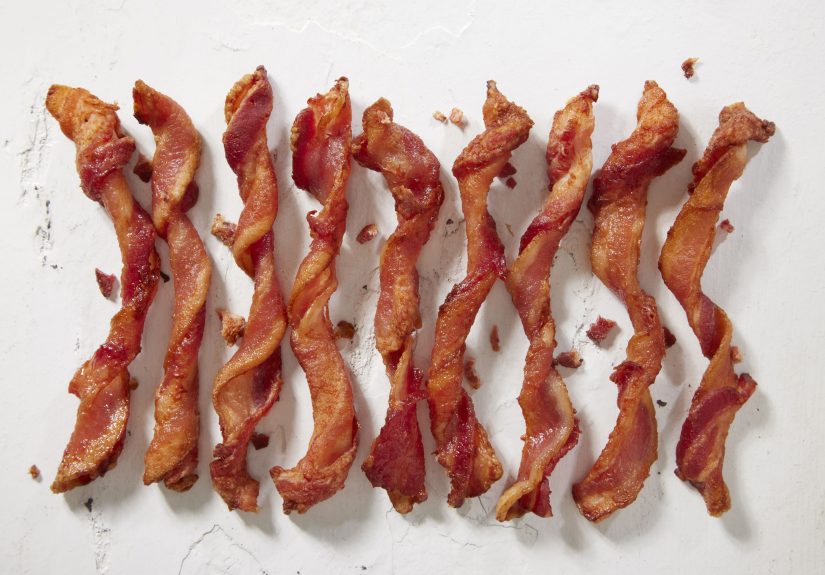
Twisted bacon, sometimes called bacon twists or spiral bacon, is exactly what it sounds like: bacon strips twisted lengthwise before cooking. Instead of lying flat on a pan, each slice becomes a rope-like spiral. As it bakes, the exposed edges brown and crisp, while the folds and interior sections hold on to a little more fat and moisture.
The result is a different bacon experience. Regular oven bacon is familiar: flat, crisp, and dependable. Twisted bacon is more playful. It has crunchy peaks, chewy valleys, and a shape that makes it easy to pick up at brunch, serve as an appetizer, or pile beside eggs without looking like you tried too hard. Even though, let’s be honest, you did twist raw bacon with your fingers. That counts as effort.
Why Twisting Bacon Works
The magic of twisted bacon is not magic at all. It is geometry wearing a breakfast hat.
More Texture in Every Bite
When bacon lies flat, it cooks fairly evenly across the surface. That is great if you want consistent crispness. But twisting changes the shape. The outer ridges get more direct heat, so they crisp up first. The inner folds cook more slowly and stay a little softer. That contrast is the whole point. One bite gives you crisp edges and a chewy center, which is basically bacon doing a duet with itself.
Better Fat Rendering Without Babysitting
Good bacon depends on rendered fat. If the fat melts slowly and evenly, the meat browns beautifully instead of burning too quickly. Baking twisted bacon in the oven gives the strips steady heat from all around. Because the bacon is lifted and curved by its own spiral shape, the fat can render into the pan while the twists continue to brown.
A Snackable Shape
Flat bacon is wonderful, but it can be fragile. Twisted bacon is sturdier. The rope-like shape makes each piece easier to grab, dip, stack, and serve. That is why it works especially well for brunch boards, breakfast buffets, game-day snacks, and any gathering where people hover around the kitchen pretending they are “just helping.”
Twisted Bacon vs. Regular Bacon: Which Is Better?
Calling twisted bacon “better” than regular bacon is like saying pancakes are better than waffles. It depends on the mood, the meal, and whether you own a waffle maker that has betrayed you before.
Choose Twisted Bacon If You Want:
- A crispy-chewy texture combination
- Bacon that feels like a snack or appetizer
- A fun presentation for brunch or parties
- Less stovetop splatter than pan-frying
- A method that works well for cooking a full package at once
Choose Flat Oven Bacon If You Want:
- Even crispness from edge to edge
- Perfect strips for sandwiches
- Bacon that crumbles easily for salads or baked potatoes
- Less hands-on prep before cooking
- A predictable, classic texture
In other words, twisted bacon is not a replacement for every bacon moment. It is a special move. Use it when texture and presentation matter. Use flat bacon when the bacon needs to behave itself inside a sandwich.
How to Make Twisted Bacon in the Oven
The oven is the best place to start with twisted bacon. It gives you even heat, fewer grease splatters, and enough room to cook several strips at once. A rimmed baking sheet is non-negotiable because bacon fat needs somewhere safe to go. A flat cookie sheet with no rim is not brave; it is chaos with handles.
Ingredients
- 1 pound bacon, regular-cut or thick-cut
- Optional: black pepper, brown sugar, maple syrup, smoked paprika, cayenne, garlic powder, or everything bagel seasoning
Equipment
- Large rimmed baking sheet
- Parchment paper or aluminum foil
- Tongs
- Paper towels
- Optional: wire rack
Step-by-Step Instructions
- Preheat the oven to 375°F or 400°F. Use 375°F for a slightly gentler bake and 400°F for faster browning. Thick-cut bacon may benefit from the lower temperature and a longer cook time.
- Line a rimmed baking sheet. Foil makes cleanup easier, while parchment helps reduce sticking. Either works. For extra airflow, place a wire rack over the lined pan.
- Twist each strip. Hold one end of a bacon strip and twist the other end until the whole slice forms a spiral. For crispier bacon, twist tightly. For chewier bacon, twist more loosely.
- Arrange the bacon in a single layer. The twists can sit close together, but they should not overlap. Overlapping bacon steams instead of browns, and steamed bacon is a sentence no breakfast table wants to hear.
- Bake until browned and crisp. Regular-cut twisted bacon usually takes about 25 to 35 minutes. Thick-cut bacon can take 35 to 45 minutes, depending on your oven and desired texture.
- Drain and cool. Transfer the bacon twists to a paper towel-lined plate. They will firm up more as they cool, so do not panic if they seem slightly flexible when they first leave the oven.
Note: Cooking times vary because bacon thickness, sugar content, oven accuracy, and personal crispness preferences all matter. Start checking early near the end of the baking window. Bacon can go from “perfectly bronzed” to “campfire souvenir” faster than anyone appreciates.
The Best Bacon to Use for Twisted Bacon
Regular-cut bacon is the easiest to twist and the most beginner-friendly. It spirals neatly, cooks at a reasonable pace, and gives a balanced crisp-chewy result. Thick-cut bacon creates a meatier, more dramatic twist, but it takes longer to cook and may be harder to twist tightly.
Thin bacon can work, but it cooks quickly and may become brittle. If you use thin slices, check early and often. Turkey bacon can also be twisted, though it behaves differently because it contains less fat. It may dry out faster, so a light brush of oil or maple glaze can help improve texture.
Should You Use a Wire Rack?
A wire rack is helpful, but not required. With a rack, hot air circulates around the bacon, and the fat drips below. This can create a cleaner, crisper finish. Without a rack, the bacon cooks partly in its own rendered fat, which can make it richer and slightly more tender.
If you want crispier bacon twists, use a rack. If you want a juicier, more indulgent bite, bake directly on parchment or foil. Neither method is wrong. One is just wearing gym shoes, and the other brought butter to the meeting.
Flavor Ideas for Twisted Bacon
Plain twisted bacon is already delicious, but seasonings can make it brunch-board famous. The key is restraint. Bacon is salty, smoky, and fatty on its own. You are adding accessories, not giving it a marching band uniform.
Sweet and Smoky Twisted Bacon
Sprinkle the twists lightly with brown sugar, smoked paprika, and black pepper before baking. The sugar caramelizes as the bacon cooks, creating a candied edge. Watch carefully near the end because sugar can burn.
Maple Pepper Bacon Twists
Brush the bacon lightly with maple syrup during the last 10 minutes of baking, then add cracked black pepper. Adding syrup too early can lead to scorching, so patience is your friend here.
Spicy Bacon Twists
Add cayenne, chili powder, or crushed red pepper for a little heat. This version is excellent with eggs, breakfast tacos, or a biscuit sandwich. It also wakes up sleepy brunch guests without requiring you to make small talk before coffee.
Everything Bagel Bacon
Sprinkle everything bagel seasoning over the twists before baking. Because many blends are salty, use a light hand. The sesame, garlic, onion, and poppy seeds create a savory crust that tastes especially good with cream cheese toast.
Common Twisted Bacon Mistakes
Twisting Too Loosely
A loose twist creates a softer piece of bacon. That may be exactly what you want, but if your goal is crispy bacon twists, tighten the spiral. The tighter the twist, the more pronounced the ridges and the crunch.
Overcrowding the Pan
Yes, bacon shrinks. No, that does not mean you should stack it like lumber. Keep the twists in a single layer. If you are cooking for a crowd, use two sheet pans and rotate them halfway through baking.
Using a Pan Without a Rim
Bacon releases fat. A lot of fat. A rimmed baking sheet keeps that fat contained. Using a rimless pan is how breakfast becomes a floor-cleaning event.
Pulling It Too Late
Bacon continues to firm as it cools. If it looks perfectly crisp in the oven, it may become overly hard by the time it reaches the plate. Remove it when it is browned and just shy of your ideal final texture.
Can You Make Twisted Bacon in an Air Fryer?
Yes, twisted bacon works in an air fryer, especially if you are making a smaller batch. Air fryers circulate heat quickly, so the bacon can crisp nicely in less time than the oven. Arrange the twists in a single layer and cook at about 350°F to 375°F, checking often. Depending on thickness, it may take 8 to 15 minutes.
The downside is capacity. Most air fryer baskets cannot hold a full pound of twisted bacon unless you cook in batches. The upside is speed and crispness. If you only need a few pieces, the air fryer is a strong option. If you are feeding six hungry humans and one suspiciously bacon-aware dog, use the oven.
How to Serve Twisted Bacon
Twisted bacon is more than a breakfast side. Its shape makes it perfect for creative serving ideas. Add it to a brunch board with eggs, biscuits, fruit, waffles, and cheese. Stand the twists upright in a glass like savory breadsticks. Serve them with pancakes so people can alternate sweet and salty bites. Chop leftovers into chunky pieces for salads, baked potatoes, macaroni and cheese, or breakfast burritos.
For appetizers, pair bacon twists with dips such as honey mustard, maple cream cheese, spicy ranch, or a smoky barbecue sauce. If you go the dip route, keep the bacon crisp by serving it shortly after cooking. Bacon has many talents, but waiting politely for two hours while staying crunchy is not one of them.
How to Store and Reheat Twisted Bacon
Cool cooked bacon before storing, then place it in an airtight container in the refrigerator. For best quality, enjoy it within a few days. Reheat bacon twists in the oven or air fryer at 350°F until warmed and crisp again. The microwave works in a hurry, but it may soften the texture.
If you plan to make twisted bacon ahead for brunch, slightly undercook it the first time. Then reheat it just before serving so the twists finish crisping without becoming dry. This make-ahead trick is especially useful when your morning schedule includes coffee, guests, and pretending your kitchen always looks that clean.
Is Twisting Bacon Worth It?
Twisting bacon is worth it when you want bacon with personality. It takes a few extra minutes of prep, but the payoff is real: better texture contrast, easier serving, and a fun presentation that makes ordinary bacon feel special. The method is especially useful for brunches, holidays, low-effort appetizers, and meal prep when you want bacon that reheats well and feels a little more exciting than flat strips.
However, it is not always the best method. For sandwiches, burgers, and recipes where bacon needs to lie flat, regular oven bacon is more practical. For ultra-crisp bacon crumbles, flat strips are easier to chop. Twisted bacon shines when it gets to be the star, not when it is hiding under lettuce and tomato.
My Experience With Twisted Bacon: The Crispy, Chewy Bacon Experiment
The first time I tried twisted bacon, I expected a gimmick. Food trends often arrive with big promises and leave behind sticky pans. But twisted bacon surprised me. The prep looked almost too simple: twist, place, bake. There was no special equipment, no secret marinade, and no need to whisper encouragement to the pork. Still, the finished bacon had a texture I could not get from flat strips. The outside ridges were crisp enough to snap, while the inner spiral stayed chewy and rich.
The biggest lesson from that first batch was that twist tightness matters. I made some pieces loosely twisted and others tightly spiraled. The loose ones tasted good, but they were softer and more bacon-rope than bacon-crunch. The tight twists cooked into sturdier pieces with better texture. They also looked better on the plate, which matters more than we admit. Food should taste good, but if it also looks like you know what you are doing, congratulationsyou have beaten Tuesday morning.
I also learned that thick-cut bacon is both wonderful and slightly stubborn. It makes a hearty twist with a meaty bite, but it takes patience. If the oven is too hot, the outside can brown before the interior fully renders. For thick-cut twisted bacon, I prefer a moderate temperature and a longer bake. It gives the fat time to melt slowly, which creates a better final texture. Regular-cut bacon is easier for beginners because it twists neatly and cooks more predictably.
Seasoning is another area where less is more. A little black pepper is almost always a good idea. Brown sugar is delicious, but it needs supervision because it can darken quickly. Maple syrup works best near the end of baking, not at the beginning. Everything bagel seasoning is fun, but some blends are salty enough to make your bacon taste like it joined a sodium gym. Start light, taste, and adjust next time.
For serving, twisted bacon is at its best when people can pick it up with their hands. I like it beside scrambled eggs, tucked onto a brunch board, or served with pancakes and fruit. It also makes a great snack for guests because it feels more intentional than a pile of flat strips. The shape turns bacon into finger food, and finger food has a mysterious power to disappear faster than anyone will admit.
The cleanup is also easier than pan-frying, especially if the baking sheet is lined properly. That said, use a rimmed pan every single time. Bacon grease is not something you want wandering freely through the oven. Let the fat cool before discarding it or saving it in a heat-safe container. Future potatoes, green beans, cornbread, and breakfast hashes will thank you.
So, is twisting bacon the secret to your best bacon ever? In my kitchen, it is not the only bacon method worth using, but it is the most fun. It turns a familiar ingredient into something crispier, chewier, more snackable, and more memorable. If regular bacon is the reliable friend who shows up on time, twisted bacon is the friend who arrives with a playlist, a waffle bar, and a suspiciously excellent idea. Sometimes, that is exactly what breakfast needs.
Conclusion
Twisted bacon is more than a viral bacon hack. It is a smart, simple technique that changes how bacon cooks by creating crisp ridges, tender folds, and a fun spiral shape. It works best in the oven, where steady heat helps render the fat and brown the meat without constant flipping. The method is easy enough for a weekday breakfast but impressive enough for brunch, parties, and appetizer trays.
If you love bacon that is completely flat and evenly crisp, traditional oven bacon may still be your go-to. But if you want bacon with crunch, chew, character, and a little “look what I made” energy, twisting bacon is absolutely worth trying. Your best bacon ever may not require a fancy pan, a chef’s diploma, or a secret family recipe. It may just need one simple twist.