Table of Contents >> Show >> Hide
- What Makes Asian-Style Dumplings So Good?
- Basic Homemade Dumpling Wrappers
- Way 1: Chinese Pork and Napa Cabbage Jiaozi
- Way 2: Japanese Pan-Fried Gyoza
- Way 3: Korean Kimchi-Tofu Mandu
- Way 4: Cantonese-Style Pork and Shrimp Siu Mai
- How to Fold Dumplings Without Losing Your Mind
- Freezing and Storing Homemade Dumplings
- Easy Dumpling Dipping Sauces
- Common Dumpling Mistakes to Avoid
- Kitchen Experience: What Making Dumplings from Scratch Teaches You
- Conclusion
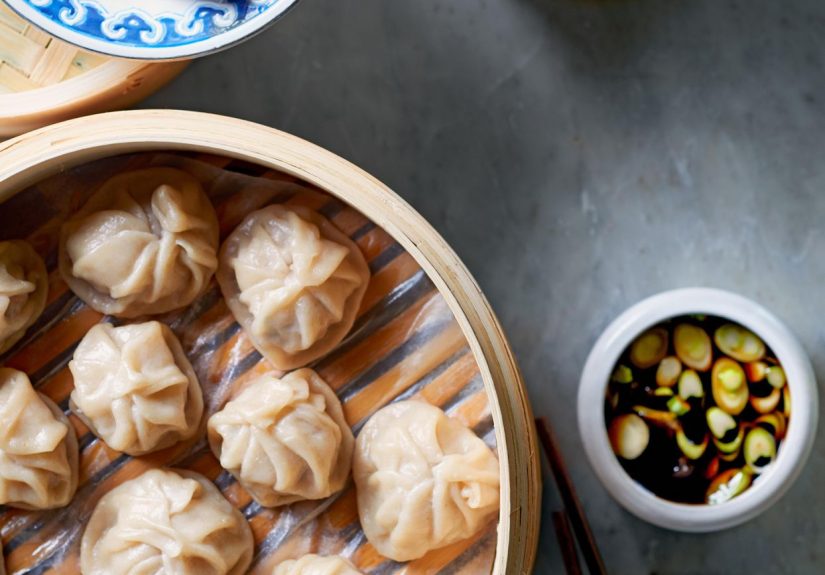
Few foods are as small, comforting, and suspiciously capable of disappearing from a plate as fast as Asian-style dumplings. One minute you have a tray of neatly folded little parcels. The next minute, everyone is “just tasting one more,” and suddenly dinner has become a crime scene with soy sauce fingerprints.
The good news: learning how to make dumplings from scratch is much easier than it looks. You do not need a restaurant kitchen, a bamboo steamer collection, or an auntie standing over your shoulder judging your pleats. You need flour, water, a flavorful filling, a little patience, and a willingness to accept that your first few dumplings may look like tiny edible laundry bags. That is completely normal.
This guide walks you through homemade dumpling wrappers, smart filling techniques, folding basics, cooking methods, dipping sauces, and four Asian-style dumpling variations: Chinese pork and cabbage jiaozi, Japanese pan-fried gyoza, Korean kimchi-tofu mandu, and Cantonese-inspired pork and shrimp siu mai. Each style has its own personality, but the foundation is the same: tender dough, balanced seasoning, juicy filling, and the kind of crispy or steamy finish that makes everyone hover around the stove.
What Makes Asian-Style Dumplings So Good?
Asian dumplings are built on contrast. A good dumpling wrapper should be soft but not mushy, thin but not fragile, chewy but not rubbery. The filling should be savory, juicy, and aromatic, with enough texture to keep each bite interesting. Garlic, ginger, scallions, sesame oil, soy sauce, napa cabbage, mushrooms, shrimp, pork, tofu, chives, and kimchi are common ingredients because they bring depth without making the dumpling heavy.
Many dumplings also rely on moisture management. That sounds very scientific, but it really means this: watery vegetables can ruin your filling if you do not drain them properly. Napa cabbage, zucchini, mushrooms, and kimchi all release liquid. Salt them, squeeze them, chop them finely, or cook them briefly depending on the recipe. A dry wrapper plus a wet filling equals dumpling heartbreak.
Another secret is repetition. The first dumpling may look odd. The fifth will look acceptable. By the twentieth, you will probably start giving unsolicited dumpling-folding advice to anyone within six feet. That is the natural path.
Basic Homemade Dumpling Wrappers
Store-bought wrappers are useful, but homemade dumpling wrappers have a softer chew and fresher flavor. They are especially good for boiled Chinese dumplings, pan-fried potstickers, and mandu. For gyoza and siu mai, you can roll the dough thinner or use store-bought wrappers when you want a lighter finish.
Ingredients for Homemade Dumpling Dough
- 2 cups all-purpose flour
- 3/4 cup warm water, plus more if needed
- 1/4 teaspoon salt
- Extra flour for dusting
How to Make the Dough
Add the flour and salt to a mixing bowl. Slowly pour in warm water while stirring with chopsticks, a fork, or your fingers. When shaggy clumps form, knead the dough until it becomes a rough ball. Cover it and let it rest for 10 minutes. Knead again until smoother, then cover and rest for at least 30 minutes.
Resting matters because it lets the flour hydrate and relaxes the gluten. Translation: the dough stops fighting you. After resting, divide it into small pieces, roll each piece into a rope, cut into walnut-size portions, flatten, and roll into thin rounds. Aim for wrappers about 3 to 4 inches wide. The edges should be slightly thinner than the center so the pleated seam does not become too thick.
Way 1: Chinese Pork and Napa Cabbage Jiaozi
Chinese jiaozi are classic folded dumplings that can be boiled, steamed, or pan-fried. The filling is often pork-based, but chicken, shrimp, mushrooms, or tofu can work beautifully. Pork and napa cabbage remain a favorite because the pork brings richness while cabbage adds sweetness and moisture.
Filling Ingredients
- 1 pound ground pork
- 2 cups finely chopped napa cabbage
- 2 scallions, finely sliced
- 1 tablespoon grated ginger
- 2 cloves garlic, minced
- 1 tablespoon soy sauce
- 1 tablespoon Shaoxing wine or dry sherry
- 1 teaspoon sesame oil
- 1/2 teaspoon white pepper
- 1/2 teaspoon sugar
- 1/2 teaspoon salt, plus more for cabbage
Method
Salt the chopped napa cabbage lightly and let it sit for 10 to 15 minutes. Squeeze out as much liquid as possible. This step keeps the filling juicy without flooding the wrapper. In a bowl, combine the pork, cabbage, scallions, ginger, garlic, soy sauce, wine, sesame oil, white pepper, sugar, and salt. Stir in one direction until the mixture becomes slightly sticky. That sticky texture helps the filling hold together.
Place one wrapper in your palm. Add about 1 tablespoon of filling to the center. Dip your finger in water and moisten the edge. Fold the wrapper into a half-moon and pinch the center. Pleat one side toward the center, pressing firmly to seal. Do not overfill. Dumplings are like suitcases: once you cram them too full, nobody is having a good time.
Best Cooking Method
For boiled jiaozi, bring a large pot of water to a gentle boil. Add dumplings in batches and stir gently so they do not stick. When the water returns to a boil, add a small splash of cold water. Repeat once or twice until the wrappers look tender and the filling is cooked through. For pork dumplings, the filling should reach a safe internal temperature of 160°F.
Way 2: Japanese Pan-Fried Gyoza
Japanese gyoza are usually smaller, thinner, and more garlicky than many Chinese dumplings. They are famous for their crisp golden bottoms and tender steamed tops. The pan-fry-and-steam method gives you the best of both worlds: crunch and juiciness in one bite.
Filling Ingredients
- 1/2 pound ground pork
- 1 1/2 cups finely chopped cabbage
- 2 garlic cloves, grated
- 1 teaspoon grated ginger
- 2 scallions, minced
- 1 tablespoon soy sauce
- 1 teaspoon sesame oil
- 1 teaspoon sake or mirin
- 1/4 teaspoon black pepper
- Thin homemade or store-bought gyoza wrappers
Method
Salt and squeeze the cabbage to remove extra water. Mix it with pork, garlic, ginger, scallions, soy sauce, sesame oil, sake or mirin, and pepper. Stir until the filling is cohesive. Spoon a small amount into each wrapper, moisten the edge, fold, and pleat tightly. Gyoza wrappers are usually thinner, so a gentle hand is your friend.
How to Pan-Fry Gyoza
Heat a nonstick or well-seasoned skillet over medium-high heat. Add a thin layer of oil. Arrange the gyoza flat-side down and cook until the bottoms turn golden, about 2 to 3 minutes. Add a few tablespoons of water, cover immediately, and steam until the water evaporates. Remove the lid and let the bottoms crisp again. Serve hot with a dipping sauce made from soy sauce, rice vinegar, and chili oil.
The trick is not moving the gyoza too early. Let them form a crust before adding water. If you poke them every 12 seconds, they will not become crisp; they will become annoyed.
Way 3: Korean Kimchi-Tofu Mandu
Korean mandu are wonderfully versatile. They can be steamed, boiled in soup, pan-fried, or added to hot broth for mandu-guk. Many versions include pork, beef, tofu, glass noodles, bean sprouts, cabbage, chives, and kimchi. This version uses kimchi and tofu for a bold, savory filling that can be made vegetarian if you skip the meat entirely.
Filling Ingredients
- 1 cup firm tofu, pressed and crumbled
- 1 cup finely chopped kimchi, squeezed dry
- 1/2 pound ground pork or finely chopped mushrooms
- 1/2 cup cooked glass noodles, chopped
- 2 scallions, minced
- 1 tablespoon soy sauce
- 1 teaspoon sesame oil
- 1 teaspoon grated garlic
- 1/2 teaspoon grated ginger
- 1/4 teaspoon black pepper
Method
Press the tofu well so it does not water down the filling. Squeeze the kimchi, then chop it finely. Combine tofu, kimchi, pork or mushrooms, chopped glass noodles, scallions, soy sauce, sesame oil, garlic, ginger, and pepper. Mix until evenly distributed.
Place filling in the center of a wrapper, wet the edges, fold into a half-moon, and seal. For a traditional mandu shape, bring the two corners together and pinch them so the dumpling forms a rounded pouch. This shape is excellent for steaming and soup because it holds together nicely.
Best Cooking Method
Steam mandu for 8 to 10 minutes, depending on size, or pan-fry them like potstickers. They are also excellent in broth. Add them to simmering soup and cook until the wrappers are tender and the filling is hot throughout. If using ground pork, make sure the filling reaches 160°F. If using poultry, cook to 165°F.
Way 4: Cantonese-Style Pork and Shrimp Siu Mai
Siu mai are open-top dumplings often seen at dim sum restaurants. Unlike sealed dumplings, they stand upright and show off their filling. They look fancy but are surprisingly beginner-friendly because you do not need perfect pleats. The wrapper hugs the filling, the top stays open, and everyone thinks you are more skilled than you are. This is the kind of kitchen magic we support.
Filling Ingredients
- 1/2 pound ground pork
- 1/2 pound raw shrimp, peeled, deveined, and chopped
- 2 dried shiitake mushrooms, soaked and minced
- 1 tablespoon soy sauce
- 1 teaspoon oyster sauce
- 1 teaspoon sesame oil
- 1 teaspoon grated ginger
- 1 teaspoon cornstarch
- 1/4 teaspoon white pepper
- Round or square wonton wrappers
- Finely diced carrot or peas for garnish
Method
Mix pork, shrimp, mushrooms, soy sauce, oyster sauce, sesame oil, ginger, cornstarch, and white pepper. Stir until sticky. Place a wrapper over the circle made by your thumb and index finger. Spoon filling into the center and gently press it down so the wrapper gathers around the sides. Flatten the bottom so the dumpling can stand. Garnish the top with a tiny piece of carrot or a pea.
Best Cooking Method
Line a steamer basket with parchment paper, cabbage leaves, or perforated steamer liners. Arrange siu mai with space between them and steam for 8 to 10 minutes, or until the filling is cooked through and the shrimp turns opaque. Serve with soy sauce, chili crisp, or a simple ginger-scallion dipping sauce.
How to Fold Dumplings Without Losing Your Mind
Folding dumplings is not about perfection. It is about sealing the filling inside so dinner does not escape into the pot. Start with three beginner-friendly folds: the simple half-moon, the pleated crescent, and the pouch.
Simple Half-Moon Fold
Add filling to the center, wet the edge, fold the wrapper in half, and press firmly. This is the easiest fold and works for boiled dumplings, steamed dumplings, and mandu.
Pleated Crescent Fold
Fold the wrapper in half and pinch the center. Make small pleats on one side, pressing each pleat into the flat back edge. This creates the classic potsticker shape with a flat bottom.
Pouch Fold
Fold into a half-moon, then bring the two corners together and pinch. This shape is ideal for Korean mandu and dumpling soup.
Freezing and Storing Homemade Dumplings
Dumplings are one of the best freezer foods on earth. Place uncooked dumplings on a parchment-lined tray in a single layer. Freeze until firm, then transfer them to freezer bags or airtight containers. Do not toss fresh dumplings directly into a bag unless you want one giant dumpling boulder.
Cook frozen dumplings straight from the freezer. Add a few extra minutes to the cooking time. For pan-fried dumplings, start with the same fry-and-steam method, but use slightly more water and steam longer. For boiled dumplings, simmer gently so the wrappers do not burst.
Easy Dumpling Dipping Sauces
A dumpling without sauce is still good, but a dumpling with sauce has a tiny spotlight and theme music. Try these quick combinations:
- Classic soy-vinegar sauce: 2 tablespoons soy sauce, 1 tablespoon rice vinegar, 1 teaspoon chili oil.
- Gyoza sauce: Equal parts soy sauce and rice vinegar with a few drops of sesame oil.
- Korean mandu sauce: Soy sauce, vinegar, gochugaru, sesame seeds, and sliced scallion.
- Dim sum-style sauce: Soy sauce, chili crisp, and a little grated ginger.
Common Dumpling Mistakes to Avoid
Using Filling That Is Too Wet
Wet filling causes wrappers to tear and dumplings to burst. Squeeze watery vegetables and drain tofu, mushrooms, and kimchi well.
Overfilling the Wrapper
More filling seems generous until the dumpling refuses to close. Start with less than you think you need. A well-sealed small dumpling beats an exploding jumbo dumpling every time.
Letting Wrappers Dry Out
Keep wrappers covered with a clean towel while you work. Dry wrappers crack, and cracked wrappers leak.
Cooking Too Many at Once
Whether boiling, steaming, or pan-frying, give dumplings space. Crowding lowers the temperature and makes sticking more likely.
Kitchen Experience: What Making Dumplings from Scratch Teaches You
The first time you make Asian-style dumplings from scratch, you may expect a neat, peaceful cooking project. In reality, it often begins with flour on the counter, filling on your fingers, and one wrapper that somehow becomes shaped like a geography quiz. That is part of the charm. Dumpling-making is not just a recipe; it is a rhythm. Once the dough rests, the filling is mixed, and the first few wrappers are rolled, your hands begin to understand what the instructions cannot fully explain.
One of the biggest lessons is that texture matters more than fancy technique. Dough that feels too stiff needs a little more rest. Filling that looks loose needs draining or more mixing. A wrapper that tears may be too thin, too dry, or holding too much filling. These small observations turn a recipe into a skill. By the end of one batch, you know more than you did at the start, even if some dumplings look like they survived a kitchen thunderstorm.
Making dumplings is also a great reminder that food does not have to be perfect to be memorable. A tray of homemade jiaozi, gyoza, mandu, or siu mai brings people toward the kitchen. Someone wants to help fold. Someone else wants to “test” the sauce. Another person claims they are terrible at pleating, then becomes weirdly competitive after three tries. Dumplings make cooking social because the work is repetitive in the best way. You can talk, laugh, fold, and compare shapes while dinner slowly appears piece by piece.
Another experience worth mentioning is the freezer victory. After making a big batch, seeing rows of uncooked dumplings lined up like tiny soldiers is deeply satisfying. Future you will be grateful. On a busy night, frozen homemade dumplings can go from freezer to skillet or pot with almost no effort. They taste better than most emergency dinners and require fewer negotiations than deciding what to order for takeout.
The sauces become personal, too. Some people want extra vinegar. Some want chili crisp on everything, including probably breakfast cereal. Some prefer a clean soy-ginger dip. That flexibility is why dumplings work for so many tables. You can keep the filling mild and let the sauces bring the drama.
Most importantly, homemade dumplings teach patience without making patience boring. Rolling wrappers, sealing edges, and cooking in batches slows you down just enough to enjoy the process. When the first pan of gyoza comes out with crisp golden bottoms, or the first steamer of siu mai opens with that savory cloud of aroma, the work feels completely worth it. You made something small, handmade, and full of flavor. Then everyone eats it in five minutes, which is both flattering and mildly unfair.
Conclusion
Learning how to make dumplings Asian-style from scratch is one of the most rewarding cooking projects you can try at home. With one simple dough and a few flexible fillings, you can create Chinese jiaozi, Japanese gyoza, Korean mandu, and Cantonese-style siu mai. The techniques are practical, the ingredients are approachable, and the results are exactly the kind of food people remember.
Start with one style, master the basics, and then experiment with fillings, folds, sauces, and cooking methods. Your dumplings do not need to look restaurant-perfect. They just need to be sealed, cooked safely, and delicious enough to make everyone reach for another. That part, thankfully, is not hard.