Table of Contents >> Show >> Hide
- Why Medieval Christmas Traditions Still Work Today
- 1. Host a Twelve Days of Christmas Feast
- 2. Crown a Lord or Lady of Misrule
- 3. Serve Wassail and Raise a Medieval Toast
- 4. Bring Back Mumming, Masks, and Mini Performances
- 5. Decorate with Holly, Ivy, Mistletoe, and Evergreens
- 6. Light a Yule Log or Create a Symbolic Centerpiece
- 7. Serve Medieval-Inspired Pies, Spices, and Sweets
- 8. End with a Twelfth Night-Style Game or Cake
- How to Plan a Medieval Christmas Party Without Overdoing It
- Food and Drink Ideas for a Medieval Christmas Menu
- Music, Games, and Atmosphere
- Experiences Inspired by Medieval Christmas Traditions
- Conclusion: Make Your Holiday Party Merrier, Stranger, and More Memorable
- SEO Tags
Modern Christmas parties are wonderful, but let’s be honest: after the third tray of cookies and the fifth playlist loop of “Jingle Bell Rock,” even the most cheerful guest may start eyeing the exit like a medieval knight spotting a dragon. The solution? Borrow a little festive drama from the Middle Ages.
Medieval Christmas was not a quiet one-day affair with matching pajamas and polite small talk. In many parts of Europe, especially England, Christmas stretched across the Twelve Days, from Christmas Day through Twelfth Night. It mixed churchgoing, feasting, singing, role reversals, games, greenery, spiced drinks, symbolic foods, and enough merriment to make your average office party look like a budget meeting.
The good news is that you do not need a castle, a moat, or a suspiciously large turkey leg to bring medieval Christmas traditions into your holiday party. With a little creativity, you can turn these old customs into modern, guest-friendly activities that feel festive, funny, and memorable. Below are eight historically inspired medieval Christmas traditions that can liven up your celebration without requiring anyone to sleep in a drafty stone hall.
Why Medieval Christmas Traditions Still Work Today
Medieval Christmas traditions were built around community. People gathered to eat, sing, drink, perform, decorate, exchange small gifts, and temporarily loosen the strict rules of daily life. That is exactly what a great holiday party should do: bring people together, give them something to laugh about, and create a memory stronger than “someone brought spinach dip.”
These traditions also work because they are interactive. Instead of asking guests to stand around balancing plates on their knees, medieval-inspired party ideas invite them to toast, crown a mock ruler, perform silly scenes, taste spiced foods, decorate with greenery, and play games. In other words, they transform guests from spectators into participants. That is the secret sauceor perhaps the secret wassail.
1. Host a Twelve Days of Christmas Feast
In the Middle Ages, Christmas was not limited to December 25. The holiday season often unfolded over twelve days, ending with Twelfth Night, a lively finale associated with feasting, music, games, and comic disorder. For medieval Christians, Advent was a period of fasting and preparation, so Christmas Day opened the door to richer food and serious celebration.
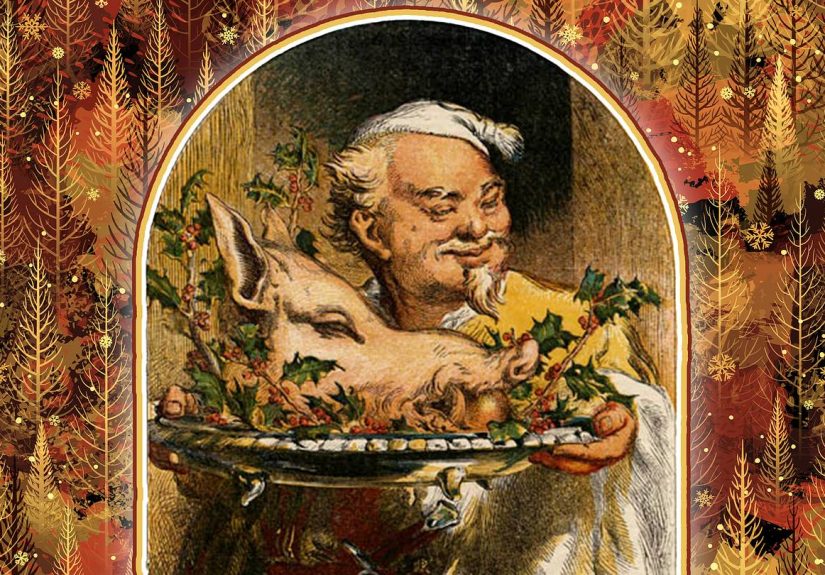
To adapt this tradition for a modern holiday party, build your menu around abundance rather than formality. You do not need to serve swan, peacock, or a full boar’s headyour guests and local health inspector will thank you. Instead, create a “Twelve Bites of Christmas” table with small dishes inspired by medieval flavors: roasted meats, cheese boards, spiced nuts, dried fruits, crusty bread, honey butter, baked apples, savory pies, gingerbread, fruit tarts, and mulled cider.
Modern Party Idea
Label each dish as one of the “twelve festive bites.” This gives your buffet a story and makes even simple foods feel intentional. Add a small card explaining that medieval Christmas celebrations often lasted for days, which is a charming way to justify going back for thirds.
2. Crown a Lord or Lady of Misrule
Few medieval Christmas customs are as delightfully party-ready as the Lord of Misrule. In late medieval and early Tudor England, a mock official could be appointed to oversee Christmas entertainment, processions, games, plays, and general silliness. This temporary ruler turned normal order upside down, creating a playful atmosphere where jokes, costumes, and harmless chaos were part of the fun.
At your party, appoint a Lord, Lady, or Ruler of Misrule. This person does not need actual governing skills. In fact, questionable judgment may be an advantage. Give them a paper crown, a wooden spoon scepter, or a glittery staff from the craft aisle. Their duties can include announcing games, leading a toast, assigning funny titles to guests, or declaring “mandatory merriment” every hour.
Modern Party Idea
Choose the ruler by drawing a name from a bowl or hiding a bean in a cupcake. Whoever finds it becomes the ruler for the evening. Keep the role lighthearted: no embarrassing dares, no forced speeches, and definitely no declaring war on the dessert table.
3. Serve Wassail and Raise a Medieval Toast
Wassail comes from an Old English greeting meaning something like “be well” or “good health.” In medieval and early modern celebrations, wassail was both a drink and a ritual of good wishes. A warm bowl of ale, cider, honey, spices, or wine might be shared among guests, while people toasted one another with cheerful phrases.
For a modern party, wassail is one of the easiest medieval Christmas traditions to revive. Make a large slow-cooker batch of spiced apple cider with cinnamon sticks, cloves, orange slices, ginger, and a little honey or brown sugar. Offer rum or brandy on the side for adults who want it, and keep the main batch alcohol-free so everyone can join in.
Modern Party Idea
Before dinner, invite everyone to raise a cup and say, “Wassail!” Then ask each guest to offer one quick wish for the group: good health, fewer emails, a snow day, or the courage to finally assemble that bookshelf. It is simple, warm, and much more memorable than someone mumbling, “Cheers, I guess.”
4. Bring Back Mumming, Masks, and Mini Performances
Mumming was a form of festive performance involving disguises, masks, music, dances, comic scenes, and sometimes mock battles. In medieval and later Christmas customs, groups of performers might travel from house to house, entertaining people with playful drama. Think of it as community theater with more masks and fewer online ticket fees.
You can adapt mumming without turning your living room into a full theatrical production. Set up a small basket of simple costume pieces: paper masks, scarves, crowns, capes, bells, fake mustaches, and toy swords. Invite guests to act out short holiday prompts in teams. The sillier the better.
Modern Party Idea
Create prompt cards such as “a knight tries to wrap a gift,” “a dragon steals the Christmas pudding,” or “three villagers argue over the last mince pie.” Give each team five minutes to prepare and one minute to perform. Award prizes for “Most Medieval,” “Best Dramatic Collapse,” and “Most Likely to Be Banished from Court.”
5. Decorate with Holly, Ivy, Mistletoe, and Evergreens
Long before plastic garlands and pre-lit trees, winter greenery brought life into dark homes. Medieval households used holly, ivy, mistletoe, bay, rosemary, and other evergreens to decorate during the Christmas season. These plants carried associations with protection, fertility, renewal, and hope during the coldest part of the year.
To create a medieval-inspired atmosphere, use natural decorations wherever possible. Drape evergreen garlands over mantels, place rosemary sprigs at each table setting, hang a simple kissing ball, or fill bowls with pinecones, oranges, cinnamon sticks, and dried apple slices. The look should feel earthy, fragrant, and festive rather than overly polished.
Modern Party Idea
Set up a “make your own medieval greenery charm” station. Guests can tie small bundles of rosemary, pine, and ribbon to take home. Add a tag explaining the symbolic meaning: rosemary for remembrance, evergreen for renewal, and holly for protection. It is charming, inexpensive, and smells better than most party favors.
6. Light a Yule Log or Create a Symbolic Centerpiece
The Yule log has roots in older winter solstice customs and became associated with Christmas in many European traditions. Historically, a large log could be burned across the festive period, symbolizing warmth, light, protection, and the return of longer days. In some customs, a piece of the log was saved to light the next year’s fire.
Most modern homes are not equipped for dragging an entire tree trunk into the fireplace, and your landlord may have opinions. Instead, create a symbolic Yule log centerpiece. Use a small birch log or decorative branch, add greenery, pinecones, dried oranges, and flameless candles, and place it in the center of your table.
Modern Party Idea
Invite guests to write down one worry or frustration from the past year on small slips of paper. If you have a safe fireplace or fire pit, burn the notes as part of a farewell-to-the-year ritual. If not, place them in a sealed bowl and toss them later. The point is symbolic release, not testing your smoke detector’s commitment to public service.
7. Serve Medieval-Inspired Pies, Spices, and Sweets
Medieval Christmas feasts often featured foods that displayed wealth, hospitality, and access to rare ingredients. Imported spices such as cinnamon, cloves, ginger, saffron, and nutmeg were prized. Dried fruits, nuts, honey, and rich pastries were also festive favorites. Mince pies, which originally included meat along with fruit and spices, evolved over time into the sweet holiday treats many people know today.
You can honor this tradition with a dessert table that highlights warm spices and old-fashioned flavors. Offer mince pies, gingerbread, spiced apple hand pies, honey cakes, fig bars, candied nuts, baked pears, and orange slices dipped in chocolate. For savory options, serve small meat pies, cheese tarts, or mushroom pastries.
Modern Party Idea
Host a “spice guessing game.” Put cinnamon, cloves, ginger, nutmeg, allspice, and cardamom in small covered jars with holes in the lids. Guests smell each jar and guess the spice. It is surprisingly fun, mildly competitive, and much safer than medieval boar hunting.
8. End with a Twelfth Night-Style Game or Cake
Twelfth Night marked the close of the Christmas season and was often associated with games, feasting, role reversal, and a special cake. In some customs, a bean or pea hidden inside the cake determined the King or Queen of the Revels. The lucky finder presided over the evening’s fun.
For a modern holiday party, you can borrow this idea even if your event happens before January 5. Bake a bundt cake, spice cake, or cupcakes and hide one food-safe token in a single serving. Be careful: use a large, obvious token that cannot be swallowed, or use a hidden sticker under one plate instead. Safety first; medieval dentistry second.
Modern Party Idea
The winner becomes the “Monarch of Merriment” and chooses the final party game, song, or toast. You can also give them a small prize, such as a candle, ornament, or extra dessert. This creates a natural finale and gives your party a storybook ending.
How to Plan a Medieval Christmas Party Without Overdoing It
The best medieval Christmas party feels festive, not like a final exam in European history. Choose three or four traditions rather than all eight if your time is limited. A strong combination might include wassail, greenery, a Lord of Misrule, and a mumming game. Add medieval-inspired food and music, and suddenly your gathering has a theme without requiring everyone to speak in fake Old English.
Keep the atmosphere warm, funny, and flexible. Some guests will love performing; others will prefer sipping cider and watching the chaos from a safe distance. Build in options so everyone can participate at their comfort level. That is what makes a party feel generous instead of bossy.
Food and Drink Ideas for a Medieval Christmas Menu
A medieval-inspired menu does not have to be complicated. Focus on hearty, aromatic, shareable foods. For drinks, serve warm wassail, mulled cider, spiced cranberry punch, dark ale, or herbal tea. For savory dishes, try roast chicken with herbs, pork tenderloin with apples, mushroom pies, cheese boards, rye bread, roasted root vegetables, and onion tarts.
For sweets, lean into spices and fruits: gingerbread, mince pies, honey cakes, fig cookies, baked apples, candied orange peel, and cinnamon nuts. If you want a dramatic centerpiece, make a chocolate Yule log cake. It gives a nod to the ancient Yule log while also proving that history improves dramatically when frosting is involved.
Music, Games, and Atmosphere
Music can shift your party from ordinary to immersive. Mix traditional carols with instrumental medieval-style music, choral pieces, and acoustic holiday songs. Keep the volume low enough for conversation. Nobody should have to shout, “Pass the wassail!” unless they truly want to.
For games, try medieval trivia, a costume contest, a dramatic toast competition, or a “guess the spice” challenge. You can also ask guests to invent noble titles for themselves, such as “Duchess of Dessert,” “Sir Sleeps-a-Lot,” or “Baron of Bringing Store-Bought Cookies But Pretending They Are Homemade.”
Experiences Inspired by Medieval Christmas Traditions
One of the most enjoyable things about using medieval Christmas traditions at a modern holiday party is watching how quickly guests loosen up. At first, people may arrive with the usual party energy: coats folded over arms, polite smiles, and the cautious hovering that happens when nobody wants to be the first person near the snack table. But introduce a bowl of wassail and a mock crown, and the room changes. Suddenly, people have something to do, something to laugh about, and something to remember.
A Lord or Lady of Misrule works especially well because it gives the party a playful center. The chosen ruler does not have to perform constantly. Even a few silly proclamations can make guests feel like they are part of a shared joke. For example, the ruler might declare that anyone caught saying “I’m too full” must take home leftovers, or that all dessert calories are hereby banished from the kingdom. It is ridiculous, but that is the point. Medieval misrule gives adults permission to be a little unserious.
Wassailing also creates a surprisingly warm moment. When guests raise a cup and wish one another good health or good fortune, the party becomes more personal. It does not need to be sentimental enough to fog up the windows. A mix of sincere and funny wishes works best. One person might wish for peace and happiness; another might wish that their neighbor finally stops using a leaf blower at 7 a.m. Both are valid contributions to communal well-being.
Mumming-style performances can become the highlight of the night, especially when the expectations are low and the props are silly. A scarf becomes a royal cape. A wrapping paper tube becomes a sword. Someone who swore they “do not act” suddenly delivers a dramatic monologue about a stolen pie. The beauty of this tradition is that it rewards enthusiasm more than talent. In fact, the worse the performance, the more medieval it may feel in spirit.
Greenery stations are excellent for quieter guests. Not everyone wants to perform a mock battle in front of the punch bowl. Some people would rather tie rosemary and pine into a small bundle while chatting with a friend. This kind of hands-on activity adds texture to the party. It gives guests a small handmade object to take home, which feels more meaningful than another plastic favor destined for a junk drawer.
The Yule log ritual can provide a reflective ending. Asking guests to let go of one worry from the past year creates a gentle pause after the laughter. It connects the party to the deeper seasonal meaning of midwinter: darkness turning toward light, old burdens making room for new hope. Even without a real fire, the symbolism works. A bowl, a candle, and a few handwritten notes can create a memorable closing moment.
Food may be the easiest way to make the theme feel real. Spiced pies, roasted meats, dried fruits, honey cakes, and warm drinks fill the room with aromas that feel instantly festive. Guests may not know the full history of mince pies or medieval spice trade, but they understand cinnamon, ginger, apples, and butter. History becomes delicious, and delicious history is the easiest kind to explain.
Most importantly, these traditions make a holiday party feel less manufactured. Instead of relying only on decorations and background music, you create rituals. Guests toast, crown, taste, perform, decorate, and laugh. That shared participation is what people remember later. They may forget exactly what was served, but they will remember the year Aunt Carol became Queen of Revels and commanded everyone to compliment the cheese board.
That is the real magic of medieval Christmas traditions. They remind us that celebration is not about perfection. It is about warmth, abundance, community, humor, and a little harmless nonsense. In a season that can become rushed and overly polished, a medieval-inspired party brings back something wonderfully human: the joy of gathering together and making merry, even if the crown is made of cardboard.
Conclusion: Make Your Holiday Party Merrier, Stranger, and More Memorable
Medieval Christmas traditions prove that people have always needed light, laughter, food, music, and community in the coldest part of the year. The details have changed, but the heart of the celebration remains familiar. We still gather around tables. We still decorate with greenery. We still sing, toast, exchange gifts, and look for ways to make winter feel warmer.
By adding traditions like wassailing, mumming, a Lord of Misrule, a symbolic Yule log, medieval sweets, and a Twelfth Night-style cake, you can turn an ordinary holiday party into something with personality. It does not have to be historically perfect. It only has to be joyful, welcoming, and just theatrical enough to make people talk about it later.
So this year, give your party a little medieval sparkle. Crown a ruler, pour the wassail, pass the pies, light the candles, and let the merriment begin. Your guests may arrive expecting another normal Christmas gathering. They will leave having survived a tiny, cheerful kingdom of holiday chaosand possibly asking if they can be Lord of Misrule next year.