Table of Contents >> Show >> Hide
- What Is a Valentine Twine Wrapped Wreath?
- Why Twine Works So Well for Valentine’s Day Decor
- Materials You Will Need
- Choosing the Best Wreath Base
- Step-by-Step: How to Make a Valentine Twine Wrapped Wreath
- Design Ideas for a Beautiful Valentine Twine Wrapped Wreath
- Tips for a Professional-Looking Finish
- Where to Display Your Valentine Twine Wrapped Wreath
- Common Mistakes to Avoid
- Budget-Friendly Crafting Ideas
- Experience Notes: What Making a Valentine Twine Wrapped Wreath Really Teaches You
- Conclusion
A Valentine Twine Wrapped Wreath is the kind of craft that looks charming, rustic, and slightly expensivewithout requiring you to explain to your wallet why it suddenly needs emotional support. With a simple wreath form, a spool of twine, a little ribbon, and a few sweet embellishments, you can create a handmade Valentine’s Day wreath that feels warm, personal, and perfectly suited for a front door, mantel, gallery wall, classroom, or cozy kitchen corner.
The magic of this project is its balance: twine brings farmhouse texture, Valentine colors bring romance, and handmade details bring personality. Unlike glitter-heavy decorations that seem to follow you around the house like festive confetti spies, twine offers a clean, natural look. It pairs beautifully with felt hearts, faux flowers, mini bunting, lace, wood beads, burlap ribbon, paper roses, and even small conversation-heart accents.
Whether you are crafting for a romantic dinner, a Galentine’s party, a classroom activity, or simply because your door deserves a February outfit, this DIY Valentine wreath is beginner-friendly, budget-friendly, and surprisingly relaxing. Wrapping twine around a wreath form may sound repetitive, but it is the good kind of repetitivethe kind where your hands are busy, your brain takes a coffee break, and suddenly you have home decor instead of a pile of craft supplies judging you from the table.
What Is a Valentine Twine Wrapped Wreath?
A Valentine twine wrapped wreath is a decorative wreath made by covering a baseusually foam, wire, cardboard, grapevine, or a heart-shaped formwith jute twine, baker’s twine, yarn, rope, or macrame cord. After the base is wrapped, it is decorated with Valentine-themed accents such as hearts, flowers, ribbon, bows, lace, felt roses, paper cutouts, or small signs.
The finished wreath can lean rustic, romantic, playful, modern, vintage, or farmhouse depending on your materials. Natural jute twine gives it an earthy texture. Red and white baker’s twine adds a cheerful candy-shop feel. Pink yarn makes it soft and cozy. Macrame cord creates a trendy boho look. In short, twine is not just stringit is string with ambition.
Why Twine Works So Well for Valentine’s Day Decor
Valentine’s Day decor often focuses on bold reds, pinks, glitter, roses, and hearts. Those are lovely, but too much shine can quickly make a room look like Cupid opened a party-supply store and lost the receipt. Twine softens the look by adding natural texture. It makes bright Valentine colors feel more grounded and helps handmade details stand out.
Twine also works well because it is flexible. You can wrap it tightly for a neat, polished surface or slightly unevenly for a casual handmade look. It covers foam wreath forms, cardboard bases, grapevine shapes, embroidery hoops, and heart frames. It also holds up well when paired with hot glue, floral wire, ribbon, or small decorative picks.
Materials You Will Need
You do not need a craft room that looks like a small retail warehouse. A basic Valentine twine wrapped wreath can be made with simple supplies, many of which are easy to find at craft stores, dollar stores, or around the house.
Basic Supplies
- One wreath form: foam, cardboard, grapevine, wire, or heart-shaped base
- Jute twine, baker’s twine, yarn, rope, or macrame cord
- Hot glue gun and glue sticks
- Scissors
- Ribbon for hanging
- Felt, paper, faux flowers, mini hearts, lace, or burlap for decorating
Optional Embellishments
- Mini wood letters spelling “love” or “be mine”
- Small felt roses or fabric flowers
- Paper heart garland
- Red, pink, white, or blush ribbon
- Wood beads for a farmhouse look
- Mini bunting made from scrapbook paper
- Small faux greenery for contrast
If you are making this wreath with kids or beginners, choose a cardboard or foam base and thicker twine. Thicker cord covers the surface faster, which helps prevent the classic “Are we done yet?” craft-table soundtrack.
Choosing the Best Wreath Base
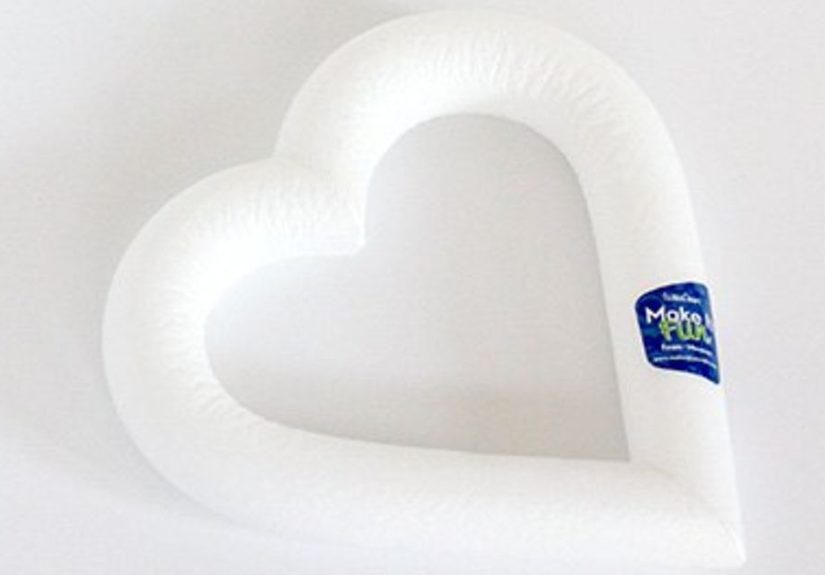
The base determines the final shape and style of your Valentine wreath. A heart-shaped foam form gives the most classic Valentine look. A round foam wreath feels versatile and can stay up beyond February if decorated with subtle colors. A grapevine heart wreath adds rustic charm and does not need to be fully covered. A cardboard base is inexpensive and great for lightweight indoor decor.
For a polished twine wrapped wreath, foam is easiest because it is smooth and lightweight. For a farmhouse wreath, grapevine or wire works beautifully, especially when combined with burlap, lace, and faux florals. For a quick budget project, cut a heart or circle from sturdy cardboard, wrap it with twine, and decorate the front. No one needs to know your fancy wreath began life as a shipping box. That is between you and the recycling bin.
Step-by-Step: How to Make a Valentine Twine Wrapped Wreath
Step 1: Prepare Your Wreath Form
Start by checking your wreath form for rough spots, loose pieces, or uneven edges. If you are using cardboard, cut the shape carefully and smooth the edges with scissors. If you are using foam, leave the plastic wrapping on only if it helps prevent shedding; otherwise, remove it so the glue can hold better.
Decide where the top of your wreath will be. This is where your hanging ribbon will eventually go. It is also a good place to hide the first and last ends of the twine because the ribbon or bow can cover small imperfections. Crafting secret: half of DIY success is making mistakes in places where a bow can sit.
Step 2: Secure the First End of Twine
Add a small dot of hot glue to the back of the wreath form and press the end of the twine into the glue. Hold it in place for a few seconds until secure. Keep this glued end on the back so the front stays clean. If you are working with younger crafters, an adult should handle the hot glue, or you can use tacky craft glue and allow more drying time.
Step 3: Wrap the Twine Around the Wreath
Begin wrapping the twine around the form, pulling it snug but not so tight that it dents foam or bends cardboard. Keep the rows close together so the base does not show through. Every few inches, add a tiny dot of glue on the back to keep the twine from slipping.
For heart-shaped wreaths, the curves and bottom point can be tricky. Around tight curves, overlap slightly if needed. At the inner point of the heart, use shorter pieces of twine if one long continuous wrap becomes awkward. The goal is coverage, not mathematical perfection. This is Valentine decor, not a NASA docking maneuver.
Step 4: Fill Gaps and Smooth the Shape
After the wreath is wrapped, inspect the front and sides. If the base peeks through, glue short pieces of twine over the gaps. On a heart wreath, you may need extra coverage along the inner V and bottom point. Press the twine gently into place and trim stray fibers if you prefer a cleaner look.
If you like a rustic texture, leave the natural fibers visible. If you prefer a neater finish, choose smoother baker’s twine or macrame cord. Both styles work; one says “sweet farmhouse romance,” and the other says “I own matching storage baskets and maybe have my life together.”
Step 5: Add Valentine Decorations
Now comes the fun part: decorating. Place your embellishments on the wreath before gluing anything down. Try a cluster of faux flowers on one side, a bow at the top, and small hearts across the lower curve. Asymmetrical designs often look more modern, while balanced decorations feel classic and formal.
For a romantic look, use blush roses, cream ribbon, lace, and soft pink felt hearts. For a playful style, add red baker’s twine, mini paper bunting, glitter hearts, and tiny wood letters. For farmhouse Valentine decor, combine jute twine with burlap ribbon, white felt flowers, wood beads, and muted red accents.
Step 6: Make a Hanging Loop
Cut a length of ribbon, twine, or cord and loop it around the top of the wreath. Tie a knot or bow, then secure it with glue on the back if needed. Before hanging, hold the wreath up and check whether it tilts. If it leans like it has Valentine’s Day drama, adjust the loop slightly until it hangs straight.
Design Ideas for a Beautiful Valentine Twine Wrapped Wreath
Rustic Farmhouse Heart Wreath
Wrap a heart-shaped foam or wire form with jute twine. Add a burlap bow, a small bunch of cream faux flowers, and a few red felt hearts. This style works especially well on a white, black, or natural wood door.
Sweet Baker’s Twine Wreath
Use red-and-white baker’s twine for a cheerful candy-striped effect. Add mini paper hearts, tiny clothespins, and a small “love” banner. This version is perfect for kitchens, classrooms, or party decor.
Soft Pink Yarn and Twine Wreath
Combine natural twine with blush pink yarn for a cozy layered look. Wrap half the wreath in jute and half in pink yarn, then cover the transition with felt flowers. This makes the design feel intentional rather than like your twine ran out mid-craft, which, honestly, has happened to the best of us.
Minimalist Valentine Wreath
Wrap a round wreath with smooth cotton cord or light jute. Add one small heart charm, a velvet ribbon, and a simple bow. This design is subtle enough to stay up from late January through early spring.
Tips for a Professional-Looking Finish
The best handmade wreaths have a few things in common: clean coverage, secure decorations, thoughtful color balance, and a clear focal point. Choose two or three main colors instead of using every Valentine shade available. Red, blush, and natural twine look warm and classic. Pink, white, and gold feel sweet and modern. Burgundy, cream, and burlap create a vintage farmhouse mood.
Use decorations in odd numbers when creating clusters. Three flowers usually look more natural than two. Five small hearts can feel more balanced than four. Leave some empty space so the twine texture can shine. A wreath does not need to be packed edge-to-edge with decorations; sometimes a little breathing room is what keeps it elegant instead of “craft aisle explosion.”
Where to Display Your Valentine Twine Wrapped Wreath
A Valentine twine wrapped wreath is not limited to the front door. You can hang it above a mantel, on a pantry door, over a mirror, inside a gallery wall, on a kitchen cabinet, or above a Valentine dessert table. Smaller versions work beautifully on chair backs for a dinner party or as decorative accents in a bedroom or nursery.
If you plan to hang the wreath outdoors, keep weather in mind. Natural twine, felt, paper, and some faux flowers may not handle rain or strong sunlight well. For covered porches, most twine wreaths are fine. For exposed outdoor use, choose weather-resistant ribbon, plastic floral accents, and a sturdier base.
Common Mistakes to Avoid
The most common mistake is wrapping too loosely. Loose twine can shift, sag, or reveal the base underneath. Another mistake is using too much glue on the front. Hot glue is helpful, but visible glue blobs can make a wreath look messy. Keep glue mostly on the back and use small amounts.
Another issue is overdecorating. Valentine’s Day is already a bold holiday, so your wreath does not need every heart, flower, bow, and sparkle in the county. Pick a theme and stick with it. Finally, do not skip the hanging test. A wreath may look perfect flat on the table but tilt once it is hanging. Gravity is not always romantic.
Budget-Friendly Crafting Ideas
This DIY Valentine wreath can be very affordable. Use cardboard from a box as your base, leftover twine from another project, ribbon scraps, and paper hearts cut from cardstock or gift wrap. Faux flowers from old arrangements can be reused, and fabric scraps can become mini bows or rosettes.
Dollar stores and craft-store sale sections are great places to find heart picks, ribbon, foam forms, and seasonal accents. The key is not to buy every cute item you see. Go in with a color palette and a list. Otherwise, you may leave with twelve heart-shaped items, three rolls of ribbon, a decorative gnome, and no memory of how it happened.
Experience Notes: What Making a Valentine Twine Wrapped Wreath Really Teaches You
One of the most enjoyable things about making a Valentine twine wrapped wreath is that it feels calm and creative at the same time. The wrapping stage is slow, but not difficult. At first, it may seem like the twine is taking forever to cover the form. Then, after a few minutes, the texture begins to build, the shape starts to look intentional, and the project becomes oddly satisfying. It is a little like watching a plain cupcake become dessert once frosting shows up.
From experience, the best approach is to prepare everything before turning on the glue gun. Lay out the wreath form, twine, scissors, ribbon, flowers, hearts, and any decorative pieces. This saves you from the classic hot-glue panic, where one hand is holding twine, the other is looking for scissors, and your elbow is somehow involved in the ribbon. Crafting is more fun when it does not require emergency choreography.
Another helpful lesson is to work in sections. Instead of trying to wrap the entire wreath perfectly in one long stretch, focus on a few inches at a time. Keep the twine snug, check the front often, and secure the back with small glue dots. If you are using a heart shape, give extra patience to the top dip and bottom point. Those areas tend to be stubborn, but short pieces of twine can cover awkward gaps beautifully.
Design-wise, it helps to stop before gluing decorations and take a quick photo of the layout. Photos make it easier to notice whether one side looks too heavy or whether the bow is stealing all the attention like it paid for the spotlight. You can move flowers, hearts, and ribbon around until the wreath feels balanced. Once everything is glued, changes are still possible, but they usually involve muttering and peeling glue strings off your fingers.
The most successful Valentine twine wrapped wreaths often include contrast. Natural twine looks wonderful with soft felt, shiny ribbon, smooth wood beads, or delicate lace. A wreath made only of rough textures can feel flat, while a mix of materials makes the design more interesting. For example, jute twine with blush felt roses and a satin ribbon creates a sweet balance of rustic and romantic. Baker’s twine with paper hearts and mini clothespins feels playful and handmade.
This project is also a reminder that handmade decor does not need to be flawless. A slightly uneven wrap, a tiny overlap, or a handmade flower with personality can make the wreath feel warmer. Store-bought decorations are neat, but handmade ones tell a story. They say someone took time to make something cheerful for the season, probably while drinking coffee and trying not to glue ribbon to the table.
If you are making several wreathsfor gifts, party decor, or a craft nightset up a small wreath-making station. Put twine in one basket, embellishments in another, and tools in the center. Offer a few style examples but let each person create their own version. Some people will make soft romantic wreaths. Others will create bold red masterpieces. Someone may add six bows. Let them. Valentine’s Day is about love, and sometimes love looks like enthusiastic bow placement.
In the end, the best experience comes from enjoying the process rather than racing to the finish. A Valentine twine wrapped wreath is simple, but it gives you room to be creative. It can be rustic, cute, elegant, or wonderfully over-the-top. It can decorate your own home or become a thoughtful handmade gift. Most importantly, it proves that a spool of twine, a few hearts, and a little patience can turn into something that makes February feel warmer.
Conclusion
A Valentine Twine Wrapped Wreath is one of those rare DIY projects that is easy enough for beginners but flexible enough for creative makers who love adding personal touches. With a basic wreath form, twine, glue, and Valentine embellishments, you can create a decoration that feels handmade, stylish, and full of charm. The natural texture of twine keeps the design grounded, while hearts, flowers, ribbon, and lace bring in the romance.
Whether you prefer rustic farmhouse decor, sweet pink-and-red Valentine style, or a clean minimalist look, this wreath can be customized to match your home. Hang it on your front door, above your mantel, or anywhere that could use a little handmade love. And if a few glue strings appear along the way, do not worry. That is not a mistakeit is just the craft world’s version of confetti.
Note: This article is written as original, publish-ready web content based on commonly used DIY wreath-making methods, Valentine craft practices, and home decor styling principles.