Table of Contents >> Show >> Hide
- Why Waterford Crystal Is So Collectible
- Start with the Waterford Mark
- Check the Weight and Feel
- Study the Cuts: Sharp, Deep, and Precise
- Examine Clarity and Brilliance
- Listen for the Ring
- Identify the Pattern
- Understand Marquis by Waterford
- Look for Original Stickers and Boxes
- Watch for Damage
- How to Tell Waterford Crystal from Glass
- Is Every Unmarked Piece Fake?
- Quick Waterford Crystal Identification Checklist
- Common Mistakes When Identifying Waterford Crystal
- Does Waterford Crystal Always Have Lead?
- How to Value Waterford Crystal
- How to Sell Waterford Crystal
- Care Tips for Waterford Crystal
- Real-Life Experience: What Identifying Waterford Crystal Feels Like in the Wild
- Conclusion
Note: This guide is written for collectors, sellers, thrift-store treasure hunters, and anyone who has ever held a sparkling goblet up to the light and whispered, “Please be Waterford.”
Why Waterford Crystal Is So Collectible
Waterford crystal has a reputation that enters the room before the glassware does. It is elegant, heavy, bright, and just dramatic enough to make orange juice feel like a black-tie event. Founded in Waterford, Ireland, the brand became famous for brilliant cut crystal, crisp patterns, and a level of craftsmanship that collectors still chase today.
But here is the tiny catch: not every sparkling vase, wine glass, decanter, or bowl is Waterford. Many pieces look similar, especially to the untrained eye. Some are quality crystal from other makers. Some are pressed glass trying very hard to look expensive. And some are mystery pieces from Aunt Linda’s china cabinet, which may or may not have survived three generations of holiday dinners.
Learning how to identify Waterford crystal means looking at several clues together: the mark, the weight, the clarity, the cutting, the pattern, the sound, and the overall workmanship. One clue alone is useful; several clues together are much stronger. Think of it like detective work, except the suspect is beautiful and very breakable.
Start with the Waterford Mark
The most important first step is to look for a Waterford mark. Genuine Waterford crystal pieces are often marked with an acid-etched or laser-etched logo. The mark is usually subtle, pale, and easy to miss. In fact, many people own Waterford for years without noticing the mark because it does not shout. It politely clears its throat.
Where to Look for the Mark
Check the bottom of the piece first. On stemware, inspect the foot and the area near the base of the stem. On bowls, vases, and decanters, look along the underside or near the lower side of the piece. On some designs, the mark may appear within or near the cut pattern, which makes the search a little like playing hide-and-seek with a very fancy ghost.
Use a bright light, natural daylight, or a flashlight. Tilt the piece slowly. A magnifying glass can help, especially on older or heavily cut items. The Waterford mark is usually not deep like a carved signature; it is often frosted, faint, and almost white against the clear crystal.
Common Waterford Marks
Older Waterford pieces may show the word “Waterford” in a Gothic-style mark. Later pieces often use a more modern script mark. Many newer pieces include the Waterford seahorse logo, a symbol closely associated with the brand. The seahorse mark is especially helpful on modern Waterford crystal, but the absence of a seahorse does not automatically mean the piece is fake. Older pieces may not have it.
Some very old or early pieces may have lost their foil labels, and certain vintage items can be difficult to authenticate without expert help. Labels can fall off, marks can be faint, and time is not exactly gentle with glassware that has been washed, handled, stored, and occasionally bumped by someone reaching for the gravy boat.
Check the Weight and Feel
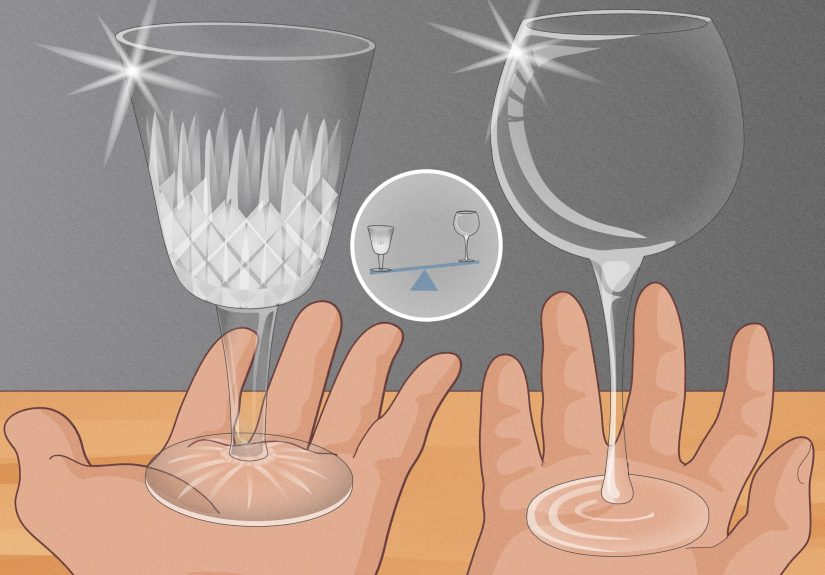
Waterford crystal usually feels substantial in the hand. Compared with ordinary glass, quality crystal tends to have more weight, partly because of its composition and partly because of the thick, deeply cut design. A genuine Waterford goblet, tumbler, bowl, or vase should feel balanced, solid, and refinednot flimsy or oddly light.
This does not mean every heavy piece is Waterford. Plenty of non-Waterford crystal has weight, too. But if a piece looks like Waterford and feels unusually light, that is a reason to pause. Real Waterford often has a “serious” feel, as if it expects you to stand up straighter while holding it.
Study the Cuts: Sharp, Deep, and Precise
One of the best ways to identify Waterford crystal is to inspect the cutting. Waterford is known for sharp, precise cuts that catch and scatter light beautifully. The facets should look deliberate, symmetrical, and clean. When you run a finger gently over the cut areas, they should feel crisp and well-defined rather than soft, blurry, or uneven.
Common Waterford design elements include wedge cuts, diamond cuts, fan shapes, vertical cuts, starburst bases, and repeating geometric patterns. The famous Lismore pattern, introduced in 1952, is especially recognizable for its diamond and wedge cuts inspired by Gothic architecture. If a piece has a Lismore-like design but the cutting seems shallow or messy, investigate further before celebrating.
Look for Pattern Consistency
Waterford patterns are carefully arranged. On stemware, the cuts should line up around the bowl. On vases and bowls, repeated shapes should feel balanced and intentional. A poorly aligned pattern can signal a lower-quality imitation, damage, or a piece from another maker.
That said, hand-cut crystal may show tiny variations because humans made it, not robots with commitment issues. Small differences are normal. Large inconsistencies, rough edges, or sloppy spacing are not ideal signs.
Examine Clarity and Brilliance
Waterford crystal is admired for clarity and brilliance. Hold the piece up to light and look through it. Genuine high-quality crystal should appear clear, bright, and lively. The cuts should throw light in sparkling flashes. If the piece looks cloudy, gray, dull, or full of bubbles, it may not be Waterfordor it may be damaged from harsh cleaning.
Cloudiness can happen when crystal is washed repeatedly in a dishwasher. Waterford and other fine crystal pieces are best washed by hand because dishwashers can cause haze, chips, and heartbreak. If a piece is cloudy only from dirt or residue, careful cleaning may help. If the glass itself is etched or permanently hazed, the damage is harder to fix.
Listen for the Ring
Crystal often produces a clear ringing sound when lightly tapped. This test is not perfect, and it should be done carefully. Nobody wants to identify Waterford crystal by turning it into Waterford confetti.
To try it, hold the piece securely and tap it very lightly with your fingernail or a wooden object. Quality crystal may give a bright, musical ring, while ordinary glass may sound shorter or duller. However, thickness, shape, and condition affect the sound, so use this test only as a supporting clue, not final proof.
Identify the Pattern
Once you find a Waterford mark, the next question is often: which pattern is it? Pattern identification matters because value can vary widely. Lismore is one of the most famous and widely recognized Waterford patterns, but there are many others, including Alana, Colleen, Araglin, Kildare, Kylemore, Tramore, Powerscourt, and more.
To identify a pattern, compare the shape and cuts to known Waterford pattern guides. Focus on the arrangement of diamonds, wedges, fans, vertical lines, and the shape of the stem or foot. The bowl shape also matters. Two glasses may have similar cuts but different silhouettes, and that can change the pattern name.
Stemware Clues
For glasses, look closely at the stem. Is it plain, faceted, baluster-shaped, short, tall, or sculpted? Waterford used different stem shapes across collections. The foot may also have a starburst or radial cut on the bottom. These small details are often the difference between “I think it is Waterford” and “Yes, this matches the pattern.”
Vases, Bowls, and Decanters
For larger pieces, shape is just as important as cutting. A Waterford vase may have a specific rim shape, height, base style, and repeating motif. Decanters require extra attention because the stopper should fit properly and may also be marked or cut to match the body. A replaced stopper can lower value, even if both parts are beautiful.
Understand Marquis by Waterford
Many shoppers see “Marquis by Waterford” and wonder whether it counts as real Waterford. Marquis is a Waterford line designed for more accessible everyday use. It can be attractive and gift-worthy, but it is usually valued differently from traditional Waterford crystal. Some Marquis pieces may be crystalline or non-lead crystal depending on the line and production era.
If you are buying for beauty, Marquis can be a great choice. If you are buying for collectible value, do not assume Marquis pieces will bring the same resale prices as older hand-cut Waterford patterns. The name matters, the pattern matters, and the market definitely has opinions.
Look for Original Stickers and Boxes
Original Waterford stickers, labels, boxes, care cards, and receipts can support authenticity. They are especially useful when selling. However, stickers are not proof by themselves. A sticker can be moved, replaced, or left on a non-matching piece. The etched mark and physical traits are more reliable.
Original packaging can increase buyer confidence, particularly for gifts, limited editions, ornaments, and newer pieces. For vintage crystal, a missing box is normal. Most people did not keep the box for forty years unless they were unusually organized, in which case we salute them.
Watch for Damage
Damage affects both identification and value. Check rims, feet, handles, stopper tips, and high points of the cut pattern. Use your fingers carefully around the rim to feel for tiny chips. Hold the piece against a dark background to spot cracks or bruises. A small chip may not ruin a display piece, but it can reduce resale value significantly.
Common damage includes rim chips, base scratches, cloudiness, flea bites along cut edges, cracks, and missing stoppers. Scratches on the bottom are normal for older pieces, but deep damage should be noted honestly when selling.
How to Tell Waterford Crystal from Glass
Ordinary glass is often lighter, less brilliant, and less sharply cut. Pressed glass may imitate cut patterns, but the details usually appear softer or molded rather than carved. Real cut crystal has facets that catch light from different angles. Pressed glass can look decorative, but it may not have the same sparkle or precision.
Look inside the cuts. If the lines seem rounded, shallow, or slightly blurred, the piece may be pressed or molded. If the cuts are sharp and light dances across them like it has somewhere important to be, you may be looking at quality crystal.
Is Every Unmarked Piece Fake?
No. An unmarked piece is not automatically fake, but it is harder to verify. Some older pieces may have lost labels or may have marks that are extremely faint. Some authentic pieces have marks hidden in awkward places. Before dismissing a piece, search thoroughly under strong light.
However, if a piece has no mark, no label, no documentation, and no clear pattern match, be cautious. Sellers should avoid advertising unmarked pieces as Waterford unless they are confident and can explain why. Buyers should price unmarked pieces conservatively unless an experienced appraiser confirms the maker.
Quick Waterford Crystal Identification Checklist
- Look for an acid-etched or laser-etched Waterford mark.
- Inspect the base, stem, lower side, and cut areas under bright light.
- Check for Gothic, script, or seahorse-style marks depending on age.
- Feel the weight; Waterford usually feels substantial and balanced.
- Examine the cuts for sharpness, depth, and symmetry.
- Look for high clarity, brilliance, and minimal flaws.
- Compare the pattern to known Waterford designs.
- Check for chips, cracks, cloudiness, and replaced parts.
- Use boxes, labels, and receipts as supporting evidence, not the only proof.
- When value matters, consult an appraiser or trusted replacement specialist.
Common Mistakes When Identifying Waterford Crystal
Mistake 1: Trusting the Sticker Alone
A sticker is helpful, but it is not enough. Always check the mark, pattern, and craftsmanship. A real sticker on the wrong piece is rare but possible, especially in estate lots where items get shuffled like a deck of very expensive cards.
Mistake 2: Assuming All Crystal Is Waterford
Waterford is famous, but it is not the only maker of beautiful crystal. Baccarat, Lalique, Orrefors, Edinburgh, Stuart, and many other brands produced fine glass and crystal. A piece can be valuable without being Waterford.
Mistake 3: Ignoring Condition
A genuine Waterford piece with chips or cloudiness may be worth less than expected. Condition is not a tiny detail; it is one of the main drivers of value. Buyers love sparkle. They are less excited about “vintage character” when that character is a crack across the rim.
Mistake 4: Misidentifying the Pattern
Many Waterford patterns share similar motifs. Do not rely only on a quick glance. Compare multiple details: cut shapes, stem design, height, diameter, foot style, and rim shape. Pattern names matter, especially when completing a set or selling replacements.
Does Waterford Crystal Always Have Lead?
Traditional Waterford crystal was known for lead crystal, which helped create weight, brilliance, and a high refractive sparkle. Modern crystal production has changed across the industry, and some newer lines may use different compositions. For identification, do not rely only on whether a piece contains lead. Instead, focus on the mark, craftsmanship, pattern, and documentation.
If you plan to use older lead crystal for beverages, avoid long-term storage of liquids in decanters. Serving drinks briefly is different from storing whiskey or wine in lead crystal for weeks. For display, collecting, and occasional use, many people still enjoy vintage crystal, but practical care matters.
How to Value Waterford Crystal
Value depends on pattern, age, rarity, size, condition, completeness, and market demand. A single common wine glass may sell modestly, while a rare vase, limited edition, chandelier component, or complete stemware set can command more attention. Lismore pieces are popular, but because many were produced, value depends heavily on form and condition.
When estimating value, compare sold prices, not just asking prices. An online listing priced at $900 does not mean it sold for $900. It may simply mean someone has big dreams and excellent lighting. Sold listings, replacement services, estate-sale results, and professional appraisals give a more realistic picture.
How to Sell Waterford Crystal
If you plan to sell Waterford crystal, clean it carefully, photograph it well, and describe it honestly. Include close-up photos of the mark, the entire piece, the base, the rim, and any damage. Measure height, width, opening diameter, and base diameter. If it is stemware, note the glass type, such as wine, water goblet, champagne flute, or cordial.
Use clear listing titles such as “Waterford Lismore Crystal Wine Glass” or “Waterford Crystal Cut Vase with Seahorse Mark.” If you are unsure of the pattern, say so. Buyers appreciate honesty, and it reduces returns. Also, pack like your package will be handled by a caffeinated gorilla. Use bubble wrap, double boxing, and plenty of cushioning.
Care Tips for Waterford Crystal
Wash Waterford crystal by hand using warm water, mild dish soap, and a soft cloth. Avoid extreme temperature changes. Do not stack glasses unless they were designed for it. Dry with a lint-free towel to prevent water spots. For decanters, use gentle cleaning beads or a soft bottle brush if needed, but avoid harsh abrasives.
Store crystal where it will not knock against other pieces. If you display it in a cabinet, make sure shelves are stable. Crystal is strong in personality but not invincible in gravity.
Real-Life Experience: What Identifying Waterford Crystal Feels Like in the Wild
Identifying Waterford crystal in real life is rarely as simple as picking up a glass and instantly knowing everything about it. Most of the time, it starts with curiosity. You spot a heavy-looking goblet at a thrift store, estate sale, flea market, or family cabinet. It sparkles more than the others. The cuts look sharp. The base feels polished. Your inner collector wakes up, adjusts its imaginary monocle, and says, “Interesting.”
The first experience most people have is the mark hunt. This can be surprisingly dramatic. You turn the glass upside down, tilt it toward a window, squint, rotate it again, and suddenly wonder whether your eyesight has filed a formal complaint. The Waterford mark is often faint, especially on older pieces. A flashlight and magnifying glass can turn frustration into victory. When the mark finally appears, it feels like discovering a secret message from the crystal gods.
Another common experience is realizing that weight alone is not enough. Many beginners pick up a heavy piece and immediately think, “This must be Waterford.” Sometimes they are right. Sometimes they are holding a perfectly nice crystal piece from another maker. The difference becomes clearer after handling several examples. Authentic Waterford often has a combination of weight, balance, clarity, and precision that feels different from ordinary glass. It is not just heavy; it feels intentionally made.
Pattern identification is where the hobby becomes both fun and mildly addictive. Lismore is often the first pattern people learn because its diamond and wedge cuts are so recognizable. But once you compare Lismore with Alana, Colleen, Kildare, and other patterns, you begin noticing small differences in stems, cuts, and proportions. Suddenly, you are the person at a garage sale examining goblet feet like a crystal detective. This is normal. There are support groups, but they mostly meet in antique malls.
One useful habit is to photograph every clue. Take a picture of the mark, the side pattern, the stem, the foot, and the rim. Photos help when comparing patterns later, especially because memory can turn “diamond cuts with vertical lines” into every Waterford pattern ever made. Good photos also help if you ask a dealer, appraiser, or replacement service for help.
Condition checks become second nature over time. At first, chips are easy to miss because the sparkle distracts you. Later, you learn to gently run a finger around the rim, inspect stopper tips, and look for cloudy interiors. A tiny rim chip can affect value, but it does not always destroy usefulness or beauty. For personal collecting, a small flaw may be acceptable. For resale, it should always be disclosed.
The biggest lesson from experience is patience. Do not rush to declare every sparkling piece Waterford, and do not dismiss a piece just because the mark is hard to find. Use several clues together. Look, feel, compare, photograph, and research. The more examples you handle, the better your eye becomes. Eventually, identifying Waterford crystal feels less like guessing and more like reading a language written in light, weight, and sharp little diamonds.
Conclusion
Learning how to identify Waterford crystal is a mix of observation, pattern knowledge, and careful handling. Start with the mark, but do not stop there. Study the weight, clarity, cuts, shape, pattern, and condition. A genuine Waterford piece usually reveals itself through a combination of details: a subtle etched signature, crisp cutting, brilliant sparkle, and the unmistakable feeling of quality craftsmanship.
Whether you are buying, selling, collecting, or simply solving the mystery of a cabinet full of inherited crystal, the key is to slow down and look closely. Waterford does not need to shout. It sparkles, waits, and lets you do the detective work.