Table of Contents >> Show >> Hide
- Who Is Rose Tarlow, and Why Does Her Textile Aesthetic Matter?
- What Defines Rose Tarlow Fabrics and Linens?
- How Rose Tarlow Fabrics Work in Real Rooms
- Why Designers Keep Coming Back to Rose Tarlow
- Rose Tarlow Outdoor Fabrics and the Expansion of the Look
- How to Decorate With Rose Tarlow Fabrics and Linens
- Are Rose Tarlow Fabrics Worth the Investment?
- The Experience of Living With Rose Tarlow Fabrics and Linens
- Final Thoughts
Some fabrics enter a room like a brass band. Rose Tarlow fabrics walk in like the most elegant guest at dinner: quiet, self-possessed, a little mysterious, and somehow impossible to stop watching. That is the enduring appeal of Rose Tarlow fabrics and linens. They do not beg for attention with loud color or trend-chasing drama. Instead, they win you over with texture, restraint, subtle pattern, and the kind of patina-loving sophistication that makes a room feel collected rather than decorated.
In the design world, Rose Tarlow is one of those names people say with a slight nod, as if they are discussing a very good Bordeaux or an antique table with excellent legs. Her work has long been associated with interiors that feel historical without becoming dusty, luxurious without becoming fussy, and deeply personal without looking chaotic. That same philosophy carries into her textiles. Whether you are studying her glazed linens, faded-looking hemps, tonal wallcoverings, or upholstery fabrics that seem to glow instead of shine, the through line is unmistakable: beauty built on nuance.
This is what makes Rose Tarlow so compelling in the realm of fabrics and linens. The collections do not simply clothe furniture or soften windows. They create atmosphere. They help rooms feel worn in, balanced, architectural, and quietly alive. In a marketplace overflowing with fabrics that scream for social media likes, Tarlow’s textiles do something rarer: they make people want to stay awhile.
Who Is Rose Tarlow, and Why Does Her Textile Aesthetic Matter?
Rose Tarlow built her reputation first through antiques and interiors, then expanded her influence through furniture, lighting, accessories, and textiles. That history matters because her fabrics do not come from a purely decorative mindset. They come from someone steeped in proportion, age, craftsmanship, and the emotional effect of materials inside a room. Her design language has always favored the slightly imperfect, the deeply tactile, and the quietly eccentric. In other words, this is not fabric for people who want their home to look like a hotel lobby with better candles.
What distinguishes the Rose Tarlow Melrose House approach is its historical sensitivity. Many patterns and surfaces feel as though they have lived a life before arriving in the present. Colors tend toward softened neutrals, earth tones, washed florals, vegetal greens, smoky blues, harvest golds, stone, fog, wheat, cocoa, and faded reds. Even when a textile has pattern, it rarely feels loud. It feels absorbed into the architecture of the room.
That is the magic trick. Rose Tarlow fabrics often read as both decorative and structural. They are soft, yes, but they also help define the bones of a space. A linen drape can make a room feel taller. A textured upholstery can make a simple chair feel storied. A paper-backed wallcovering can create the warmth of fabric on the wall without looking theatrical. It is less “look at me” and more “how did this room become so good?”
What Defines Rose Tarlow Fabrics and Linens?
1. Texture Over Flash
If there is one recurring signature in Rose Tarlow textiles, it is the priority placed on texture. The appeal is often tactile before it is graphic. Hemp, linen, wool-linen blends, velvets, sheers, and woven surfaces create depth without requiring high contrast. This is a big reason her fabrics work so well in layered interiors. They add richness without visual noise.
Think of a chair upholstered in a softly toned hemp rather than a high-gloss print. Or curtains in a glazed linen that catch daylight just enough to shift mood across the day. Rose Tarlow understands that a room can be memorable because it feels rich, not because it looks busy. That is a lesson many modern interiors could use, preferably before purchasing another aggressively beige boucle blob.
2. A Softly Aged Palette
Color in the Rose Tarlow universe tends to feel mellowed by time. Even when the shade is green, blue, saffron, or rose, it usually looks tempered rather than neon. This palette is central to the brand’s identity. The effect is similar to old European interiors, sun-faded linens, antique painted furniture, or walls that have developed quiet complexity over time.
For homeowners and designers, this makes Rose Tarlow fabrics unusually versatile. They pair beautifully with antique wood, plaster walls, stone floors, hand-thrown ceramics, brass, iron, and painted cabinetry. They also sit comfortably beside more contemporary pieces because the colors never feel costume-like. The room stays grounded.
3. Linen and Hemp With Character
When people talk about Rose Tarlow linens, they are often responding to more than fiber content. They are responding to character. Linen in her collections is not crisp in the stiff, showroom sense. It is expressive. It can feel washed, glazed, dry, hushed, or slightly rumpled in the best possible way. Hemp textiles have a similar appeal. They often bring an earthy hand and a faintly rustic elegance that works beautifully for upholstery, drapery, and soft furnishings.
This is where the brand wins over designers who want a room to feel old enough to have stories, even when everything is technically new. A hemp or linen fabric with tonal irregularity does a lot of emotional heavy lifting. It says, “Yes, I am refined, but I also know how to relax.”
4. Patterns That Whisper
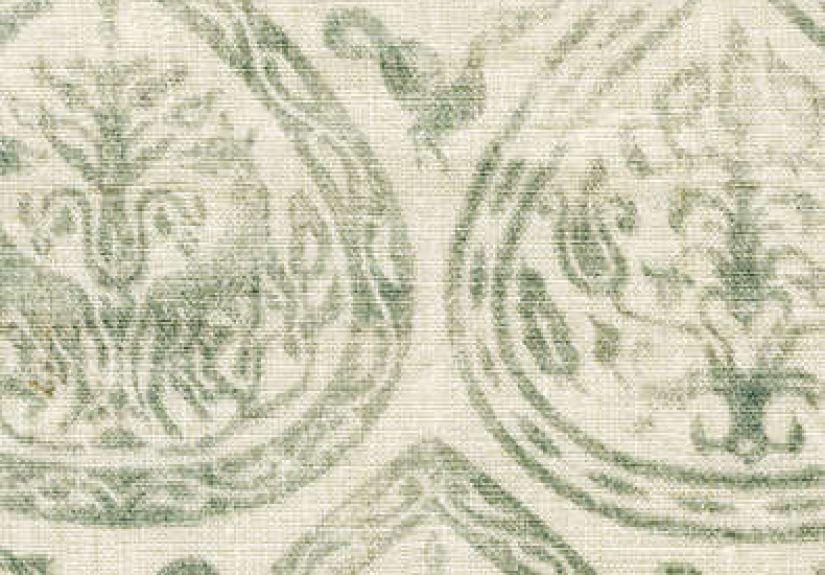
Rose Tarlow patterns tend to be subtle, layered, and intimate. Florals, stripes, solids, and small-scale motifs are common, but the overall effect is restrained. Even her more decorative prints usually avoid cartoonish contrast. Instead, they work by building mood. A Tarlow floral can feel botanical without becoming sugary. A stripe can feel tailored rather than nautical. A wallcovering can suggest woven linen on the wall without shouting, “Please admire my texture from across the street.”
How Rose Tarlow Fabrics Work in Real Rooms
One reason these textiles remain relevant is that they are used constantly by serious designers in real homes. You see them on upholstered beds, dining chairs, drapery, benches, shades, and custom sofas. Designers reach for them when they want softness with backbone. That combination is surprisingly hard to find.
In bedrooms, Rose Tarlow linens are especially effective because they help create the cocooning, gentle atmosphere people actually want from a private retreat. A glazed linen on a canopy bed or bench fabric introduces polish without looking stiff. A floral or chintz-inspired textile can be balanced with stripes, aged wood, and muted paint so the room feels charming rather than precious.
In living rooms, her upholstery fabrics shine when paired with antique tables, sculptural lamps, and natural materials. A dusty blue or taupe Rose Tarlow textile can make a sofa feel timeless. It also plays nicely with layered neutrals, which is helpful for anyone who wants richness without turning the room into a fifty-shade study of oatmeal. Although, to be fair, Rose Tarlow oatmeal is usually much more interesting than ordinary oatmeal.
In dining spaces and studies, her wallcoverings and tailored fabrics can create a warm, enveloping effect. Tonal papers and cloth-like wall surfaces are particularly useful when you want intimacy, especially in rooms that benefit from low, flattering light. This is part of what makes the line so beloved by designers: the textiles do not merely decorate the room, they regulate its emotional temperature.
Why Designers Keep Coming Back to Rose Tarlow
The short answer is trust. Designers know what the line represents. It represents craftsmanship, historical intelligence, and consistency. It also represents a very specific point of view: interiors should have personality, but not performative chaos. They should age beautifully. They should feel collected. And they should leave room for imperfection, because perfection is often the fastest route to sterility.
Rose Tarlow’s work also appeals to designers who appreciate tension in a room. A glamorous chair upholstered in a dry, earthy linen. A formal shape covered in a softened floral. A highly tailored sofa in a fabric that feels slightly weathered. Those small contradictions create sophistication. The room becomes more interesting because not everything is saying the exact same thing.
That philosophy is particularly relevant right now. Many homeowners are moving away from one-note minimalist interiors and looking for spaces with depth, memory, and feeling. Rose Tarlow fabrics fit that shift perfectly. They are not maximalist in the loud sense, but they are rich in implication. They suggest life, time, taste, and a willingness to value atmosphere over instant impact.
Rose Tarlow Outdoor Fabrics and the Expansion of the Look
Another fascinating evolution in the Rose Tarlow textile story is the move into high-performance outdoor fabrics through collaboration. That matters because it proves the aesthetic is not limited to drawing rooms and quietly glamorous bedrooms. The same earthy tones, antique-leaning hues, and textured sensibility can translate outdoors in materials designed for durability.
For homeowners, that is good news. It means the Rose Tarlow point of view can extend to porches, terraces, garden seating, and indoor-outdoor rooms without sacrificing function. Performance fabric has come a long way, and when it carries the visual subtlety associated with Tarlow, it avoids the plastic-looking stiffness that used to plague outdoor design. In other words, your patio no longer has to look like it is emotionally sponsored by a yacht catalog.
How to Decorate With Rose Tarlow Fabrics and Linens
Start With One Hero Textile
Choose a single Rose Tarlow fabric for a major moment: a sofa, drapery panel, headboard, or dining chair seat. Because the line is often tonal and textured, one strong choice can influence the entire room without overpowering it.
Layer Similar Values, Not Matching Everything
These textiles look best when surrounded by colors of similar depth rather than exact matches. Pair fog with stone, wheat with old ivory, muted green with weathered wood, or faded blue with warm plaster. The goal is harmony, not identical twins wearing khakis.
Mix Old and New
Rose Tarlow fabrics thrive in rooms where antique pieces and contemporary lines coexist. That contrast keeps the room from tipping too far into either museum mode or sterile modernity.
Use Linen and Hemp Where Touch Matters
Bedding accents, bench cushions, reading chairs, and drapery are all strong candidates. The tactile quality of linen and hemp is part of the pleasure, so let these materials live where people actually interact with them.
Are Rose Tarlow Fabrics Worth the Investment?
For the right home, yes. These are not impulse-buy textiles chosen because they looked cute under showroom lighting. They are investment fabrics in the sense that they help define the character of a room for years. Their value lies in their longevity, subtlety, and flexibility. They are less likely to feel dated because they do not rely on trendy tricks to begin with.
That makes them particularly attractive for designers and homeowners creating lasting interiors. If your goal is a room that feels better in five years than it does on installation day, Rose Tarlow is a compelling direction. These fabrics are often about slow pleasure: the way light changes on a glazed linen, the way a tonal floral becomes more interesting over time, the way an upholstered chair starts to feel inseparable from the room itself.
The Experience of Living With Rose Tarlow Fabrics and Linens
Living with Rose Tarlow fabrics and linens is less like owning a trendy design statement and more like developing a relationship with a room that gets smarter every day. At first, you notice the obvious things: the softness of a washed linen, the handsome dryness of hemp, the way a wallcovering seems to absorb light instead of bounce it back. Then, after a few weeks, you start noticing the smaller pleasures. Morning light skims across the fabric on a chair and suddenly the color looks different. A curtain moves slightly in the afternoon breeze and the whole room feels gentler. A bed upholstered in a quiet textile becomes the visual anchor of the space without ever demanding applause.
That is the sneaky brilliance of the Rose Tarlow aesthetic. It unfolds slowly. It does not hand you all its charm in the first five minutes. It lets you discover it in layers, which is exactly how the best interiors work. A room with these textiles often feels settled, even when it is newly finished. It feels like someone thoughtful lives there. Someone who likes books, good lamplight, old wood, and maybe the occasional dramatic flower arrangement that looks as if it was gathered from a very stylish garden.
There is also an emotional calm to these fabrics. Because the colors are softened and the textures are nuanced, they do not tire the eye. You can sit with them for hours. This matters more than people think. So much contemporary decorating is optimized for the quick photograph, the dramatic reveal, the social-media “wow.” Rose Tarlow fabrics are optimized for daily life. They shine during a rainy afternoon, a dinner with friends, a quiet morning coffee, or the blissful moment when you finally sit down after carrying decorative pillows around like a household stage manager.
In bedrooms, the experience is especially persuasive. A glazed linen on a bench or bed frame can make the room feel tailored but never stiff. Patterned fabric on a shade or headboard can introduce romance without turning the space into a period drama. In living rooms, upholstery in a muted hemp or velvet helps the furniture feel rooted, as though it belongs to the architecture. The room feels composed, but not over-rehearsed. Elegant, but not anxious about it.
Perhaps that is the best way to describe what these textiles offer: confidence without noise. They do not chase you. They do not plead to be noticed. Yet over time they become the very reason a room feels whole. You may begin by admiring the fabric itself, but eventually what you admire is the atmosphere it creates. And that, in the end, is far more valuable. Plenty of fabrics can cover a chair. Far fewer can help create a home with soul.
Final Thoughts
Fabrics & Linens: Rose Tarlow is ultimately a story about restraint, material intelligence, and the power of subtle beauty. These textiles are beloved not because they dominate a room, but because they deepen it. They bring softness to architecture, history to new spaces, and polish to rooms that would otherwise feel unfinished. If you are drawn to interiors that feel collected, atmospheric, and quietly luxurious, Rose Tarlow remains one of the most influential names worth knowing.
And perhaps that is the final lesson from her fabrics and linens: real elegance rarely shouts. It lingers.